


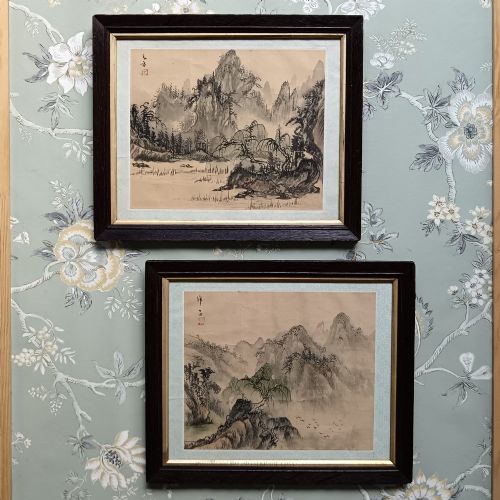

Signed Watercolour Painting
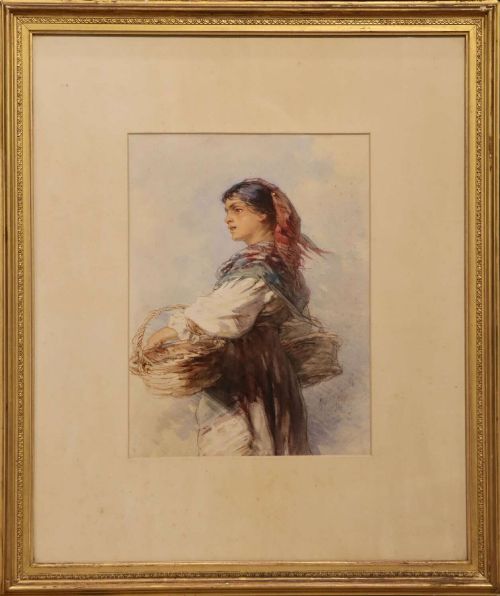
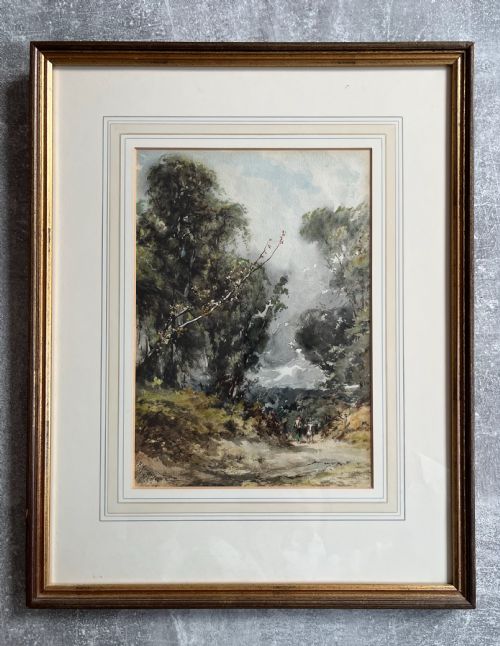
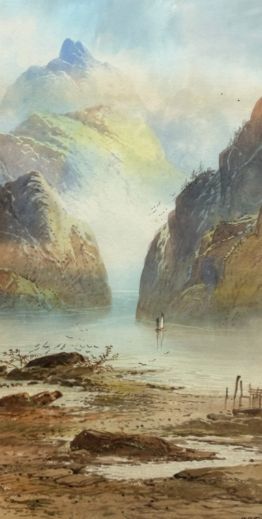
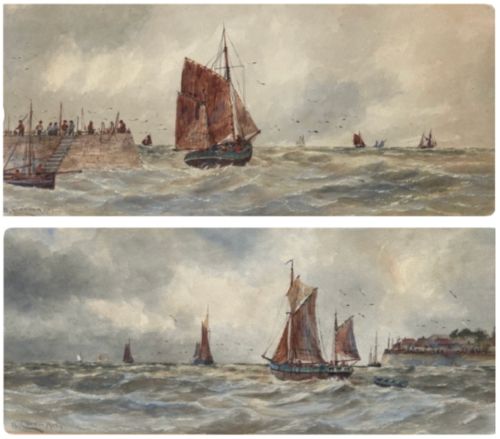
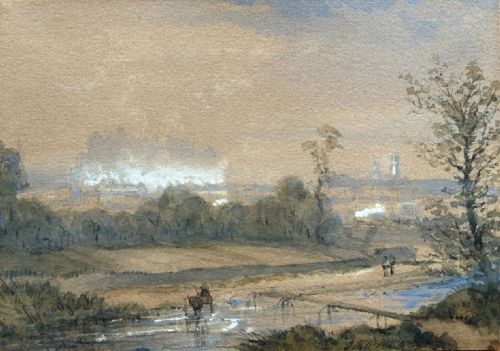
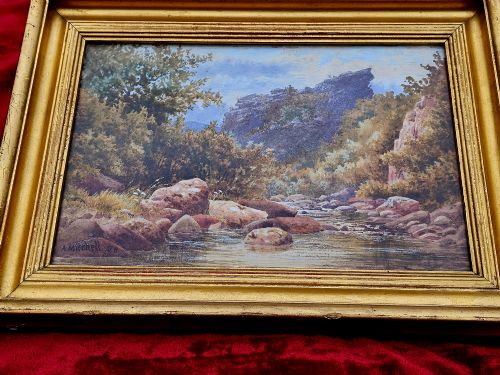
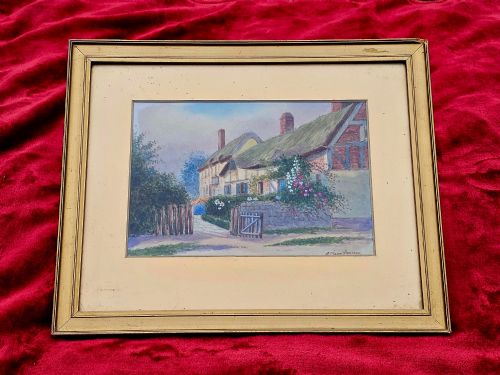
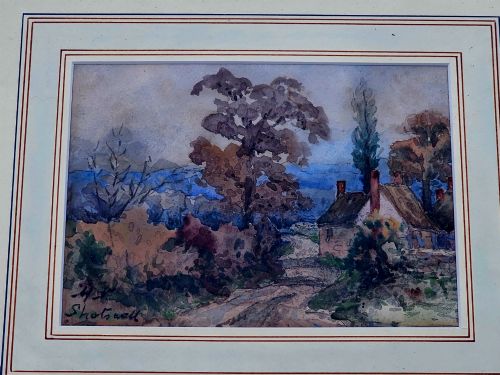
A signed watercolour painting captures the fleeting light of a Victorian coastal view or an Edwardian pastoral valley through fluid, translucent pigments.
Signed Watercolour Painting
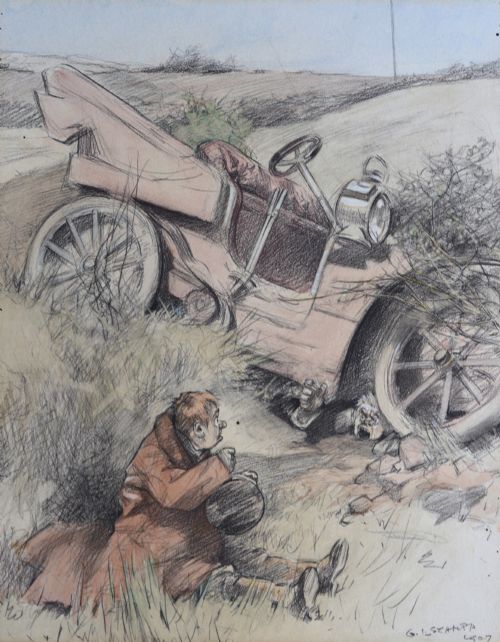
A signed watercolour painting offers a direct encounter with nineteenth-century and mid-century British and European landscapes, seascapes, and portrait miniatures.
Buyers will encounter works spanning the Victorian, Edwardian, and mid-century periods, created by professional artists and Royal Academy exhibitors alike.
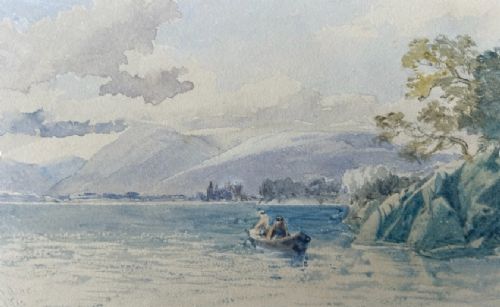
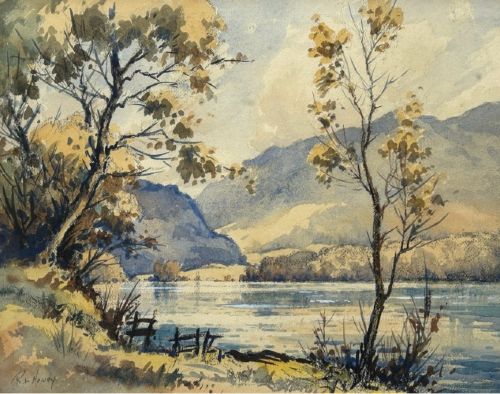
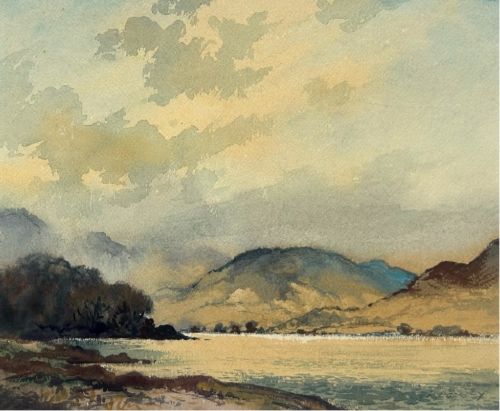
The subjects range from tranquil Scottish lochs and Yorkshire harbours to intricate botanical studies and bustling maritime scenes.

How They Were Made
Artists applied fine watercolour pigment suspended in water onto heavy rag paper, sometimes augmenting compositions with ink or bodycolour for definition.
Many works incorporate delicate glass protection within their original gilt wood or oak frames, preserving the fragile painted surface from atmospheric moisture.
Signed Watercolour Painting Retail Price Guide 2026
Typical asking prices for signed watercolour painting among the pieces listed under this phrase on Sellingantiques today, from the lower quarter to the upper quarter. They describe what is for sale here now, not the wider market.
Listings feature works executed on paper, silk, and glass, spanning the eighteenth century through to the mid-twentieth century.
What Varies in Quality
Quality rests upon the artist's handling of transparency and light, distinguishing a master's confident brushwork from a rigid amateur study.
The preservation of the paper support and the clarity of the original pigment without excessive fading dictate the desirability of each piece.
George Lorain Stampa·George Fotherly Hargitt·Thomas Miles Richardson Jnr·James Orrock·William Henry Earp·William Cannon·John R Prentice·Robert Leslie Howey·William Banks Fortescue·William Joseph Boyes·Vincent Clare·R. Hurst·Th. Thibault·Alfred G. Morgan·Russell Sidney Reeves·Robert George Talbot Kelly·Dumont·Dame Elisabeth Frink·William Frederick Settle·Harry Wanless·Fred Lawson·George F. Pennington·Sir Joshua Reynolds·James Robertson Miller·Alexander Jamieson
The Signed Watercolour Painting Glossary
- Watercolour
- A painting method in which the paints are made of pigments suspended in a water-based solution. The paper surface often shows through to provide luminosity.
- Monogram
- A motif made by overlapping or combining two or more letters to form a single symbol. Artists frequently used these initials instead of a full signature.
- Gilt wood
- Wood that has been treated with gold leaf or gold paint. This finish was standard for framing fine nineteenth-century works.
- Provenance
- The chronology of the ownership or location of a historical object. It helps authenticate the origin of signed paintings.
- Diptych
- An artwork divided into two sections or panels. These paired paintings were often mounted within a shared framing structure.
Signed Watercolour Painting: Frequently Asked Questions
How do I care for a signed watercolour painting?
Keep the artwork away from direct sunlight to prevent the watercolour pigments from fading over time.
Ensure it hangs in a stable environment with minimal humidity changes to protect the paper and original frame.
What periods are most common?
Nineteenth-century and Edwardian pieces dominate the selection, capturing the height of British landscape traditions.
Mid-century works also appear, showing a shift towards impressionist and regional British school styles.
Why do some paintings have monograms instead of full signatures?
Artists often used intertwined initials to sign smaller studies, sketches, or works intended for personal portfolios.
A monogram served as a recognised mark of authorship while maintaining the intimate scale of the composition.