


Traditional Landscape Painting
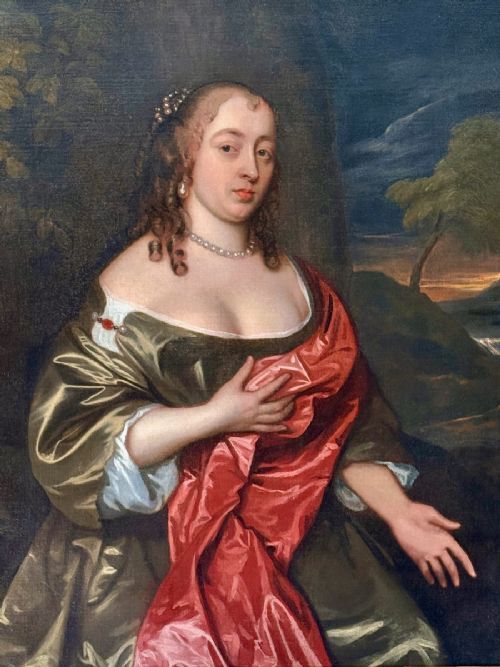
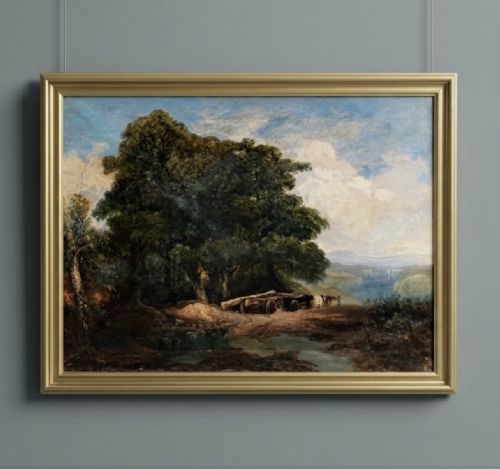
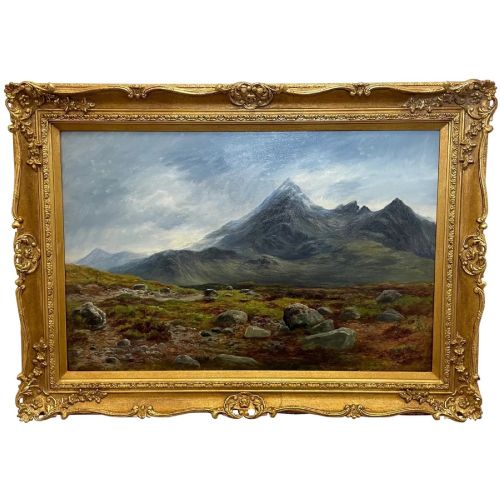
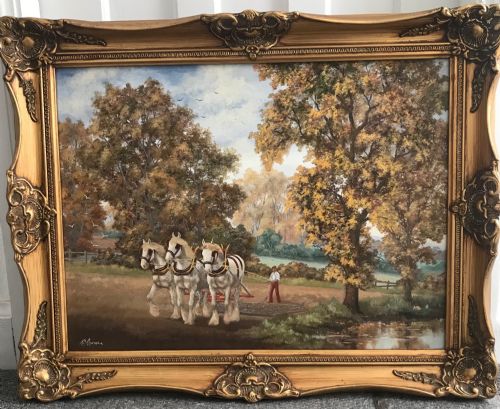
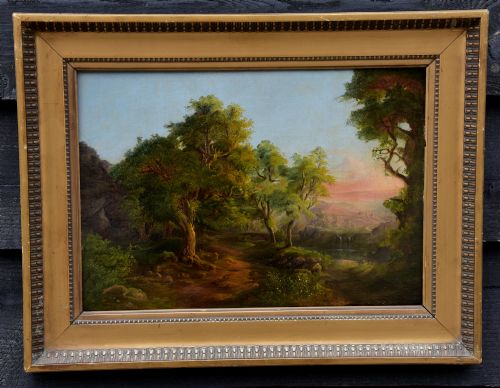
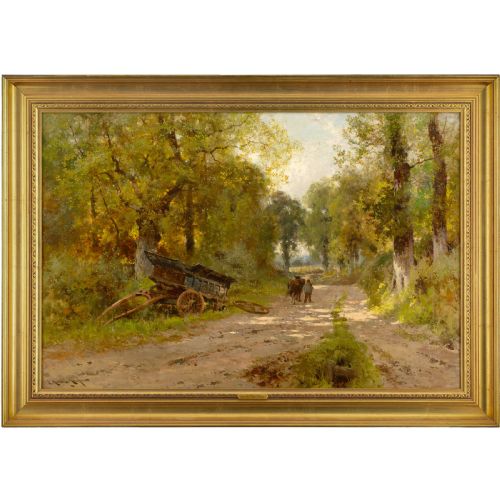
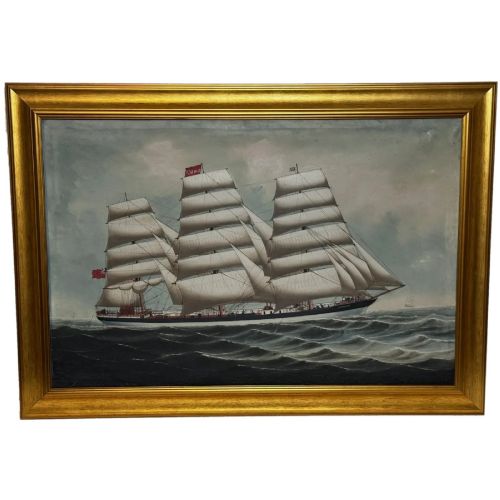
Traditional landscape painting captures pastoral views, coastal scenes and woodland settings across canvas and wood panel.
Traditional Landscape Painting
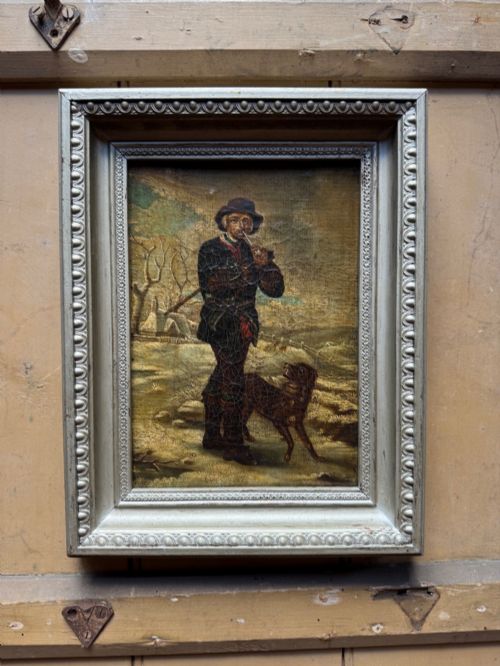
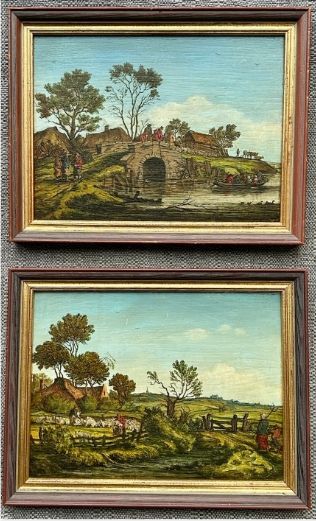
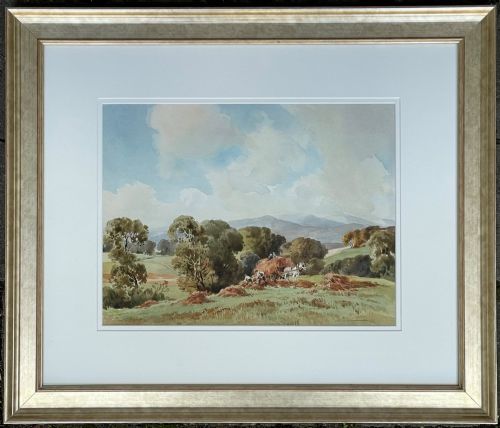
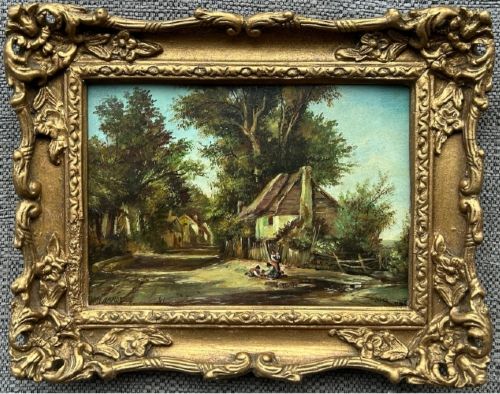
A traditional landscape painting records rural terrain, river valleys and coastal harbours through the artistic traditions of the eighteenth, nineteenth and early twentieth centuries. These works frequently depict figures, livestock or agricultural labour integrated into expansive natural vistas and country pathways.
The versions most commonly met on this page span the Victorian and Edwardian periods, executed in oil paint or watercolour. Artists of British, Scottish and European schools dominate, working on canvas, wood panels or paper set within period frames.
What separates the work
Quality rests upon the confidence of the brushwork and the handling of natural light within the composition. Stronger examples demonstrate precise draughtsmanship in figures, foliage and architectural elements rather than formulaic repetition.
The preservation of the original surface and the integrity of the period frame contribute significantly to the standing of a piece.
Traditional Landscape Painting Retail Price Guide 2026
Typical asking prices for traditional landscape painting among the pieces listed under this phrase on Sellingantiques today, from the lower quarter to the upper quarter. They describe what is for sale here now, not the wider market.
Listings feature works executed in both oil paint and watercolour on supports including canvas, wood panels and paper.
Richard Sebastian Bond·William Beattie-Brown·Tom Campbell·Alfred Young Nutt·Percy Lancaster·William Howard Hardy·John Horace Hooper·Hendrik Willem Schweickhardt·Alfred Fontville de Breanski Jr·George Houston·Thomas Barker of Bath·David Bates·Thomas Smythe
The Traditional Landscape Painting Glossary
- Oil on Canvas
- Pigment mixed with drying oil applied to a woven fabric stretched across a wooden frame. This medium allowed artists to build rich textures and deep colour tones.
- Wood Panel
- A flat wooden board utilised as a rigid support for painting. Panels provided a smooth surface suited to fine detail work.
- Watercolour
- Pigment suspended in a water-based, translucent solution applied to paper. It required swift, deliberate application due to the rapid drying time.
- Gilt Wood
- Timber carved and coated with a thin layer of gold leaf or metallic gilt paint. These frames defined the boundary of the artwork and protected the edges.
- Pastoral
- A style or subject matter concerning rural life, shepherds and domesticated animals in idealized country settings. These scenes evoked a calm, agrarian ideal.
Traditional Landscape Painting: Frequently Asked Questions
What periods do these paintings cover?
The works span from the eighteenth century through the Victorian and Edwardian eras into the mid-twentieth century. Most examples date from the nineteenth century.
Earlier pieces reflect eighteenth-century conventions, while later works extend into early twentieth-century interpretations of rural and coastal scenes.
Are these paintings supplied framed?
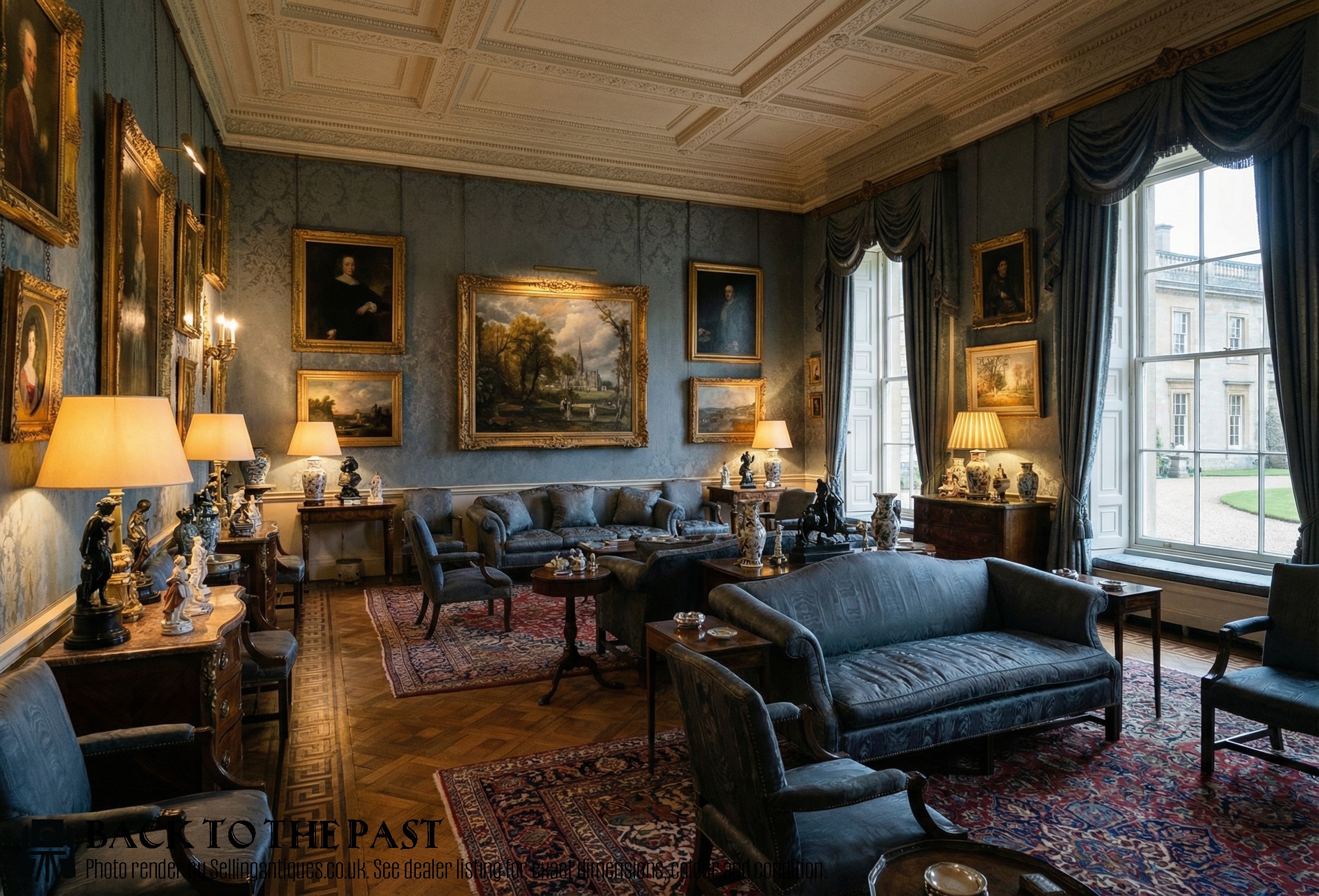
Many pieces retain their original or period frames, particularly gilt wood surrounds that complement the artwork. Framing details are noted in individual descriptions.
Buyers often encounter works set in heavy moulded or gilded frames suited to nineteenth-century display practices.
How do I care for an antique oil painting?
Keep paintings away from direct sunlight, excessive moisture and rapid temperature fluctuations. Dust the surface gently with a soft, dry brush without applying pressure.
Avoid using chemical cleaning agents or water on the painted surface or the gilt frame.
What subjects are common in these landscapes?
Common subjects include river valleys, woodland paths, highland mountains, marine views and pastoral scenes with cattle or sheep. Human figures often appear engaged in rural labour or travel.
Coastal harbours and agricultural fields reflect the regional focus of British and European artists.