




Framed Watercolour Art
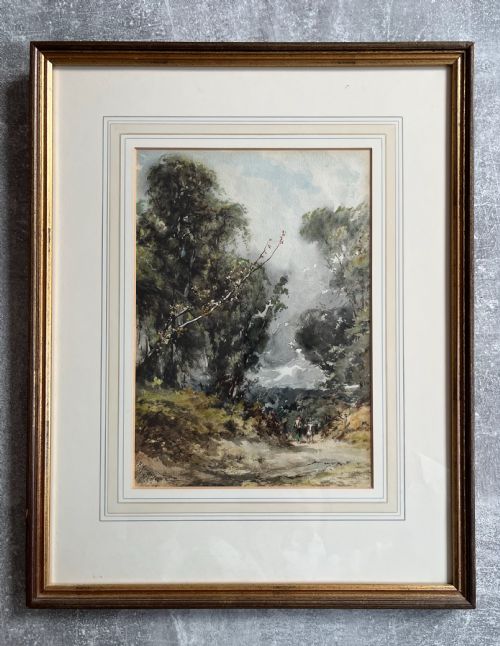
Framed watercolour art brings together delicate pigment and paper behind glass, offering a direct window into historical landscapes, portraits, and maritime scenes.
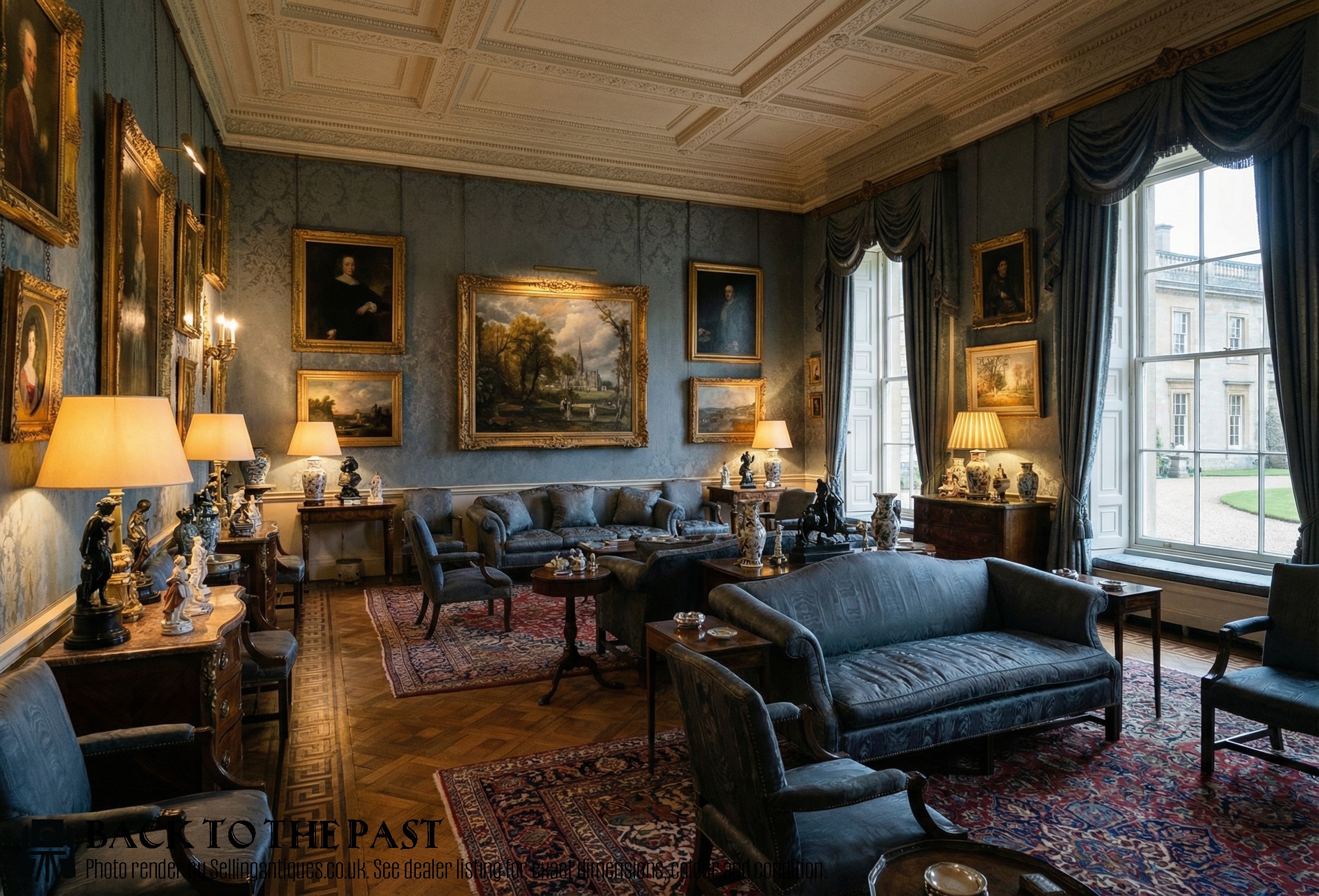
Framed Watercolour Art
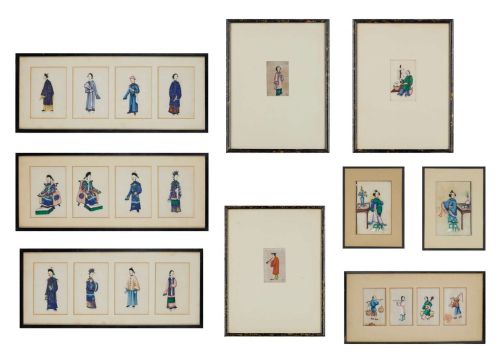
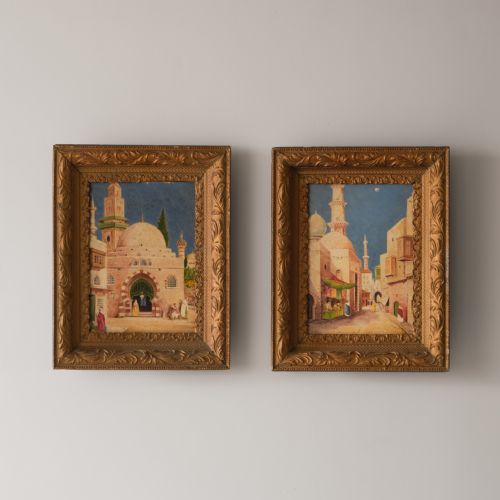
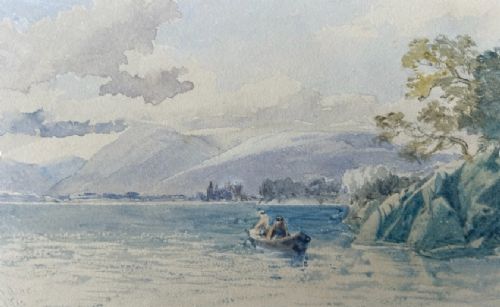
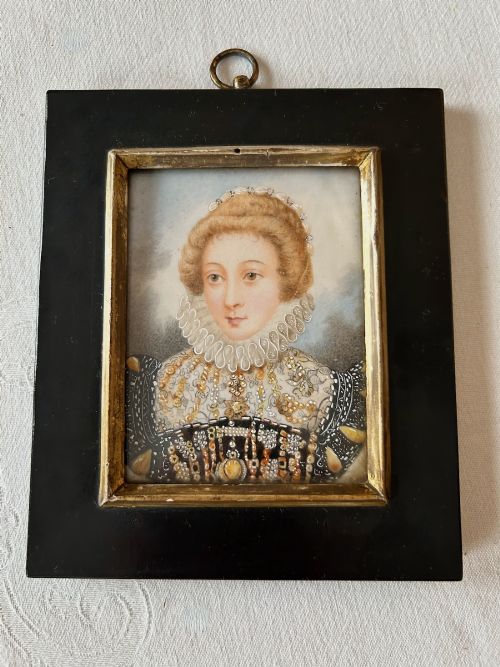
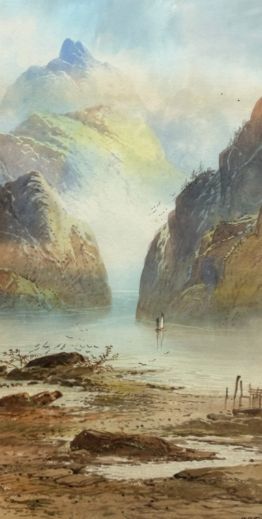
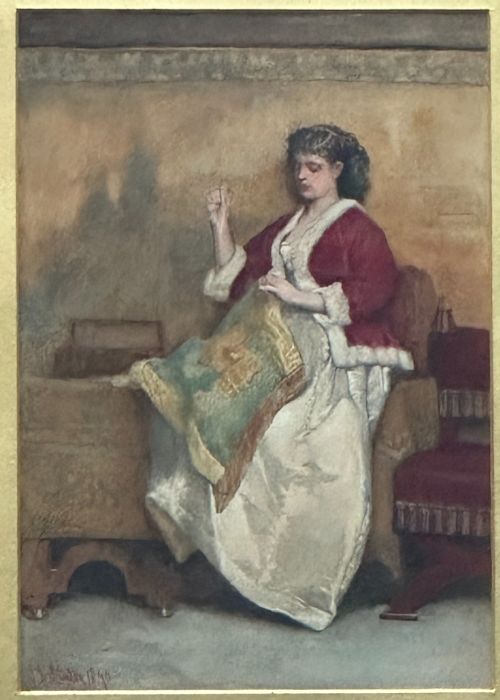
When you search for framed watercolour art, you encounter a diverse range of original works spanning from the eighteenth century through to the mid-twentieth century. The selection includes British landscapes, maritime views, portrait miniatures, and Chinese export pith paintings.
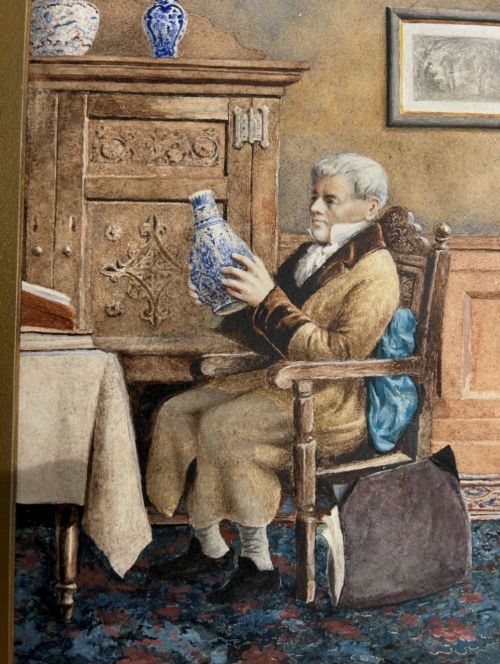
Nineteenth-century examples dominate the offerings, frequently featuring signed landscapes by named British artists alongside naive studies and classical scenes. These pieces are typically preserved in period wood or gilt wood frames protected by glass.
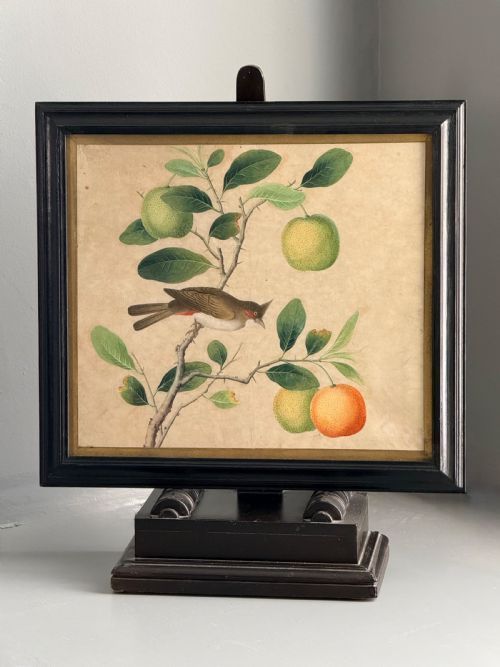
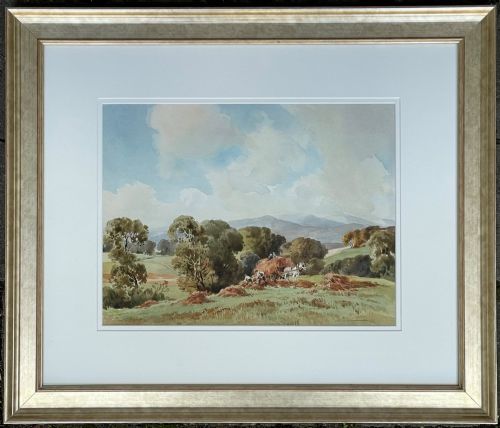
The category also embraces early twentieth-century impressionist watercolours, coastal scenes, and botanical still lifes. Buyers encounter both intimate portrait miniatures on paper and larger framed wall art depicting rural vistas.
Materials and technique
Artists painted primarily with water-soluble pigments on paper, occasionally utilising ink, gouache, or gold leaf to add detail and luminosity. Specific regional works also employ fragile pith paper derived from plant stems.
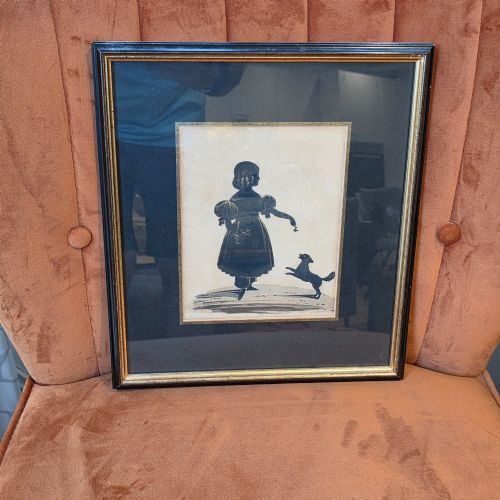
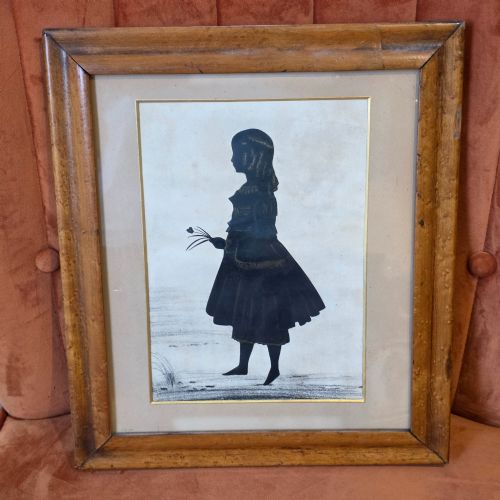
Many historical watercolours incorporate cut-paper silhouettes or meticulous pen work beneath the pigment. Finished paintings were secured behind glass within wooden frames, sometimes featuring elaborate gilt mouldings.
Framed Watercolour Art Retail Price Guide 2026
Typical asking prices for framed watercolour art among the pieces listed under this phrase on Sellingantiques today, from the lower quarter to the upper quarter. They describe what is for sale here now, not the wider market.
Among the historical offerings is a triumphant pigeon watercolour commemorating a Royal Messenger's Silver Jubilee win in nineteen thirty-five.
Evaluating quality
Quality rests heavily on the deftness of the brushwork and the artist's ability to capture light and atmosphere within a translucent medium. Stronger works display confident, expressive washes rather than hesitant or overworked applications of pigment.
The preservation of the paper and the vibrancy of the original colours distinguish superior examples from faded or heavily moisture-damaged sheets. Original period frames that complement the painting add significantly to the integrity of the piece.
William James Hubard·George Fotherly Hargitt·Thomas Miles Richardson Jnr·James Orrock·William Henry Earp·Sir James Dromgole Linton·Percy Lancaster·Henry Stacy Marks·James Smetham·John Hassall·Edward Bradford·A. Mitchell·A. Marie Parsons·John McDougal·Thomas John Horsley·EJ Letheren·Charles Shirreff·Robert Leslie Howey·Charles Edward Dixon·John E. Aitken·Eric Tufnell·William Banks Fortescue·Robert A. Nottingham·William Joseph Boyes·Tom Rowden
The Framed Watercolour Art Glossary
- Watercolour
- A painting method where the paints are made of pigments suspended in a water-based solution. It relies on the white of the paper to provide luminosity through translucent washes.
- Gouache
- An opaque watercolour paint consisting of pigment combined with a binding agent and white filler. It provides solid, flat areas of colour unlike transparent watercolour.
- Pith paper
- A delicate material prepared from the cellular spongy pith of the rice-paper tree. It was widely used in nineteenth-century Chinese export paintings.
- Portrait miniature
- A small, highly detailed painting executed on paper, vellum, or ivory. These intimate works were often housed in protective cases or small frames.
- Gilt wood
- Wood that has been decorated with a thin layer of gold leaf or powder. It is commonly found on traditional picture frames from the Regency and Victorian periods.
Framed Watercolour Art: Frequently Asked Questions
What is framed watercolour art?
Framed watercolour art comprises original works painted on paper using water-soluble pigments, preserved behind glass within protective wooden or gilt frames.
The medium encompasses diverse subjects ranging from nineteenth-century British landscapes and maritime scenes to portrait miniatures and Chinese export pith paintings.
How should I hang watercolour art?
Watercolours require careful placement away from direct sunlight to prevent the delicate pigments from fading over time. Maintaining stable indoor humidity levels also protects the paper and the structural integrity of the frame.
Grouping smaller works together, such as portrait miniatures or botanical studies, creates a balanced display on a wall without overwhelming the space.
How do I identify Victorian watercolours?
Victorian watercolours often feature detailed landscape views, narrative scenes, or portraits executed with precise brushwork and subtle tonal gradations. Signatures, dates, and framing styles from the period frequently provide additional clues to their age.
Examining the reverse of the frame or paper can sometimes reveal historical gallery labels, artist inscriptions, or stamps that confirm the era.
What are pith paintings?
Pith paintings are delicate historical works created on a porous material derived from plant stems, typically featuring vibrant figural or botanical subjects. They were frequently produced in China during the nineteenth century for export to Western buyers.
Because the material is exceptionally fragile, these paintings are almost invariably preserved behind glass to prevent crumbling and surface damage.