






Coastal Seascape Artwork
Coastal seascape artwork captures the pull of the shore through historic oils and watercolours.
Coastal Seascape Artwork
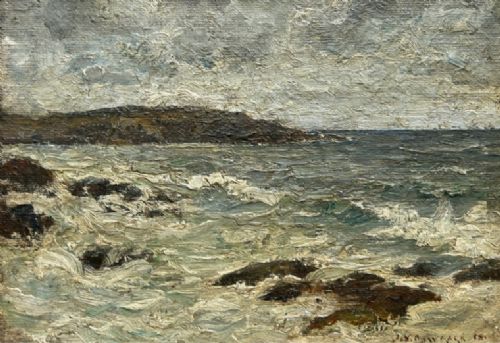
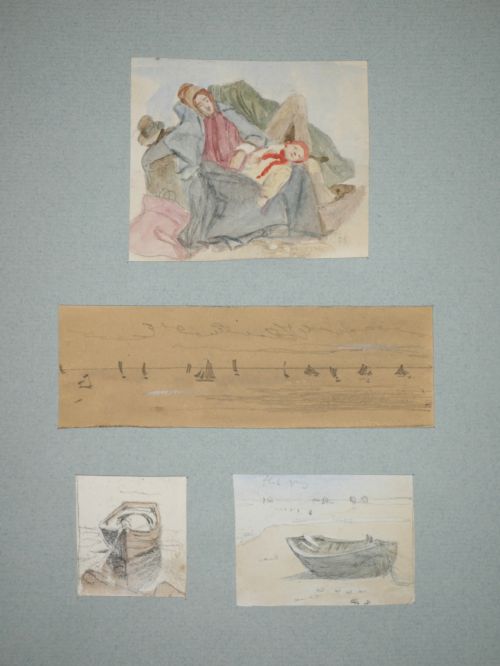
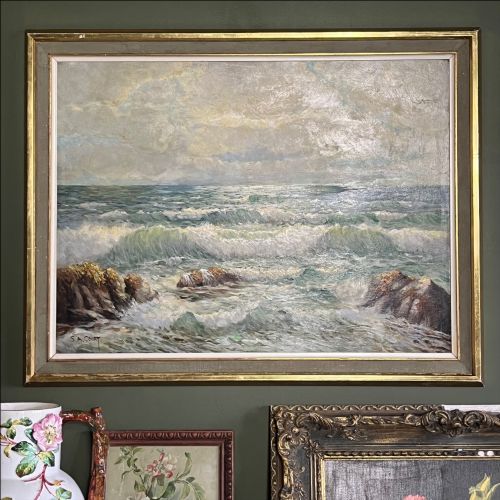
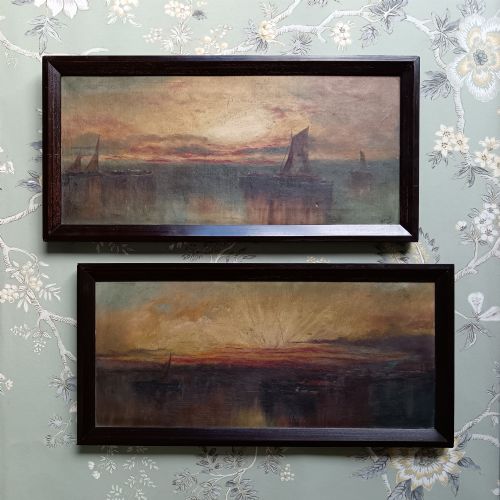
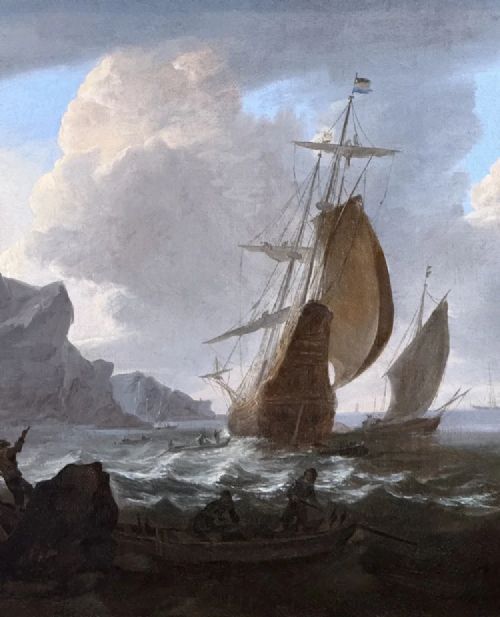
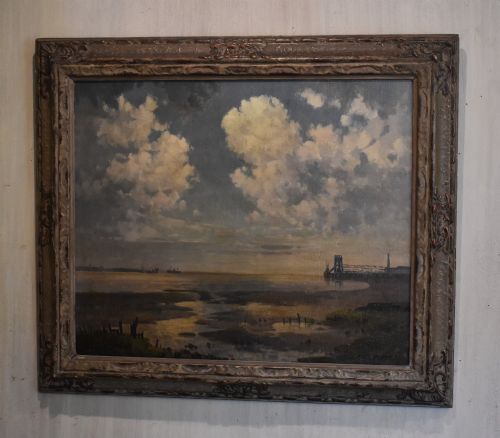
Coastal seascape artwork brings together maritime scenes, harbour views, and open water painted across the nineteenth and twentieth centuries. When searching this phrase, a buyer encounters oil paintings, watercolours, and works on paper framed in wood or gilt wood.
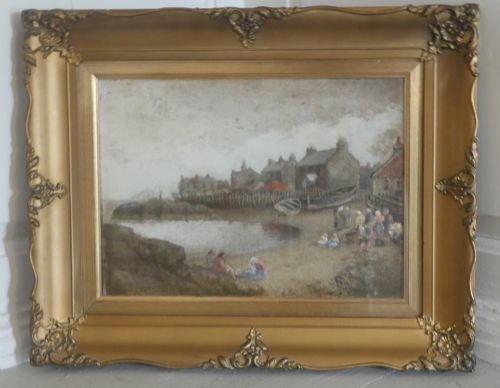
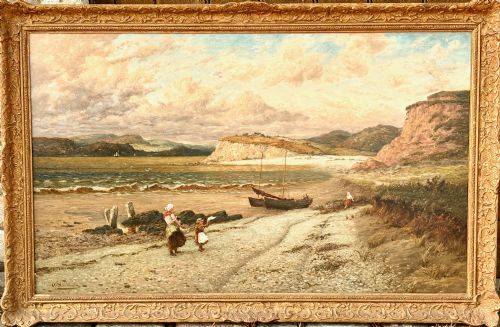
The pieces on this page lean heavily towards British and Victorian traditions, alongside mid-twentieth-century interpretations. Subjects range from rocky shores and fishing boats to bustling harbours in Cornwall, Whitby, and Dublin Bay.
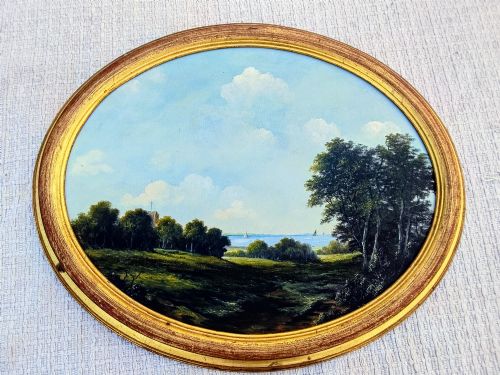
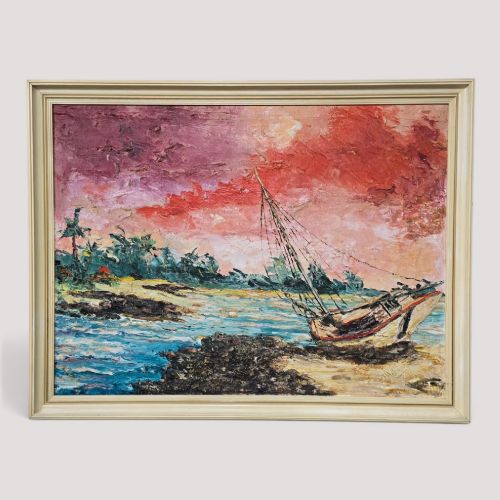
Most examples take the form of framed oil paintings on canvas or board, alongside delicate watercolours. These works reflect both topographical precision and the freer brushwork of British Impressionism and Post-Impressionism.
Materials and Technique
Painters of these coastal scenes worked primarily with oil paint or watercolour applied to canvas, wood panels, or heavy paper. Oil on canvas allowed for rich textures, while watercolours captured the bright, shifting light of the shoreline.
Many nineteenth-century and Victorian works rely on traditional studio methods, whereas later twentieth-century pieces often embrace en plein air execution. Surviving works are frequently housed in their original wood or gilt wood frames.
Coastal Seascape Artwork Retail Price Guide 2026
Typical asking prices for coastal seascape artwork among the pieces listed under this phrase on Sellingantiques today, from the lower quarter to the upper quarter. They describe what is for sale here now, not the wider market.
Several artists braved the salty gale-force winds of Europe just to ensure their floating wooden boats stayed properly anchored on canvas.
Assessing Quality in Marine Art
Quality in these coastal works rests on the artist's command of light, atmosphere, and the movement of water. Stronger pieces convey the weight of a gale or the subtle glow of sunset without relying on stiff formulas.
The handling of the medium distinguishes a skilled hand, whether through the confident impasto of an oil painting or the translucent washes of a watercolour. Provenance, a clear signature, and a well-preserved period frame further elevate a piece.
James Hardy·Kenneth Cozens·James Orrock·Clifford Hanney·Sidney A Court·B Nash·Edward Mills·William Banks Fortescue·Bonaventura Peeters·Clive Browne·Peter Brannan·Hector Caffieri·Bernard Benedict Hemy·Thomas Creswick·Lucy Pratt·James Fry·Ethel Sands·TB Hardy·Cecil Allan Mould·Charles Euphraisie Kuasseg·John Wilson Carmichael·Erich Mercker·John Moore of Ipswich·William Matthison·William Henry Williamson
The Coastal Seascape Artwork Glossary
- Impasto
- Paint applied thickly to a canvas or board, leaving visible brush marks that add physical texture and depth to the surface.
- En plein air
- The practice of painting outdoors directly from nature to capture transient qualities of light and weather.
- Gilt wood
- Wood covered with a thin layer of gold leaf or metallic gilt, commonly used for traditional picture frames.
- Watercolour
- A painting method in which the paints are made of pigments suspended in a water-based solution, typically worked on paper.
Coastal Seascape Artwork: Frequently Asked Questions
How do I date a coastal oil painting?
Dating relies on stylistic clues, the type of canvas or board, and the construction of the frame. Victorian and nineteenth-century works often feature tighter brushwork and heavier gilt frames, while twentieth-century pieces lean towards modernist abstraction.
Signatures, artist biographies, and inscriptions on the reverse provide further chronological markers. Comparing the clothing of figures on the shore or the types of vessels depicted helps narrow the decade.
What is the difference between watercolour and oil paintings here?
Watercolour works utilise water-soluble pigments on paper, offering a luminous and direct response to light. They are typically mounted behind glass to protect the delicate surface from moisture and handling.
Oil paintings use suspended pigments in drying oil on canvas or wood boards, yielding richer textures and deeper colours. Oils are sturdier and rarely require glass protection, though they benefit from stable indoor humidity.
Where were most of these British maritime scenes painted?
Many coastal works record specific fishing ports and harbours around the British Isles, including St Ives, Whitby, Morecambe Bay, and various stretches of the Cornish coast. Artists often returned to active maritime hubs to sketch local vessels and daily harbour life.
Other pieces capture continental scenes or open seas, reflecting the widespread nineteenth-century fascination with travel and trade across European waters.
How should I care for an antique marine oil painting?
Keep oil paintings out of direct sunlight to prevent the pigments and varnishes from fading or yellowing over time. Maintain a stable room temperature away from radiators and damp walls to protect the wooden stretcher bars and canvas.
Dust the surface very gently with a dry, soft brush and avoid using water or chemical cleaners on the paint. If the canvas sags or the surface accumulates grime, consult a professional picture restorer.