





Paper Marine Art
Paper marine art captures historic maritime scenes through delicate watercolours and ink on paper, offering collectors a direct window into seafaring heritage.
What paper marine art includes
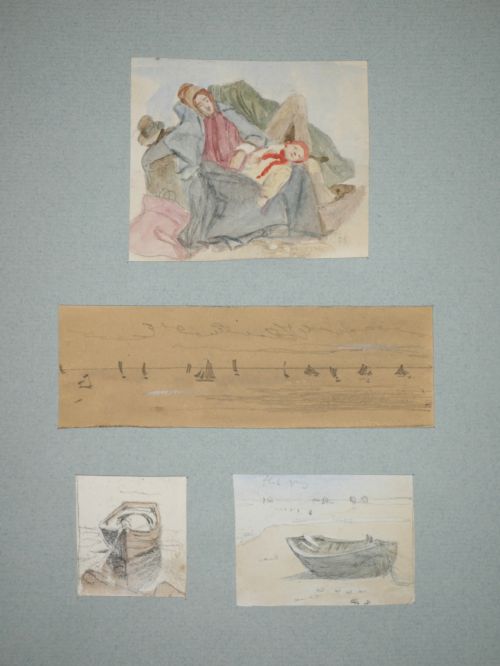
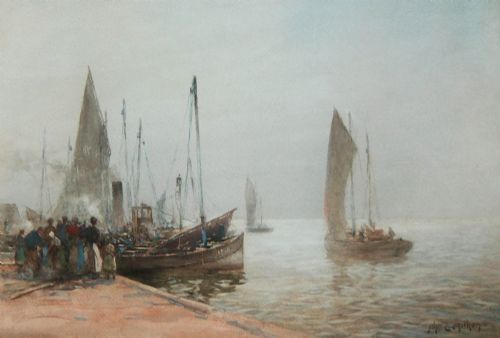
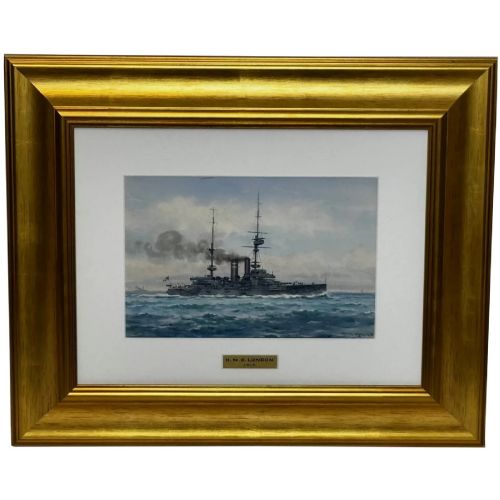
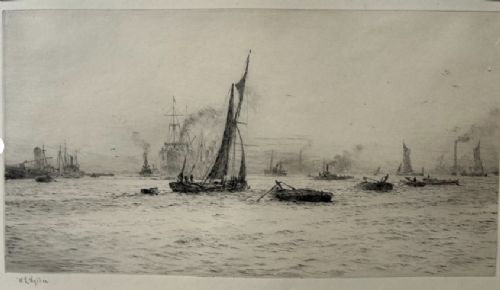
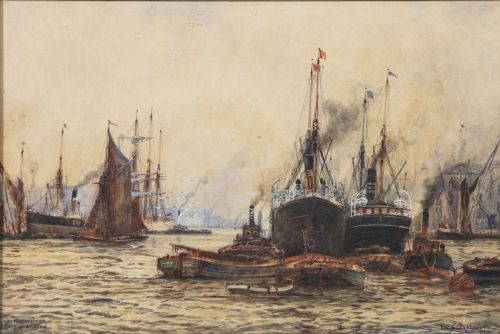
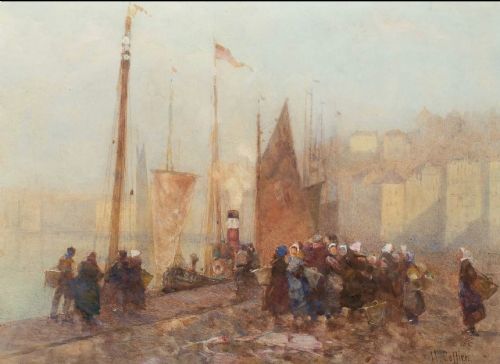
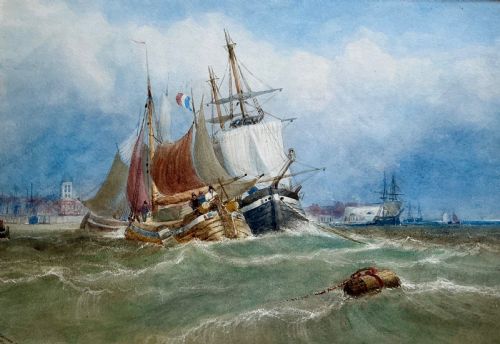
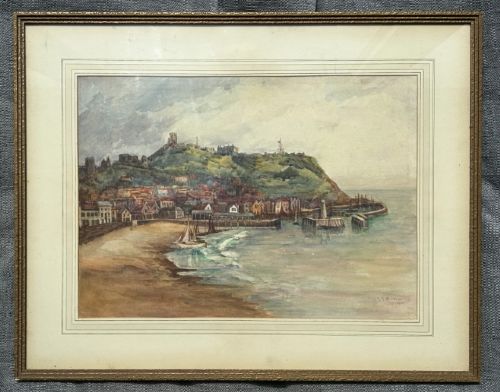
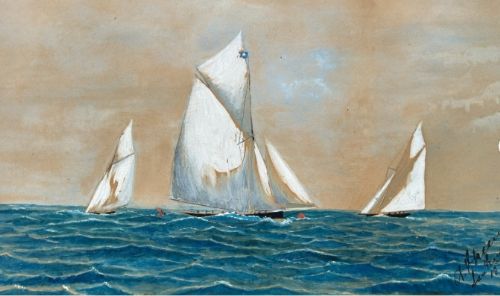
Paper marine art comprises watercolours, ink sketches and paintings depicting maritime scenes, coastal ports and sailing craft across various historical periods. These works capture ships at sea, busy docksides and harbour views through traditional painting methods.
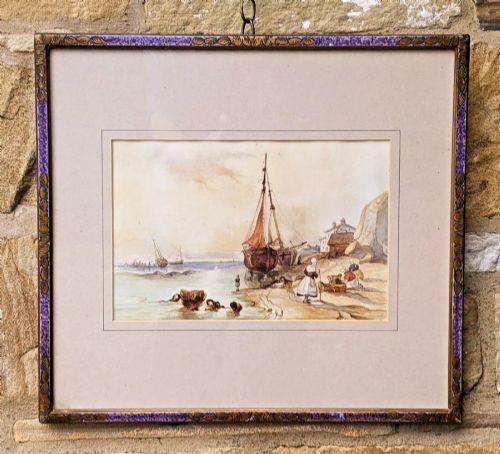
The pieces available originate from the nineteenth and twentieth centuries, spanning Victorian, Edwardian and Georgian eras. Collectors encounter framed watercolours rendered on paper support, often preserved behind glass within wooden frames.
Common subjects include fishing boats, large sailing vessels, harbour entrances and bustling river ports like the Port of London or Venice. Each piece reflects the maritime focus of its respective period, from Victorian marine art to early twentieth-century interpretations.
How these works were created
Artists utilised watercolour pigment and ink applied directly onto paper supports to build up coastal and marine compositions. The fluid nature of watercolour allowed painters to capture the movement of choppy water and the atmosphere of atmospheric ports.
Completed paintings were typically mounted and set beneath protective glass to prevent moisture and light damage to the delicate paper. Original framing often incorporated wood moulded to suit the maritime aesthetic of the Victorian and Edwardian periods.
Retail Price Guide 2026
Typical UK retail prices for paper marine art, calculated from the Sellingantiques database of over a million retail prices indexed since 2003. This retail price guide relies exclusively on Sellingantiques data; no external sources or auction records are used, so the figures do not describe the wider market.
Several artists clearly spent hours squinting at choppy water just to paint the exact tilt of a fleeing fishing boat.
What separates the finest examples
Quality in these watercolours rests on the artist's handling of light, atmosphere and maritime detail, particularly in rendering rigging, hulls and turbulent water. Works by documented practitioners command greater attention through their confident brushwork and accurate depiction of nautical architecture.
Condition and preservation also distinguish the range, as paper and watercolour pigments remain sensitive to light exposure and dampness over time. Intact original framing, clear provenance and strong, unfaded pigments elevate a piece above standard examples.
Frank William Scarbrough·Henry Barlow Carter·William Frederick Settle·Samuel Owen·Rowland Henry Hill·Frank Wasley·Edward Aubrey Hunt
The Paper Marine Art Glossary
- Watercolour
- A painting method where the pigments are suspended in a water-based solution, traditionally applied to paper. This medium allows for transparent washes that render atmospheric skies and water effectively.
- Gouache
- An opaque water-based medium sometimes used alongside watercolour to add highlights and solid colour to maritime details. It provides greater opacity than standard watercolour pigment.
- Provenance
- The documented history of ownership surrounding a work of art, establishing its authenticity and previous collections. Clear records help verify the origin of nineteenth-century marine watercolours.
- Impressionism
- An art style focused on capturing the visual impression of a moment, paying attention to shifting light and colour. Certain marine works adopt these looser painterly qualities.
Frequently Asked Questions
How should I frame paper marine art?
These works require framing behind protective glass with acid-free mounts to prevent the paper from touching the glass directly. Keeping them away from direct sunlight protects the watercolours from fading.
Traditional wood frames often complement the period aesthetic of nineteenth and early twentieth-century maritime paintings.
What periods do these paintings cover?
The pieces span from the Georgian era through the Victorian and Edwardian periods up to the early twentieth century. Each era brings distinct stylistic approaches to maritime subjects.
Victorian and Edwardian maritime watercolours form the core of the available selection.
Are these works original paintings?
The collection consists of original watercolours and ink paintings created by period artists rather than modern reproductions. Each piece is a unique hand-painted work on paper.
Signatures and attributions help link individual sheets to known painters of the nineteenth and twentieth centuries.
What subjects appear in maritime watercolours?
Common subjects include sailing craft on choppy water, fishing boats off the coast, and busy dockyards or ports. Scenes often feature specific locations such as Portsmouth harbour or Venice.
Artists focused heavily on recording the character of working ships and coastal architecture.