



Antique Marine Art
These antique marine art pieces capture centuries of maritime history on canvas and paper, bringing coastal vessels and stormy seas directly into your home.
Antique Marine Art
Antique marine art encompasses paintings, watercolours, drawings and etchings depicting ships, coastal views, harbours and naval engagements.
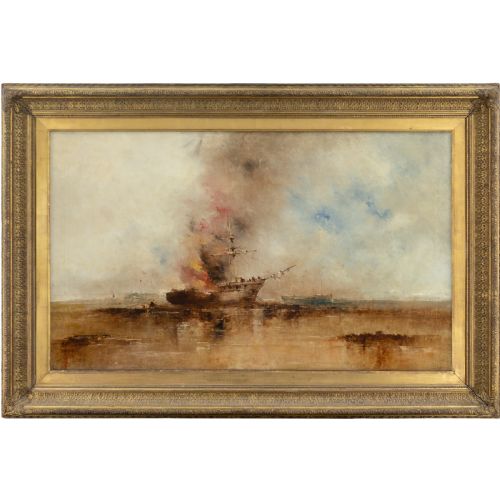
The works span the nineteenth and early twentieth centuries, capturing everything from traditional British fishing boats to dramatic wartime shipwrecks.
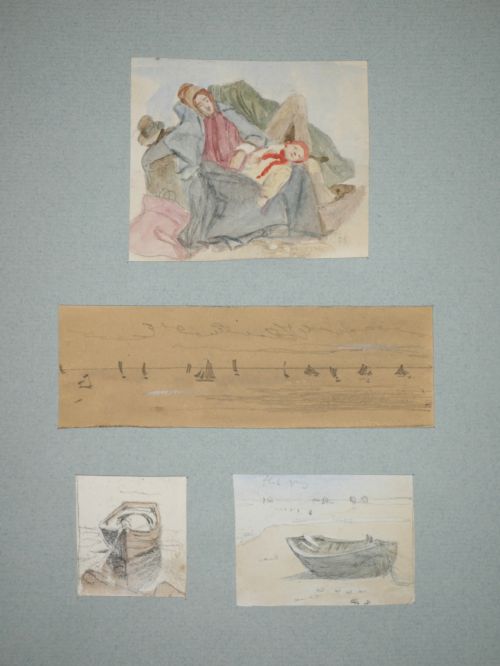
Watercolours on paper and oil paintings on canvas or board dominate the selection, created by both named artists and skilled regional practitioners.
How they were made
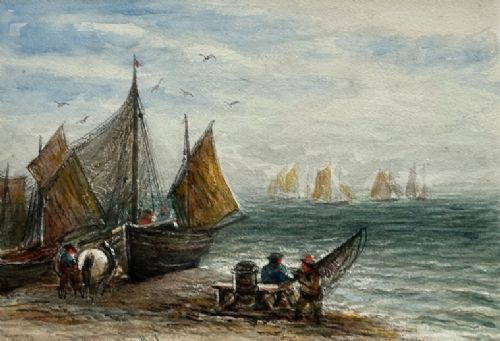
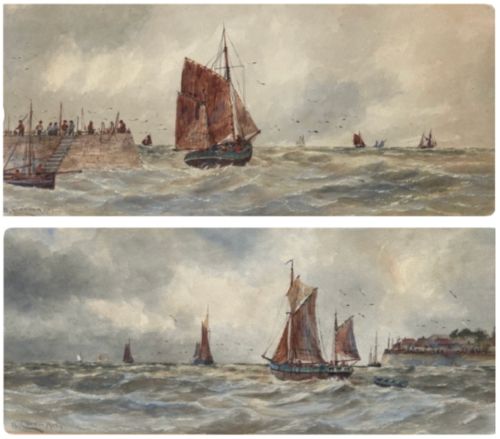
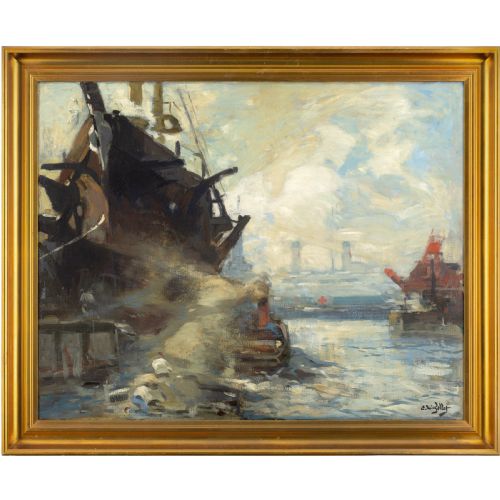
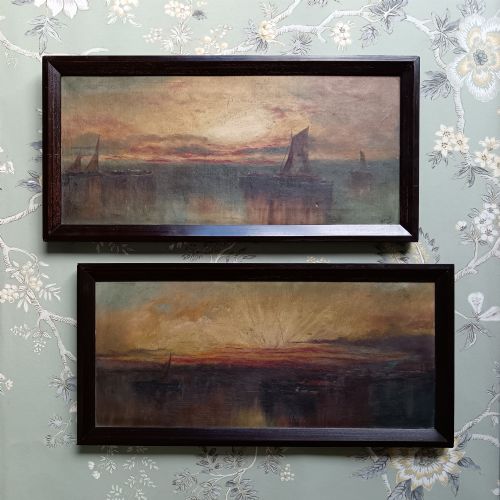
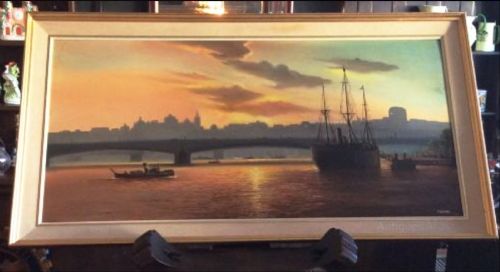
Artists worked primarily with oil paint on canvas or board, and watercolours or gouache on paper, applying pigments with brushes to capture movement and light.
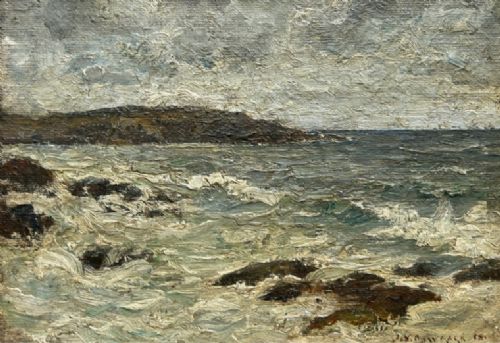
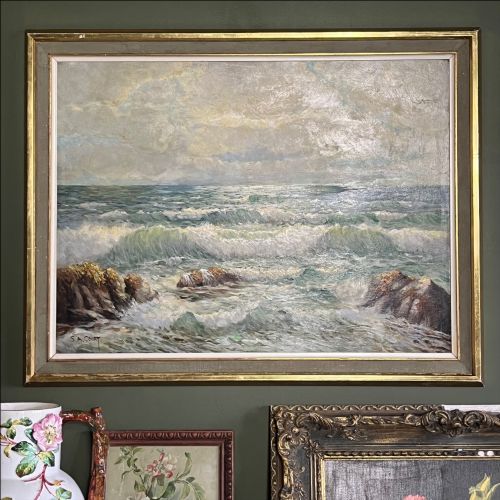
Many works incorporate layered impasto techniques to render choppy water and storm clouds with physical texture.
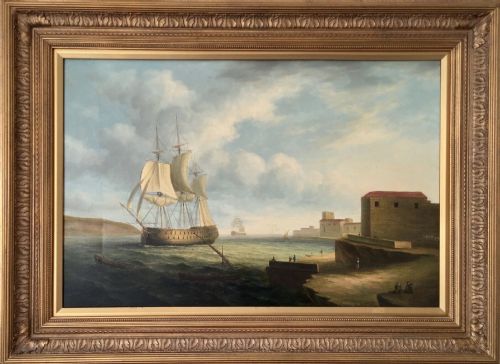
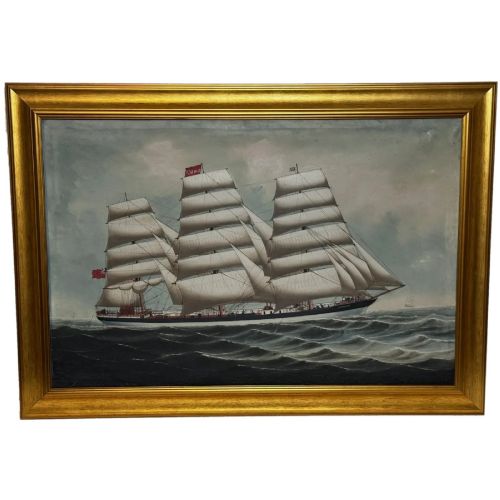
Completed paintings were frequently housed in period gilt frames that complement the maritime subject matter.
Antique Marine Art Retail Price Guide 2026
Typical asking prices for marine art among the pieces listed under this phrase on Sellingantiques today, from the lower quarter to the upper quarter. They describe what is for sale here now, not the wider market.
Listings feature works from the seventeenth century through to the mid-twentieth century, predominantly executed in oil on canvas and watercolour on paper.
What varies in quality
The standard of execution in maritime works depends on the artist's command of atmospheric light, rigging detail and water movement.
Provenance and artist attribution elevate certain pieces, distinguishing signed works by known historical painters from anonymous school pieces.
James Orrock·William Cannon·Eugène-Louis Gillot·William McAlpine·Reginald Arthur Borstel·Charles Edward Dixon·William Banks Fortescue·John Rose Miles·Frank Watson Wood·William Broome·Bernard Gribble·William Lionel Wyllie·Bonaventura Peeters·Frank William Scarbrough·Francis Moltino·Hector Caffieri·Bernard Benedict Hemy·Thomas Creswick·Willem Bos·John Wilson Carmichael
The Antique Marine Art Glossary
- Seascape
- A painting or work of art that depicts the sea, coastal views, or marine scenes. These form the core subject matter of the category.
- Impasto
- Paint applied thickly to a canvas, standing out from the surface to create a textured, three-dimensional effect. Artists used this technique to portray rough waves and turbulent skies.
- Gouache
- An opaque water-based paint that provides solid, flat areas of colour with a matte finish. It often appears combined with watercolour in works on paper.
- Etching
- A printmaking process where lines are incised into a metal plate with acid before being inked and pressed onto paper. This technique produced detailed prints of ships and rivers.
- Provenance
- The documented history of ownership and origin for a work of art. A clear provenance helps establish authenticity and historical context.
Antique Marine Art: Frequently Asked Questions
How do I care for antique marine watercolours?
Works on paper require protection from direct sunlight to prevent fading of the pigments. Keep them in rooms with stable humidity and away from damp exterior walls.
Ensure framing uses acid-free mounts and conservation glass to shield the paper from environmental degradation over time.
Where should I hang a large seascape oil painting?
Large oils need substantial wall space and good ambient lighting to reveal the fine details of rigging and wave action. Hang them at eye level in principal rooms where the composition can be appreciated from a distance.
Avoid placing canvas works near heat sources such as radiators, which can cause the paint and wooden stretchers to warp.
How can I distinguish a Victorian marine painting from an Edwardian one?
Victorian maritime art often focuses on dramatic shipwrecks, naval battles, and traditional sailing vessels rendered with deep, moody palettes. Edwardian and early twentieth-century works frequently show the transition towards steamships and brighter coastal impressions.
Examine the signatures, framing styles, and stretcher construction, as these often align with the period of production.
What is the difference between a watercolour and an oil painting in this genre?
Watercolours are executed on paper, offering a translucent quality that captures subtle shifts in coastal light and weather. They are typically mounted behind glass for protection.
Oil paintings utilise heavier pigments on canvas or board, allowing for textured impasto brushwork that brings physical depth to stormy seas and clouds.