

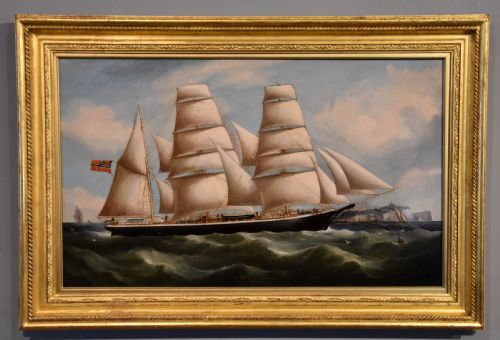
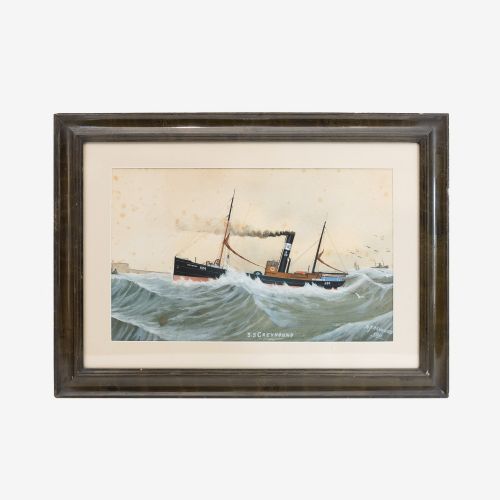


Antique Ship Portrait
These antique ship portrait pieces capture specific vessels and dramatic maritime scenes across the nineteenth and twentieth centuries.
Identifying antique ship portrait works
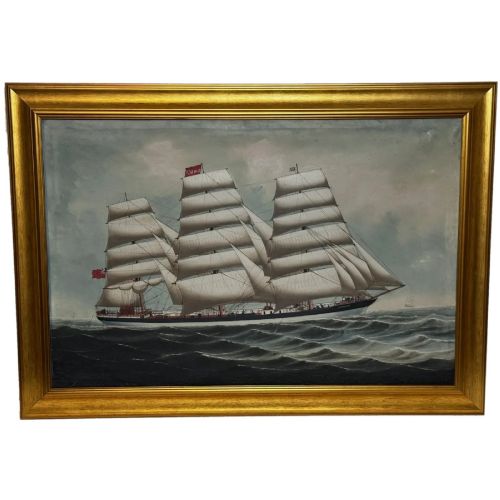
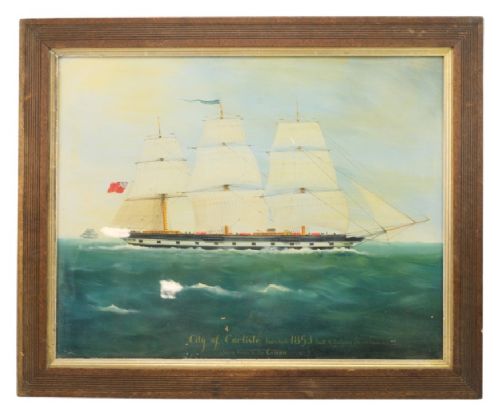
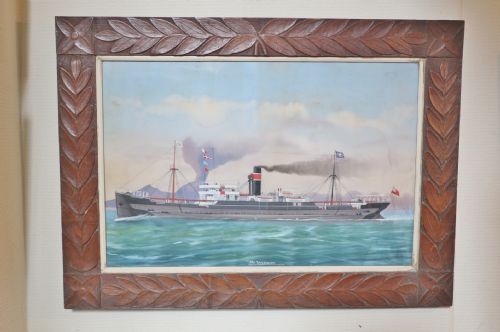
When you search for antique ship portrait items, you encounter framed paintings and works on paper recording named vessels, historic fleets, and dramatic seascapes. The examples on this page span the nineteenth century, the Victorian era, and the early twentieth century.
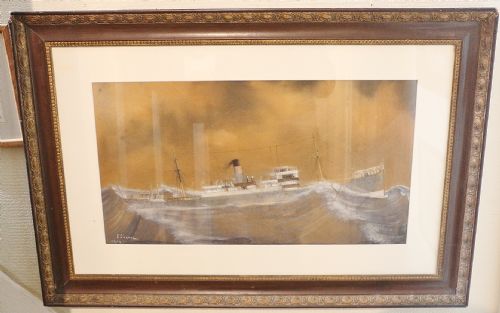
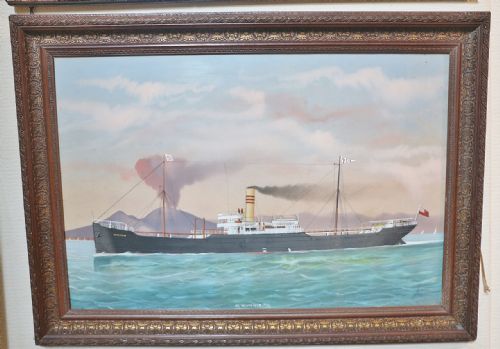
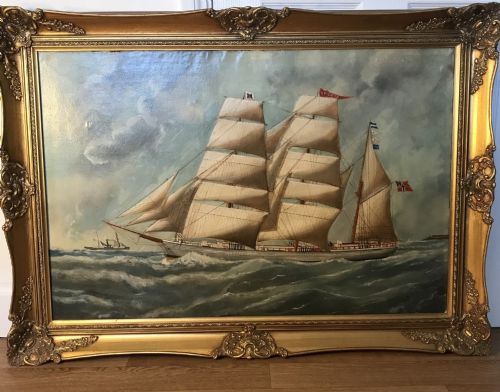
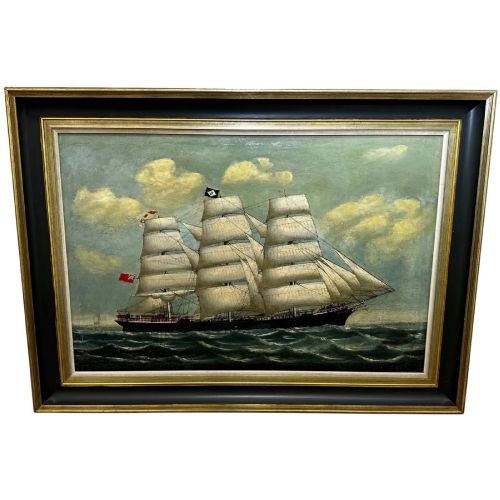
Most pieces you meet here take the form of wall art, including oil paintings on board or panel, gouache works, charcoal drawings, and watercolours. Subjects range from naval schooners and steamships to China Trade junks and galleons anchored off foreign harbours.
Materials and construction
Artists painted and drew these maritime subjects using oil, gouache, charcoal, and watercolour applied to paper, board, and wooden panels. Surviving pieces frequently retain their period frames constructed from wood, oak, and gilt wood, often protecting the artwork behind glass.
Retail Price Guide 2026
Typical UK retail prices for ship portrait, calculated from the Sellingantiques database of over a million retail prices indexed since 2003. This retail price guide relies exclusively on Sellingantiques data; no external sources or auction records are used, so the figures do not describe the wider market.
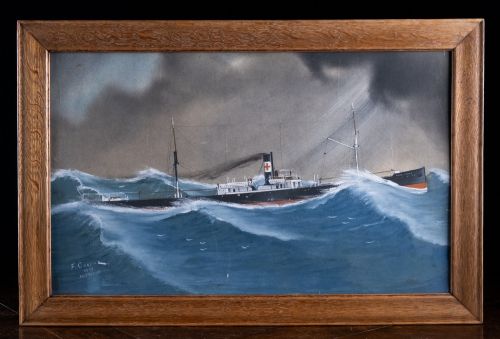
At least one nineteenth-century artist carefully recorded a named steamship battling a blue cross storm.
Judging quality in maritime art
Quality rests in the precision of the vessel's rigging, the handling of turbulent water, and the historical specificity of the named ship. Works attributed to documented artists or specific regional schools, such as China Trade production or Mediterranean port painters, carry greater documentary weight.
The choice of materials and framing also separates standard decorative items from superior examples. Period frames in original oak or gilt wood complement the visual impact of the painting.
F. Corpuz·Vincenzo D’Esposito·Henry Loos
The Antique Ship Portrait Glossary
- Gouache
- An opaque water-based pigment that dries to a matte finish, frequently utilised for crisp detail in maritime works. It provides strong, flat areas of colour well suited to depicting hulls and sails.
- Gilt wood
- Carved timber finished with a thin layer of gold leaf or metallic gilt, commonly seen on nineteenth-century frames. This finish adds a reflective border that highlights the dark tones of the painting.
- China Trade
- A term for art produced in East Asia primarily for Western merchants and sea captains during the nineteenth and early twentieth centuries. These works often depict local harbours, junks, and foreign vessels.
- Panel
- A rigid wooden support used by artists instead of stretched canvas. Panels offer a stable surface for detailed brushwork in oil or gouache.
Frequently Asked Questions
What is a ship portrait?
A ship portrait is a work of art created to document a specific vessel rather than a general seascape. These pieces were often commissioned by captains, shipowners, or crew members.
They serve as historical records of naval architecture and maritime trade routes across the nineteenth and twentieth centuries.
How do I display these paintings?
These framed works suit studies, libraries, and traditional living spaces where wall art can be hung away from direct sunlight. Ensuring stable indoor humidity protects both the paper or board and the original wooden frames.
Most pieces arrive ready to hang with existing period framing secured.
How are periods identified?
Periods are determined through a combination of painting style, framing materials, and the technical details of the vessels depicted. Signatures, dates, and inscriptions naming specific ships or ports provide further chronological context.
Stylistic shifts separate Victorian academic marine art from early twentieth-century modern approaches.
What subjects appear most often?
Subjects include named naval schooners, steamships, junks, and galleons engaged in coastal trade or dramatic storms. Many works record specific locations such as Hong Kong or Malta.
Scenes range from calm harbour portraits to turbulent shipwreck narratives.