
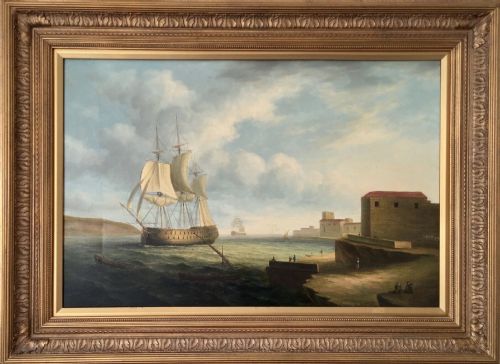


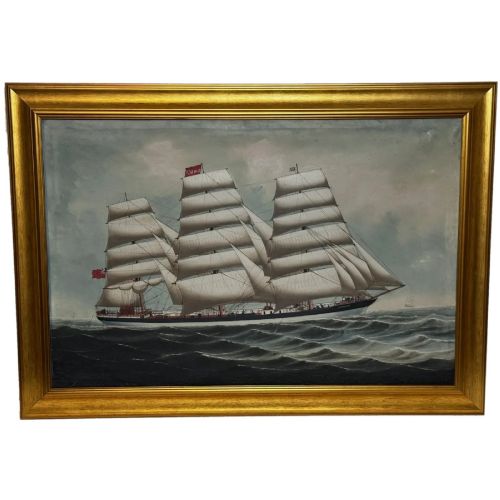
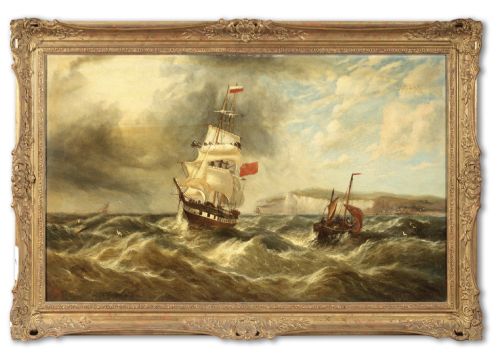
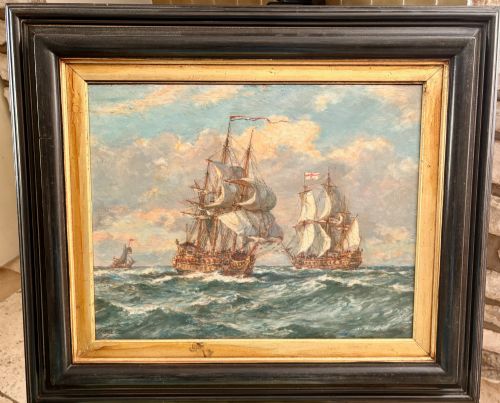


Sailing Vessel Artwork
Sailing vessel artwork captures the drama of historical shipping and maritime life through paintings, watercolours, and dioramas.
Sailing Vessel Artwork
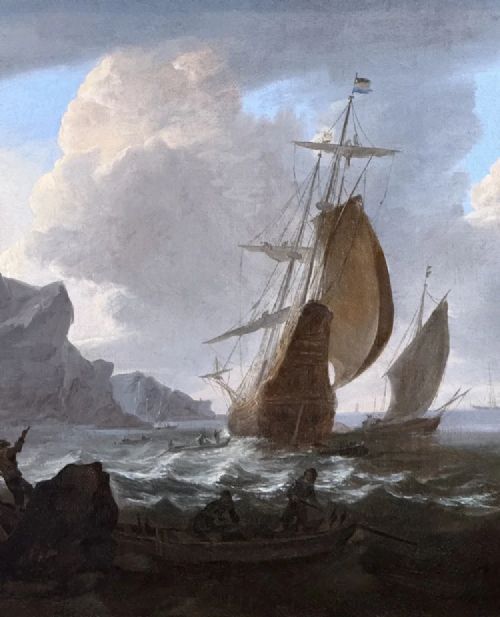
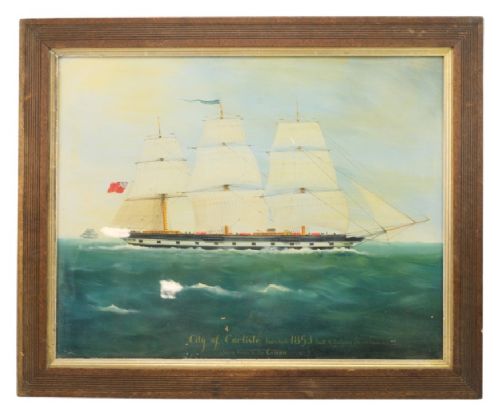
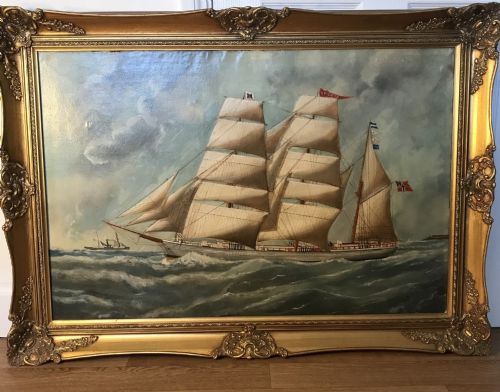
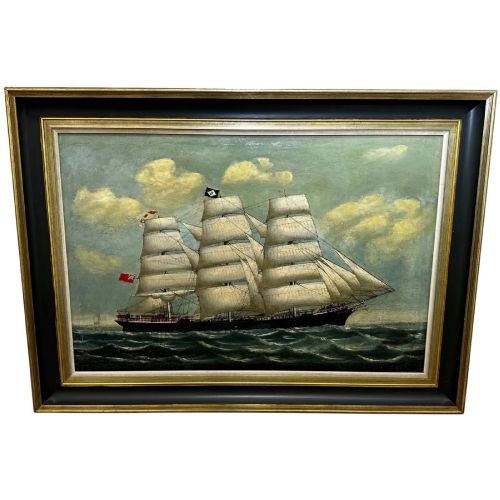
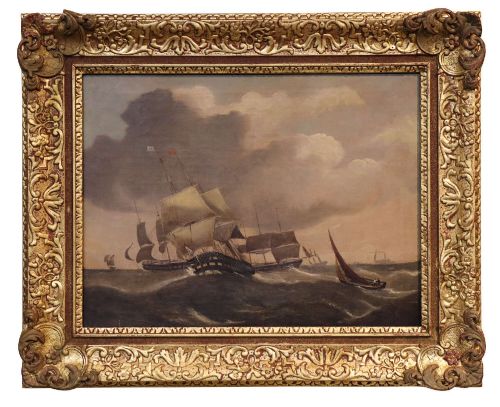
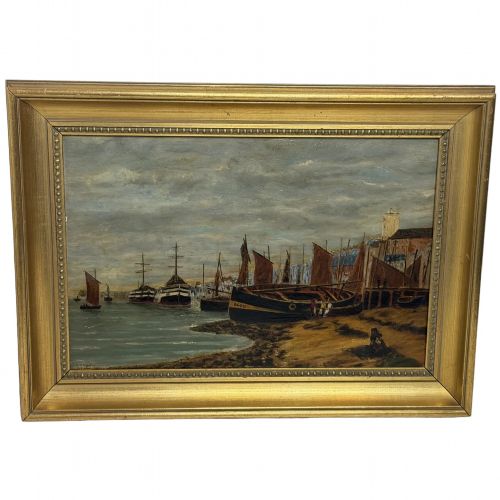
When you search for sailing vessel artwork, you encounter depictions of historical ships, coastal scenes, and open sea battles. The pieces range from intimate watercolours to large oil paintings on canvas and panel, spanning periods from the eighteenth century to the mid-twentieth century.
You are most likely to meet nineteenth-century works on this page, including Victorian marine paintings and depictions of clipper ships, barques, and merchant vessels. These visual records document naval history, named ships, and harbour scenes executed by British and European artists.
How They Were Made
Makers applied oil paint or watercolour onto prepared canvas, wood panels, paper, or board to capture the movement of water and light on canvas. Many works utilise traditional framing in wood and giltwood, while select examples incorporate three-dimensional elements in maritime dioramas.
Artists often worked from direct observation of coastal harbours or historical accounts to render rigging, hull construction, and atmospheric sea conditions with technical precision.
Sailing Vessel Artwork Retail Price Guide 2026
Typical asking prices for sailing vessel artwork among the pieces listed under this phrase on Sellingantiques today, from the lower quarter to the upper quarter. They describe what is for sale here now, not the wider market.
Listings feature works in oil paint and watercolour on canvas, paper, and wood panel from the Victorian and Edwardian eras.
What Varies in Quality
The distinction between standard works and exceptional pieces lies in the fidelity of maritime detail and the handling of atmospheric conditions like gales, choppy waters, or calm harbours. Superior examples demonstrate a precise understanding of vessel architecture, such as rigging and three-masted configurations, combined with expressive brushwork.
Condition and preservation also differentiate the range, as fully restored oils and well-preserved watercolours retain their original pigment depth and structural integrity across canvas and paper supports.
Reginald Arthur Borstel·Bernard Gribble·Bonaventura Peeters·Lai Fong·Charles William Adderton·William Frederick Settle·Daniel Sherrin·George Shaw·Dion Pears·Samuel Owen·Marie Edouard Adam·Ebeneezer Colls·Gustave de Breanski·Frank Wood·Joseph Heard·Paul Jean Clays·Fred Mayor·William Boyce
The Sailing Vessel Artwork Glossary
- Maritime diorama
- A three-dimensional model depiction of a ship within a framed coastal or sea setting. This form combines model-making and painting techniques.
- Barque
- A sailing vessel with three or more masts having the fore and mainmasts square-rigged and the mizzenmast fore-and-aft rigged. These commercial ships frequently appear in nineteenth-century marine art.
- Giltwood
- Wood carved and treated with gold leaf or a gold-coloured finish used extensively for antique picture frames. It provides a traditional decorative border for maritime oil paintings.
- Clipper
- A very fast nineteenth-century merchant sailing ship with three masts and a square rig. Artists frequently portrayed named clippers in competitive or stormy ocean transits.
- Seascape
- A painting, watercolour, or other artwork depicting the sea and ships. This genre forms the core of marine artistic production.
Sailing Vessel Artwork: Frequently Asked Questions
What periods do these artworks cover?
The listings encompass works from the eighteenth century through to the mid-twentieth century, with a strong concentration of nineteenth-century Victorian and Edwardian pieces.
Artists from these periods recorded named vessels, naval engagements, and harbour scenes using traditional oil and watercolour techniques.
How were these maritime scenes painted?
Makers employed oil paint on canvas, board, and wood panel, alongside watercolour on paper, to capture changing weather and sea states.
Some maritime works also utilise mixed media to construct detailed dioramas of historical ships in three dimensions.
Where do the depicted ships come from?
The artworks portray British merchant ships, Norwegian barques, Dutch boats, and international vessels operating in locations from local harbours like North Shields to international waters.
Named ships such as the Cutty Sark and historical war vessels appear alongside scenes from the Crimea and Trafalgar.
How should I display maritime art?
These framed paintings and watercolours suit traditional study spaces, living rooms, and offices where their historical subject matter can be viewed closely.
Protect them from direct sunlight and excessive moisture to preserve the canvas, paper, and giltwood frames.