



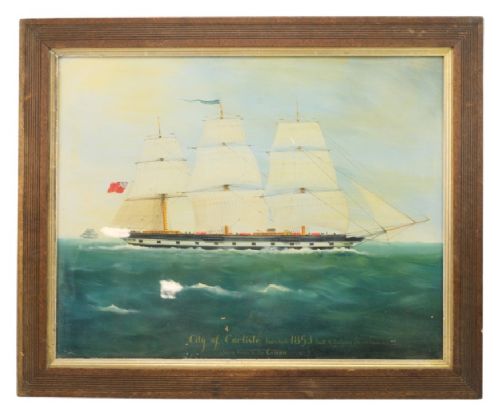
Vintage Nautical Oil Painting
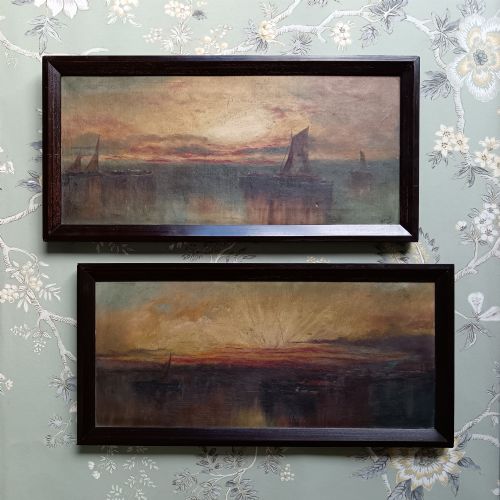
When you choose a vintage nautical oil painting, you acquire a framed maritime record spanning the nineteenth and twentieth centuries.
Vintage Nautical Oil Painting
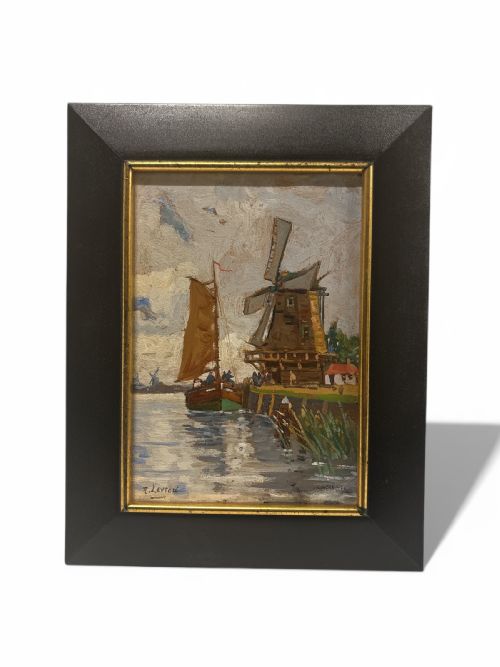
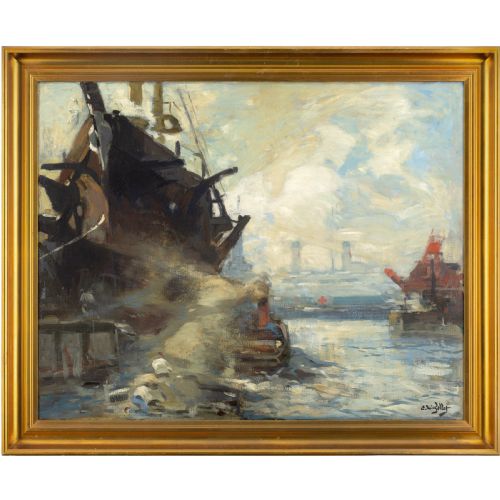
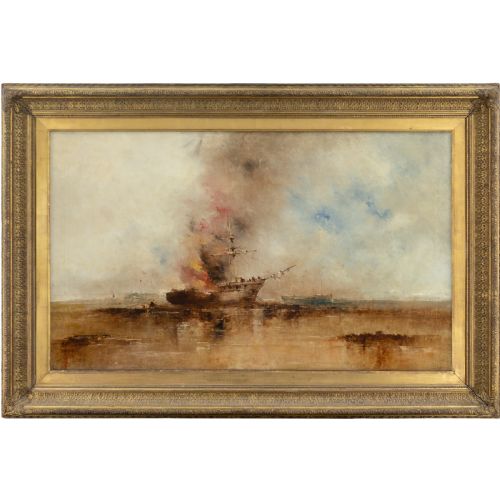
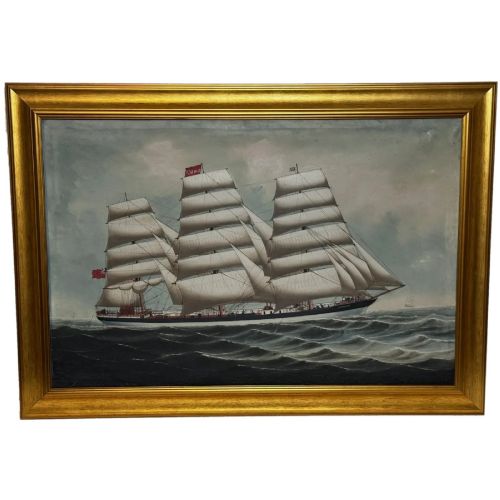
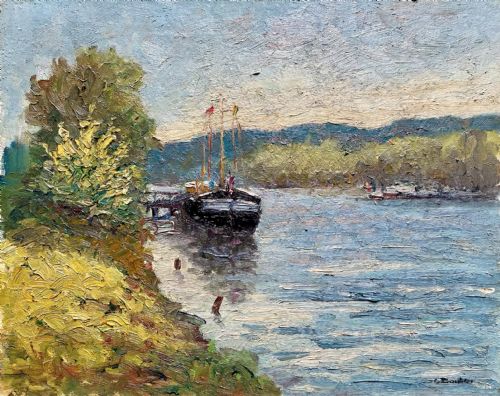
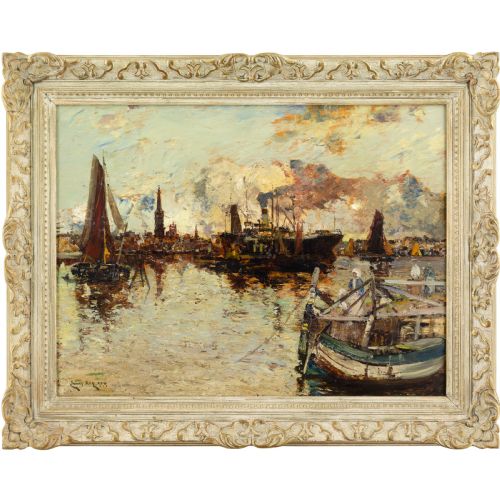
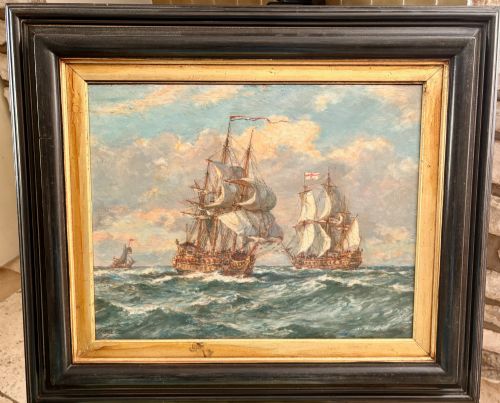
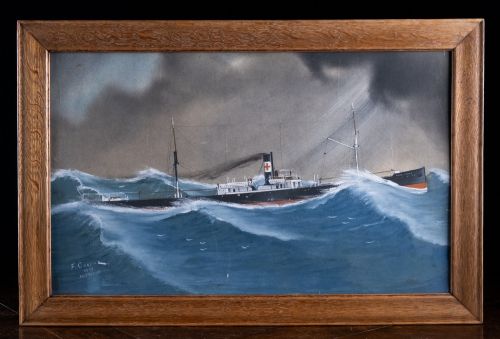
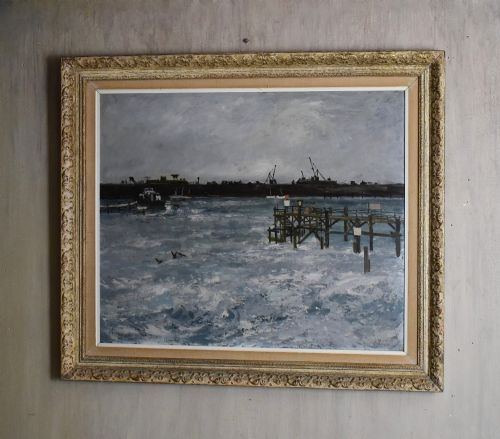
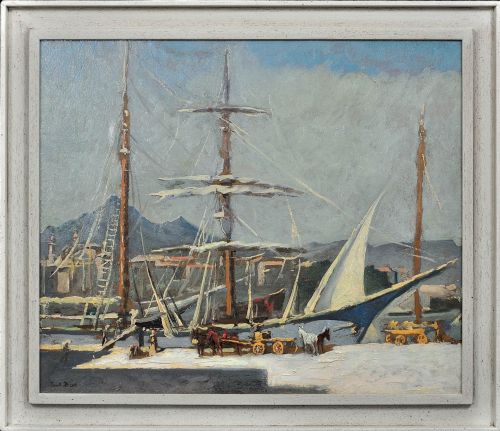
A vintage nautical oil painting captures marine life, coastal landscapes, and historical vessels across centuries of change. These artworks depict specific scenes such as barges on rivers, tall ships in heavy seas, and busy harbour terminals.
The selections available range from early Victorian marine canvases to mid-century post-impressionist interpretations. Buyers encounter works rendered by named artists alongside pieces attributed to distinct regional schools.
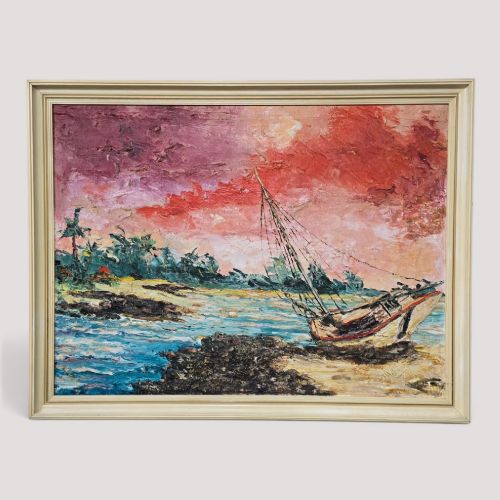
Subjects stretch from peaceful coastal views to dramatic wartime depictions and industrial steamships. Each canvas preserves a particular moment in maritime history through oil paint and pigment.
Materials and technique
Artists painted primarily with oil paint on stretched canvas or rigid board surfaces. Many works incorporate heavy impasto techniques to build texture in water and sky.
Surviving pieces frequently retain their original gilt and gilt wood frames. The combination of oil pigments and wooden supports provides the foundation for these enduring artworks.
Vintage Nautical Oil Painting Retail Price Guide 2026
Typical asking prices for vintage nautical oil painting among the pieces listed under this phrase on Sellingantiques today, from the lower quarter to the upper quarter. They describe what is for sale here now, not the wider market.
Listings include works executed on both oil on canvas and rigid board supports.
Assessing the standard
Quality rests upon the artist's handling of light, atmosphere, and maritime detail. Skill is evident in the realistic depiction of rigging, hull construction, and turbulent water.
The condition of the paint layer and the integrity of the canvas or board influence the overall integrity of the piece. Original period framing also contributes to the completeness of the work.
Kenneth Cozens·R Leyton·Eugène-Louis Gillot·William McAlpine·Reginald Arthur Borstel·B. Nash·James Kay·Bernard Gribble·F. Corpuz·Peter Brannan·Paul Bret·Cyril Walduck Edwards·Willem Bos·Lai Fong·Nicholas Condy·William Henry Williamson·Abraham Hulk I·Elisabeth Bardon·Charles Napier Hemy·Adrian Van Porten·Edward Henry Eugene Fletcher·Paul Henry Lafon
The Vintage Nautical Oil Painting Glossary
- Oil on Canvas
- A traditional painting medium where oil pigments are applied to woven fabric stretched over a wooden frame. This combination allows for rich blending and depth.
- Board
- A rigid flat substrate used instead of canvas for painting. Artists frequently utilised wooden or card panels for smaller maritime works.
- Impasto
- A technique where paint is laid onto a surface in very thick layers. This method leaves visible brush or palette knife marks that catch the light.
- Gilt Wood
- Timber framing coated with a thin layer of gold leaf or metallic gilt. These frames often accompany nineteenth and early twentieth century paintings.
- Pierhead Painting
- A specific genre of ship portraiture created to record merchant vessels, often commissioned by sea captains. These works focus on accurate depictions of named ships.
Vintage Nautical Oil Painting: Frequently Asked Questions
What periods do these paintings cover?
The works span from the nineteenth century through the Edwardian era and into the mid-twentieth century. This timeline includes Victorian maritime pieces and later post-impressionist interpretations.
Each period reflects distinct artistic movements and changing maritime technology, from wooden sailing barques to twentieth-century steamships.
How do I identify the ship in a painting?
Many marine paintings feature specific vessels named in titles or inscribed on the canvas. Merchant ships, naval vessels, and local barges often display identifying flags or hull lettering.
Researching the registration details or historical context of the ship provides further background on the subject depicted.
Are these paintings supplied with frames?
A large proportion of these artworks remain housed in their original gilt or gilt wood frames. These surrounds complement the age and style of the central canvas.
Frame designs vary from ornate nineteenth-century moulding to simpler profiles found on later twentieth-century works.
Where were these maritime scenes painted?
Artists recorded coastal views, busy harbours, and open seas across Britain, Europe, and international waters. Locations range from Cornish coastal cliffs to foreign ports in Italy and France.
Many painters travelled extensively to capture authentic harbour life and changing weather conditions at sea.