




Traditional Maritime Wall Art
Traditional maritime wall art captures centuries of coastal heritage, bringing historic seascapes and naval vessels directly into your home.
What traditional maritime wall art comprises
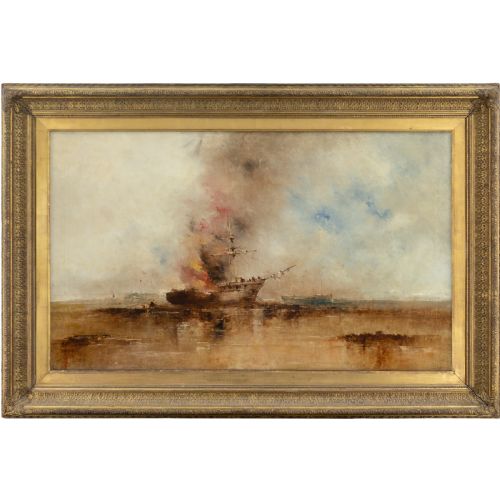
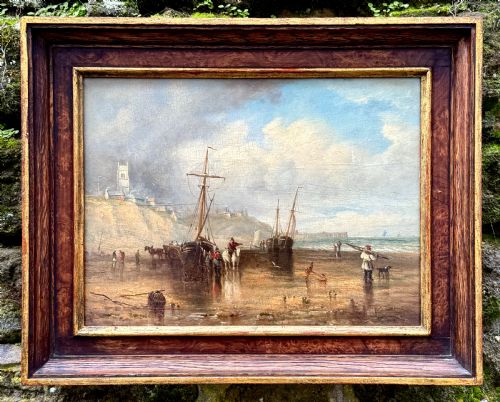
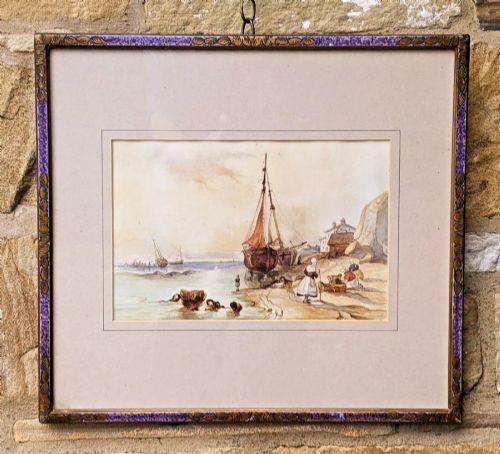
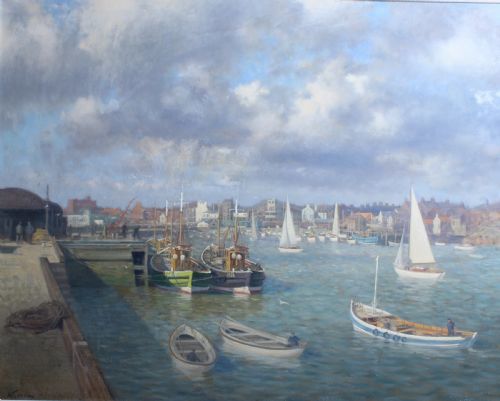
Traditional maritime wall art encompasses oil paintings and watercolour works depicting coastal scenes, naval vessels, and historic harbours. These works span the nineteenth century up to nineteen sixty, capturing the enduring appeal of the sea through various artistic schools.
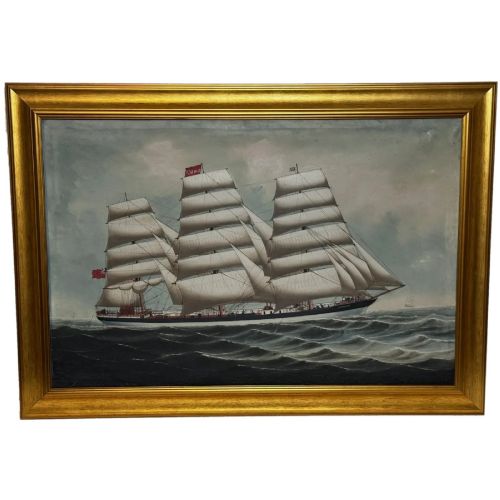
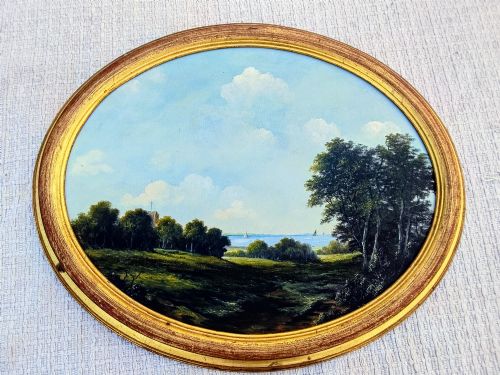
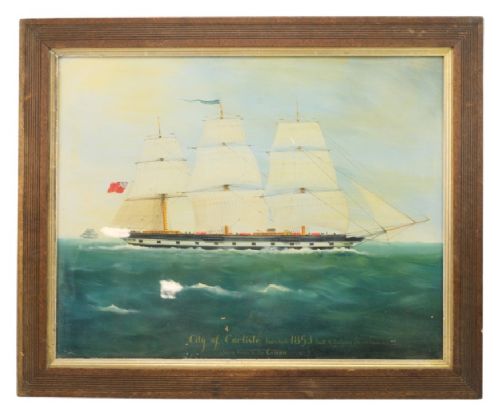
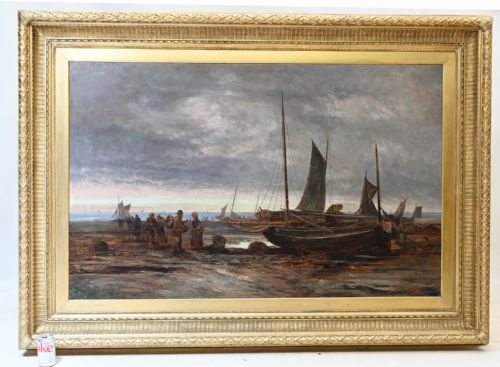
Buyers frequently encounter nineteenth-century British and Dutch school paintings, alongside oval vintage oil on canvas sea views. Such pieces often portray specific subjects, including three-masted naval schooners and fishing boats by shorelines.
Materials and construction methods
Artists utilised oil paint on canvas or watercolour pigment on paper to create these detailed maritime scenes. The application of oil and watercolour brings texture and depth to coastal horizons and choppy seas.
Frames frequently employ wood and gilded wood, or giltwood, providing a traditional decorative border that complements the maritime subject matter.
Retail Price Guide 2026
Typical UK retail prices for traditional maritime wall art, calculated from the Sellingantiques database of over a million retail prices indexed since 2003. This retail price guide relies exclusively on Sellingantiques data; no external sources or auction records are used, so the figures do not describe the wider market.
Sailors occasionally brought paintings home to remember specific vessels, turning three-masted schooners into permanent living room crewmates.
Factors that define quality
Quality rests upon the artist's ability to render nautical detail and atmospheric conditions convincingly, separating standard decorative works from accomplished academic pieces. Named artists and documented historical vessels elevate the significance of a painting.
The preservation of the canvas or paper surface, alongside the integrity of the original giltwood or wood framing, dictates the overall visual impact and historical authenticity of the piece.
Ebeneezer Colls·Pieter Cornelis Dommersen·Alfred Montague
The Traditional Maritime Wall Art Glossary
- Oil on Canvas
- Pigment suspended in drying oil applied to stretched fabric. This medium allows for rich colour blending and textured brushwork.
- Watercolour Pigment
- Water-soluble colour applied to paper supports. It creates luminous, transparent washes ideal for delicate coastal skies.
- Giltwood
- Wood carved and covered with a thin layer of gold leaf. This material frames traditional paintings with a reflective, ornamental finish.
- Dutch School
- A grouping of artists sharing stylistic traditions originating in the Netherlands. Works from this school often focus on meticulous detail and atmospheric marine lighting.
Frequently Asked Questions
What periods do these paintings come from?
The available selection spans from the nineteenth century through to nineteen sixty. Pieces reflect distinct historical periods including Victorian aesthetics and specific nineteenth-century Dutch and British artistic traditions.
Collectors find works dated across the eighteen hundreds and early nineteen hundreds, alongside mid-twentieth-century vintage interpretations of sea views.
How should I hang heavy gilded frames?
Gilded wood and heavy wooden frames require secure wall fixings suited to the weight of the piece. Utilising appropriate picture hooks and wall anchors ensures the artwork remains stable.
Positioning the painting away from direct sunlight protects both the oil or watercolour pigments and the wooden frame from environmental damage.
What subjects feature in these artworks?
Artworks predominantly depict coastal environments, fishing harbours, and historical naval vessels upon the water. Specific subjects include three-masted schooners and Dutch estuaries.
Scenes range from calm coastal shores to dramatic channel crossings, capturing maritime life across different European waters.
How do I care for antique watercolours?
Watercolour pigments on paper require protection from direct sunlight and high humidity to prevent fading and paper degradation. Framing behind glass with acid-free mounts preserves the medium.
Keeping the artwork in stable indoor conditions ensures the longevity of both the paper support and the watercolour pigments.