


Sailing Boat Painting
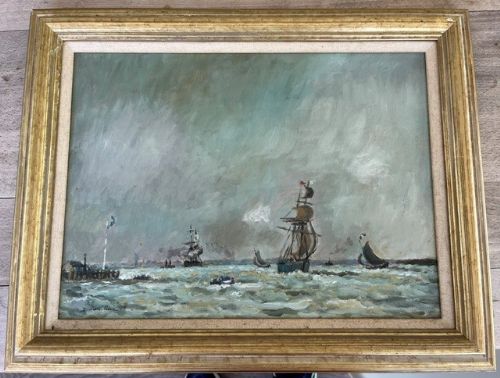
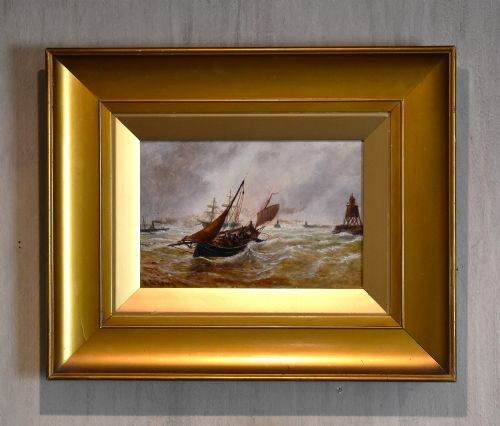
A sailing boat painting captures maritime movement on canvas or paper, offering an authentic window into nineteenth and twentieth-century coastal life.
Understanding Sailing Boat Paintings
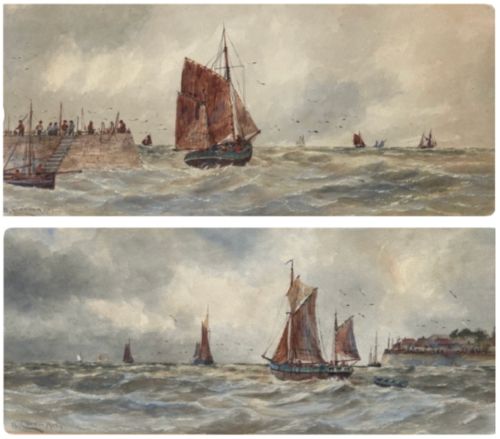
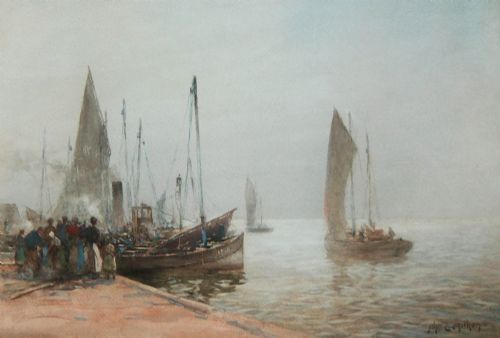
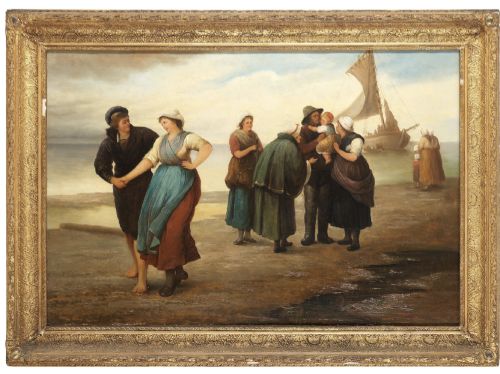
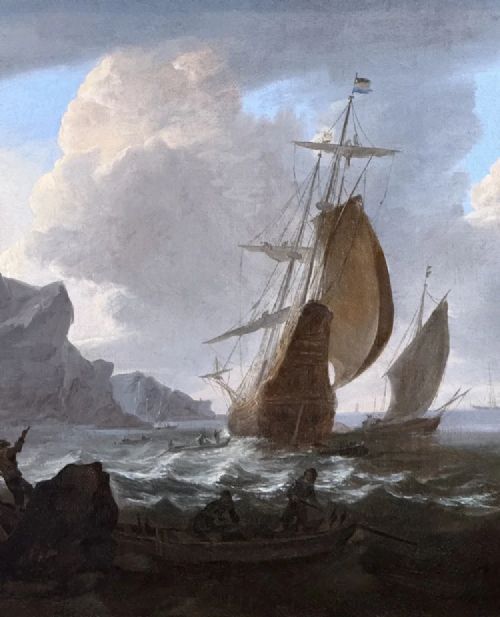
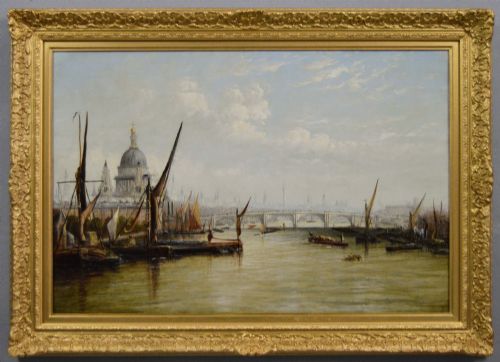
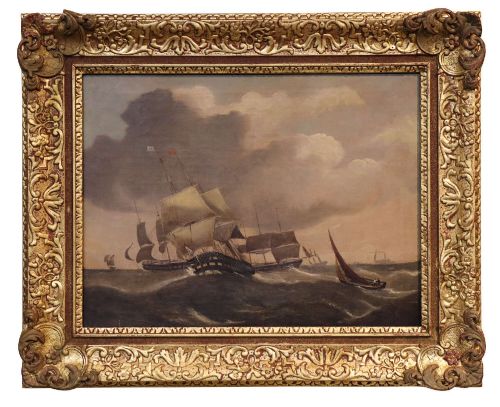
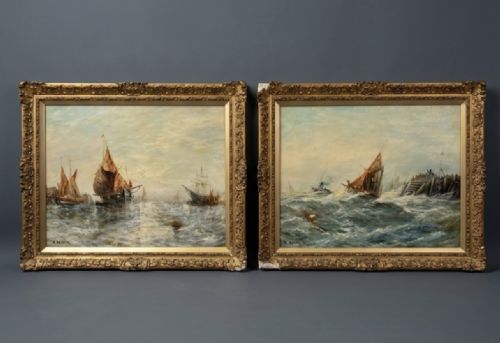
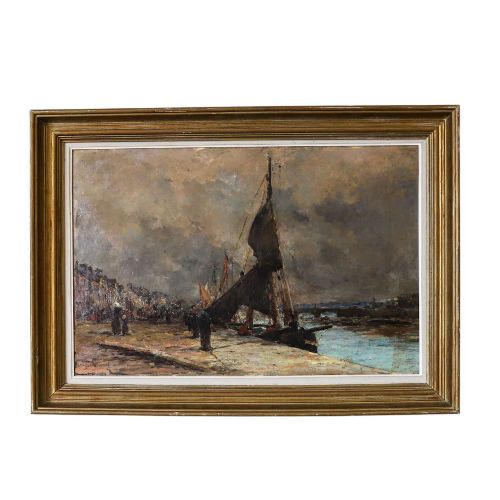
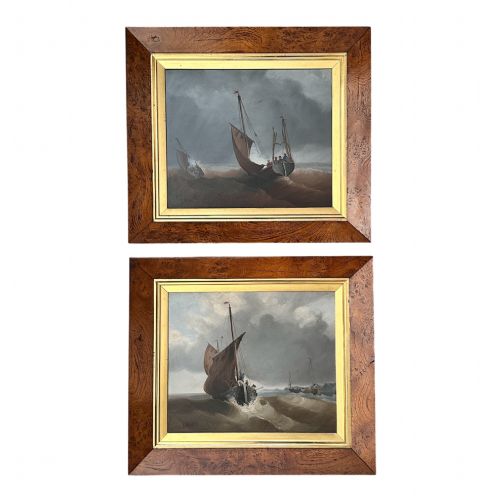
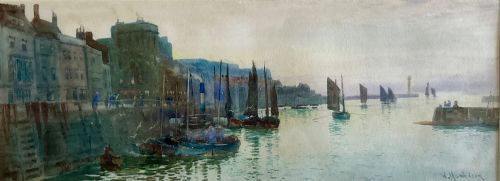
A sailing boat painting encompasses traditional works depicting vessels on seas, lakes, estuaries and coastal shores. These artworks capture maritime scenes ranging from bustling harbours to quiet waters under varied atmospheric conditions.
Collectors frequently encounter watercolours and oil paintings originating from the nineteenth and early twentieth centuries. The selection includes works by listed British and Irish artists alongside unsigned regional studies.
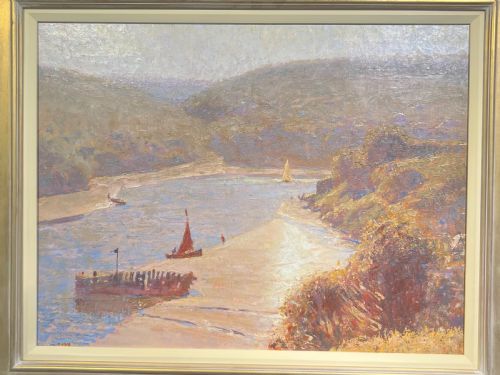
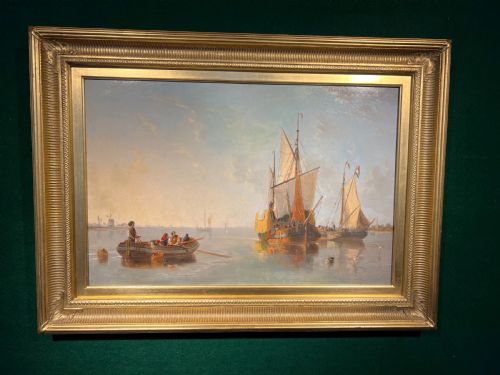
Common subjects feature fishing drifters, yachts and traditional sailing boats navigating British and Dutch coastal waters. Works vary from detailed topographical depictions to impressionistic coastal studies.
Materials and Techniques
Artists utilised traditional mediums including oil on canvas, oil on board, and watercolour applied to paper. Many works incorporate framing elements such as wood, gilt wood, and protective glass.
Watercolour paintings rely on fluid washes to capture the transient effects of light on water and sky. Oil paintings on canvas or board employ richer pigment layers to build texture and depth within maritime scenes.
Retail Price Guide 2026
Typical UK retail prices for sailing boat painting, calculated from the Sellingantiques database of over a million retail prices indexed since 2003. This retail price guide relies exclusively on Sellingantiques data; no external sources or auction records are used, so the figures do not describe the wider market.
The archive and current listings feature works across paper, canvas, and board, executed in watercolour and oil.
Assessing Quality and Execution
Quality rests upon the artist's ability to render maritime movement and atmospheric light convincingly. Superior examples demonstrate confident brushwork and accurate nautical proportions rather than stiff or formulaic vessel placement.
The choice of medium and preservation state influence the character of each piece. Well-preserved watercolours retain their delicate tones, whilst accomplished oil paintings exhibit assured handling of pigment across sea and sky.
Cecil Allan Mould RI·Bernard Benedict Hemy·George Stanfield Walters·Frank H. Mason·Lennard Lewis RA·Alfred Montague·Sam Barnes Robson·Alice Fanner
The Sailing Boat Painting Glossary
- Watercolour
- A painting method where fine pigment is suspended in a water-based solution, typically applied to paper to create luminous transparent washes.
- Oil on canvas
- A traditional technique using pigments bound in drying oils applied to a stretched fabric support, allowing for rich texture and blending.
- Estuary
- The tidal mouth of a large river where the tide meets the stream, providing a frequent subject for nineteenth-century maritime artists.
- Gilt wood
- Wood coated with a thin layer of gold leaf or gilt paint, commonly found on traditional frames enclosing period paintings.
Frequently Asked Questions
What periods do these paintings date from?
The available works span from the nineteenth century through the early twentieth century, with examples dating from the eighteen-eighties to nineteen-thirty-seven.
These pieces reflect distinct periods of maritime art, including Victorian and British impressionist styles.
What surfaces were used for these artworks?
Artists painted on various supports including paper, stretched canvas, and wooden boards. Each material produces a distinct textural quality suited to either watercolour or oil techniques.
Watercolour works appear primarily on paper, whilst oil paintings utilise canvas or board.
How should I display a watercolour painting?
Watercolours require framing behind glass to protect the paper surface and pigments from atmospheric moisture and dust. Direct sunlight should be avoided to prevent fading of delicate washes.
Displaying them in stable indoor conditions preserves both the paper and any original gilt wood framing.
Are these paintings signed by the artists?
Some works bear clear signatures, artist attributions, or exhibition dates, whilst others remain unsigned or indistinctly signed. Attributions often reference recorded British and Irish school painters.
Signed pieces frequently provide documented links to specific regional movements and exhibition histories.