




British Marine Art
British marine art captures coastal life and maritime scenes on canvas and paper.
What British Marine Art Is
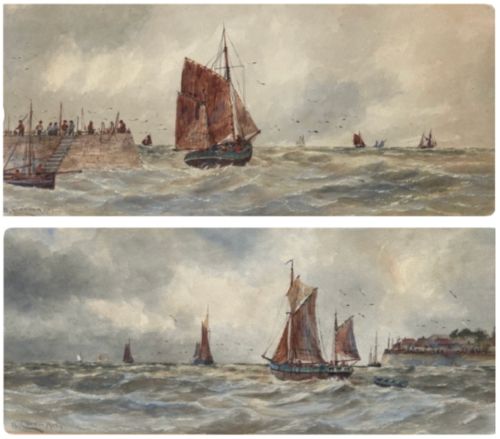
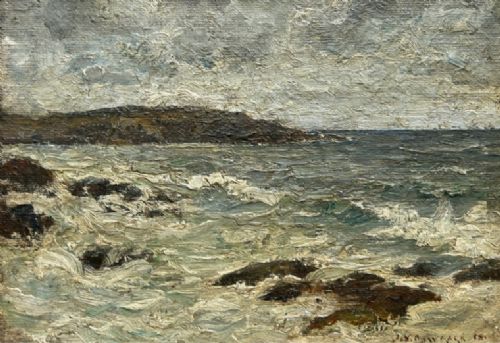
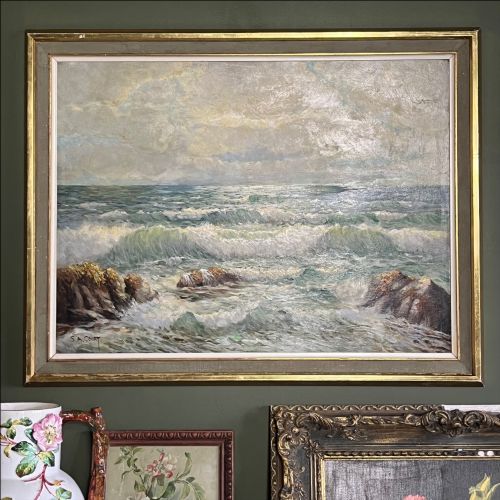
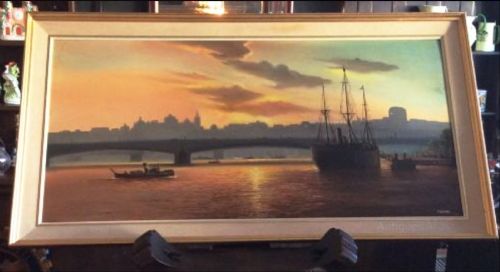
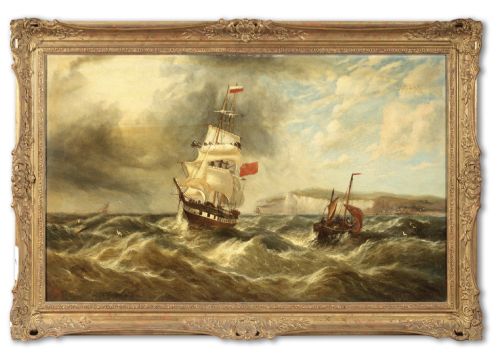
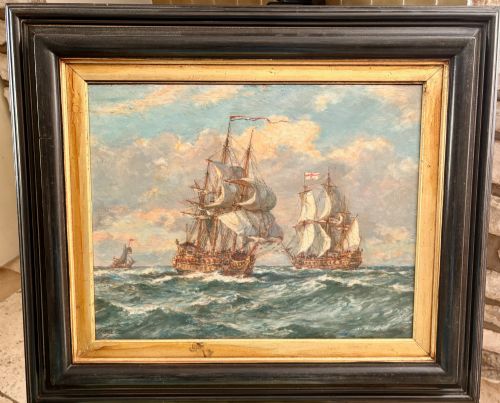
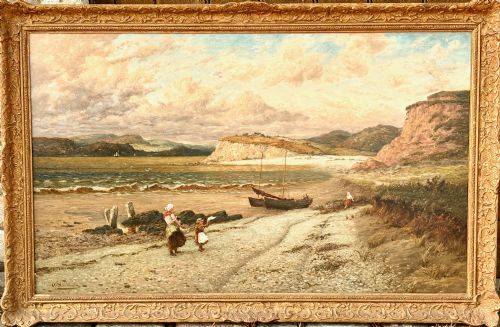
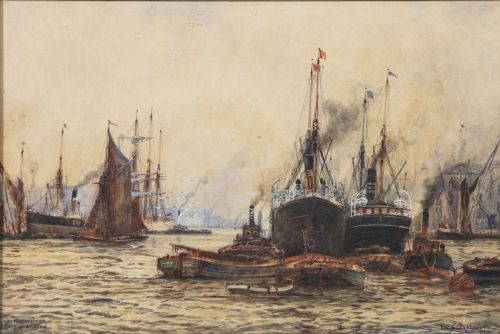
British marine art encompasses oil paintings and watercolour paintings depicting maritime subjects, coastal harbours and nautical scenes. These works capture the maritime heritage of the coastline through the brush of artists working across the Victorian and Edwardian periods.
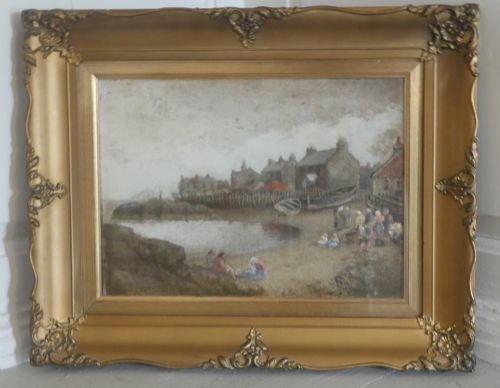
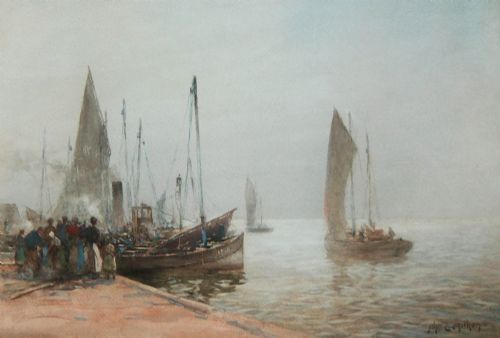
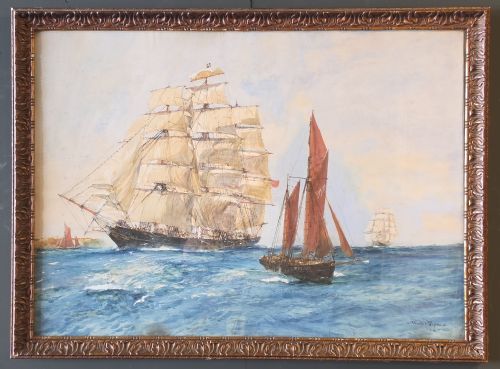
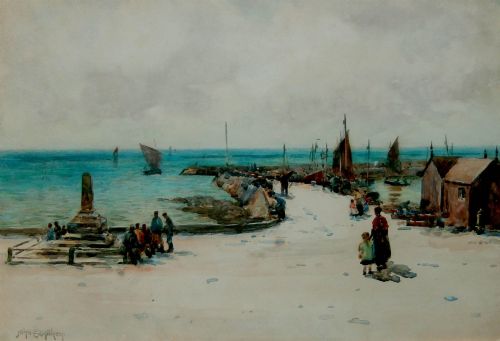
The pieces available on this page include watercolours and oil paintings on canvas and paper. Subject matter ranges from Yorkshire harbour views to herring drifters and coastal waters.
How They Were Made
Artists utilised watercolour pigment and oil paint applied to canvas, paper and wood panels. Works are typically framed behind glass when executed on paper to protect the delicate medium.
Framing often involves wood mouldings that complement the palette and period of the painting. Technique varies from loose brushwork in Victorian impressionism to detailed maritime illustration.
Retail Price Guide 2026
Typical UK retail prices for british marine art, calculated from the Sellingantiques database of over a million retail prices indexed since 2003. This retail price guide relies exclusively on Sellingantiques data; no external sources or auction records are used, so the figures do not describe the wider market.
Listings feature works from nineteen hundred and nineteen twenty, executed in watercolour and oil on paper, canvas and wood.
What Varies in Quality
Quality rests in the handling of light and atmosphere upon the water, where skilled brushwork distinguishes a compelling coastal study from a stiff rendering. The confidence of the draughtsmanship in watercolours reveals the hand of an accomplished marine painter.
The preservation of the paper or canvas and the clarity of the pigment determine the visual impact of the piece. Original framing and the stability of the wood support also influence the overall character of the artwork.
Charles Edward Dixon·Tom Clough·Frank H Mason·J De Breanski
The British Marine Art Glossary
- Watercolour pigment
- A colour medium suspended in a water-soluble binder, applied to paper to create translucent washes of light and colour.
- Oil paint
- A slow-drying paint made by combining pigment particles with a drying oil, typically applied to canvas or wood.
- Victorian Impressionism
- A painting style focusing on light and movement, prevalent in the late nineteenth century and reflected in maritime scenes of the era.
- Maritime art
- Artistic works that depict or draw inspiration from the sea, ships, harbours and coastal life.
Frequently Asked Questions
What periods do these paintings come from?
The listings on this page span the Victorian and Edwardian periods, specifically around nineteen hundred and nineteen twenty.
These dates align with the active years of the recorded artists and their distinct painting styles.
What materials are used in these works?
Works utilise oil paint on canvas and watercolour pigment on paper, supported by wood and protected by glass.
Each medium dictates how the artwork is framed and displayed in an interior setting.
Where do these maritime scenes take place?
Subjects include specific coastal locations such as Whitby harbour in Yorkshire and surrounding coastal waters.
Artists often travelled along the British coastline to document local fishing vessels and harbour activity.
How should I care for a watercolour painting?
Watercolours require placement away from direct sunlight to prevent the fading of delicate pigments on paper.
Keeping the works behind glass and away from excessive moisture preserves the integrity of the painting.