



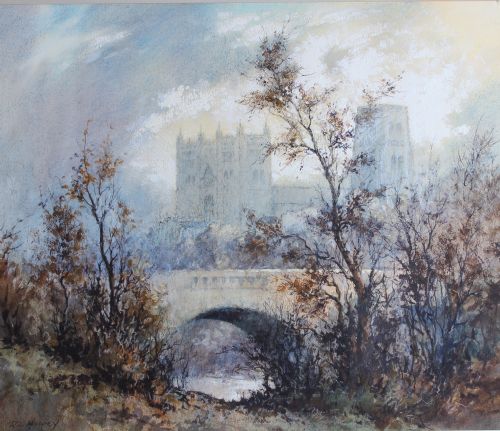
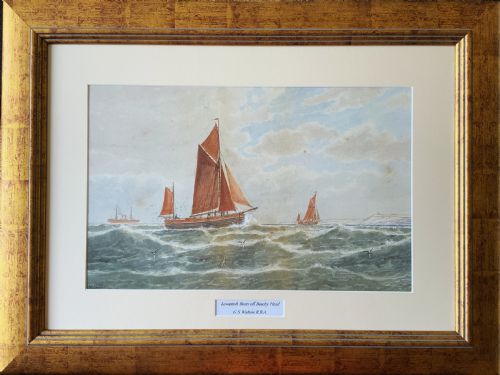
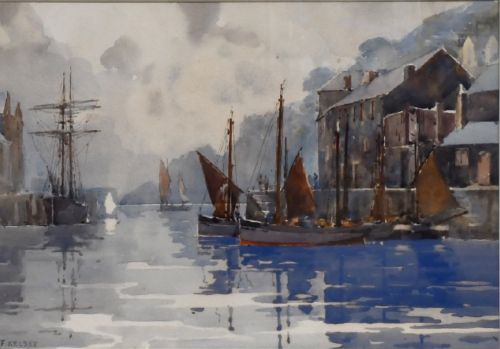
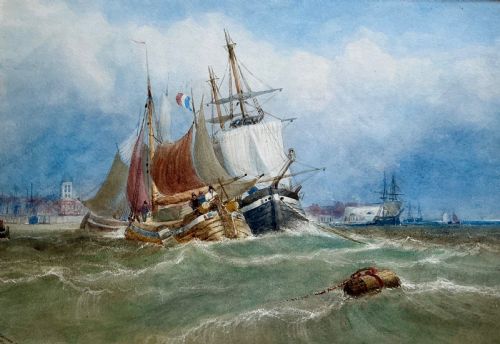
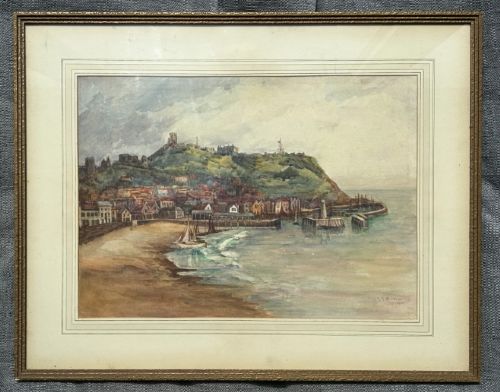
Blue Marine Watercolour Painting
A blue marine watercolour painting captures the changing mood of the sea through fluid pigments on paper, offering a direct window into maritime history.
Blue Marine Watercolour Painting
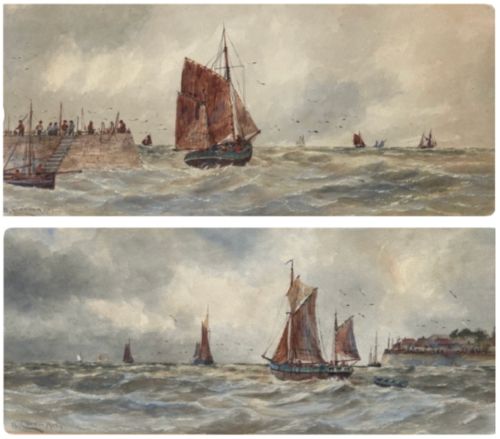
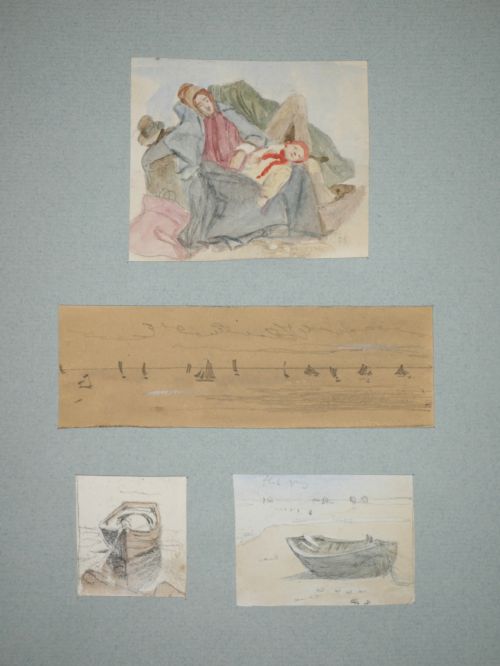
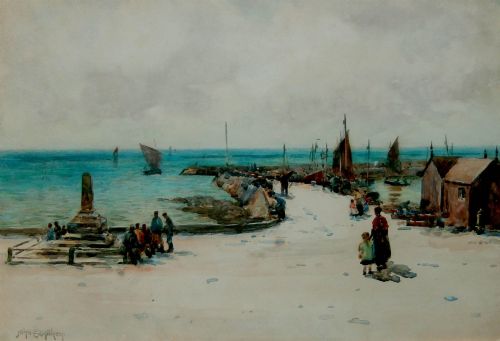
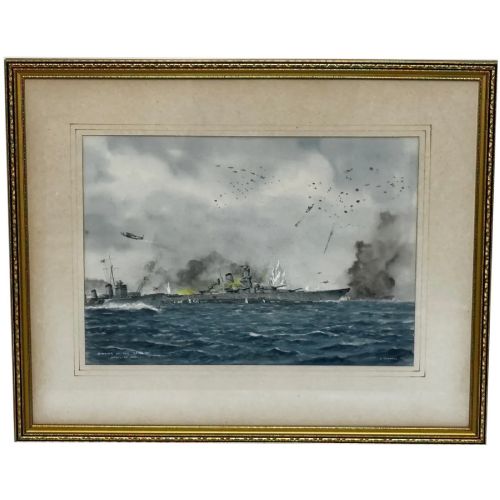
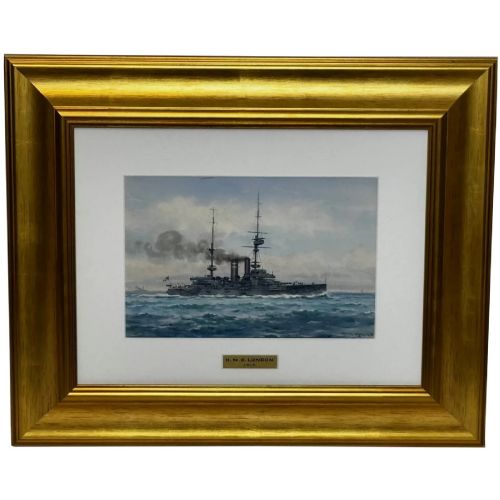
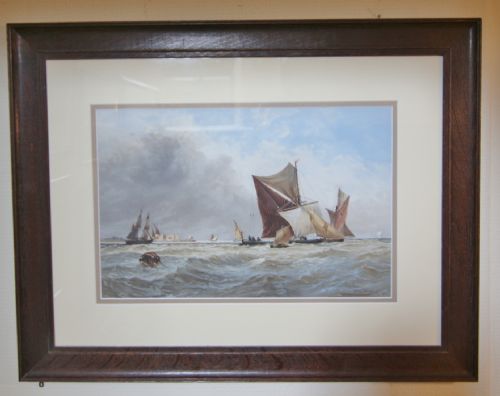
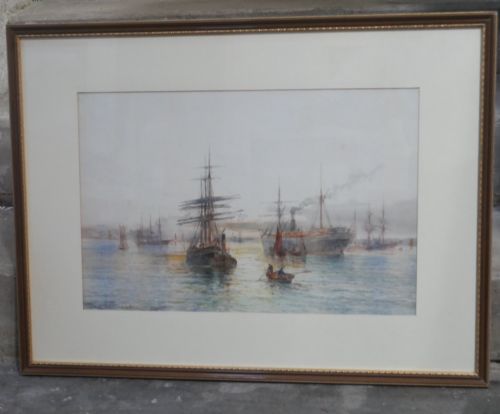
A blue marine watercolour painting depicts coastal views, harbour scenes, and open seas using fluid water-soluble pigments on paper supports. These works document naval vessels, fishing boats, and coastal towns through the observational eye of artists working outdoors or from studio sketches.
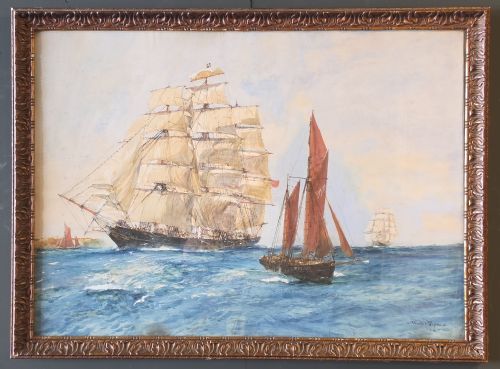
The pieces available span from the nineteenth century through the mid-twentieth century, encompassing Victorian maritime art, Edwardian coastal sketches, and mid-century naval subjects. Examples range from intimate harbour studies to detailed depictions of square-rigged sailing ships and warships at anchor.
Works of this phrase often arrive framed behind glass, preserving the delicate paper and watercolour paint from atmospheric moisture and handling. Collectors encounter both signed sheets by established marine painters and atmospheric unsigned compositions from British and European coastal schools.
How they were made
Artists applied watercolour pigment suspended in water onto heavy rag paper, allowing the white of the unpainted paper to act as highlights for breaking waves and cloud formations. Painters utilised transparent washes to build up depth in the sea and sky, occasionally adding opaque bodycolour for highlights on shipping rigging and foam.
Finished sheets were secured behind glass within wood frames, frequently complemented by gilt wood mouldings that framed the maritime composition. This traditional framing protects the sensitive paper and water-soluble pigments from dust, light degradation, and physical damage over the decades.
Blue Marine Watercolour Painting Retail Price Guide 2026
Typical asking prices for blue marine watercolour painting among the pieces listed under this phrase on Sellingantiques today, from the lower quarter to the upper quarter. They describe what is for sale here now, not the wider market.
The documented periods span the Victorian era, Edwardian years, and mid-twentieth century up to the nineteen-sixties.
What varies in quality
The distinction between standard works and exceptional examples lies in the artist's command of atmospheric perspective and marine anatomy. Superior paintings render the movement of water and the intricate rigging of vessels with confident, economical brushwork rather than rigid illustration.
Condition and paper preservation govern the enduring appeal of each piece, as exposure to light diminishes the vibrancy of early pigments. Stronger examples retain their original tonal contrast, whereas lesser pieces suffer from fading or foxing within the paper substrate.
James Orrock·William Cannon·Charles Edward Dixon·John E. Aitken·Eric Tufnell·William Banks Fortescue·Frank Watson Wood·Thomas Bush Hardy·George Stanfield Walters·Henry Barlow Carter·William Frederick Settle·Lionel Horsnell·Charles William Adderton·Vincenzo D’Esposito·William Lee Hankey·Ernest Dade·Edward Seago·Tom Clough·John McDougal·Frank H. Mason·George Hamilton Constantine·Frederick William Hattersley·James Thomas Watts·Samuel Owen
The Blue Marine Watercolour Painting Glossary
- Watercolour
- A painting method where paint is made of pigments suspended in a water-based solution. The medium relies on translucent washes applied to paper.
- Seascape
- A work of art depicting the sea, coastal views, or marine shipping. These subjects reflect maritime trade, naval history, and coastal life.
- Gilt wood
- Wood framing treated with a thin layer of gold leaf or metallic gilt paint. This traditional finish surrounds many antique framed watercolours.
- Works on paper
- A collective classification for art created on paper supports, including watercolours, drawings, and sketches. This medium requires protection behind glass to prevent deterioration.
- British Impressionism
- An artistic style focusing on light, fleeting effects, and everyday subjects. Painters in this tradition captured coastal atmospheres outdoors.
Blue Marine Watercolour Painting: Frequently Asked Questions
What is a marine watercolour?
A marine watercolour is a painting on paper that depicts ships, coastal harbours, and the open sea using water-based pigments. These works were created by artists recording naval history, trading vessels, and coastal life.
Many examples date from the nineteenth and early twentieth centuries, capturing the era of sail and steam through direct observation of maritime environments.
How should I frame these paintings?
These watercolours require framing behind glass with acid-free mounts to protect the paper and water-soluble pigments from humidity and airborne pollutants. Direct sunlight should be avoided to prevent the blue and grey tones from fading.
Traditional wood or gilt wood frames complement the period aesthetic while maintaining the structural protection necessary for works on paper.
How do I identify the period?
Periods are identified through the style of shipping depicted, artist signatures, framing materials, and the characteristics of the paper support. Nineteenth-century works often feature detailed rigging and traditional British coastal vessels.
Later pieces from the mid-twentieth century introduce modern naval vessels and looser impressionistic brushwork that reflect the changing approach to marine art.
Where were these scenes painted?
Artists painted these scenes along working British and European coasts, harbours, and naval ports, often working directly on location from boats or shorelines. Locations range from busy English harbours like Whitby and St Ives to international ports and open seas.
Studio paintings were frequently developed from observational sketches and watercolours completed during coastal excursions.