
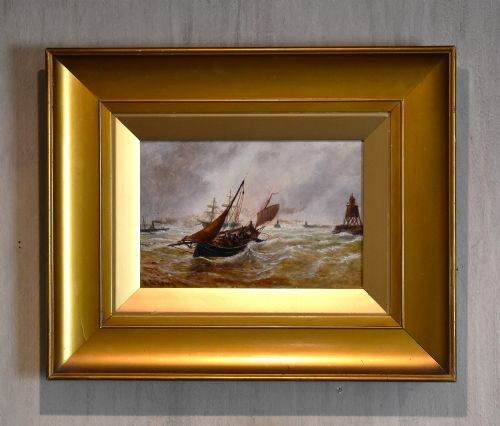


Nineteenth Century Seascape
A nineteenth century seascape captures the movement of coastal tides, working vessels and open water on canvas or paper.
Nineteenth Century Seascape
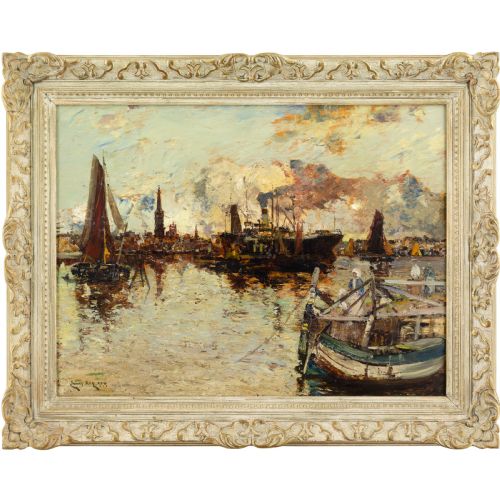
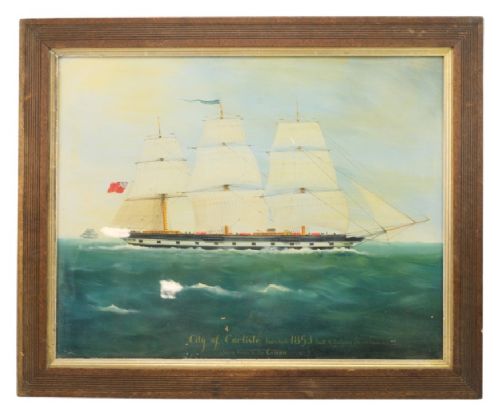
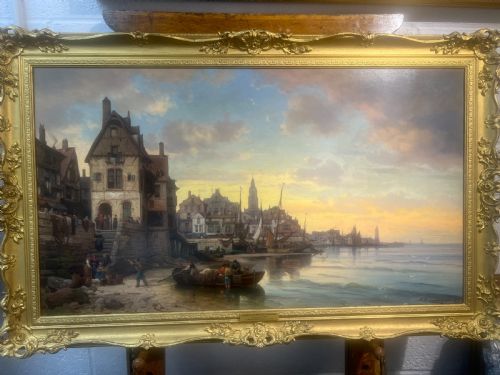
A nineteenth century seascape encompasses oil paintings and watercolours depicting maritime subjects, coastal harbours and open water created during the victorian era and the early twentieth century. These works document naval vessels, fishing boats, merchant shipping and coastal towns across British and continental locations.
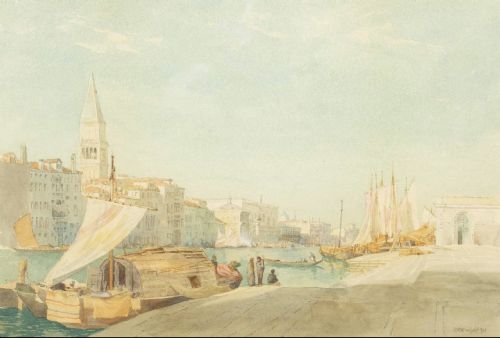
The pieces appearing on this page range from detailed portrayals of masted ships in choppy seas to serene watercolours of Venetian canals and northern shorelines. Buyers will encounter both individual works and matched pairs executed by named artists and regional schools active throughout the period.
Subjects frequently record specific locations such as the Isle of Wight, Whitby, Filey Brigg and Marseille, alongside continental scenes by French and American painters working within the same timeframe. The selection reflects diverse interpretations of marine art spanning mid victorian documentation to later impressionist approaches.
Distinctions in Quality
Quality rests upon the artist's command of light, atmosphere and maritime architecture, where confident brushwork conveys the genuine motion of water and wind. Superior examples demonstrate a secure understanding of vessel rigging, coastal topography and atmospheric perspective rather than rigid illustration.
The relationship between the support, the pigment condition and the framing contributes substantially to the overall integrity of the piece. Works that retain their original giltwood framing and exhibit stable pigment surfaces without excessive restoration hold greater visual coherence.
Nineteenth Century Seascape Retail Price Guide 2026
Typical asking prices for nineteenth century seascape among the pieces listed under this phrase on Sellingantiques today, from the lower quarter to the upper quarter. They describe what is for sale here now, not the wider market.
Listings feature works spanning the nineteenth century through the early twentieth century, utilising oil on canvas, watercolour and gilt wood frames.
James Kay RSW·Richard Henry Wright·Bernard Benedict Hemy·Jean Baptiste Olive·Charles Malfroy·Thomas Bush Hardy·George Dodgson Callow·Frederick William Hattersley·Jane Vivian·Thomas Rose Miles·H Hadfield Cubley·Samuel John Milton Brown·Frank Myers Boggs·William Edward Webb·Hubert Thornley·James Aitken·Samuel Bough
The Nineteenth Century Seascape Glossary
- Watercolour Painting
- A work executed with water-soluble pigments on paper supports, frequently utilised for rapid coastal sketches and finished marine views alike.
- Gilt Wood
- Carved timber treated with a gold leaf or metallic finish, commonly used to create decorative period framing for nineteenth century paintings.
- British Impressionism
- A painting style adopted by late nineteenth and early twentieth century artists focusing on natural light, loose brushwork and everyday coastal subjects.
- Victorian Marine Art
- Depictions of maritime scenes, naval engagements and coastal shipping produced during the reign of Queen Victoria.
- Oil on Canvas
- Pigment bound in drying oil applied to a stretched woven fabric support, forming the primary medium for durable nineteenth century paintings.
Nineteenth Century Seascape: Frequently Asked Questions
What subjects appear in these seascapes?
The works depict masted sailing ships, fishing boats on shore, busy harbours and coastal views across Britain and continental Europe. Scenes range from turbulent open waters to calm river estuaries and Venetian canals.
Many pieces record recognizable locations including the Isle of Wight, Whitby, Filey and Marseille, often featuring working vessels engaged in daily maritime trades.
How should I care for an oil painting?
Keep paintings away from direct sunlight, high humidity and sudden temperature fluctuations to protect the canvas and the underlying support structure. Avoid hanging pieces above active heat sources.
Dust surfaces gently with a soft, dry brush when necessary, and leave professional cleaning or conservation work to qualified specialists.
Are these works framed in period surrounds?
Many pieces retain their original or contemporary gilt wood frames, which complement the aesthetic of the nineteenth century artwork. Framing styles vary from elaborate moulded giltwood to simpler profiles suited to impressionist watercolours.
Frame condition forms an integral part of the piece's history, reflecting how the artwork has been housed and displayed over generations.
How do watercolours differ from oil paintings?
Watercolour paintings utilise pigments suspended in water-soluble binders on paper, creating translucent effects that capture shifting light and coastal atmosphere. Oil paintings use slow-drying oil on canvas or wood, allowing for rich textures and deep tonal layering.
Watercolours require protective glazing under glass, whereas oil paintings on canvas remain unglazed to let the textured paint surface breathe.