


Vintage Marine Painting
A vintage marine painting brings the restless motion of the open sea and coastal harbours straight onto the wall.
What a vintage marine painting is
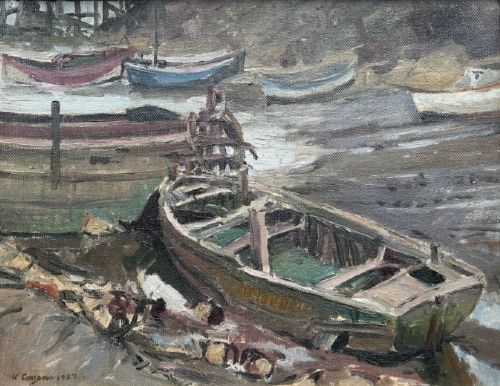
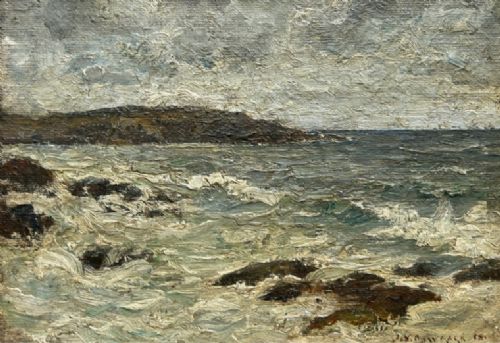
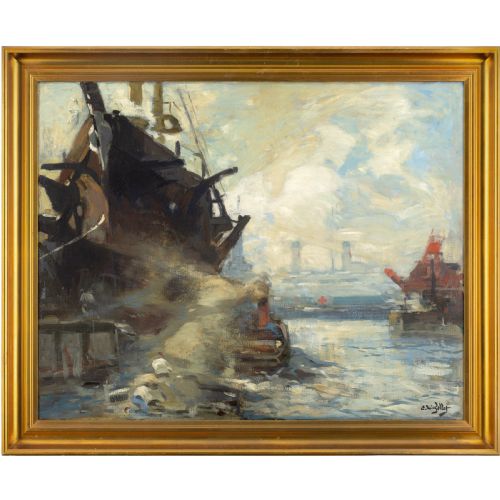
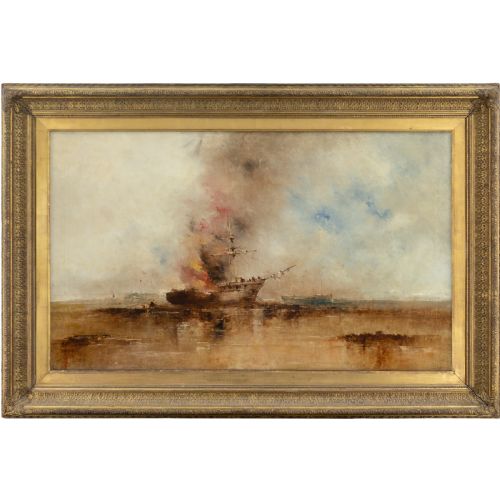
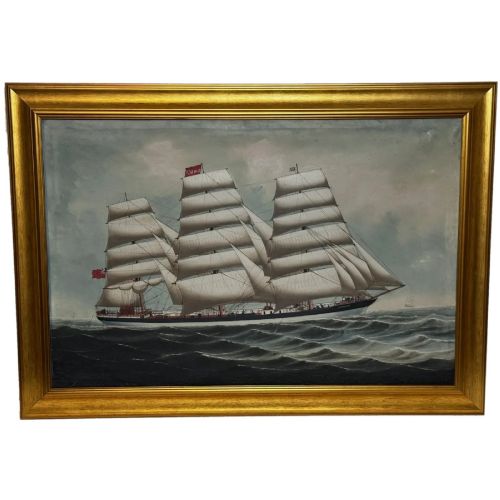
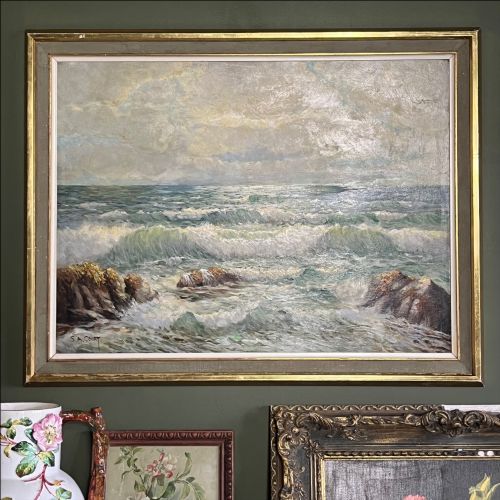
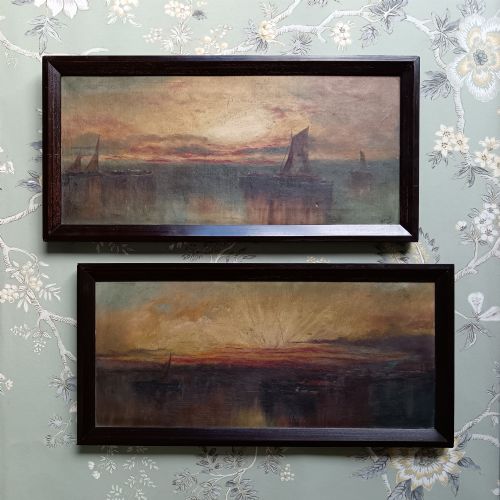
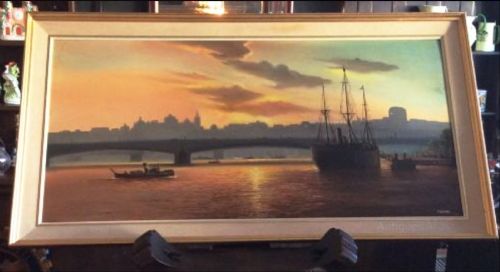
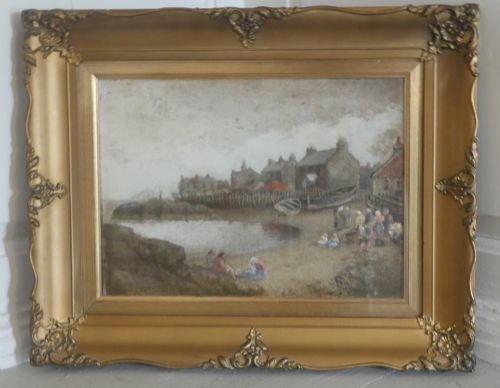
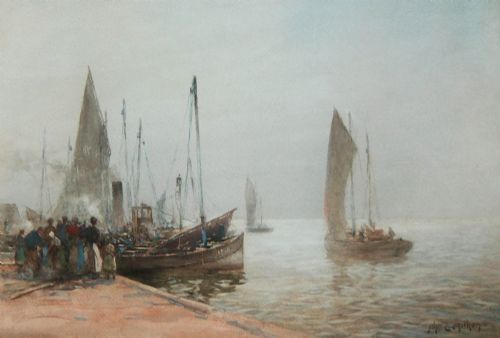
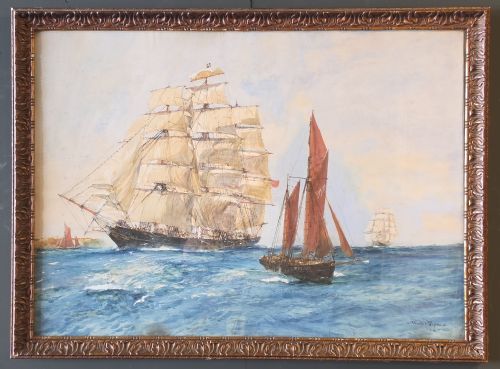
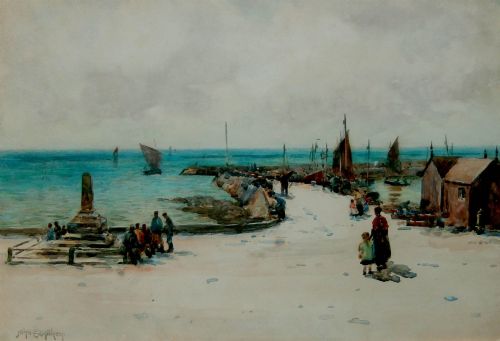
A vintage marine painting captures ships, coastal scenes and open waters across the Victorian, Edwardian and mid-century periods. These works record maritime life through oil on canvas, oil paint and watercolour on paper, framed in wood or giltwood.
The selections available here range from detailed depictions of tall ships and interwar steamships to quiet harbour views and shorelines. Common formats include oil paintings and wall art rendered in styles such as maritime realism, post-impressionism and traditional maritime art.
How they were made
Artists apply oil paint directly onto stretched canvas or prepare watercolours on paper to capture the changing light on water and sky. Pigments are worked with brushstrokes that vary from smooth realist precision to looser post-impressionist textures.
Retail Price Guide 2026
Typical UK retail prices for vintage marine painting, calculated from the Sellingantiques database of over a million retail prices indexed since 2003. This retail price guide relies exclusively on Sellingantiques data; no external sources or auction records are used, so the figures do not describe the wider market.
Several canvases carry the authentic scent of old linseed oil and decades of coastal salt air.
What varies in quality
Quality rests in the artist's command of light, shadow and spatial depth across water and sky, distinguishing a compelling maritime composition from a stiff rendering. The handling of atmosphere and movement sets the finer canvases apart.
Framing also influences the character of the piece, with substantial giltwood surrounds offering greater visual weight than simpler wooden frames. The preservation of the canvas and pigment layer maintains the visual integrity of the original work.
Samuel Edward Kelly·Donald McIntyre·Emil Ekman
The Vintage Marine Painting Glossary
- Giltwood
- Wood carved and coated with a thin layer of gold leaf or metallic gilt. This finish adds bright reflective accents to traditional picture frames.
- Maritime realism
- An artistic style dedicated to the accurate depiction of ships, coastal topography and marine weather conditions. It relies on precise observation of naval architecture and natural light.
- Post-impressionism
- A French art movement extending beyond impressionism that prioritises expressive brushwork and symbolic colour over strict visual naturalism. Works in this vein emphasise bold forms and emotional resonance.
- Oil on canvas
- Pigment suspended in drying oil applied to a woven fabric support stretched across a wooden frame. This combination allows for rich colour blending and textured application.
Frequently Asked Questions
What periods do these paintings cover?
The works span from the Victorian era through Edwardian times and into the mid-twentieth century. Pieces date from the early 1900s, the 1920s, the 1940s and the 1960s.
This broad timeline incorporates traditional maritime scenes alongside interwar and post-impressionist interpretations of coastal life.
What materials were used?
Artists employed oil paint, oil on canvas and watercolour on paper to create these maritime works. Canvases and papers provide the primary support for the pigment.
Finished paintings are housed in protective surrounds made from wood, giltwood or gilt wood frames, sometimes protected by glass.
How do I hang a heavy framed painting?
Heavy giltwood or wood frames require secure wall fixings suited to the weight of the piece. Utilising wall anchors appropriate for brick or stud walls ensures stability.
Position the painting at eye level away from direct sunlight and moisture sources to protect both the frame and the canvas.
How do I clean an oil painting?
Dust accumulation on canvas or frames should be removed gently using a soft, dry brush. Avoid using water or liquid cleaners on the painted surface.
Professional conservators should handle deeper cleaning or varnish removal to prevent damage to the original oil pigments.