






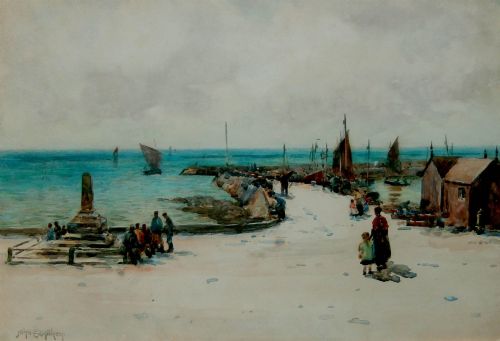

Antique Coastal Painting
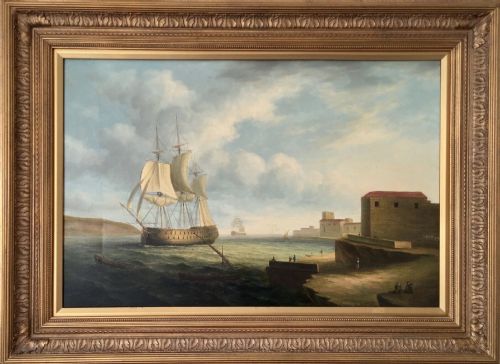
Selecting an antique coastal painting brings nineteenth-century harbours, fishing boats and stormy shorelines directly into a room.
Antique Coastal Painting
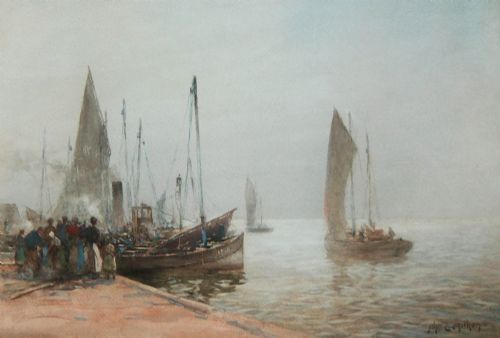
Collectors seeking an antique coastal painting examine works depicting harbours, fishing boats, rocky shores and maritime views executed across the nineteenth and early twentieth centuries.
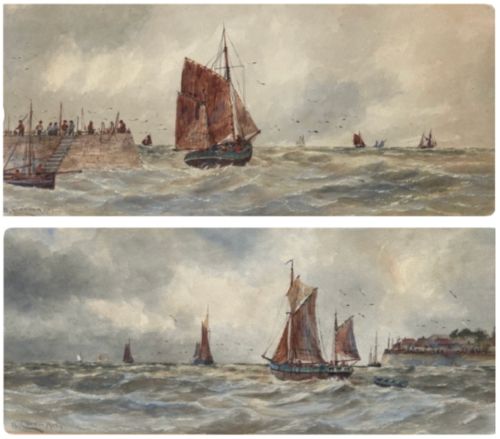
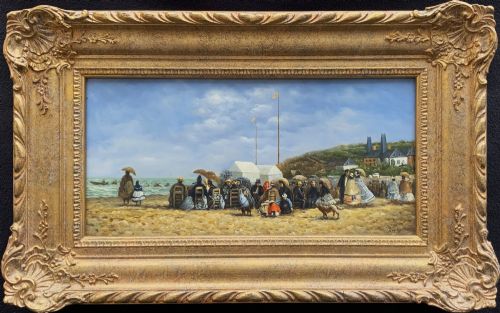
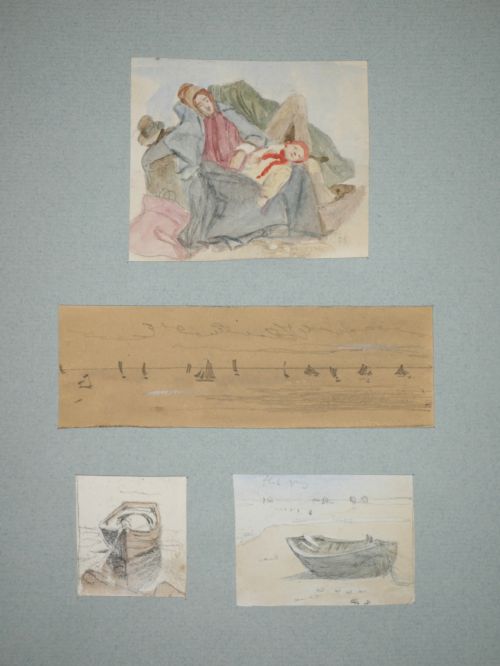
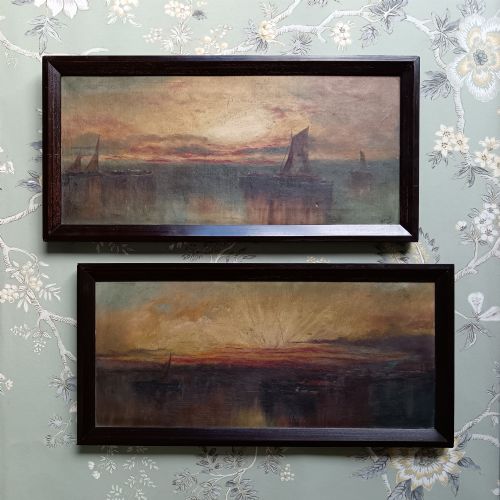
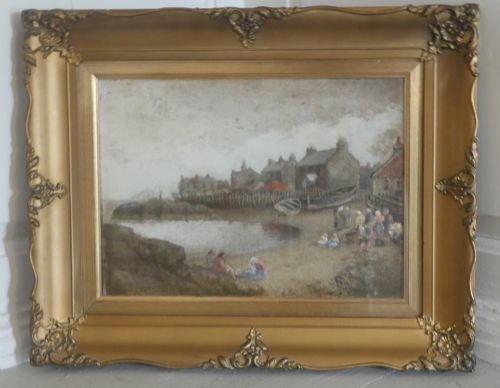
The pieces on this page span British and European schools, ranging from detailed Victorian watercolours of coastal villages to impressionist oils of sailboats and tidal inlets.
Buyers encounter works on paper, canvas and wood panels that record the everyday routines of fisherfolk alongside dramatic open-sea views.
Materials and Technique
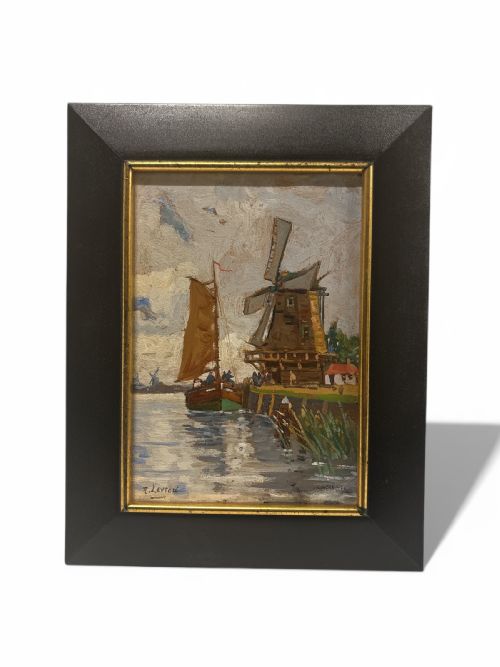
Artists captured these marine scenes using watercolour pigment on paper or oil paint applied to canvas, board and wood panels.
Many surviving examples retain their original gilt wood frames, which complement the maritime subjects through traditional moulding and decorative detailing.
Antique Coastal Painting Retail Price Guide 2026
Typical asking prices for coastal painting among the pieces listed under this phrase on Sellingantiques today, from the lower quarter to the upper quarter. They describe what is for sale here now, not the wider market.
A solitary ship rests inside a glass bottle alongside traditional framed canvases, proving that maritime art occasionally required nautical patience.
Assessing Merit
Quality rests upon the artist's handling of changing light, atmospheric weather and fluid movement in the water rather than the mere presence of a signature.
Superior examples demonstrate confident brushwork and accurate perspective in rendering vessels and coastal architecture, lifting them above standard topographical records.
James Hardy·James Orrock·William Cannon·Thomas William Morley·Bernard Benedict Hemy·John Wilson Carmichael
The Antique Coastal Painting Glossary
- Seascape
- A work of art depicting the sea, coastal views or maritime activity. These pieces focus on the interplay between land, water and sky.
- Impasto
- Paint applied thickly to a canvas or board so that it stands proud of the surface. This technique creates a textured finish that enhances the depiction of crashing waves or rough weather.
- Panel
- A rigid support for a painting, commonly made of wood. Artists frequently utilised wooden panels for smaller marine works during the nineteenth century.
Antique Coastal Painting: Frequently Asked Questions
How do I date a maritime painting?
Dating relies upon stylistic markers, costume details of any figures present, and framing methods typical of specific decades. Archival records and artist signatures also provide reliable chronological anchors.
Examining the stretcher bars, canvas type, and paper watermarks offers further physical evidence to narrow down the period of execution.
Where should I hang these artworks?
These paintings suit spaces with controlled natural light away from direct sunlight, which can fade watercolours and pigments over time. Traditional rooms and studies pair naturally with nineteenth-century maritime subjects.
Keeping the works away from damp environments ensures the paper, canvas, and original wood frames remain stable for years to come.
What is the difference between oils and watercolours here?
Oil paintings utilise suspended pigments in drying oils on canvas or panels, offering rich colour saturation and textured impasto effects. Watercolours employ water-soluble pigments on paper, presenting a lighter and more translucent finish.
Both mediums captured coastal scenes, though watercolours were frequently created <i>en plein air</i> while oils allowed for more layered studio development.
Are these works usually framed in period mouldings?
Many pieces survive within their original gilt wood frames, which often feature period ornamentation matching the era of the painting. These frames complete the historical context of the artwork.
Collector interest often extends to the frame itself when it demonstrates period craftsmanship and complements the coastal subject matter.