




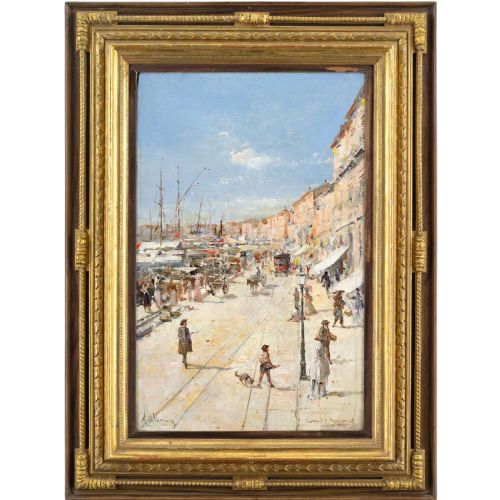
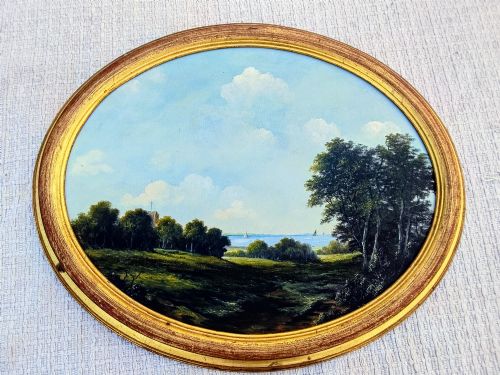
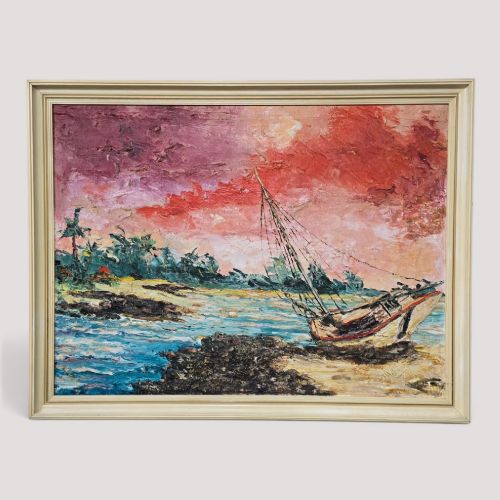
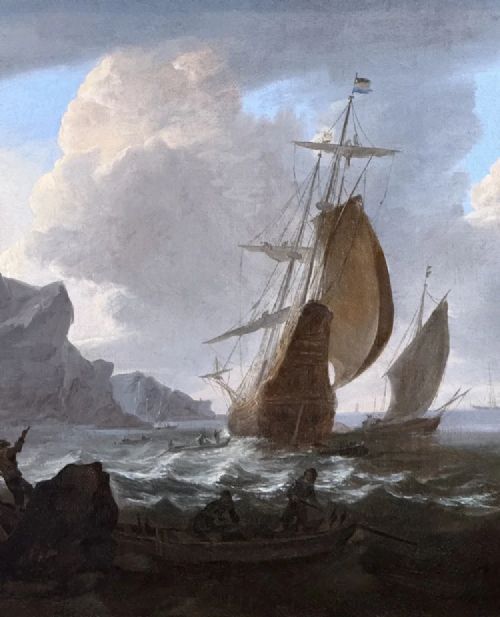
Framed Coastal Wall Art
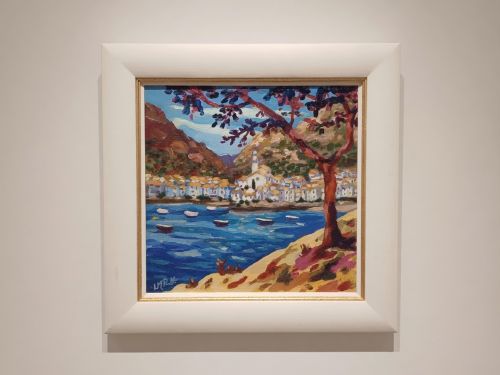
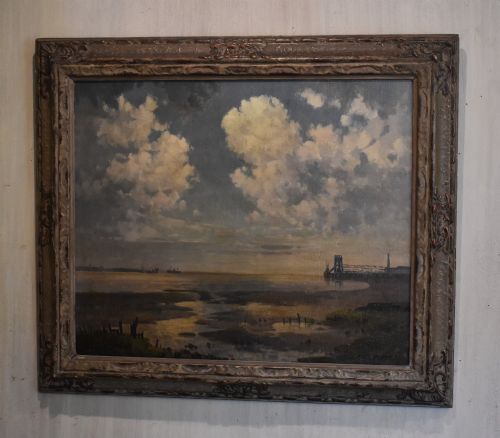
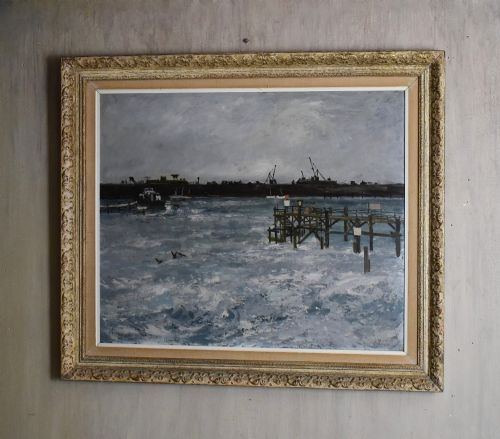
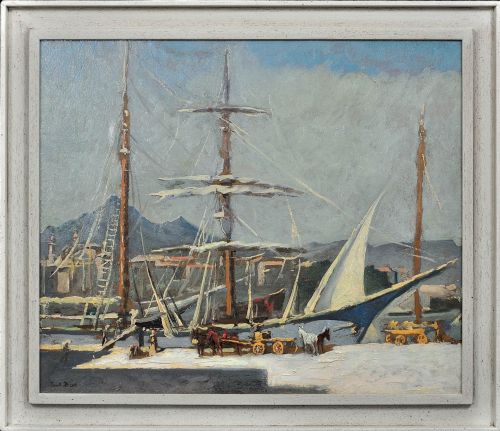
Framed coastal wall art brings the open sea and rugged shorelines indoors through historic watercolours and oil paintings.
Framed Coastal Wall Art
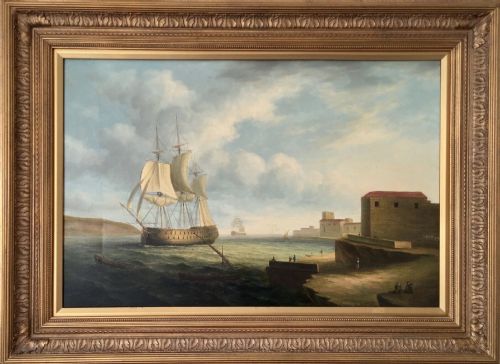
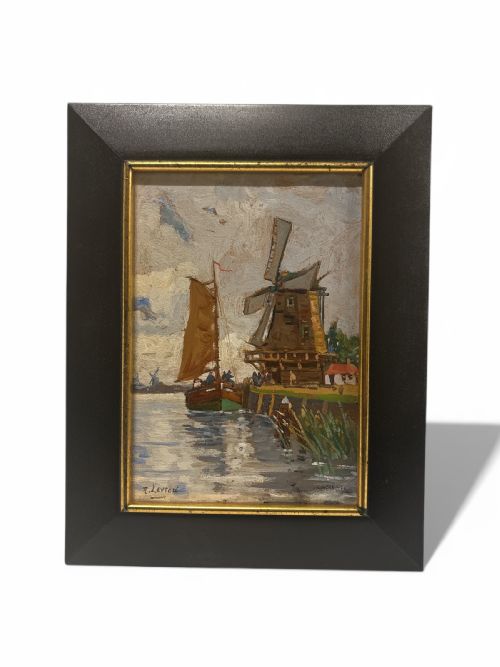
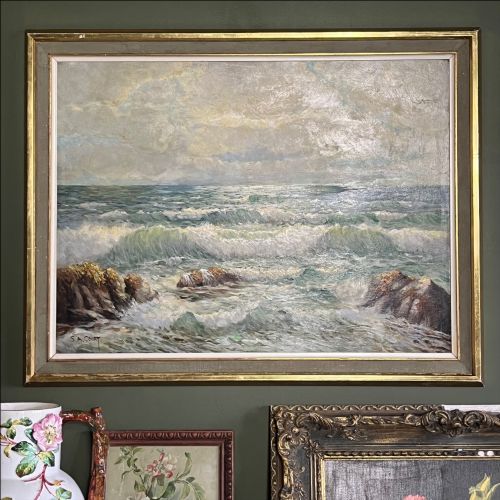
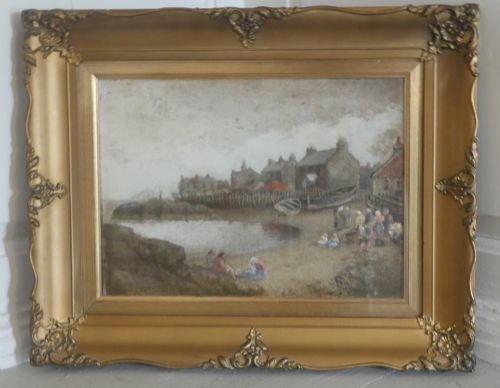
Buyers seeking framed coastal wall art find maritime views, harbour scenes, and open seascapes rendered across the nineteenth and twentieth centuries. These works capture fishing boats, rocky cliffs, and tidal inlets through traditional British and European painting traditions.
The pieces on this page lean heavily towards nineteenth-century maritime watercolours and early twentieth-century oil paintings. Subjects range from tranquil Cornish coves to dramatic North Sea gales captured by period artists.
How they were made
Artists built these scenes using oil paint on canvas or panel, alongside watercolour applied to paper, often working en plein air to capture immediate atmospheric light. Canvases and watercolours are typically housed in period wood frames, frequently finished with gilt detailing.
The physical construction relies on stretched canvas, wooden panel supports, and heavy paper sheets protected beneath glass where watercolours are used.
Framed Coastal Wall Art Retail Price Guide 2026
Typical asking prices for framed coastal wall art among the pieces listed under this phrase on Sellingantiques today, from the lower quarter to the upper quarter. They describe what is for sale here now, not the wider market.
Current listings feature works spanning from the nineteenth century through the mid-twentieth century, utilising oil paint, watercolour, canvas, and wood.
What varies in quality
Quality rests upon the artist's handling of light, movement, and maritime atmosphere, where confident brushwork separates skilled observation from rigid composition. The sensitivity of the colour palette and the harmony between the painting and its original frame dictate the standing of a piece.
Condition of the canvas, stability of the oil paint, and preservation of the paper beneath glass influence how well the original execution survives today.
James Hardy·James Orrock·Sidney A Court·John E Aitken·William Banks Fortescue·Augusto Alberici·Bonaventura Peeters·Clive Browne·Peter Brannan·Paul Bret·Bernard Benedict Hemy·Thomas Creswick·James Fry·Ethel Sands·Thomas Maidment·TB Hardy·Donald McIntyre·Cecil Allan Mould·John Wilson Carmichael·Abraham Cooper·Erich Mercker·William Matthison·William Henry Williamson·George Stanfield Walters
The Framed Coastal Wall Art Glossary
- Seascape
- A work of art depicting the sea, ships, or coastal views. These subjects formed a major focus for nineteenth-century British painters.
- En plein air
- The act of painting outdoors to capture direct natural light and weather. This method defined much of the coastal work produced in the nineteenth and twentieth centuries.
- Gilt frame
- A wooden picture frame coated with gold leaf or metallic paint. Many period marine oil paintings retain these ornate borders.
- Watercolour
- A paint consisting of pigment suspended in a water-based solution, applied to paper. This medium was widely used for coastal sketches and detailed harbour views.
Framed Coastal Wall Art: Frequently Asked Questions
How do I date a coastal painting?
Dating relies on stylistic clues, framing materials, and artist signatures recorded on the canvas or paper. Costume details on figures and the type of vessels depicted also point to specific decades.
Period pigments and canvas stamps offer further evidence for establishing when a work was executed.
Where should I hang a marine painting?
These works suit well-lit spaces away from direct sunlight and damp conditions, which can damage canvas and paper. Pairing them with traditional wooden furniture complements their historic character.
Ensure the wall space allows larger oil paintings room to breathe without crowding.
What is the difference between oils and watercolours here?
Oil paintings use thick pigments on canvas or panel, offering rich textures and deep tones suited to dramatic seas. Watercolours employ translucent washes on paper, creating lighter and more delicate atmospheric effects.
Watercolours require glass protection, whereas most oil paintings remain open to the air.
How do I identify a harbour scene from the nineteenth century?
Nineteenth-century harbour views typically feature sailing vessels, steam packets, and working figures dressed in period attire. The painting techniques reflect academic realism or early impressionist shifts in light.
Signatures from this era often appear in clear script in the lower corners.