




Original Landscape Artwork
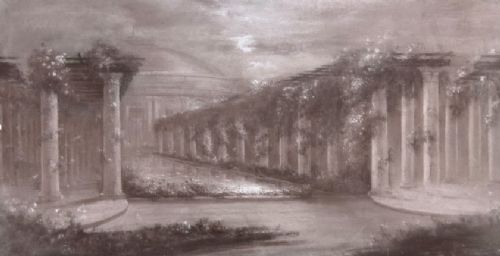
Original landscape artwork brings the outdoors inside through painted vistas of rivers, pastures and bridges.
What original landscape artwork is
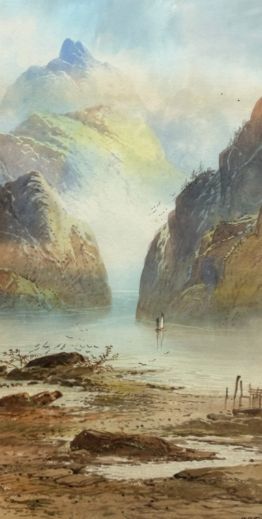
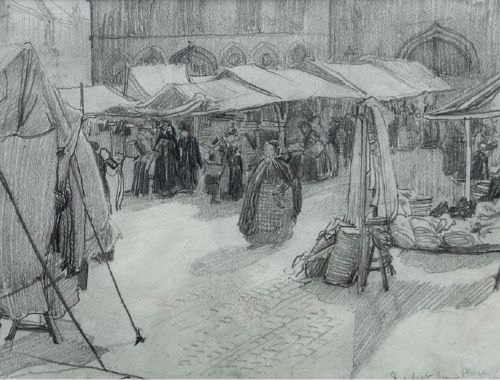
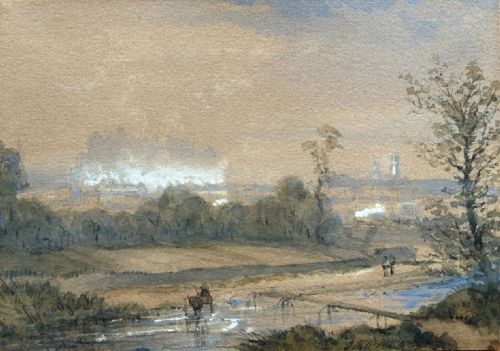
Original landscape artwork consists of unique paintings depicting natural scenery, from quiet country lanes to bustling bridges. When you search for original landscape artwork, you encounter distinct pieces rendered by hand rather than mass-produced prints.
The selections span from the Victorian era through the early twentieth century, capturing topographical views and rural life. These works include nineteenth-century oils and watercolours painted on paper and canvas.
Pieces frequently feature specific British locales such as the Isle of Man, Yorkshire and the River Teme. Artists record these locations using traditional brushwork characteristic of British Impressionism and Impressionist Realism.
How they were made
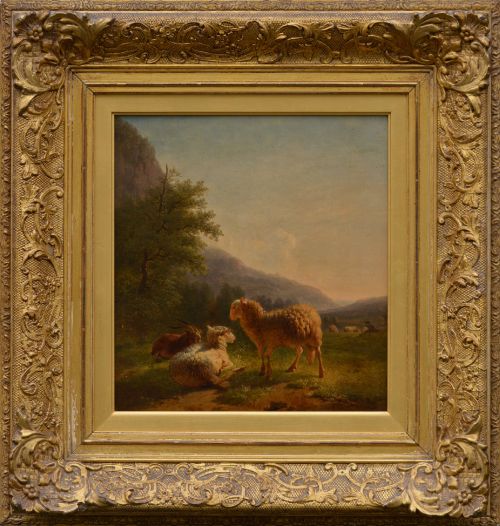
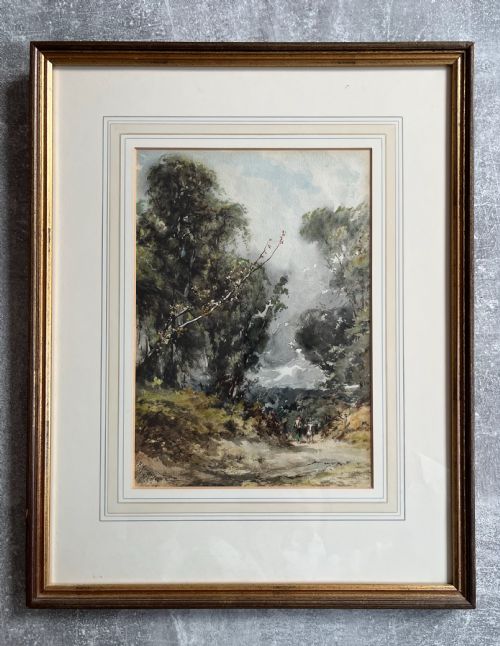
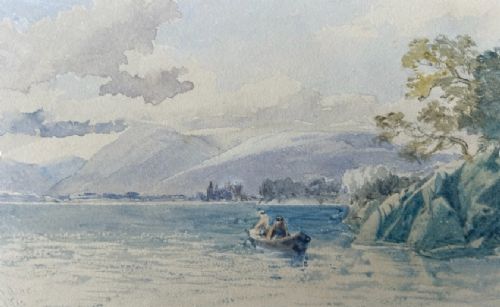
Makers utilised traditional mediums including oil paint and watercolour pigment applied to canvas, paper and wooden supports. Canvases provide texture for oil paintings, while paper serves as the primary base for fluid watercolours.
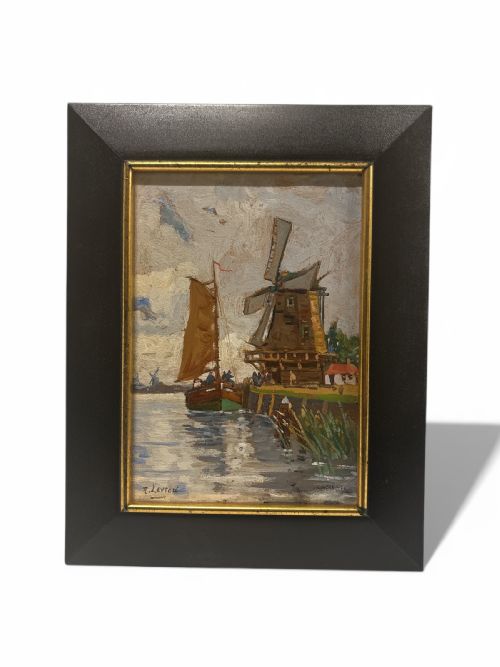
Painters framed their finished works behind glass or within gilt wooden frames to preserve the pigments. These materials reflect the standard studio practices of nineteenth and early twentieth-century artists.
Retail Price Guide 2026
Typical UK retail prices for original landscape artwork, calculated from the Sellingantiques database of over a million retail prices indexed since 2003. This retail price guide relies exclusively on Sellingantiques data; no external sources or auction records are used, so the figures do not describe the wider market.
Listings feature works from the Victorian era and nineteen-ten, utilising canvas, paper, oil paint and watercolour pigment.
What varies in quality
Quality rests upon the artist's ability to capture light, atmosphere and perspective within the painted scene. Superior works display confident brushwork and balanced composition that bring depth to the natural setting.
The preservation of the original pigments and the integrity of the canvas or paper surface distinguish finer examples. Original frames with period gilt also contribute to the overall execution and historical context of the piece.
John McDougal·GEORGE GRAHAM·Owen Bowen
The Original Landscape Artwork Glossary
- Oil paint
- A slow-drying paint made of pigment suspended in a drying oil, commonly linseed. This medium allows artists to build rich textures and deep colour gradations.
- Watercolour
- A paint consisting of pigment suspended in a water-soluble vehicle. Artists apply these transparent washes to paper to achieve luminous effects.
- Canvas
- A heavy woven fabric used as a surface for oil painting. It is typically stretched across a wooden frame before application.
- Gilt
- A thin layer of gold leaf applied to wood or other surfaces. This finish is commonly found on traditional picture frames.
- British Impressionism
- An artistic movement focusing on everyday subject matter and loose brushwork. Practitioners captured natural light outdoors rather than inside a studio.
Frequently Asked Questions
What is original landscape artwork?
Original landscape artwork refers to hand-painted depictions of natural scenes created using oil or watercolour on canvas or paper.
These unique pieces capture specific geographical locations and rural vistas from historical periods.
How do I care for my painting?
Protect oil and watercolour paintings by keeping them away from direct sunlight and excessive moisture. Glass-fronted frames help shield delicate watercolours on paper from airborne dust and humidity.
Maintain stable room temperatures to prevent the wood and canvas supports from warping over time.
Are these paintings signed?
Many historical landscape paintings feature the artist's signature inscribed directly onto the canvas or paper surface.
Signatures provide direct attribution to the painter and help establish the origin of the piece.
What mediums were used?
Artists created these landscapes using oil paint on canvas and watercolour pigment on paper.
These traditional materials were often complemented by wooden supports and gilt frames.
How are periods identified?
Periods are determined through stylistic traits, framing materials and recorded artist working dates. Victorian and early twentieth-century works display distinct brush techniques and subject choices.
Documentation associated with the piece often confirms the era of creation.