

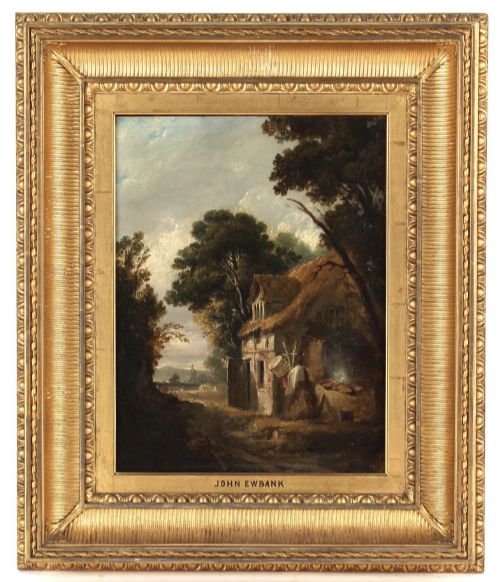
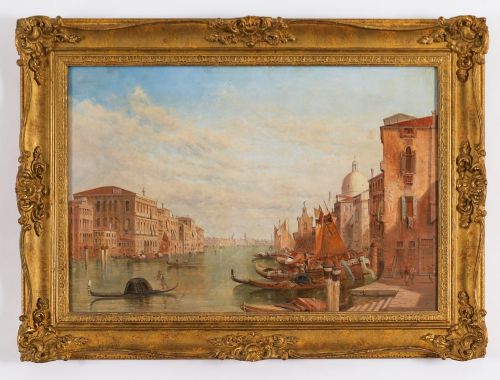
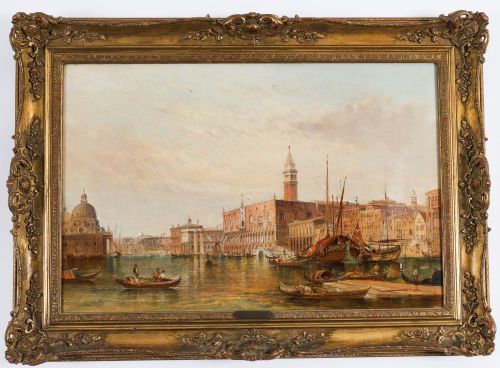
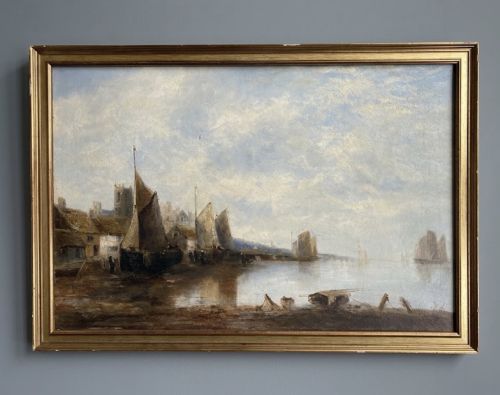
Canvas Landscape Painting
When you search for canvas landscape painting, you find centuries of artists capturing open skies, quiet rivers and rugged coastlines.
Canvas Landscape Painting
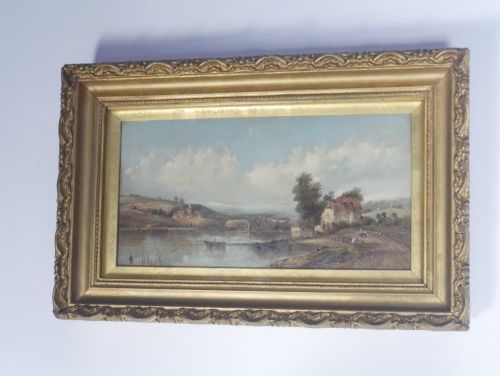
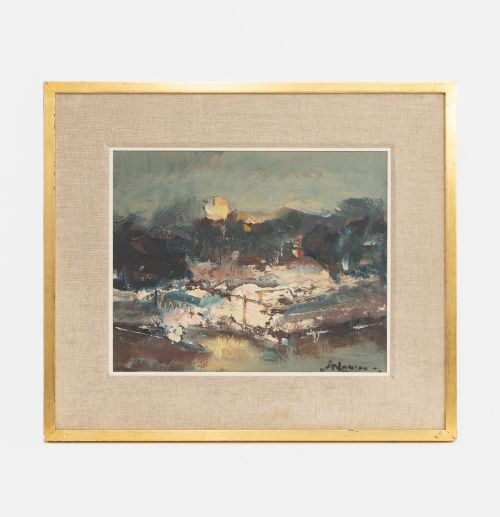
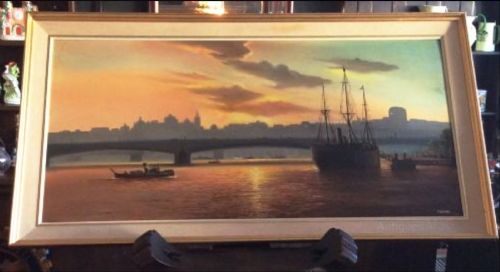
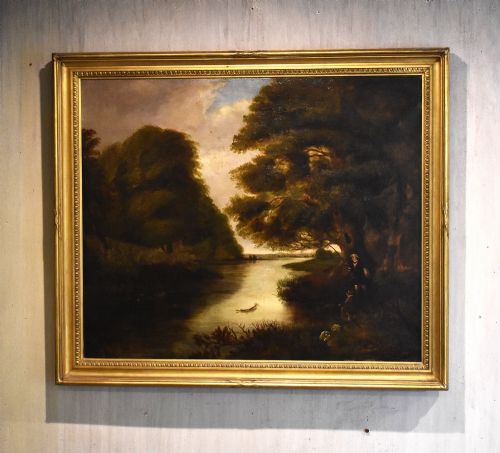
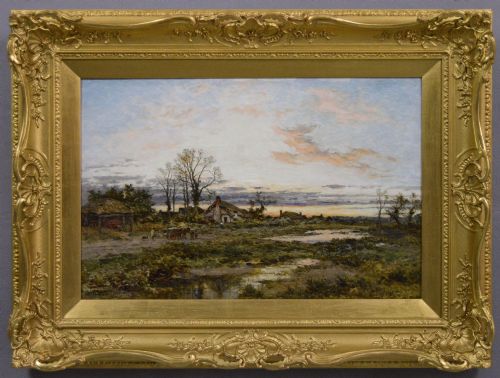
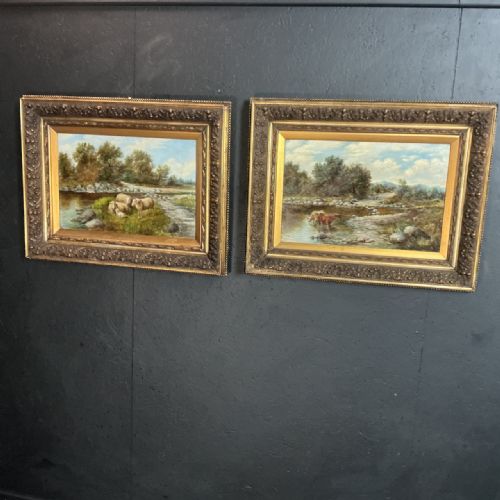
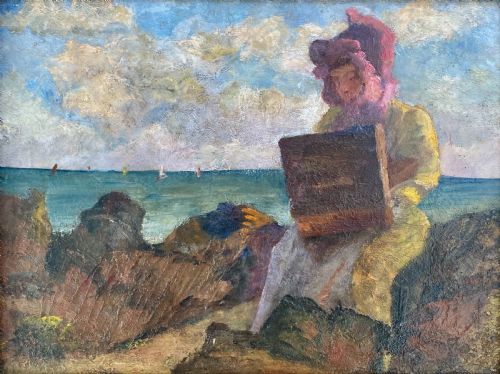
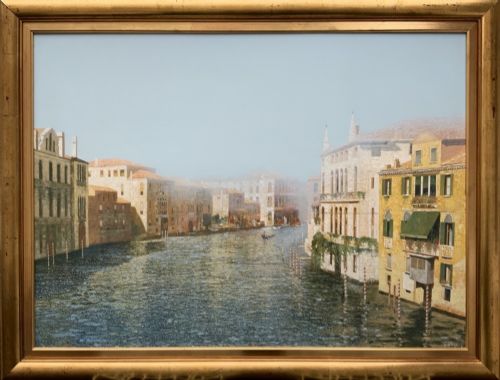
A canvas landscape painting brings the natural world indoors, recording everything from peaceful rural scenes to dramatic coastal cliffs. The selection on this page spans centuries of artistic tradition, encompassing quiet pastoral views and atmospheric riverbanks.
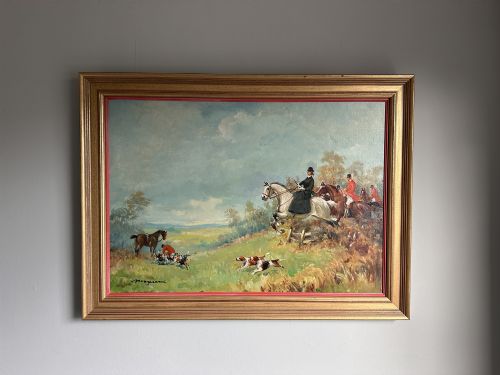
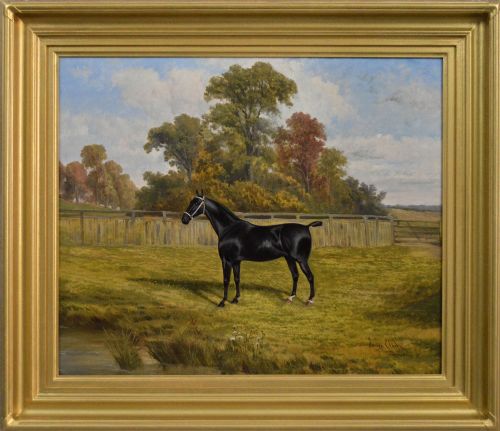
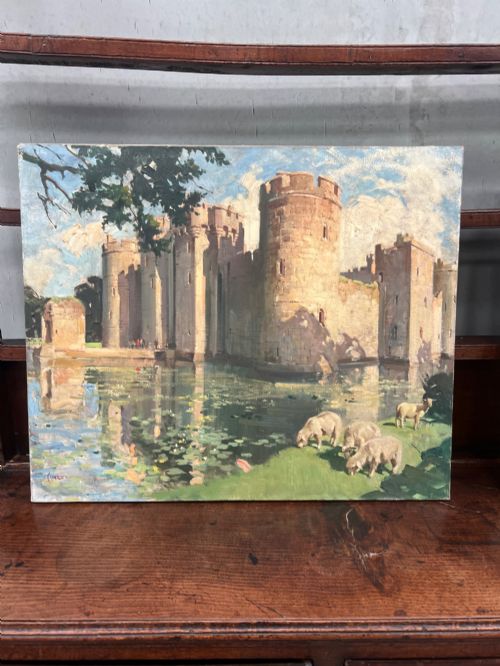
Most pieces you meet here date from the nineteenth and early twentieth centuries, reflecting a golden age of British and European plein-air and studio painting. These works capture specific terrain, often featuring grazing livestock, wandering figures or distant estate homes.
The formats range from intimate cabinet pieces designed for modest rooms to expansive canvases intended for grand wall displays. Whether depicting Scottish highlands or French farmyards, these works offer a direct window into historical topography.
How They Were Made
Artists relied primarily on oil paint applied to woven canvas supports, sometimes stretched over wooden frames or laid onto wooden boards. Giltwood frames frequently complement the compositions, adding structural weight and decorative presence.
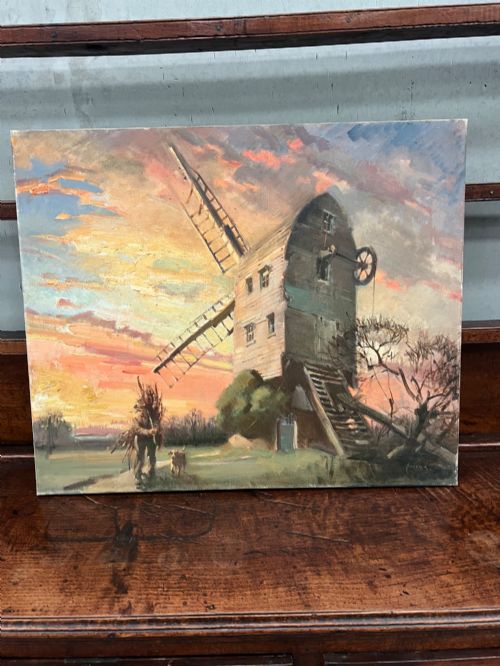
Techniques varied from smooth, academic blending to thick, textured impasto brushwork that gives physical depth to foliage, water and sky. Painters built their scenes in translucent layers, beginning with foundational grounds of gesso before applying rich pigments.
Canvas Landscape Painting Retail Price Guide 2026
Typical asking prices for canvas landscape painting among the pieces listed under this phrase on Sellingantiques today, from the lower quarter to the upper quarter. They describe what is for sale here now, not the wider market.
Several sheep, cattle and even a prize shorthorn bull manage to photobomb the grandest historic estates.
What Varies in Quality
Quality rests upon the artist's command of light, shadow and spatial depth, transforming simple topographical views into compelling visual narratives. Superior works demonstrate confident brushwork and precise atmospheric perspective that draws the viewer directly into the horizon.
The preservation of the original paint surface and the stability of the underlying canvas dictate long-term integrity. Finer examples retain their original decorative gilt frames and bear clear signatures or documented historical provenance.
Eugène Verboeckhoven·Richard Sebastian Bond·William Beattie-Brown·Hendrik Willem Schweickhardt·George Houston
The Canvas Landscape Painting Glossary
- Canvas
- A heavy woven fabric stretched tightly over a wooden frame to serve as a durable painting surface. It provides the foundational tension required for applying heavy layers of oil pigment.
- Impasto
- A technique where paint is laid onto a canvas in very thick applications that stand out visibly from the surface. This method introduces a tactile, three-dimensional quality to elements like clouds and waves.
- Gesso
- A traditional primer mixture consisting of a binder mixed with chalk, gypsum or pigment, applied to prepare wooden panels or canvases. It creates a smooth, stable seal before the artist begins painting.
- Provenance
- The documented history of ownership of an artwork, establishing its authenticity and lineage. Clear records help trace a painting back to its creation or its original exhibition.
Canvas Landscape Painting: Frequently Asked Questions
What subjects appear most often?
The compositions frequently feature rural farmlands, livestock grazing in pastures, rolling hills and winding rivers. Coastal scenes and woodland paths also appear regularly across different periods.
Artists drew inspiration from both British countryside views and continental landscapes, capturing changing seasons and varied weather conditions.
How do I hang a heavy framed canvas?
Large oil paintings require secure picture hooks fastened directly into wall studs or heavy-duty wall anchors designed for substantial weight. The hanging wire or brackets on the reverse must match the mass of the giltwood frame.
Position the centre of the canvas at average eye level to ensure optimal viewing angles within your room.
How do I determine the period of a landscape?
Stylistic clues such as brushwork technique, clothing styles of any figures present, and the framing materials offer strong chronological indicators. Nineteenth-century works often favour romantic realism, while twentieth-century examples lean towards impressionist or post-impressionist handling.
Signatures, dates inscribed on the reverse, and maker stamps on the stretcher bars provide additional confirmation.