



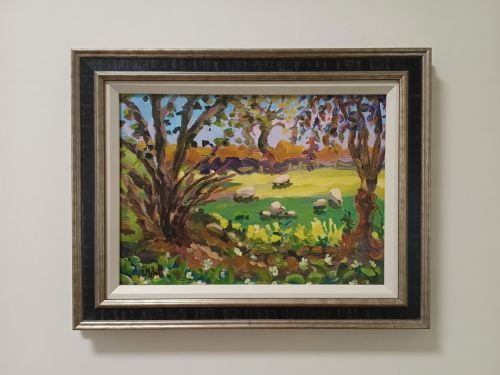
British Impressionist Art
British impressionist art captures the changing light of rural landscapes and coastal scenes through expressive brushwork.
British Impressionist Art
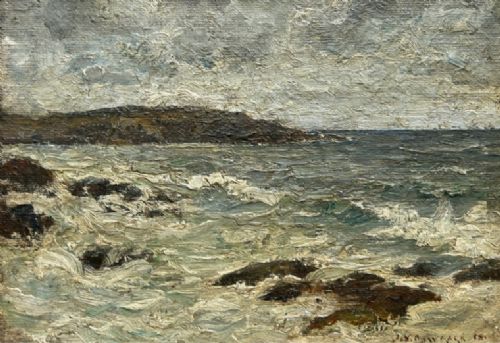
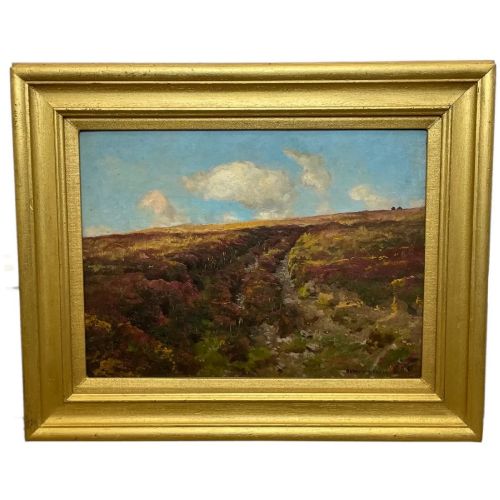
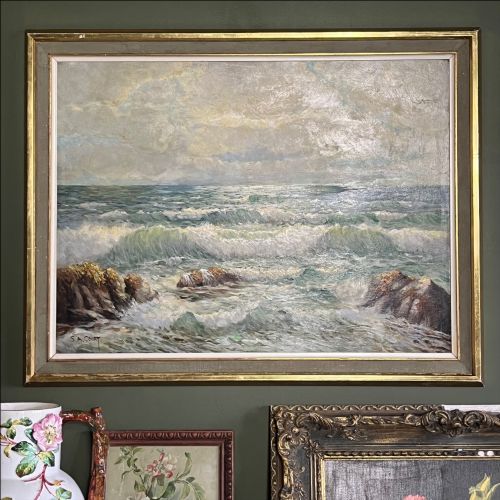
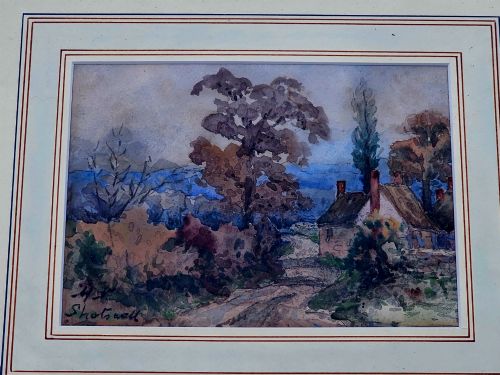
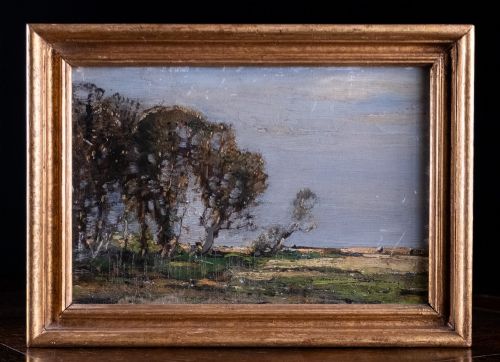
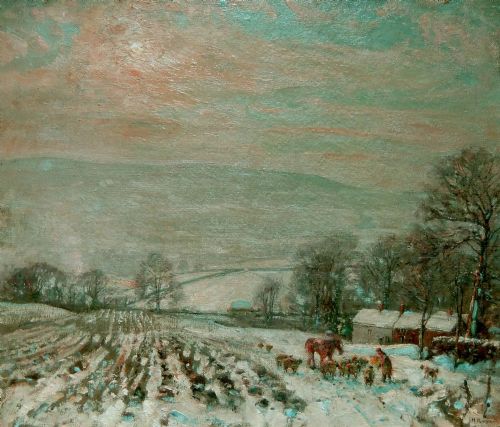
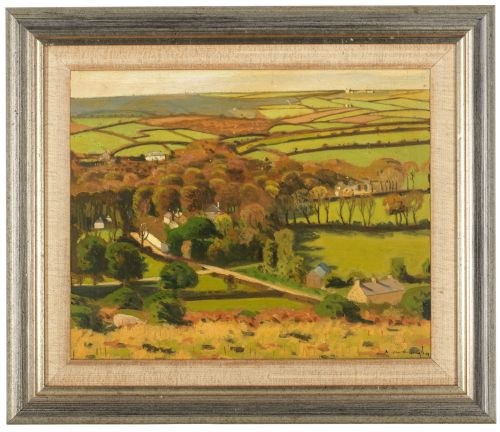
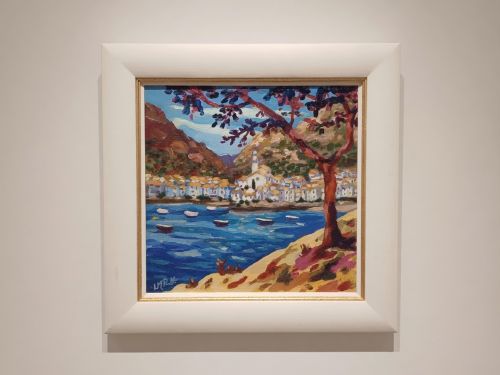
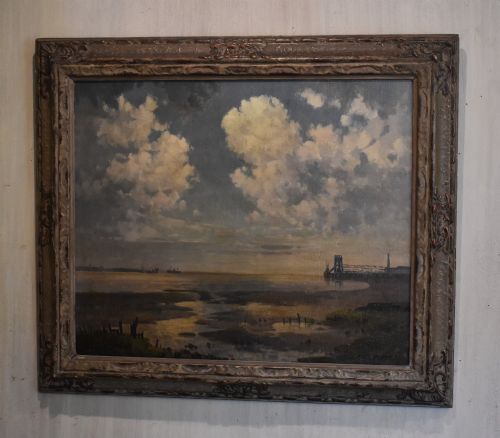
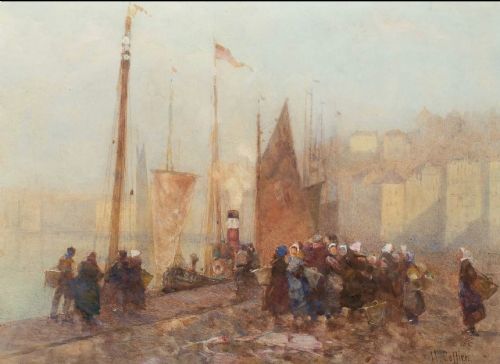
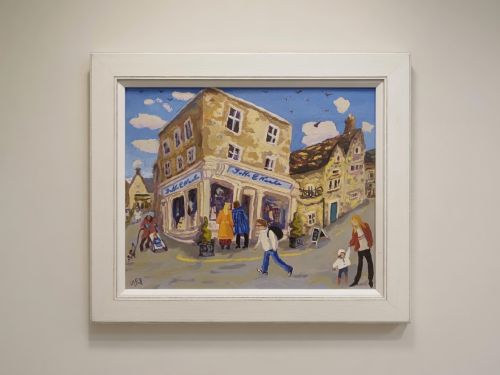
When you search for british impressionist art, you encounter oil and watercolour paintings that record coastal views, country landscapes and town scenes. These works capture light and atmosphere through visible brushstrokes rather than rigid academic finish.
The pieces on this page span from the Victorian period through the early twentieth century and into later decades. You will find coastal scenes from Cornwall alongside inland rivers, Yorkshire pastures and urban sketches.
Most examples take the form of framed paintings on canvas, board or paper. They range from small en plein air panels painted directly outdoors to larger studio watercolours and oils.
Materials and Techniques
Painters applied oil and watercolour onto stretched canvas, wood panels, board and paper. Many works rely on impasto technique where thick pigment stands proud of the surface to catch the light.
Artists worked en plein air to record the immediate effect of weather and daylight on landscape and water. This direct approach required rapid application of paint with brushes or palette knives.
British Impressionist Art Retail Price Guide 2026
Typical asking prices for british impressionist art among the pieces listed under this phrase on Sellingantiques today, from the lower quarter to the upper quarter. They describe what is for sale here now, not the wider market.
The listings span from the Victorian era through the 1950s and into later decades, utilising canvas, wood, paper and glass.
Distinctions in Quality
The strength of a composition lies in the confidence of the brushwork and the handling of natural light. Superior pieces demonstrate a sure command of tone that suggests atmosphere without relying on laboured detail.
Condition plays a part, particularly the stability of the paint layer on canvas or panel and the preservation of watercolour pigments against fading. Original frames that complement the period of the painting add to the integrity of the piece.
Clifford Hanney·Arthur Wardle·Kershaw Schofield·Herbert Royle·Robert Morson Hughes·Lucy Pratt·Ronald Ossory Dunlop
The British Impressionist Art Glossary
- En plein air
- Painting outdoors on location to capture the direct effects of light and weather upon the subject. This method became central to impressionist practice.
- Impasto
- Paint applied thickly to a canvas or panel so that it stands out from the surface. The technique creates texture and catches physical light.
- Watercolour
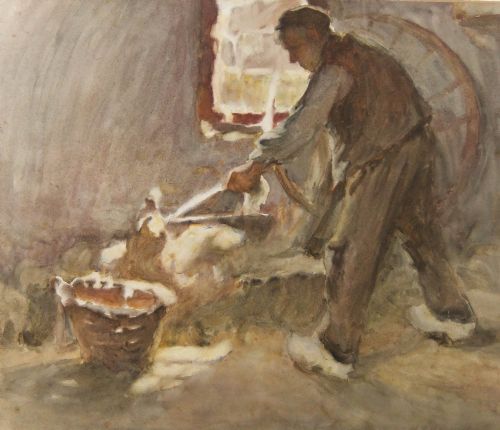
- Pigments ground in a water-soluble binder and applied to paper. It allows for translucent washes of colour.
- Oil on board
- Pigment mixed with drying oil applied to a rigid wooden or composition board rather than woven canvas. It provides a stable, flat support for sketching.
British Impressionist Art: Frequently Asked Questions
How do I care for these paintings?
Keep oil and watercolour works out of direct sunlight to prevent fading of pigments and degradation of paper or canvas supports.
Maintain stable room temperatures and avoid hanging pieces in damp areas or near heat sources.
Were these painted outdoors?
Many of these works were executed en plein air to capture the fleeting effects of natural light and weather conditions.
Artists often carried portable panels or sketchbooks into the countryside or along the coast for direct observation.
What subjects are most common?
Coastal scenes from Cornwall, rural river landscapes, rural pastures with sheep, and town views appear frequently across the selection.
Artists also turned inwards to create self-portraits and garden scenes.
How do I date an oil painting?
Examine the support material, framing style, stretcher construction and any signatures or inscriptions on the reverse of the canvas or board.
Artist biographical dates and recorded exhibition years also provide a reliable window for the creation period.