

Antique Framed Painting
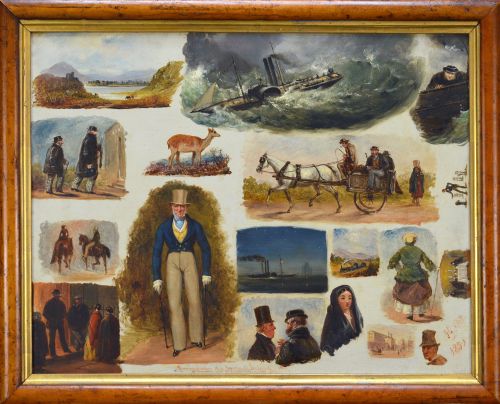
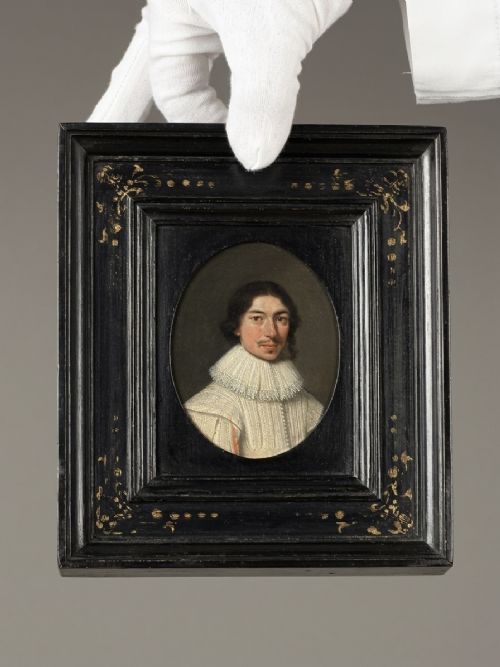
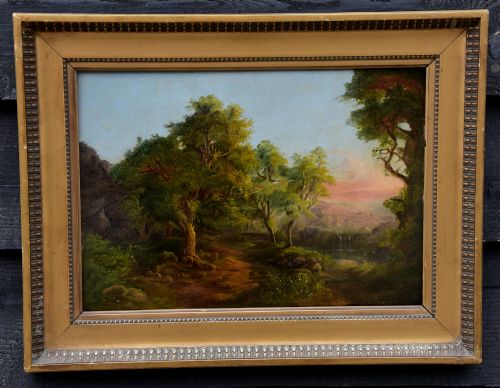
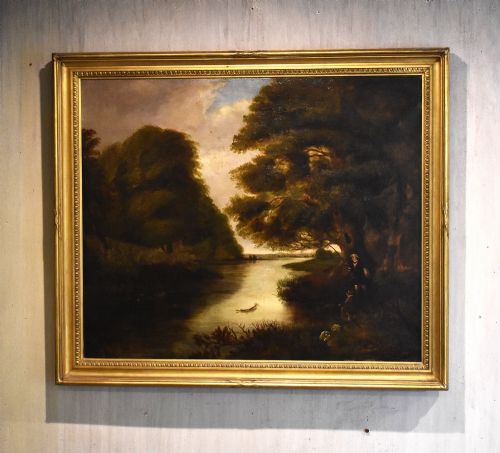
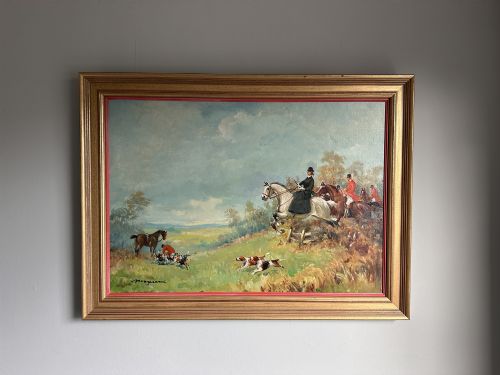
These antique framed painting works span centuries of portraiture, landscape, and maritime subjects preserved within period surrounds.
Antique Framed Painting
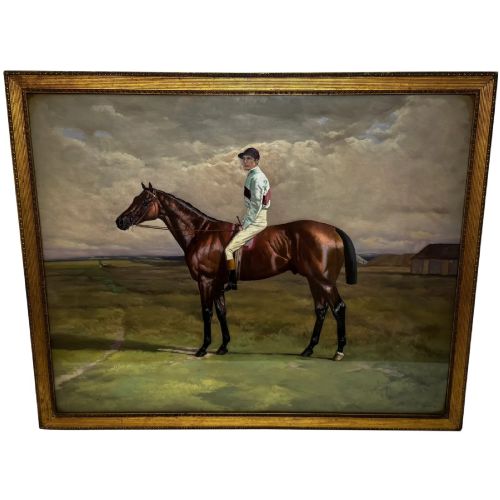
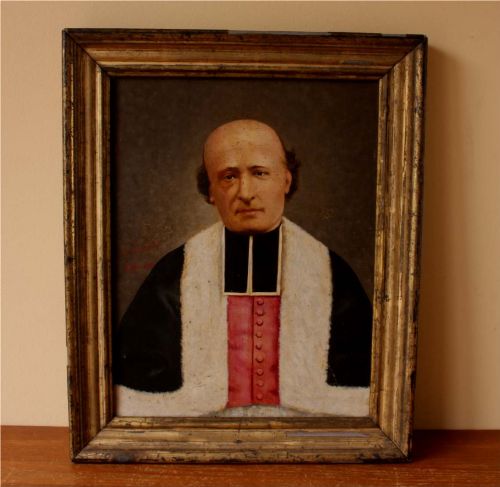
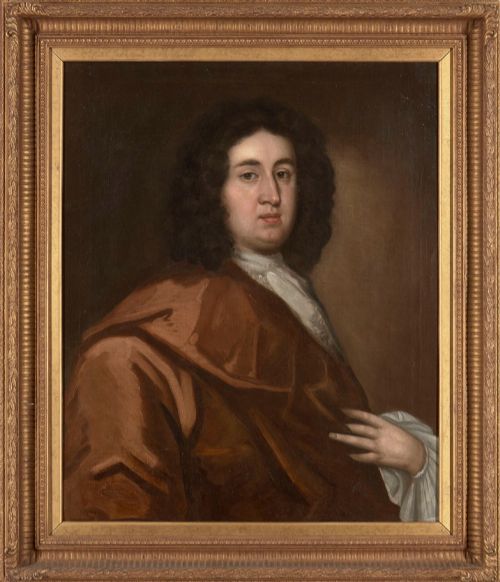
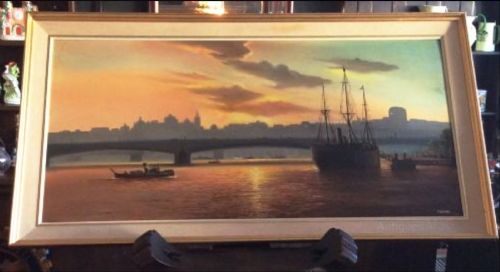
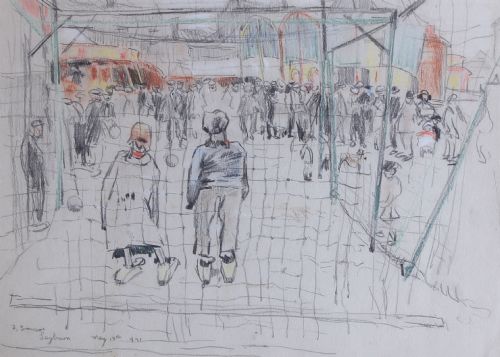
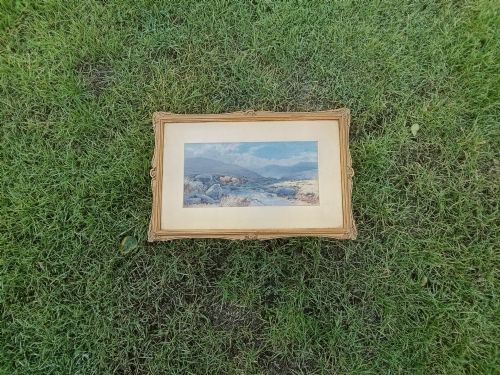
When searching for an antique framed painting, collectors encounter centuries of historical imagery ranging from formal 17th-century oil portraits to 19th-century watercolours and maritime scenes. The majority of pieces on this page comprise English and European school works executed on canvas, wood panel, or paper.
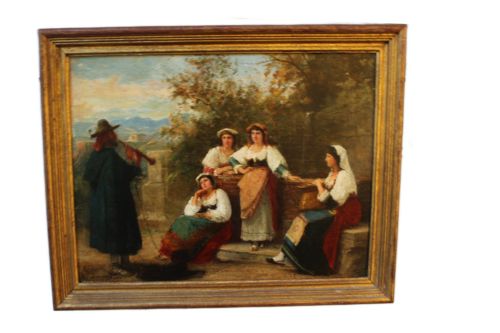
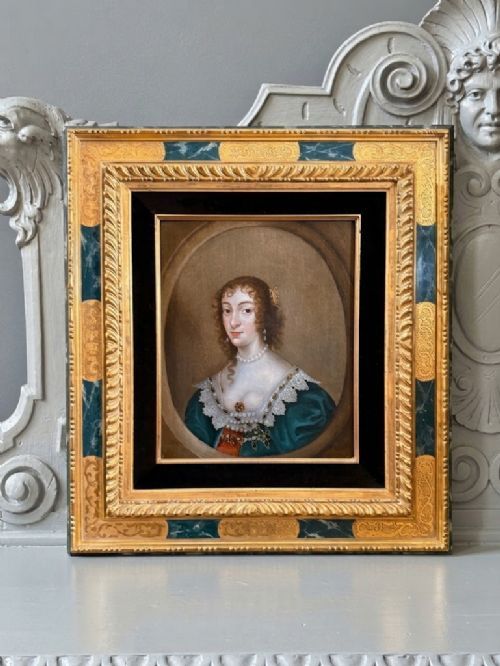
Subjects vary widely from detailed botanical and animal studies to romantic landscapes, architectural interiors, and aristocratic portraiture. Many works retain their original giltwood or timber surrounds, providing a cohesive presentation that reflects the aesthetic of the period.
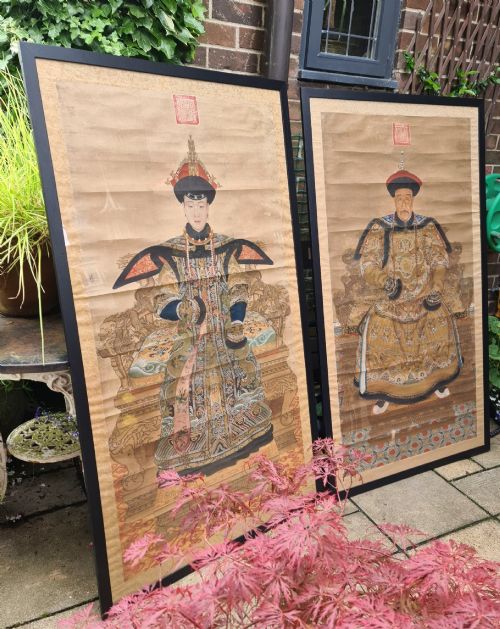
Regional works, Chinese export watercolours, and provincial British scenes appear alongside grander academic compositions. Buyers select these works for their direct link to historical periods and the tangible skill of past makers.
How They Were Made
Makers applied oil, watercolour, gouache, or tempera onto prepared supports of woven canvas, wooden panel, card, or textile. Canvases were typically stretched over wooden frames and primed with gesso before painting, while panels utilised seasoned hardwoods.
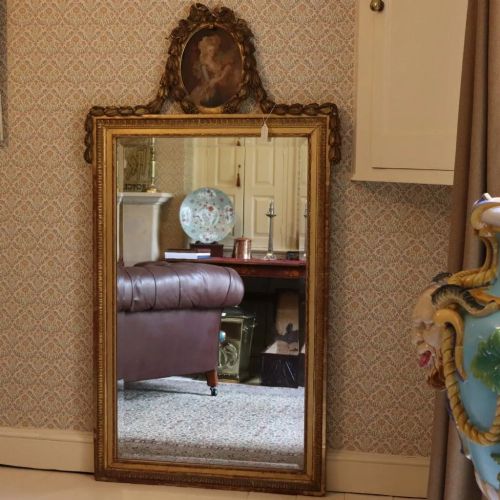
Surrounds were constructed from timber, then gilded with gold leaf or painted to complement the artwork. Water gilding involved applying layers of gesso and bole before laying fine gold leaf, which was subsequently burnished to a high finish.
Antique Framed Painting Retail Price Guide 2026
Typical asking prices for framed painting among the pieces listed under this phrase on Sellingantiques today, from the lower quarter to the upper quarter. They describe what is for sale here now, not the wider market.
A painted lady wearing a lace bonnet gazes out across the centuries from her original giltwood window.
What Varies in Quality
Quality rests in the precision of the brushwork, the anatomical accuracy of figures and animals, and the depth of the composition. Master works demonstrate confident handling of light, shadow, and texture, whereas simpler provincial pieces show a more naive execution.
The relationship between the painting and its surround influences desirability, with original period frames adding considerable integrity. Works by documented artists command greater attention than anonymous school pieces, though condition and visual strength remain paramount.
David Law·George Sydney Shepherd·Joseph Clover·Henry Barraud·Irene Christobelle Pownoll Williams·H Medlycott·Guido Bach·Theude Gronland·Sir Joseph Noel Paton·James Hardy·Bruce Bairnsfather·Sir Godfrey Kneller·Charles Jervas·Charles Antoine Coypel·Sir Joshua Reynolds·William Oliver·Richard Sebastian Bond·Jean Baptiste Van Loo·William Henry Williamson·Samuel Prout·Olive Higginbottom·A Collin·F Stanfield·JMW Turner·P Foley
The Antique Framed Painting Glossary
- Oil on Canvas
- Pigments suspended in a drying oil applied to a woven fabric support. This combination allowed artists to achieve rich colour depths and subtle blending.
- Giltwood
- Timber carved and coated with gold leaf or metallic powder. It forms the decorative border around many period artworks.
- Watercolour
- Pigments bound in a water-soluble medium applied to paper or card. This technique relies on the reflective quality of the white paper beneath transparent washes.
- Panel Painting
- Artwork executed on a rigid flat surface made of wood rather than flexible canvas. Oak and mahogany were frequently utilised for stability.
- School
- A group of artists working in a similar style, region, or period under the influence of a master. Attribution to a specific school denotes geographical and stylistic origin.
Antique Framed Painting: Frequently Asked Questions
How do I identify the age of an antique painting?
Age is determined by examining the materials of the support, the formulation of the pigments, and the construction methods of the stretcher or panel. Stylistic cues in costume, hair, and framing also provide reliable chronological markers.
Secondary indicators include old inscriptions, artist signatures, and remnant maker labels affixed to the reverse of the stretcher or frame.
Are original frames important for these artworks?
Original surrounds contribute significantly to the historical integrity of a piece by preserving the aesthetic context in which it was intended to be viewed. Matching the age of the surround to the canvas ensures the presentation remains historically accurate.
Many collectors prioritize pieces that retain their period giltwood surrounds over those that have been re-framed in modern times.
What is the difference between oil and watercolour paintings?
Oils utilise pigment bound in drying oils applied to canvas or panel, offering rich textures, deep tones, and the ability to work in opaque layers. Watercolours use water-soluble binders on paper, creating translucent washes and lighter effects.
Watercolours generally require protective glass framing to prevent moisture damage, whereas oil on canvas allows the paint surface to breathe.
How should I care for an antique painting at home?
Artworks should be displayed away from direct sunlight, high humidity, and rapid temperature fluctuations to prevent the cracking of paint and warping of wood panels or stretchers. Gentle dusting with a soft, dry brush is sufficient for routine maintenance.
Avoid using liquid cleaners or chemical solvents on the paint surface or gilded surrounds, as these can strip historical layers.