
Nineteenth Century Painting
When you search for nineteenth century painting, you find works executed in oil and watercolour that capture portraits, landscapes, and maritime scenes.
Nineteenth Century Painting
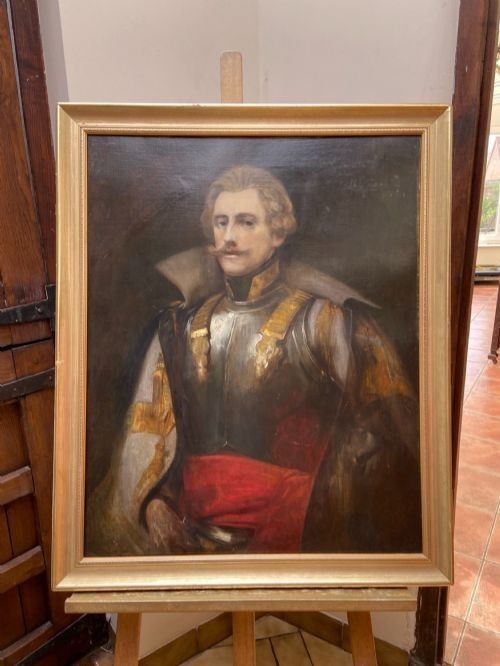
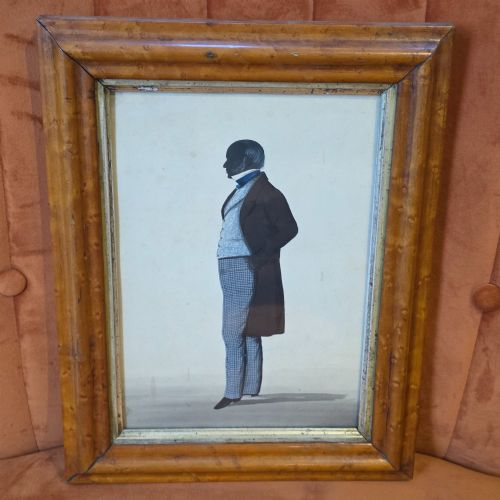
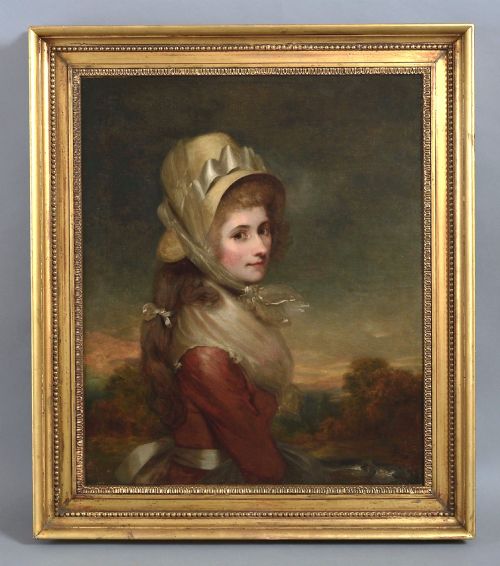
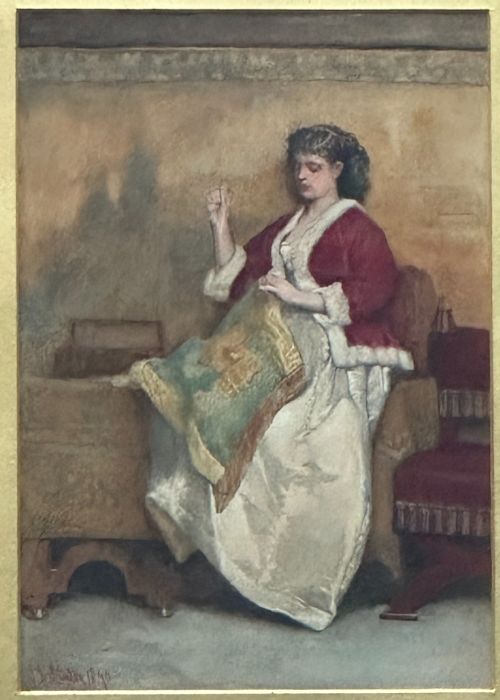
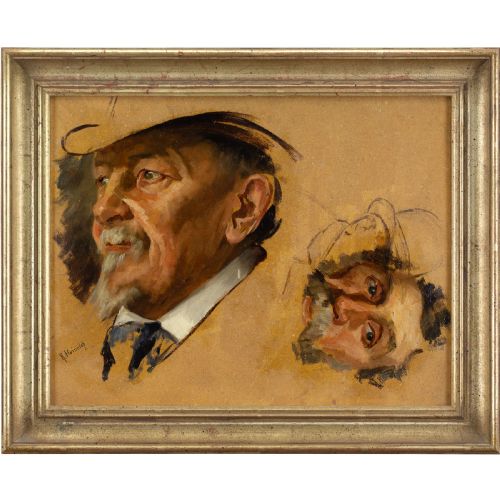
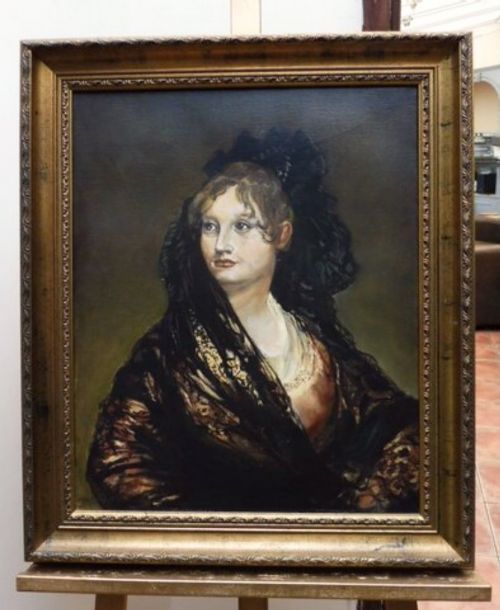
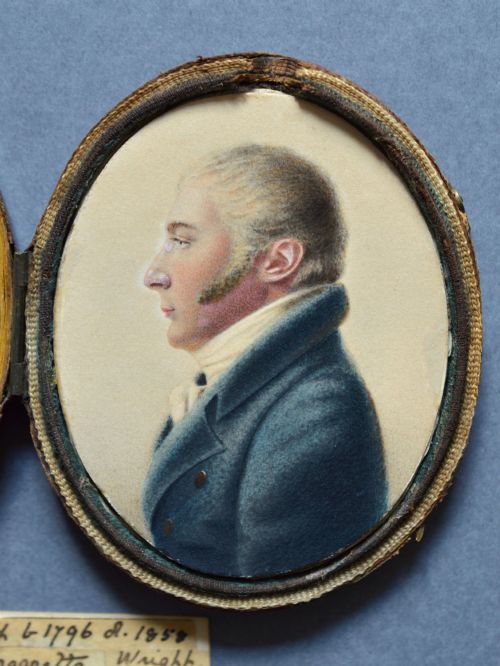
A nineteenth century painting encompasses canvas works, panel pieces, and watercolours produced across the Victorian era and earlier decades. Buyers frequently encounter framed portraits of ladies, gentlemen, and children alongside landscapes and marine subjects.
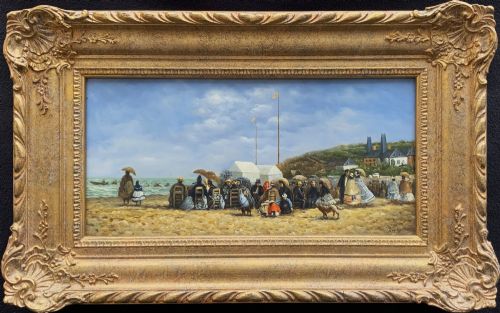
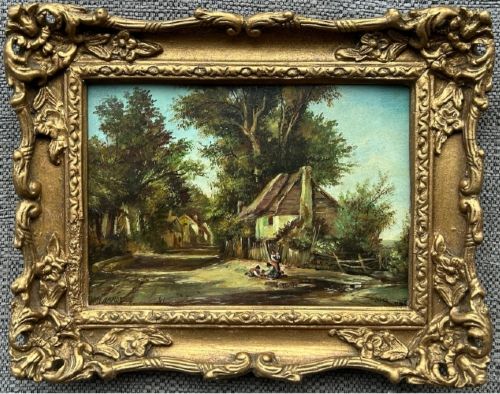
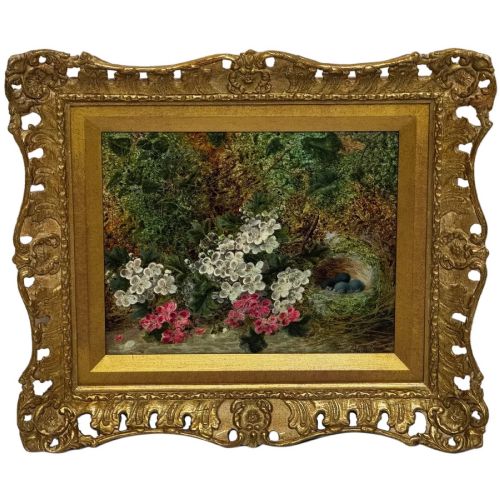
The selections span British and continental schools, including Barbizon landscapes and Post-Impressionist seaside gatherings. Artists of the period worked within established traditions of portraiture and topographical view-painting, often recording specific domestic animals, estates, or foreign vistas.
Materials and methods
Makers applied oil paint to stretched canvas or wooden panels, whilst watercolourists worked on paper sheets. Pigments were bound with oils or gums, yielding opaque impasto textures in oil or translucent washes in watercolour.
Many surviving examples retain their original wooden frames, frequently finished with gold leaf or gilt wood ornamentation. Canvases were secured to wooden stretchers, and panel paintings utilised prepared timber boards.
Nineteenth Century Painting Retail Price Guide 2026
Typical asking prices for nineteenth century painting among the pieces listed under this phrase on Sellingantiques today, from the lower quarter to the upper quarter. They describe what is for sale here now, not the wider market.
The listings combine oil paintings and watercolours on canvas, panel, and paper from the nineteenth century and Victorian periods.
Distinctions in execution
Execution quality separates straightforward commercial studio output from accomplished works by named artists or recognised schools. Mastery of light, proportion, and tonal depth defines the distinction between standard decorative canvases and superior artistic records.
Condition of the painted surface and preservation of the ground layer influence the integrity of the piece. Intact original frames and documented provenance further distinguish works of higher standing.
Sir Martin Archer Shee·Sir James Dromgole Linton·William Howard Hardy·Robert Heinrich·Thomas John Horsley·Oliver Clare·James Kay·C Sørensen·Alfred Pollentine
The Nineteenth Century Painting Glossary
- Oil on Canvas
- Pigment mixed with drying oil applied to a woven fabric support. This combination allowed artists to build rich textures and blend colours across the surface.
- Watercolour
- A paint medium utilising water-soluble pigments applied to paper. It produces translucent layers well suited to delicate portraiture and topographical views.
- Panel Painting
- An artwork executed on a flat wooden board rather than canvas. These rigid supports were common in earlier and regional traditions.
- Barbizon School
- A group of French landscape painters active in the mid-nineteenth century. They focused on direct observation of nature, farmyards, and rural scenery.
- Post-Impressionism
- An artistic development following Impressionism where painters explored structured forms and expressive content. Works in this vein often depict scenes of everyday life and coastal gatherings.
Nineteenth Century Painting: Frequently Asked Questions
What subjects appear in these paintings?
Portraits of individuals, pastoral landscapes, and coastal marine views dominate the subjects recorded in these works. Artists also documented domestic animals, architectural landmarks, and interior domestic scenes.
These varied compositions reflect the artistic interests and domestic commissions characteristic of the period.
How do oil and watercolour differ?
Oil paintings utilise pigment bound in drying oil applied to canvas or wood, creating rich, opaque surfaces. Watercolours employ water-soluble pigments on paper, producing lighter, translucent effects.
Both mediums were widely used by artists throughout the nineteenth century depending on the intended setting.
How are periods identified?
Periods are determined through stylistic evidence, artist signatures, dated inscriptions, and framing materials. Portrait dress and landscape motifs also offer clues to the decade of creation.
Archival records and provenance details frequently confirm the era of production.