


Victorian Fine Art
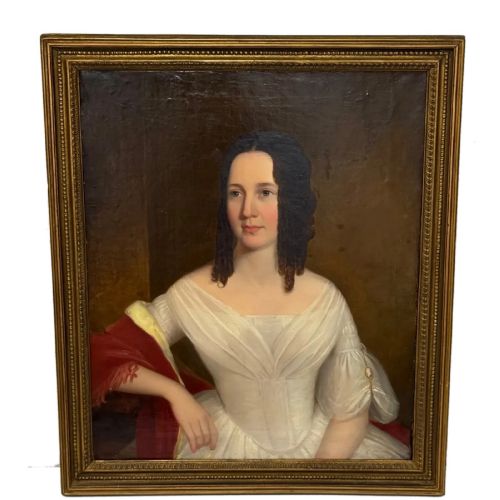
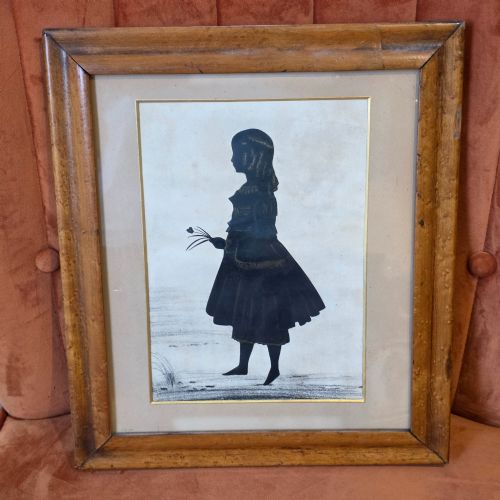
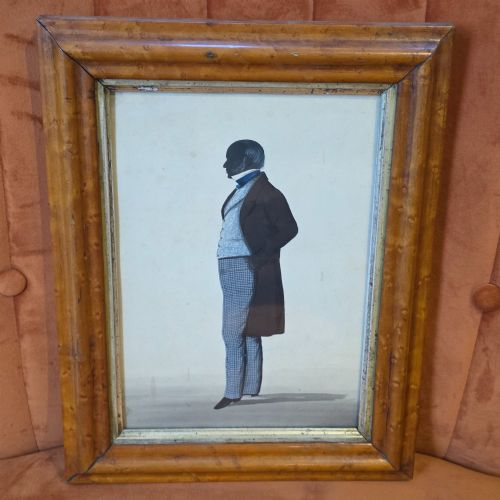
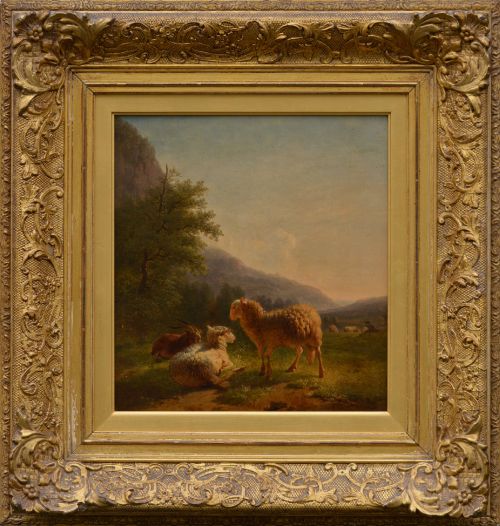
When you explore victorian fine art, you encounter oil paintings, watercolours, and silhouettes carrying the distinct visual weight of the nineteenth century.
Victorian Fine Art
Victorian fine art encompasses nineteenth-century paintings, watercolours, and framed artworks produced across Britain and continental Europe. The selection spans portraits, landscapes, genre scenes, and still life compositions created during the reign of Queen Victoria and surrounding decades.
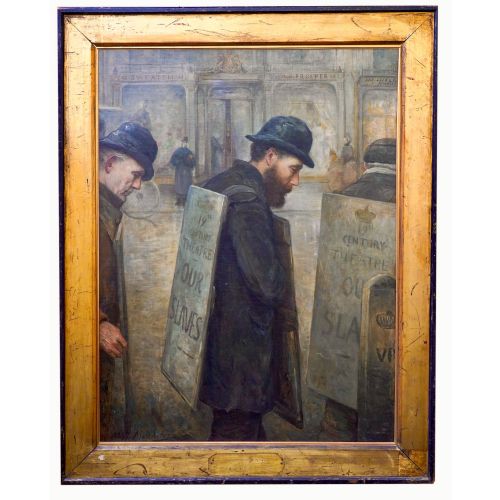
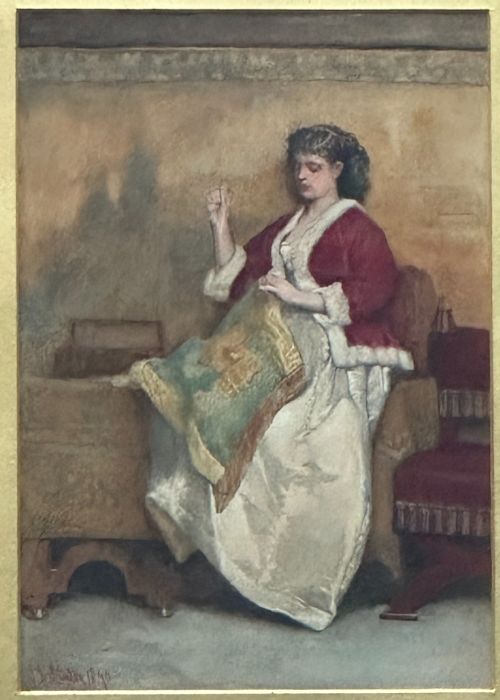
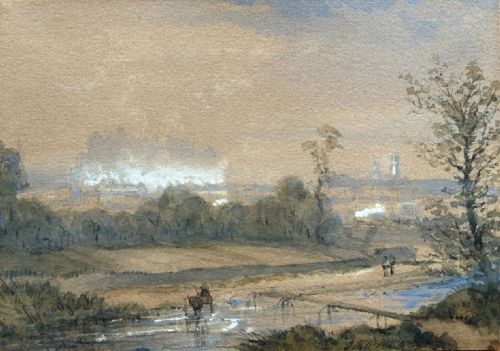
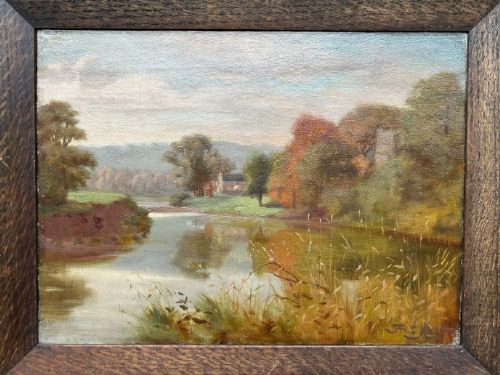
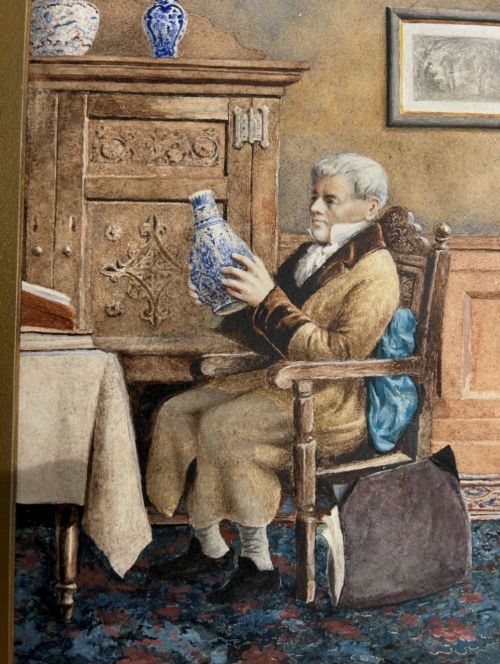
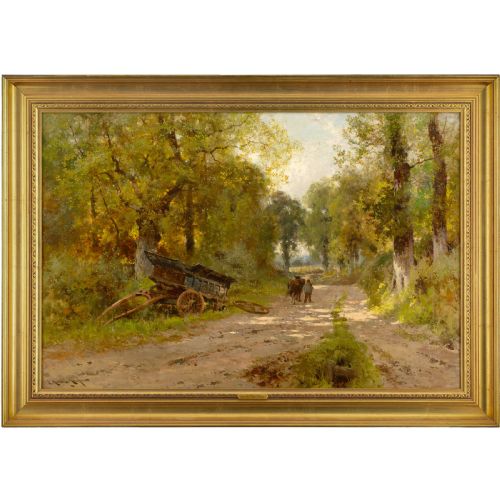
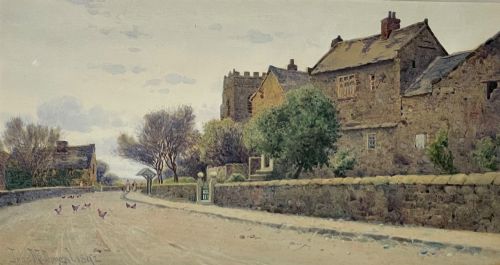
Oil paintings on canvas and panel form the majority of the works encountered here, alongside detailed paper watercolours. Figures such as landscape views, domestic interiors, and character studies appear frequently throughout the inventory.
Materials and methods
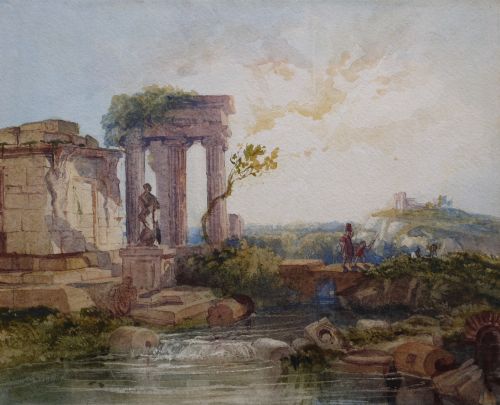
Artists of this period utilised oil paint on stretched canvas or wooden board, building rich surface textures through layered brushwork. Watercolours were applied to heavy paper stocks, often complemented by intricate hand-cut paper silhouette work.
Victorian Fine Art Retail Price Guide 2026
Typical asking prices for victorian fine art among the pieces listed under this phrase on Sellingantiques today, from the lower quarter to the upper quarter. They describe what is for sale here now, not the wider market.
Listings span the nineteenth century, featuring oil on canvas, watercolours, and gilt wood frames across various academic and realist styles.
Factors of quality
Technical execution and anatomical precision separate standard decorative works from master examples. The handling of light, shadow, and perspective reveals the underlying training of the artist, whether working within academic realism or romanticism.
The integrity of the original support, the stability of the paint or pigment layer, and the preservation of the period frame dictate the condition tier of each piece.
Eugène Verboeckhoven·William Beattie-Brown·Felix Stone Moscheles·Richard Principal Leitch·Sir James Dromgole Linton·John R Prentice·John Maler Collier·Frederick Marriott·Henry Stacy Marks·John Horace Hooper·John McDougal·Sir Joshua Reynolds·Sir Thomas Lawrence·Albert Clark·W.R. Waters·G. J. S. Bary·W.D. Almond·Alfred Pollentine·Howard Helmick·Edward Ladell·Adelaïde Salles-Wagner·Max Kaltenmoser·Sir John Gilbert·Ernest Arthur Rowe·Louis Charles Verwee
The Victorian Fine Art Glossary
- Genre painting
- A style depicting scenes from everyday life, often involving domestic interiors or social interactions. These works provide insight into nineteenth-century social history.
- Watercolour
- A painting method where fine pigments are suspended in a water-based solution and applied to paper. This medium was favored for both preparatory sketches and finished exhibition pieces.
- Giltwood
- Wood carved and coated with a thin layer of gold leaf. Frames finished in this manner were standard for framing significant nineteenth-century canvases.
- Realism
- An artistic movement focusing on everyday subjects and situations in an accurate, unidealized manner. Artists working in this style rejected classical mythological themes in favour of contemporary life.
Victorian Fine Art: Frequently Asked Questions
What defines nineteenth-century landscape painting?
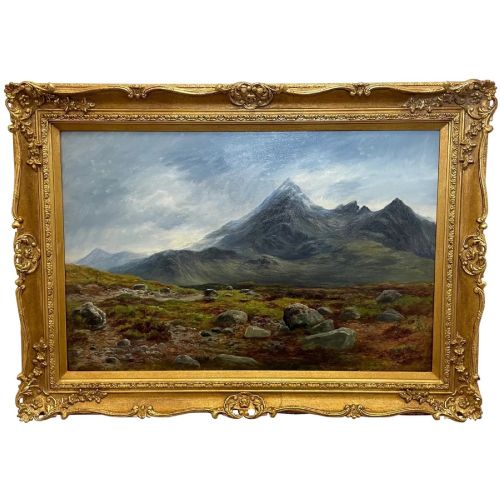
Landscapes from this era typically capture specific regional topographies, such as Scottish highlands or rural English villages, rendered with close attention to atmospheric light and weather conditions.
Artists aimed to evoke the emotional resonance of nature, aligning with romantic and realist traditions of the period.
How should oil paintings be cleaned?
Surface dust should be removed gently with a soft, dry brush, avoiding any moisture or household cleaning agents that might damage the paint or canvas.
Professional conservation is recommended for any deeper cleaning or varnish removal to preserve the integrity of the original pigments.
Are watercolours prone to fading?
Watercolour pigments on paper are sensitive to direct ultraviolet light, which can cause colours to shift or diminish over long periods.
Proper display involves positioning works away from direct sunlight and using conservation-grade framing materials.
What is the difference between an oil painting and a watercolour?
Oil paintings utilise slow-drying paint bound in oil on canvas or wood panels, allowing for heavy texture and rich colour depth. Watercolours use water-soluble pigments on paper, producing a more translucent and immediate effect.
Both mediums were widely practiced throughout the Victorian era for different purposes.