

Traditional Portrait Art
Traditional portrait art records human likenesses and character across centuries through oils, prints and panels.
Traditional Portrait Art
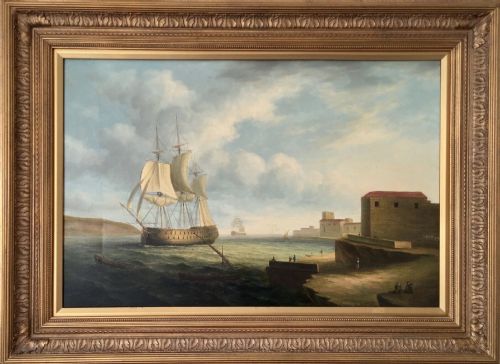
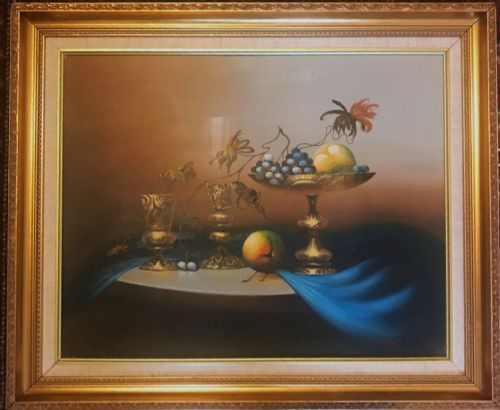
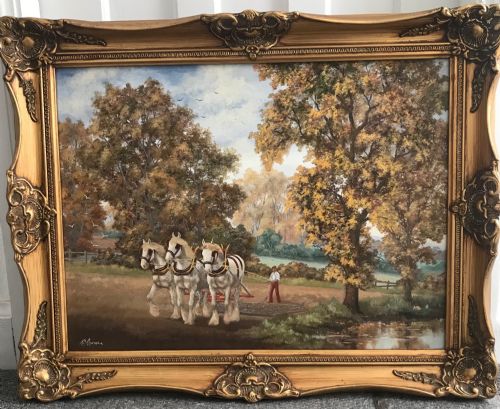
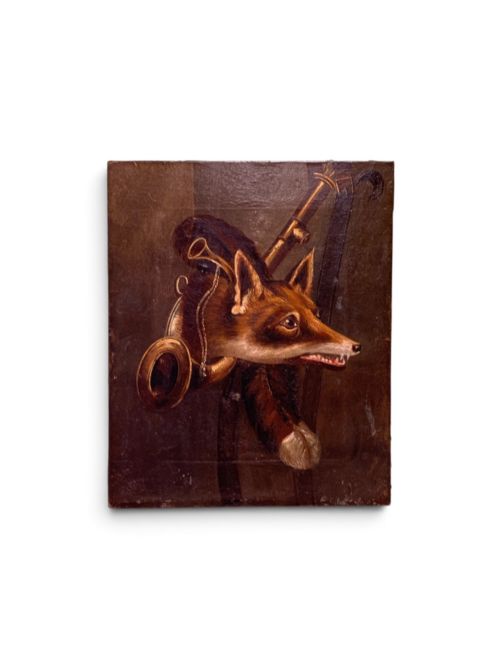
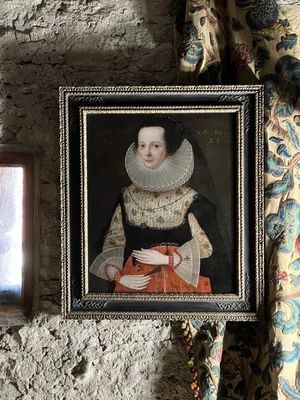
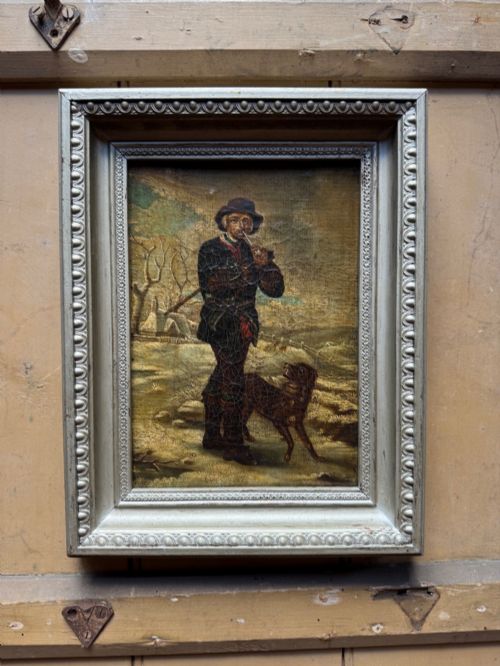
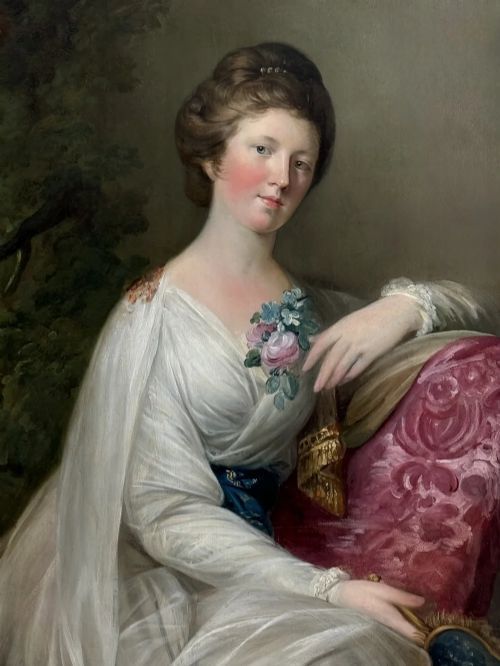
Traditional portrait art encompasses oil paintings, mezzotints and prints depicting individuals, nobility and livestock from the seventeenth century onwards. Buyers encounter works spanning Georgian, Victorian and Edwardian periods, executed in oil on canvas, wood and panel.
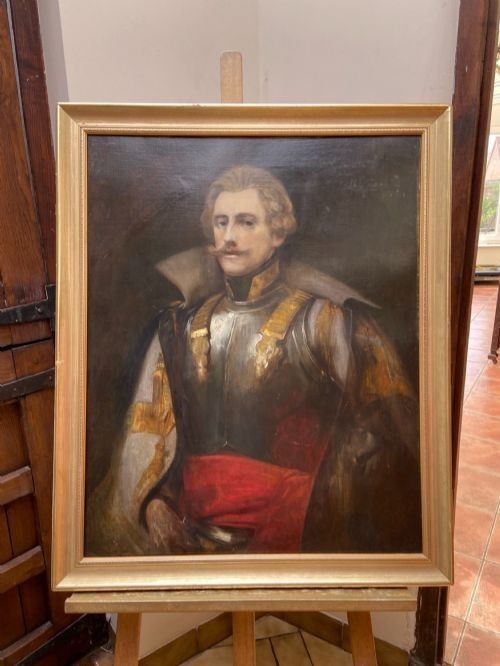
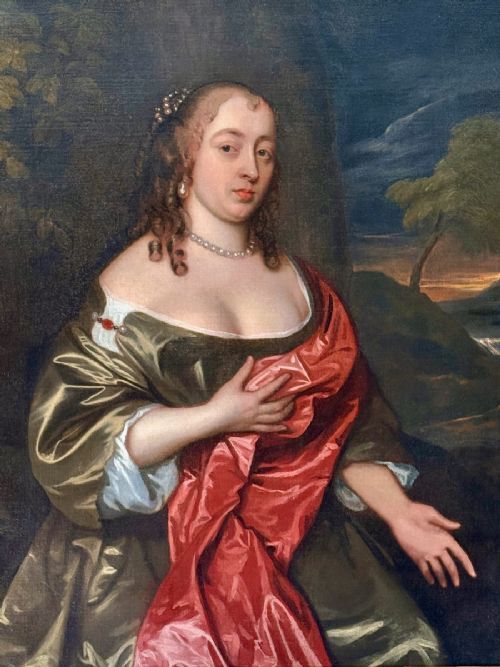
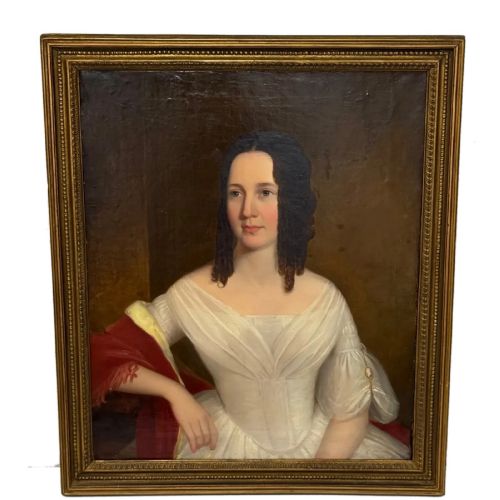
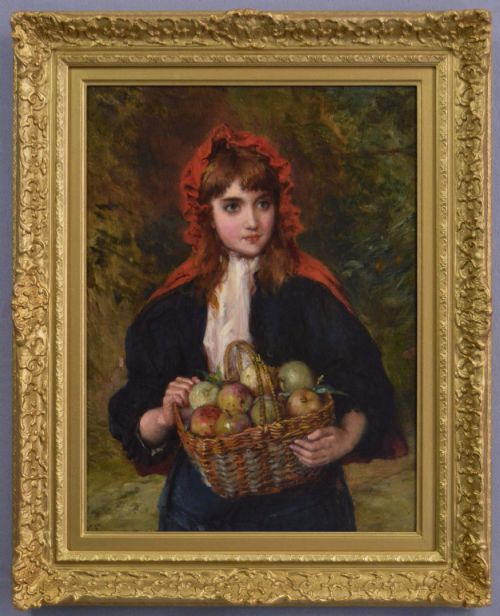
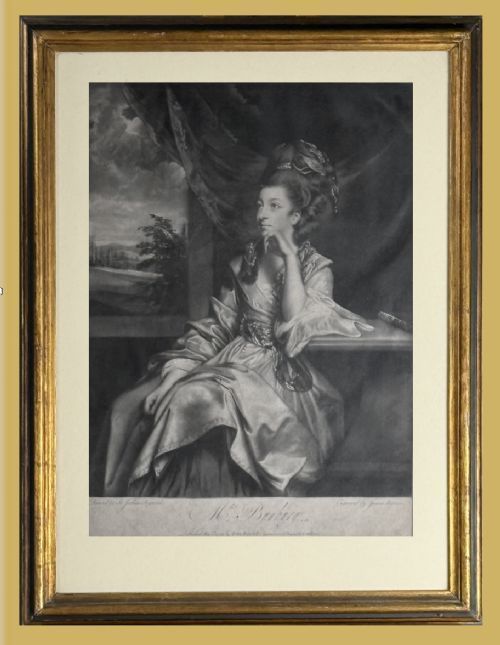
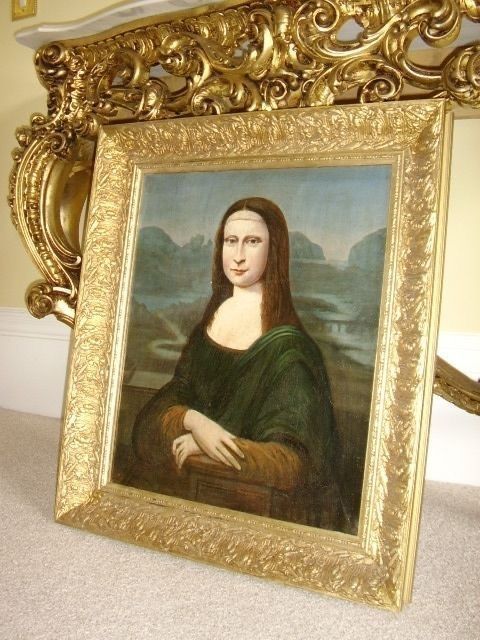
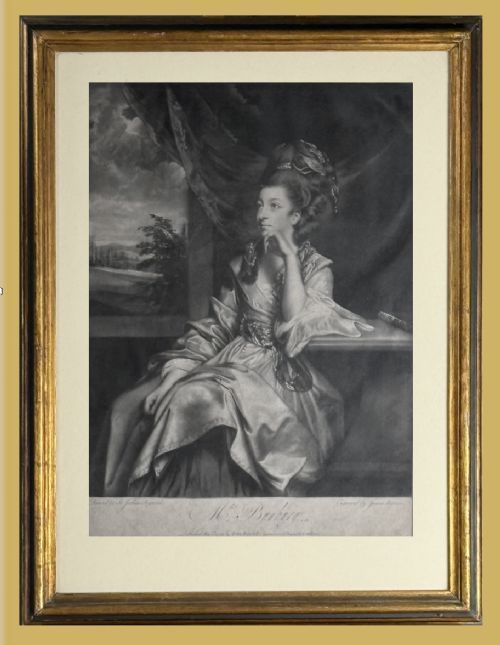
The selection ranges from grand oil portraits of ladies in extensive landscapes to detailed studies of horses, military officers and young girls. Pieces include both original works by named artists and period reproductions after masters like Sir Joshua Reynolds.
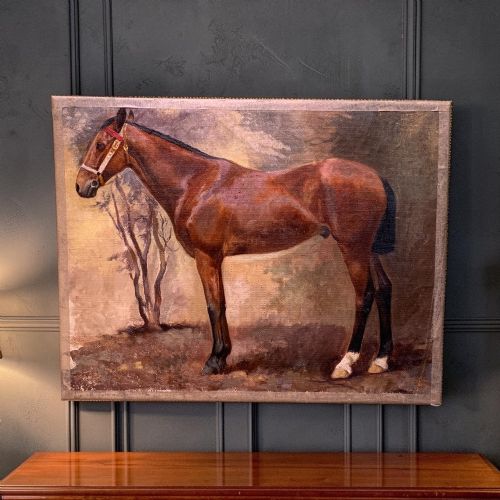
Subjects extend beyond human sitters to include prized Shorthorn bulls, spaniels and racehorses rendered within nineteenth and twentieth century British and European schools.
How they were made
Makers applied oil paint to stretched canvas or wooden panels, frequently utilising gesso to prepare the ground before building up flesh tones and drapery. Giltwood frames embellished with gold leaf often house these works, providing structural support and period ornamentation.
Printmakers employed mezzotint techniques on copper plates to transfer detailed tonal likenesses after original paintings, while others utilised glass and wood for framing and mounting.
Traditional Portrait Art Retail Price Guide 2026
Typical asking prices for traditional portrait art among the pieces listed under this phrase on Sellingantiques today, from the lower quarter to the upper quarter. They describe what is for sale here now, not the wider market.
Listings feature oil paintings and prints spanning the seventeenth to twentieth centuries, executed on wood, canvas and glass.
What varies in quality
Quality rests in the handling of light, shadow and anatomy, distinguishing masterly brushwork from mechanical stiffness in facial expressions and fabrics. The preservation of the original oil paint surface and the authenticity of the period frame dictate the standing of a piece.
Works attributed to documented schools or identifiable hands carry greater historical weight than generic copies, reflecting the skill of the artist in capturing the sitter's individual presence.
John Hayls·William Oliver·James Watson·George Willison·Albert Clark·Howard Helmick
The Traditional Portrait Art Glossary
- Mezzotint
- A printmaking process where the copper plate is roughened to achieve rich dark tones and subtle gradations of light. It allows for the faithful reproduction of painted portraits.
- Giltwood
- Wood carved and coated with gold leaf or a gold-coloured metallic finish. It is commonly found on traditional picture frames from the seventeenth to nineteenth centuries.
- Gesso
- A plaster mixture used as a smooth base for painting on panels or canvas, and for moulding decorative details on frames. It provides a stable surface for oil application.
- Panel
- A flat piece of wood used as a rigid support for oil paintings before canvas became dominant. Wooden panels were favoured for smaller or earlier works.
- Oleograph
- A type of chromolithograph made to resemble an oil painting, often reproducing canvas textures. These mechanical reproductions emerged in the nineteenth century.
Traditional Portrait Art: Frequently Asked Questions
What is traditional portrait art?
Traditional portrait art consists of historical paintings and prints capturing the likeness of people, animals and scenes from past centuries. These works primarily utilise oil on canvas or panel, alongside period print methods.
Collectors acquire these pieces for their historical resonance, artistic skill and the window they provide into past eras and societies.
How do I date a portrait?
Dating relies upon the sitters' costume, hair styling, the materials of the canvas or panel, and the framing style. Signatures, inscriptions on the reverse, and stylistic markers of periods like Georgian or Victorian offer further clues.
Comparing brushwork and composition to known works from specific centuries helps narrow down the probable execution date.
Where should I hang these?
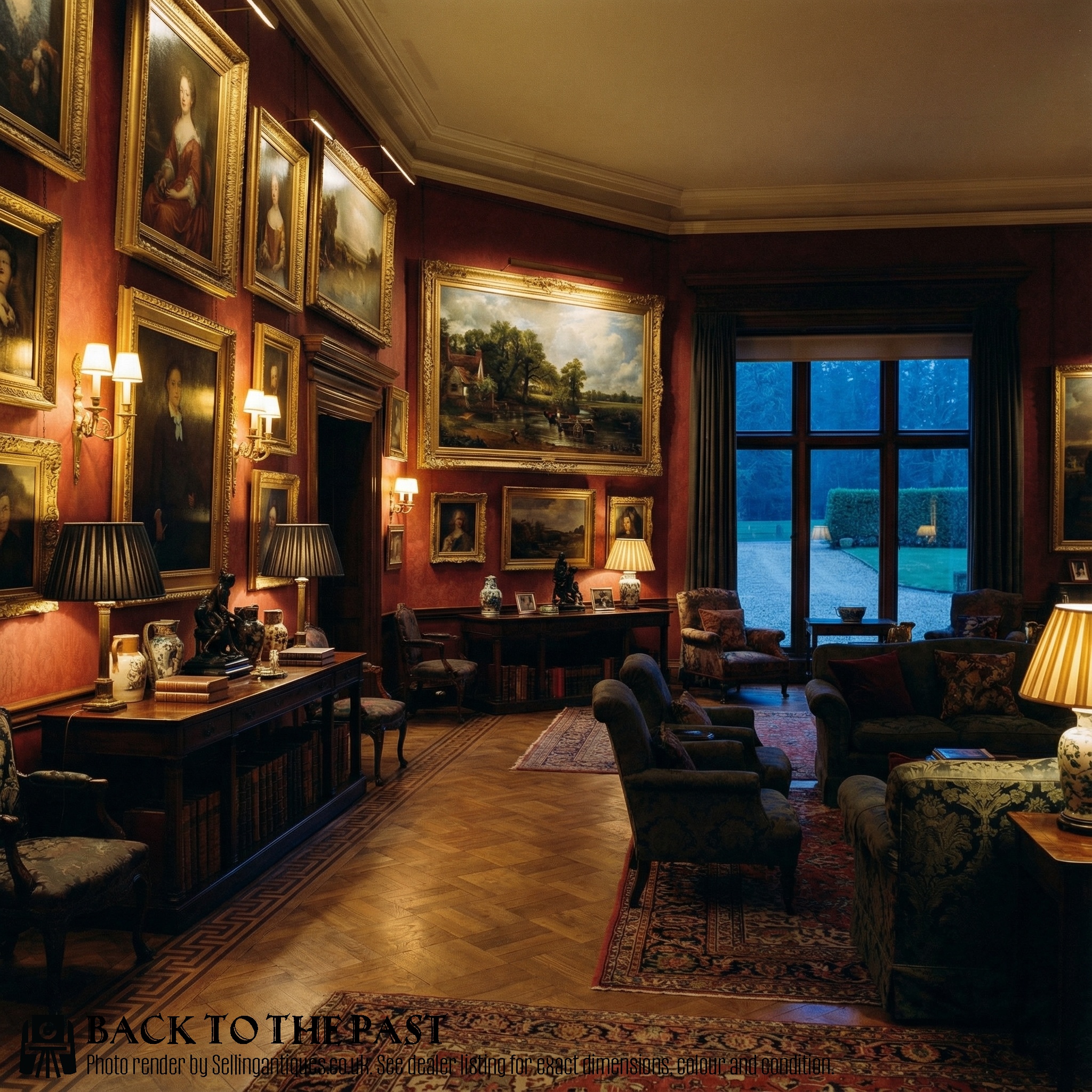
These pieces suit principal rooms with stable humidity and away from direct, harsh sunlight to protect the oil paint and canvas. Pairing them with period architecture or traditional furniture enhances their visual impact.
Ensure the wall fixings can support the weight of heavy giltwood frames and wooden panels.
Are animal portraits included?
Animals frequently feature in this category, particularly horses, cattle and sporting dogs from the nineteenth and twentieth centuries. Artists documented prized livestock and racing winners with the same seriousness as human sitters.
Such works reflect the agricultural and sporting interests of the Georgian and Victorian eras.