
Oil Portrait on Canvas
An oil portrait on canvas captures the presence of earlier centuries through painted depictions of ladies, gentlemen, and scholars.
What They Are
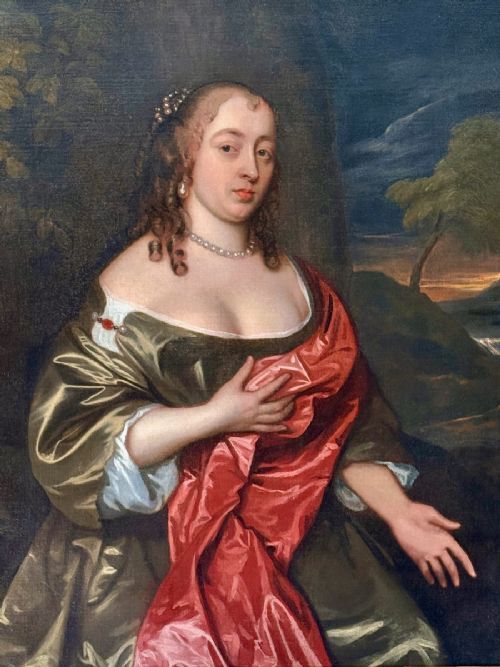
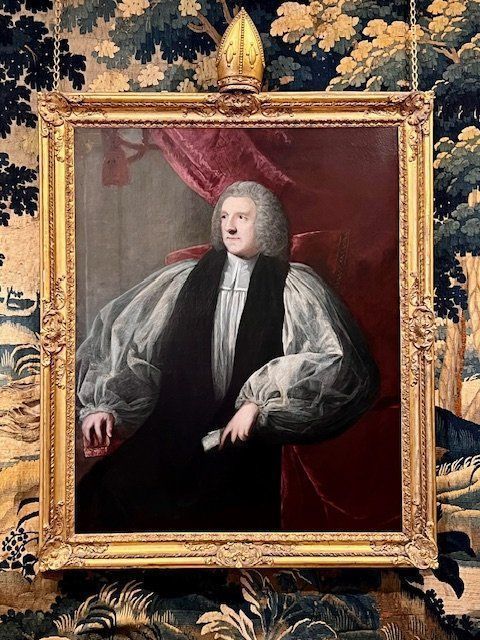
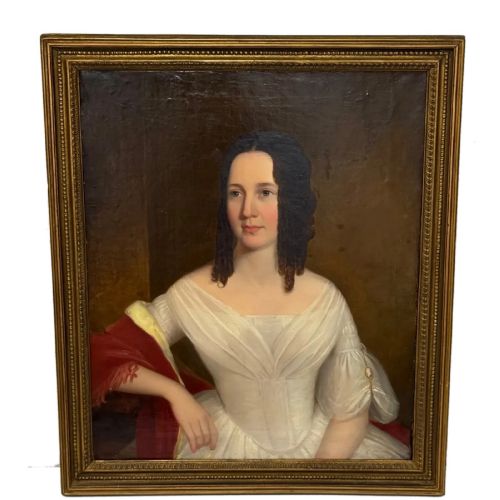
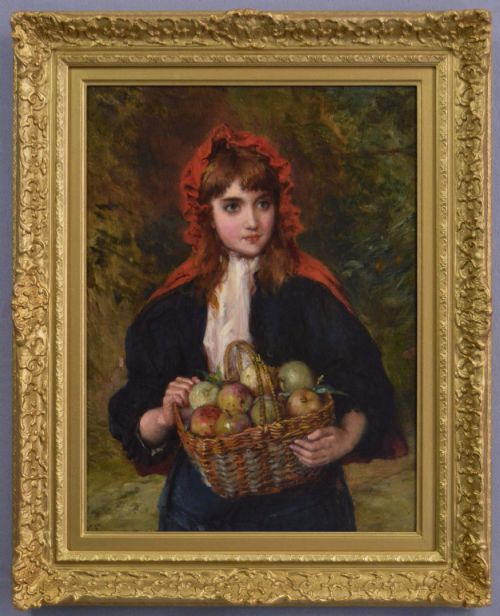
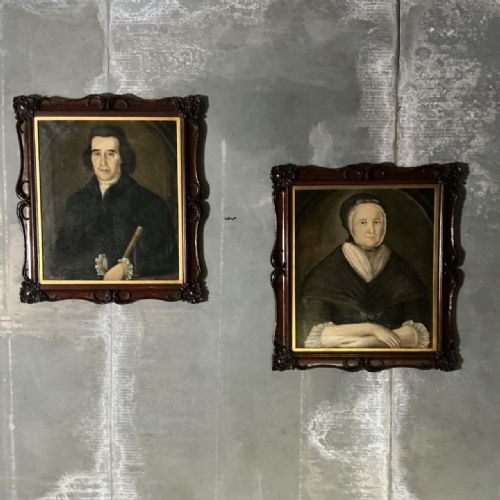
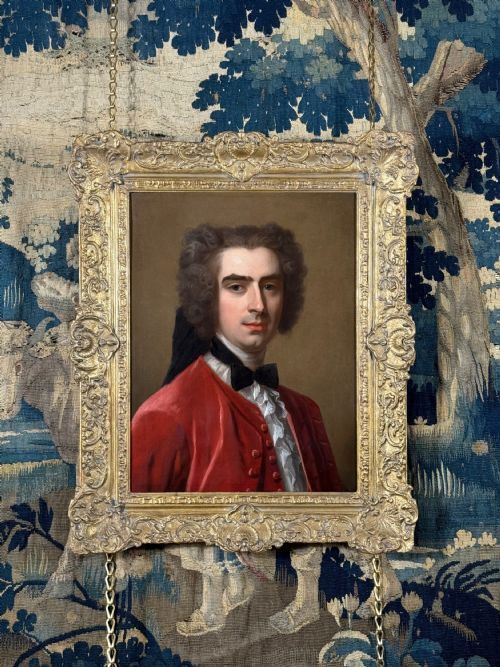
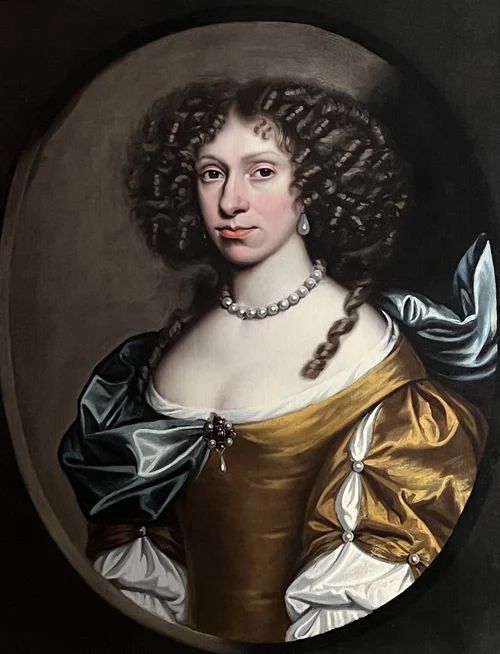
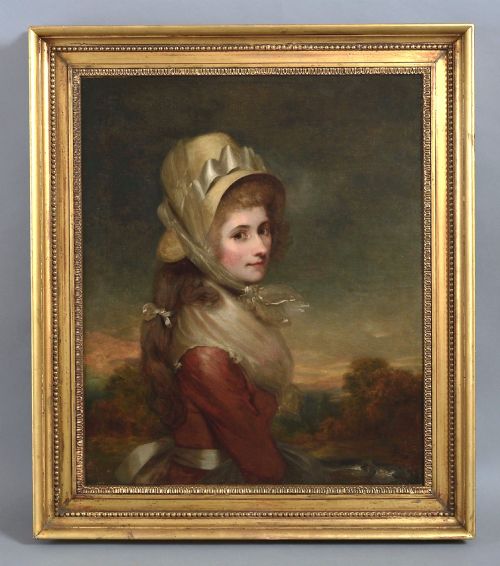
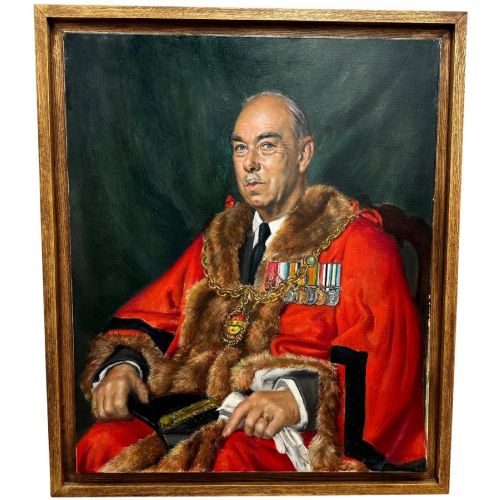
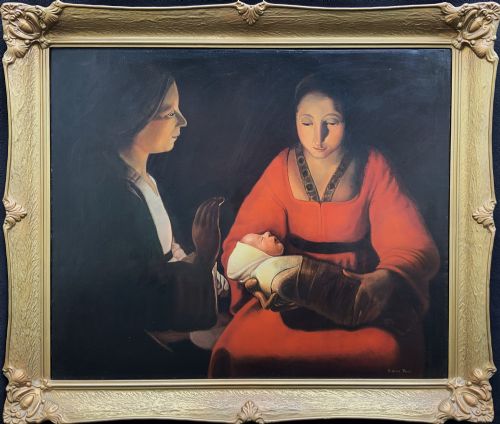
An oil portrait on canvas records figures from the seventeenth, eighteenth, and nineteenth centuries, alongside mid-century examples. These works depict named sitters, anonymous subjects, and naval captains.
The format ranges from formal half-length studies of nobility to seated gentlemen with distant landscapes and ladies in silk dresses. Works span Baroque, Georgian, Regency, and Victorian aesthetics.
How They Were Made
Artists applied oil paint directly onto stretched woven fabric supports. Canvases remained unlined or received later structural reinforcement.
Frames incorporate wood, gesso, and gold leaf or giltwood finishes to enclose the paintings.
Retail Price Guide 2026
Typical UK retail prices for oil portrait on canvas, calculated from the Sellingantiques database of over a million retail prices indexed since 2003. This retail price guide relies exclusively on Sellingantiques data; no external sources or auction records are used, so the figures do not describe the wider market.
Several gentlemen share wall space with faithful terriers and distant church spires.
What Varies in Quality
Execution ranges from competent provincial output to skilled studio production associated with recognised portraitists. Facial modeling, handling of drapery, and depth in background details distinguish masterworks from standard likenesses.
Preservation of the original paint surface and structural integrity of the canvas dictate the visual power of surviving pieces.
Michael Dahl·John Simmons·Sir Peter Lely·Charles d'Agar·Enoch Seeman·Sir Godfrey Kneller·Willem Wissing·John Baptiste de Medina·Jonathan Richardson·Pierre Gobert·Thomas Hickey·John Vanderbank·Alfred Holst Tourrier·James Bennett H Smith·Thomas Murray·John Michael Wright·Sir Anthony van Dyck·Nicolas de Largilliere·Johann Kerseboom·Herman Verelst·John Greenhill
The Oil Portrait on Canvas Glossary
- Canvas
- A heavy woven fabric stretched across a wooden frame to act as the foundation for the paint layer. This flexible support replaced wooden panels in many larger works.
- Gesso
- A plaster mixture applied to wooden frames before gilding. It provides a smooth base for gold leaf application.
- Giltwood
- Wood carved and coated with gold leaf or metallic paint. Frames of this material define formal historical portrait presentation.
- Studio
- The workshop of a master painter where assistants and pupils contributed to canvas production. Many period portraits emerge from these collaborative environments.
Frequently Asked Questions
How do I date an oil portrait on canvas?
Costume details, periwigs, and lace collars offer primary clues for dating historical sitters. Clothing styles shifted rapidly across the seventeenth and eighteenth centuries.
Canvas preparation techniques and frame styles also help narrow down the decade of creation.
What is the difference between studio and artist signed works?
Works produced in a studio often involved assistants under the direct supervision of a master painter. Signed pieces carry the personal hand of the primary artist.
Both categories represent authentic period portraiture from historical workshops.
How should I hang an antique oil portrait?
Keep paintings away from direct sunlight and steady heat sources to protect the oil paint and canvas. Stable indoor humidity prevents cracking in the gesso and wood frames.
Secure heavy giltwood frames using appropriate wall fixings.
Are all sitters in these portraits identified?
Many historical portraits retain inscriptions or archival records naming the individual depicted. Others remain anonymous representations of gentlemen, ladies, or children.
Unknown sitters were typically members of the gentry or nobility whose names faded over time.