

Military Portrait Painting
Choosing a military portrait painting brings centuries of recorded service, high-ranking officers, and enlisted men directly onto the wall.
Military Portrait Painting
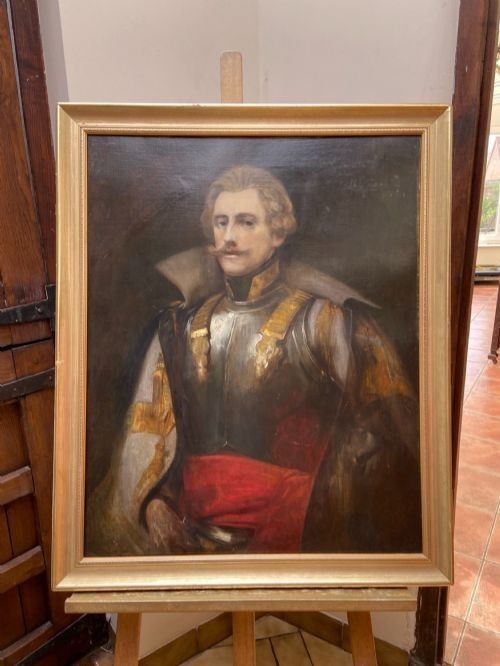
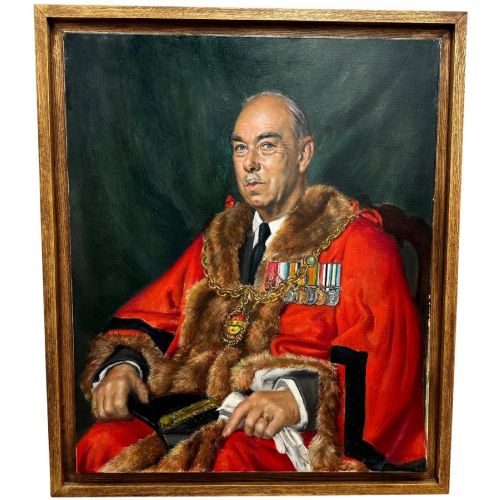
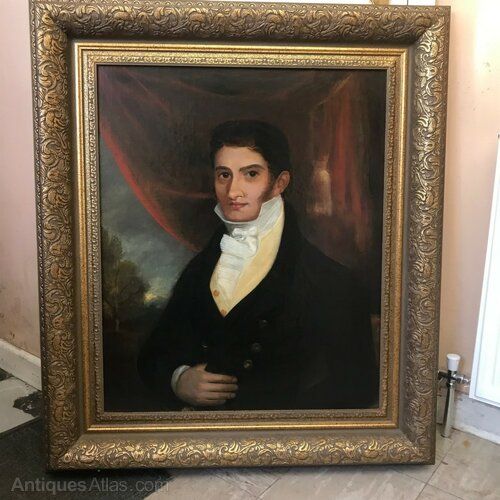
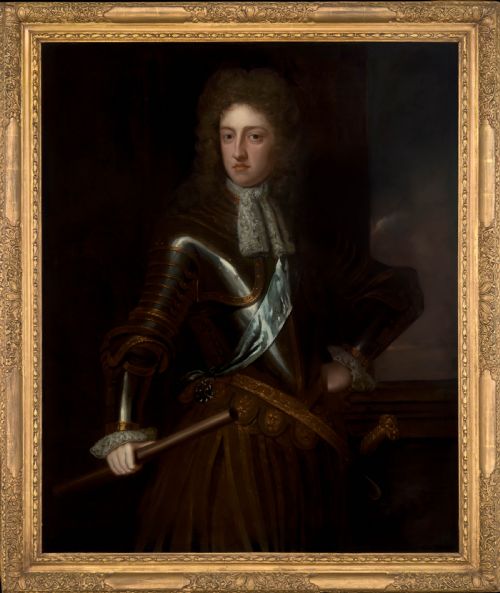
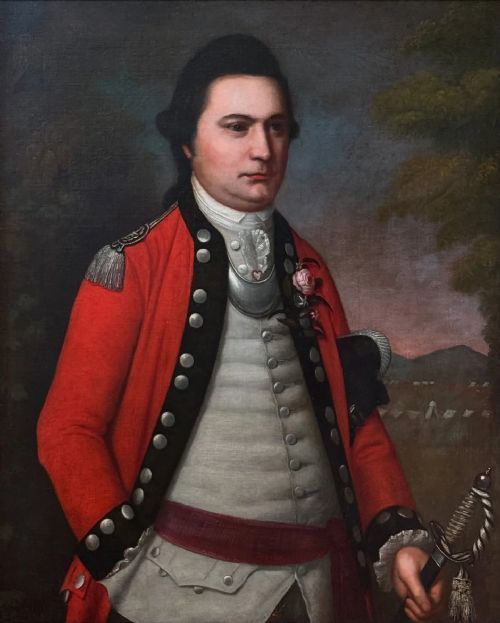
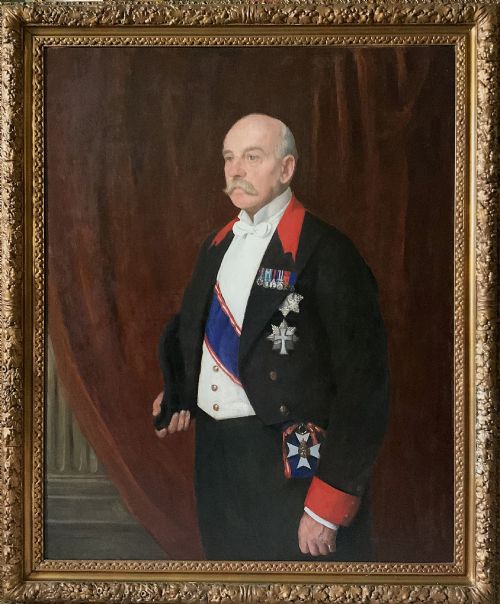
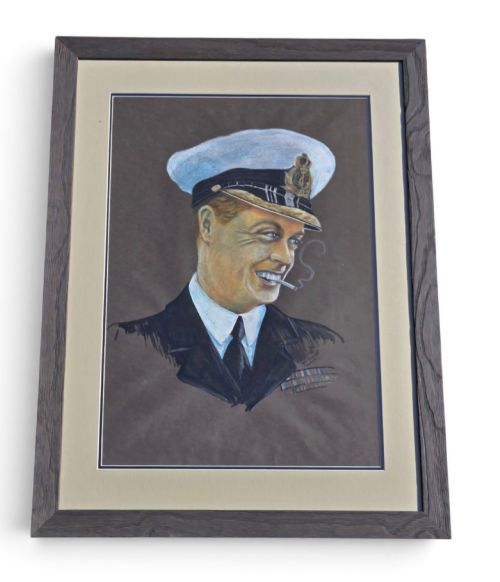
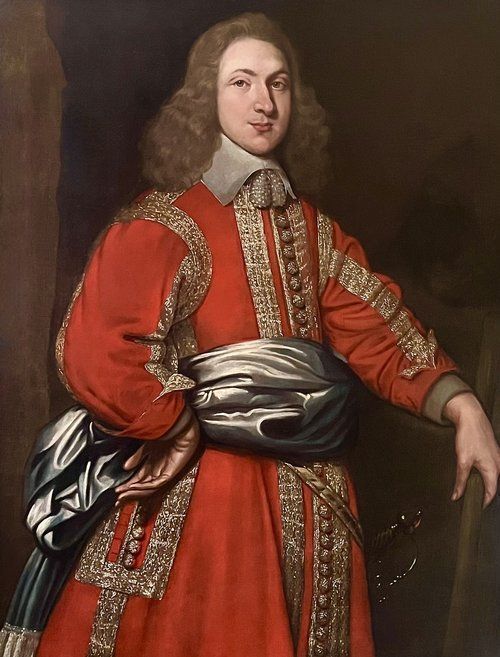
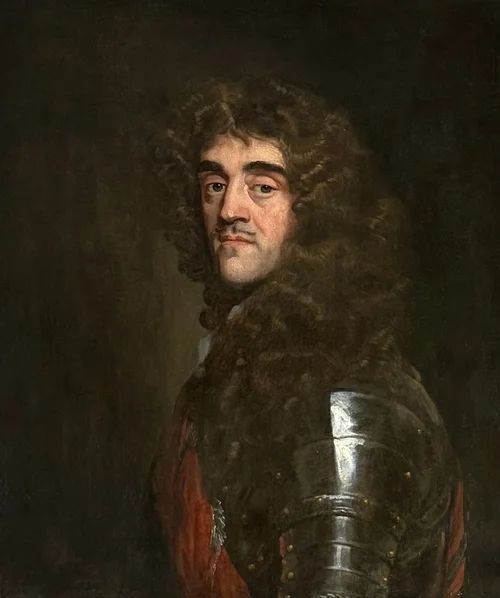
A military portrait painting depicts officers, soldiers, and naval figures across centuries of service, preserving their rank, medals, and uniforms in oil, watercolour, or pastel. These works capture specific historical individuals, from 17th-century cavaliers in armour to 20th-century army majors and wartime sketch subjects.
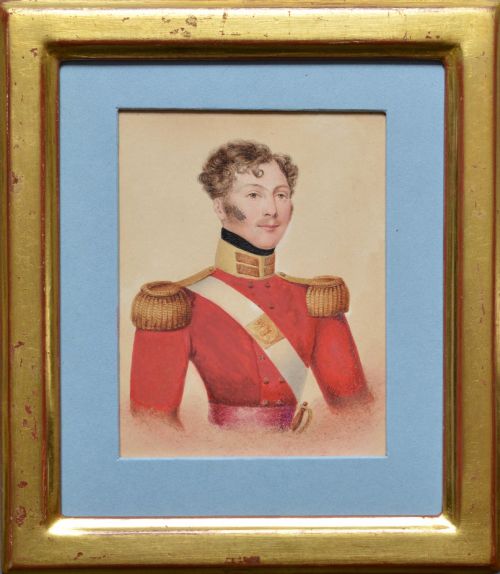
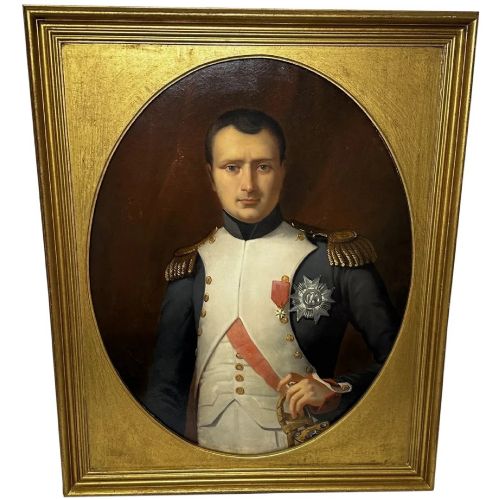
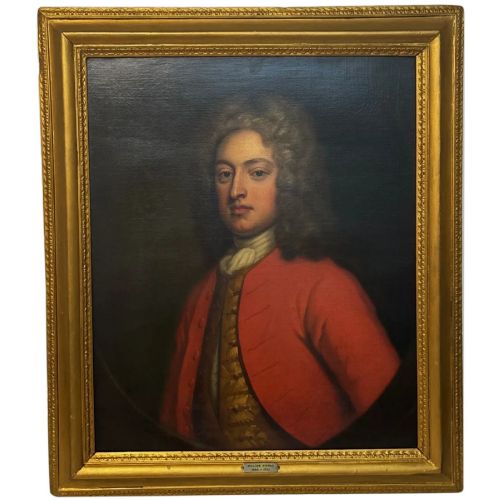
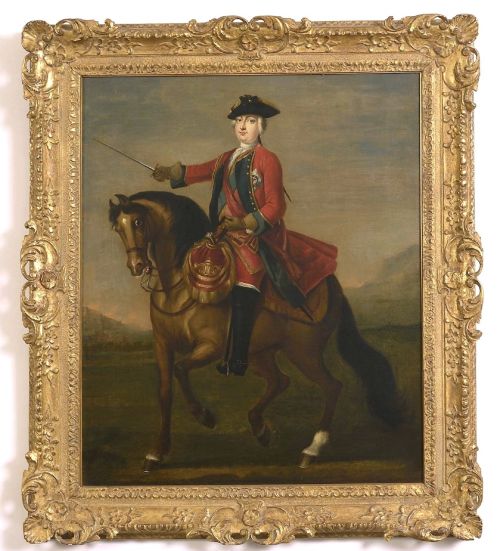
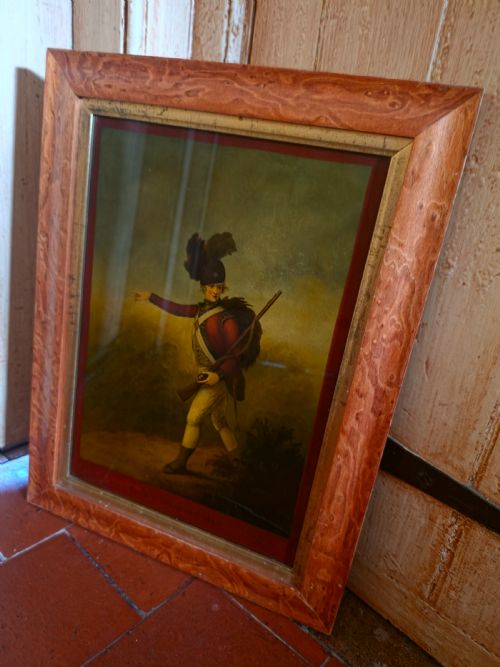
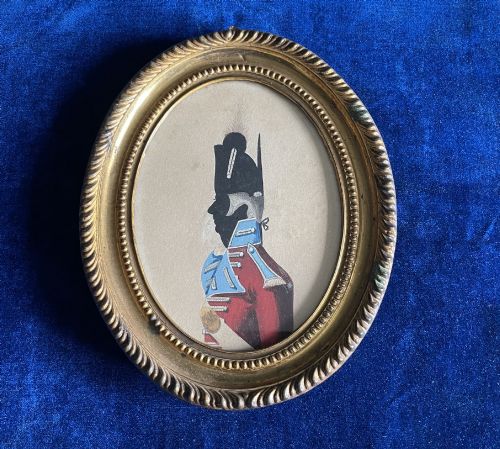
Buyers browsing this selection frequently encounter 18th-century canvas oils of red-coat officers and 19th-century watercolours detailing British and French regiments. Formats range from monumental oil paintings in giltwood frames down to intimate portrait miniatures and reverse glass pictures.
The subjects span British, French, Anglo-Dutch, and Anglo-Indian military service, recording historical campaigns, regiments like the Scots Greys and Coldstream Guards, and identifiable figures such as naval captains and generals.
How They Were Made
Artists painted these works primarily with oil on canvas or wood panels, utilising fine brushes to render detailed uniform facings, gold epaulettes, and medals. Giltwood and solid wooden frames frequently complement the canvases, protecting the edges and enhancing the display.
Watercolour, wash, pastel, and gouache on paper serve as the primary mediums for wartime sketches and portable military studies. Reverse glass painting techniques also appear, fixing pigments directly behind glass panels for a distinct surface sheen.
Military Portrait Painting Retail Price Guide 2026
Typical asking prices for military portrait painting among the pieces listed under this phrase on Sellingantiques today, from the lower quarter to the upper quarter. They describe what is for sale here now, not the wider market.
Materials range from oil on canvas and wood panels to pastel, gouache, and delicate watercolour on paper.
What Varies in Quality
The standard of portraiture depends on the artist's ability to render facial likeness and anatomical proportion alongside the intricate details of regimental uniforms and decorations. Works originating from named circles or established schools typically display superior brushwork in the handling of fabric folds, armour reflections, and facial expression.
Framing and preservation dictate much of the physical appeal, with period giltwood frames and untouched canvas surfaces holding greater visual authority than modern replacements or heavily restored panels. The specificity of the sitter's identification and service history adds considerable documentary weight to the artwork.
Bernard Hailstone·Sir Godfrey Kneller·Stickland Lowry·John Greenhill·Sir Anthony van Dyck·John Wootton·Thomas Hudson·Frank Stanley Ogilvie·Alfred Egerton Cooper·J. Bernard Munns
The Military Portrait Painting Glossary
- Oil on Canvas
- Pigments bound in a drying oil applied to a stretched woven fabric support. This medium allowed artists to achieve rich colour depth and smooth tonal gradations.
- Watercolour
- A paint consisting of colourants suspended in a water-soluble vehicle, frequently applied to paper for field sketches and detailed studies.
- Giltwood
- Wood carved and coated with a thin layer of gold leaf or gold paint. It frequently borders antique oil paintings to provide an ornate decorative edge.
- Portrait Miniature
- A small-scale painting executed with high precision on materials such as ivory, vellum, or card. These portable likenesses were often kept in private settings.
- Reverse Glass Painting
- An image applied directly to the back of a glass sheet and viewed from the front. This technique yields a glossy surface and protects the pigment from atmospheric dirt.
Military Portrait Painting: Frequently Asked Questions
How do I identify the regiment?
Uniform colours, facings, lapels, and cap badges provide the primary clues for identifying specific regiments or branches of service. Contemporary inscriptions, medals, and shoulder titles often name the sitter and their unit directly.
Researching the uniform details against historical army lists helps connect the painted officer to specific campaigns and dates.
Are these works always painted from life?
Many formal commissions involved direct sittings in a studio, allowing the artist to capture an accurate likeness of the officer. Other pieces, particularly battle scenes or posthumous tributes, relied on earlier portraits, sketches, or official uniform regulations.
Preparatory drawings and wartime sketches done in the field represent direct observation under active service conditions.
Where should I hang a large oil?
Large framed oils require sturdy wall fixings capable of supporting substantial wooden frames and canvas stretches. Placing them away from direct sunlight and domestic heat sources protects the oil pigments and wooden supports from warping or fading.
Generous wall space with ambient lighting allows monumental portraits and detailed uniforms to be viewed clearly from a distance.
How do watercolours differ from oils?
Watercolours utilise water-soluble pigments on paper supports, resulting in lighter, more immediate sketches often produced during active campaigns or wartime service. Oils employ rich binders on canvas or wood, creating deeper colour saturation and formal permanence suitable for official commissions.
Watercolour portraits typically require protective glass framing to prevent moisture damage.