
Antique Portrait of Man
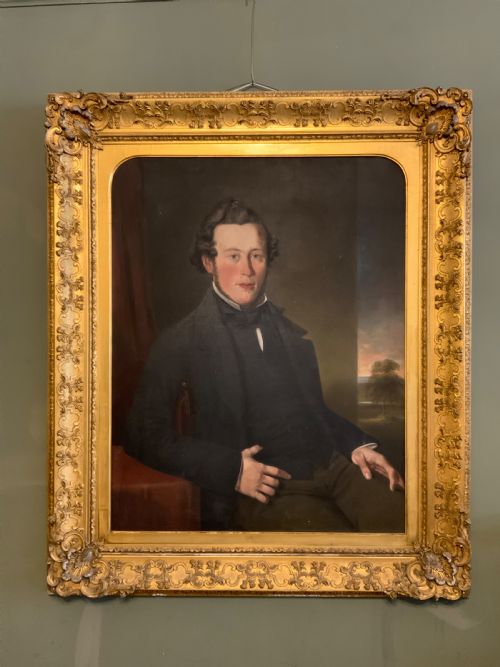
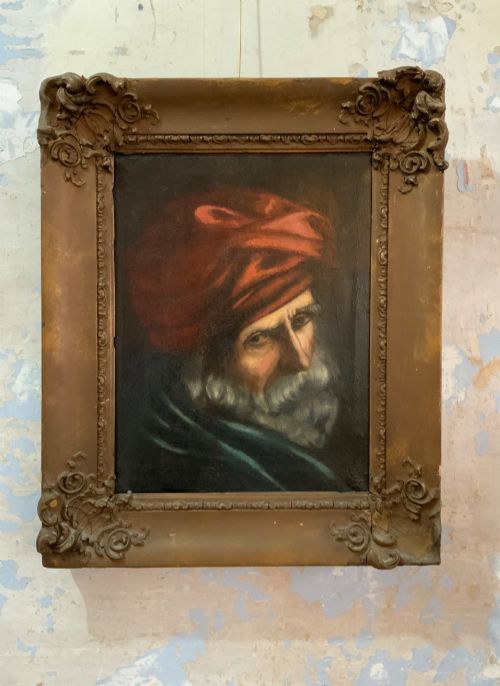
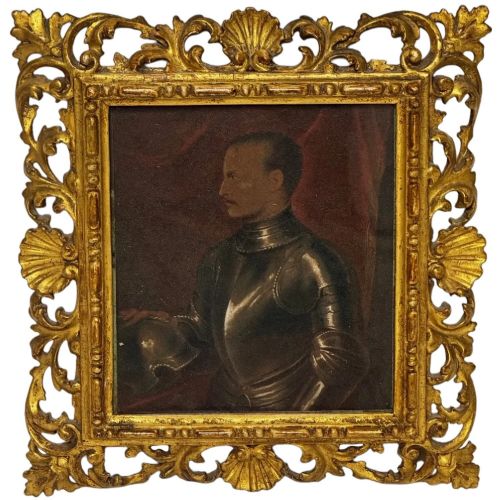
Selecting an antique portrait of man brings centuries of character into a room through oil, canvas, bronze, and paper.
Antique Portrait of Man
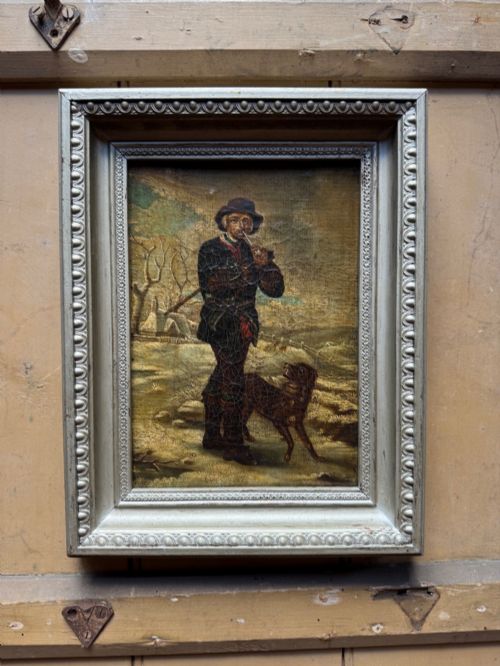
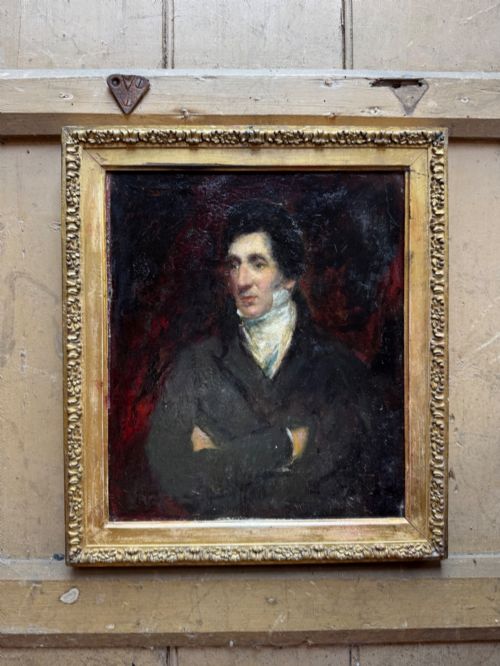
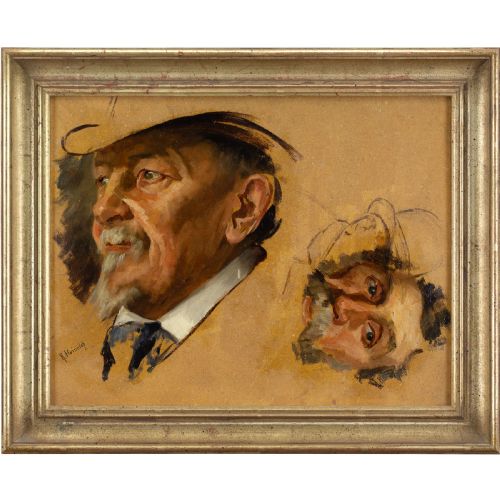
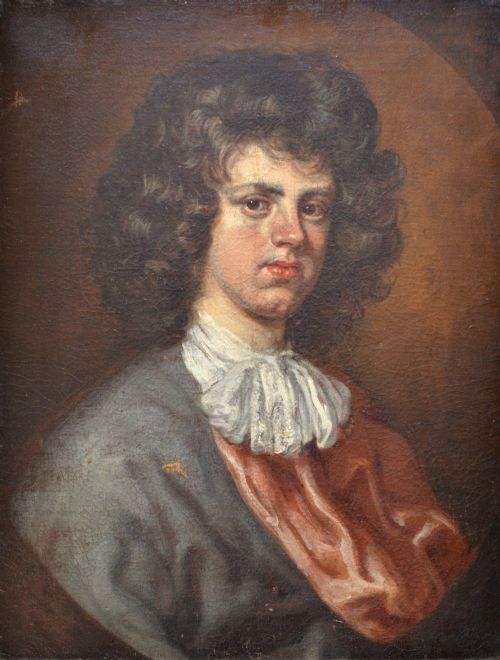
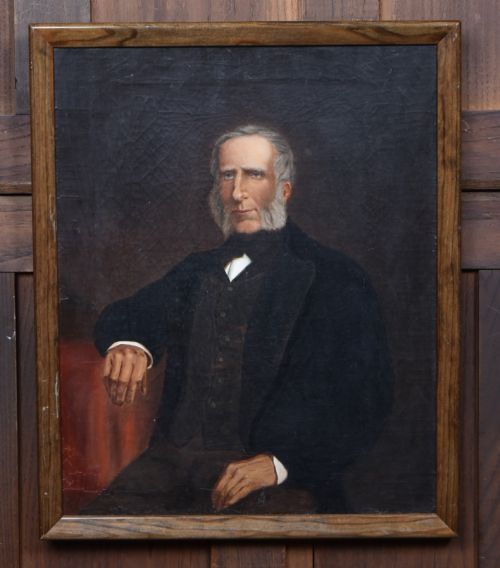
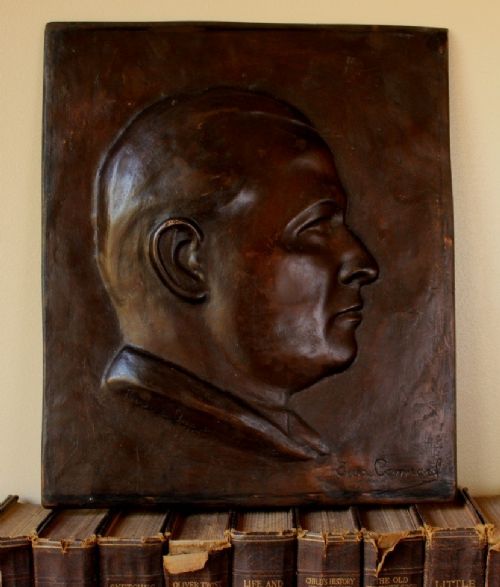
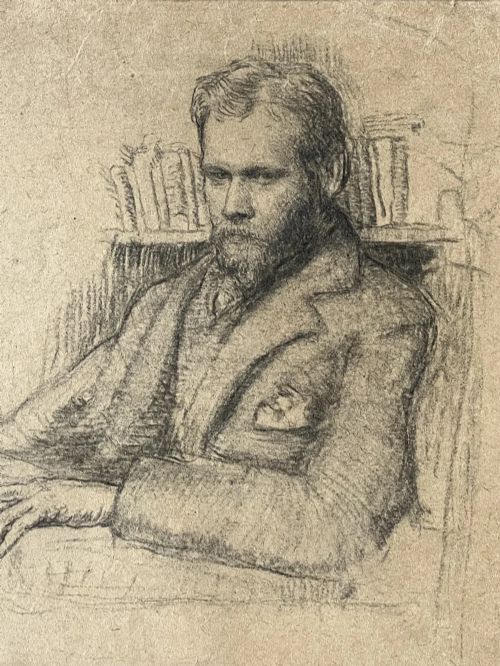
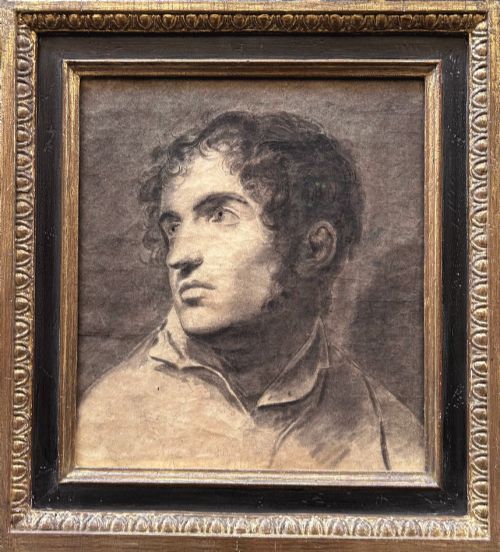
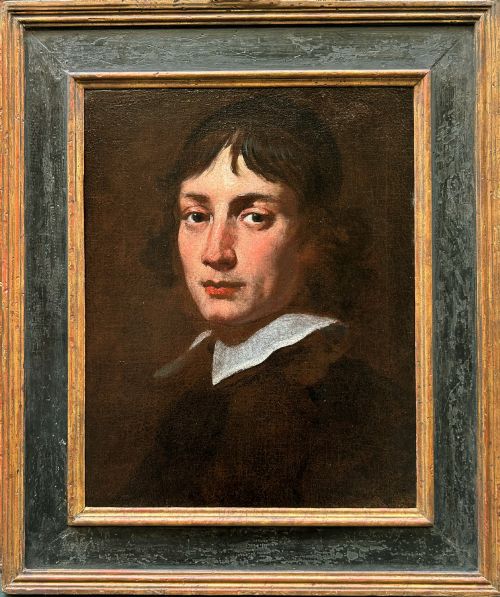
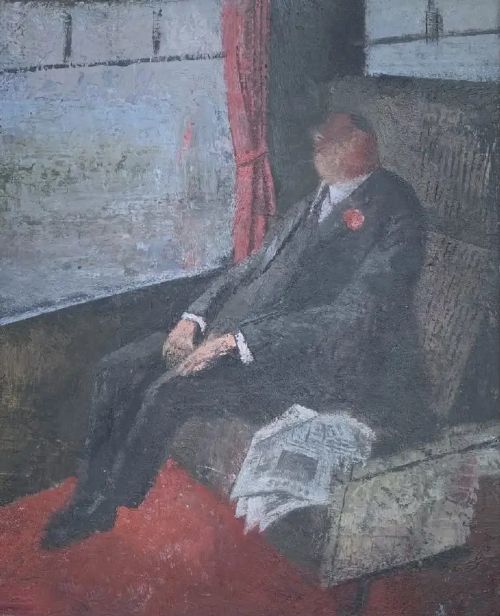
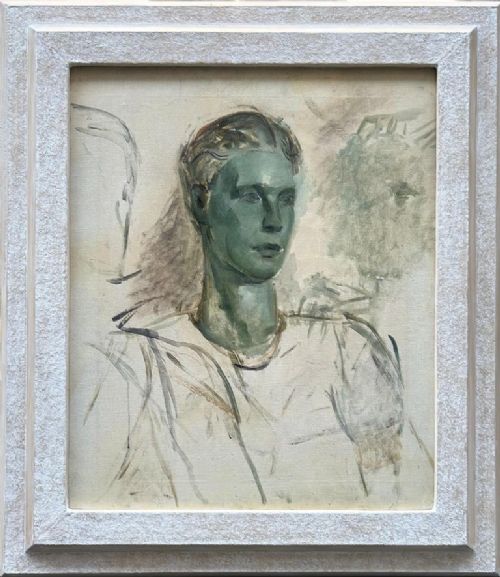
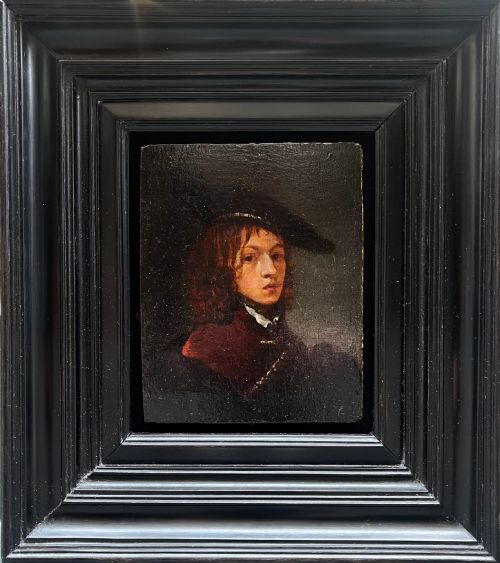
An antique portrait of man captures male subjects across centuries, ranging from seventeenth-century gentlemen in academic circles to twentieth-century subjects rendered in oil, bronze, and watercolour.
The selections on this page span the seventeenth through to the twentieth centuries, featuring works from English, French, German, and Italian schools.
Common formats include framed oil paintings on canvas or panel, detailed bronze plaques, portrait studies in pencil, and miniatures set within snuff boxes.
How They Were Made
Makers applied oil paint onto stretched canvas or wooden panels, often building up rich layers to depict garments, lace jabots, and facial expressions.
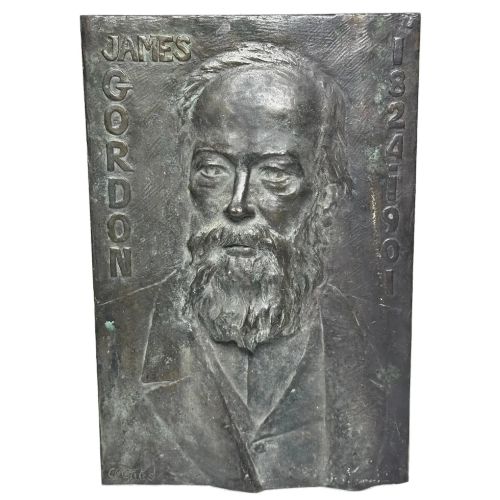
Sculptural pieces utilised cast bronze, plaster, and iron, capturing the subject in relief plaques or three-dimensional busts.
Works on paper incorporated watercolour, pencil, and print techniques, sometimes framed alongside carved gilt gesso wood frames.
Antique Portrait of Man Retail Price Guide 2026
Typical asking prices for portrait of man among the pieces listed under this phrase on Sellingantiques today, from the lower quarter to the upper quarter. They describe what is for sale here now, not the wider market.
Listings feature works from seventeenth, eighteenth, and nineteenth-century European schools executed in oil, bronze, and watercolour.
What Varies in Quality
The standard of execution in an antique portrait of man depends upon the anatomical precision of the subject and the confidence of the brushwork or casting.
The integrity of the original framing, whether giltwood or moulded gesso, contributes significantly to the overall preservation and visual impact of the piece.
Robert Heinrich·Mary Beale·Alice Gates·Gian Paolo Pace·Eugene Canneel·Augustus John·Guillaume Courtois·Albin Mattenheimer·Philippus Vilain·Titian·Mainfroy·Edouard Julien·Ferdinand Victor Leon Roybet·Frederick Goodall·Philippa Maynard Romer·Jan Cossiers·Alfred Holst Tourrier·Sir Thomas Brock·Herman Verelst·Jacob Huysmans
The Antique Portrait of Man Glossary
- Oil on canvas
- Pigments bound in a drying oil applied to a woven fabric support. This surface allows for subtle blending of tones found in seventeenth and nineteenth-century works.
- Giltwood
- Wood carved and coated with a thin layer of gold leaf. Such frames often accompany period oil paintings to enhance their visual depth.
- Bronze plaque
- A flat medal or tablet cast in bronze featuring a raised sculptural relief. These items capture profile or frontal likenesses of male subjects.
- Miniature
- A small-scale portrait painted on ivory, paper, or copper. Collectors often find these delicate works housed inside brooches or snuff boxes.
Antique Portrait of Man: Frequently Asked Questions
What periods do these portraits cover?
The collection spans from the seventeenth century through the Georgian, Victorian, and Edwardian eras into the mid-twentieth century.
Paintings and sculptures reflect the shifting artistic styles of these distinct historical periods.
How were these artworks displayed originally?
Larger oil paintings were hung in domestic interiors within heavy giltwood frames, while smaller miniatures were kept in personal items like snuff boxes.
Bronze plaques and busts were placed on desks or mounted upon walls.
Are all the subjects identified?
Many portraits depict anonymous gentlemen, scholars, or soldiers recorded simply as school pieces from specific regions.
Others record named historical figures, artists, and curators documented by the creator.
What mediums besides oil paint appear?
Makers utilised bronze, cast iron, plaster, watercolour, pencil, and paper alongside traditional canvas supports.
Several pieces take the form of small printed works or detailed sculptural plaques.