
Victorian Male Portrait
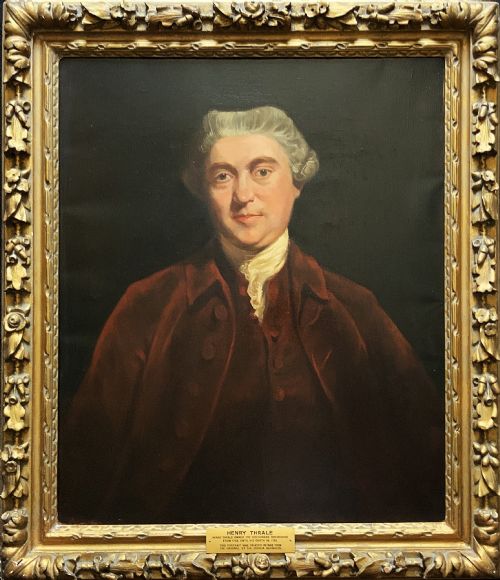
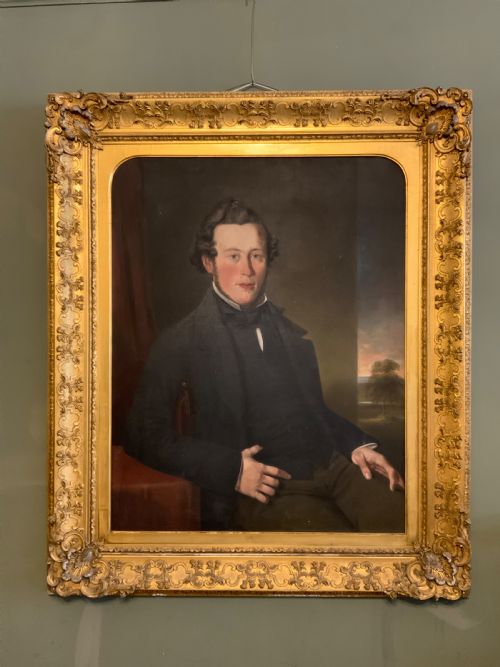
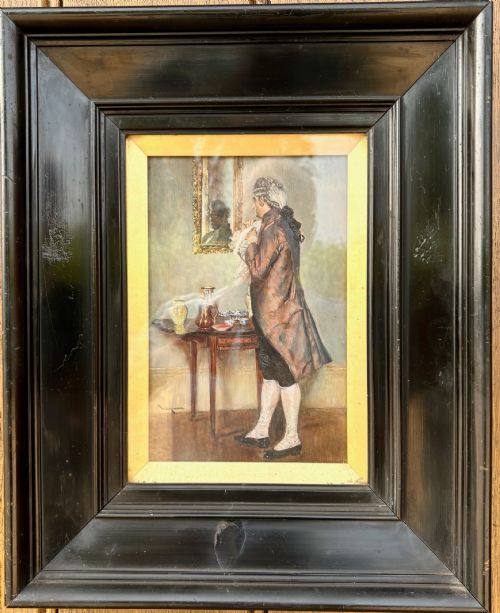
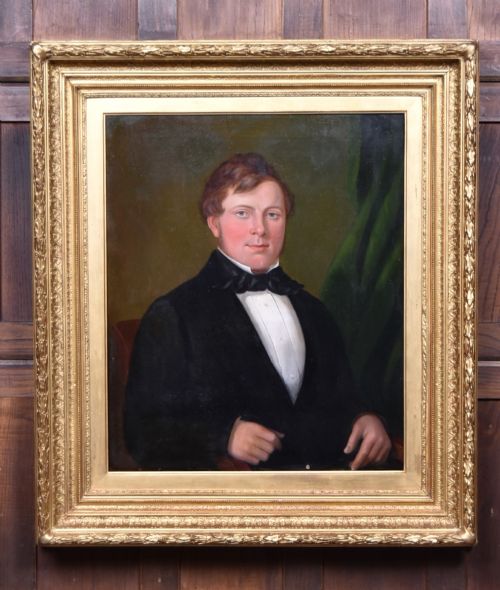
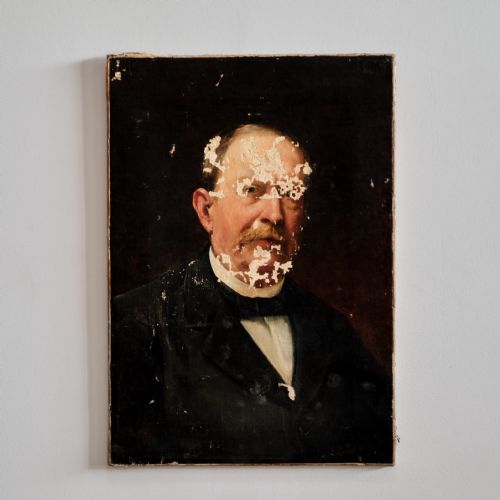
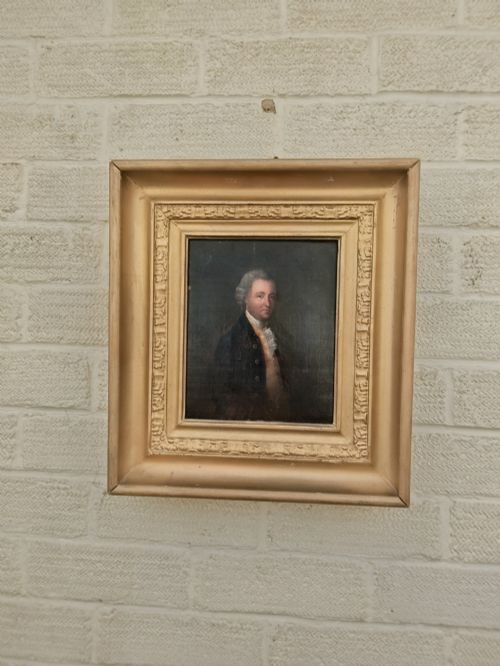
A victorian male portrait captures the character and presence of a gentleman from the era, offering a direct connection to past lives through oil, canvas, and marble.
Victorian Male Portrait
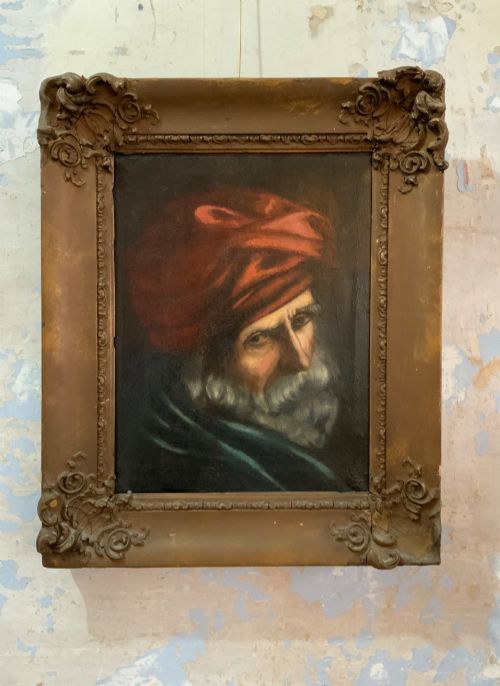
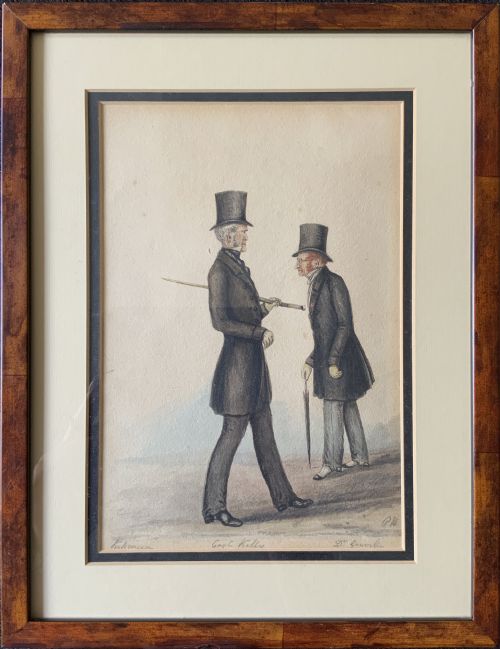
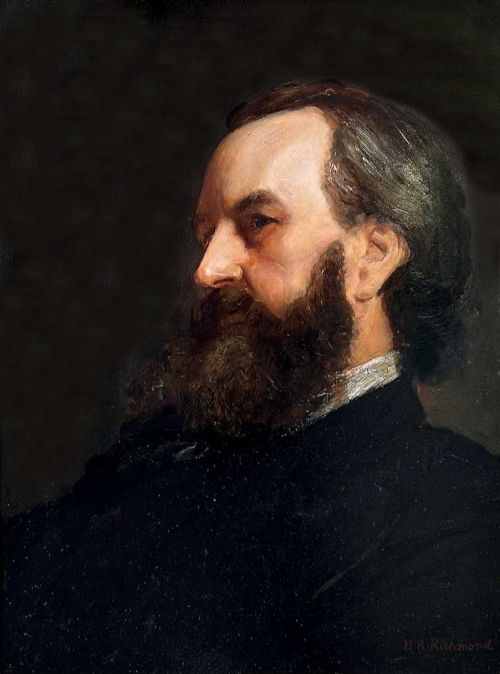
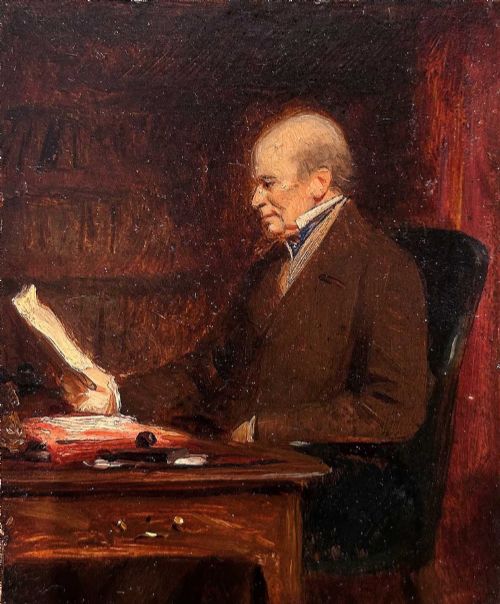
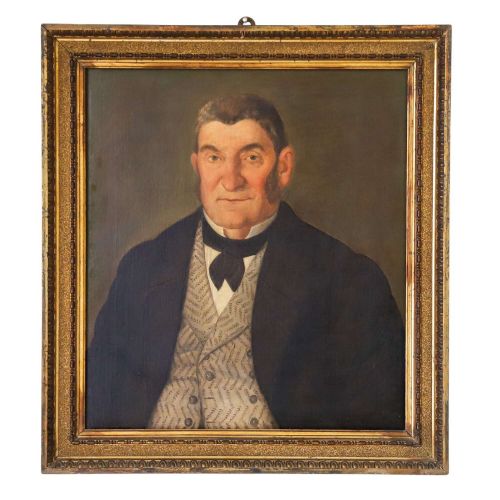
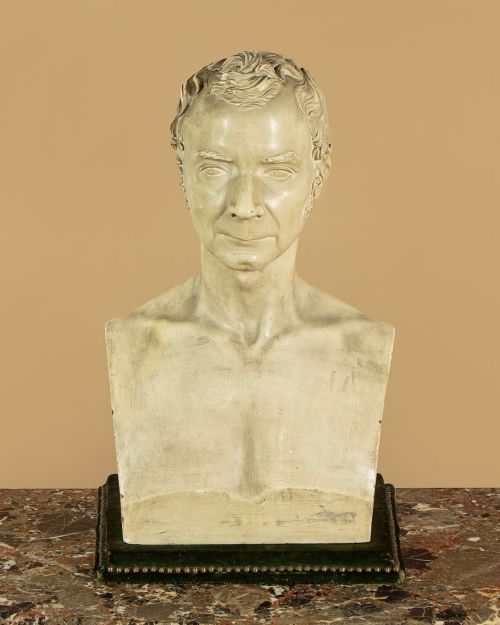
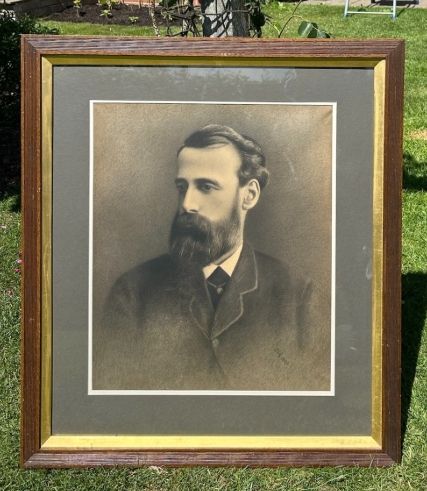
A victorian male portrait encompasses various representations of men, frequently rendered as oil paintings on canvas, detailed watercolours, charcoal drawings, and sculptural busts. These works span the nineteenth century, capturing figures ranging from noblemen and officers to ordinary gentlemen.
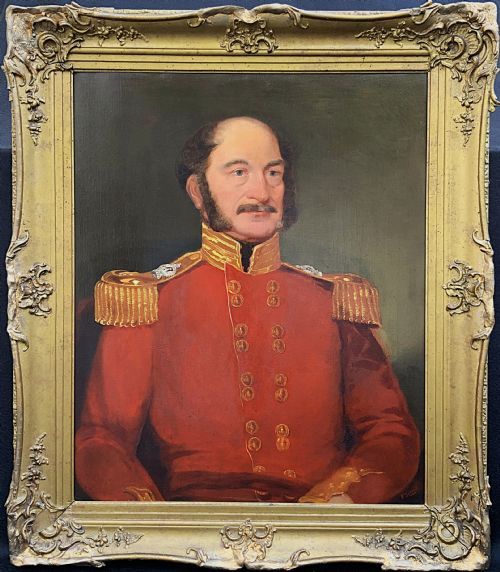
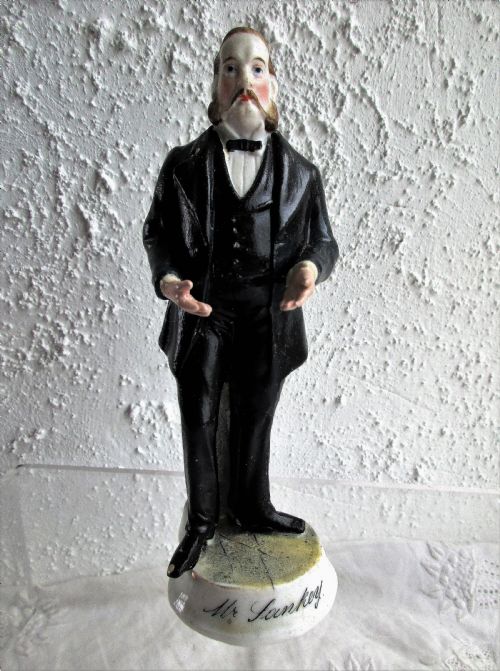
The pieces on this page appear in multiple formats, including framed wall art, miniature paintings, porcelain figurines, and monumental marble or plaster busts. Oil paintings and sculptural studies dominate the selection, often retaining their original giltwood or gesso frames.
Materials and methods
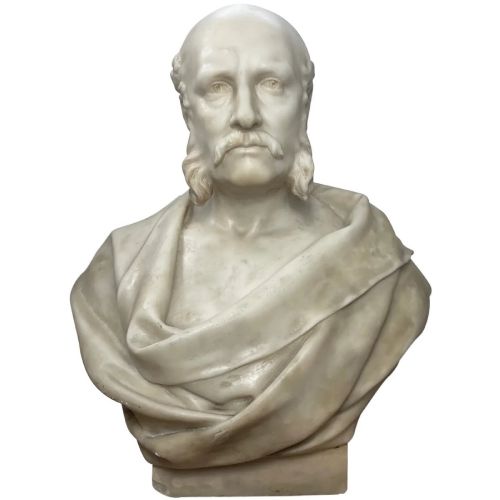
Sculptural pieces utilised materials such as carved marble, cast bronze, plaster, and porcelain. Skilled hands shaped these mediums into three-dimensional likenesses, often finishing surfaces with simulated stone or mounting them on solid bases.
Victorian Male Portrait Retail Price Guide 2026
Typical asking prices for victorian male portrait among the pieces listed under this phrase on Sellingantiques today, from the lower quarter to the upper quarter. They describe what is for sale here now, not the wider market.
Several gentlemen captured in these works sport remarkably intricate sideburns and formidable nineteenth-century moustaches.
Assessing the craftsmanship
Quality rests upon the artist's ability to render anatomical accuracy, light, and psychological depth in the subject's expression. Superior examples demonstrate confident brushwork or precise carving that conveys texture in fabric, hair, and skin.
The integrity of the supporting materials also defines the piece, from the tightness of the canvas weave to the preservation of original gilt gesso frames and signatures. Finer works maintain their original surface pigment without heavy overpainting or structural compromise.
Sir Joshua Reynolds·W.D. Almond·William Blake Richmond·Stephen Pearce·Bertram Priestman·Henry Arthur Roberts·Sir Thomas Brock·Alajos Strobl
The Victorian Male Portrait Glossary
- Oil on canvas
- Pigments bound in a drying oil applied to a woven fabric support stretched over a wooden frame. This medium allowed artists to achieve rich colour depth and subtle tonal gradations.
- Giltwood
- Wood carved and covered with a thin layer of gold leaf or gold paint. Frames utilising this technique often complement the period aesthetic of nineteenth-century paintings.
- Portrait miniature
- A small-scale painting executed with meticulous detail on materials such as ivory, vellum, or paper. These compact pieces were often intended for personal collection or intimate display.
- Gesso
- A plaster-like mixture used as a base for painting or moulded to create decorative relief on frames. It provides a smooth surface for gilding and ornamentation.
- Bust
- A sculpted or cast representation of a person's head, shoulders, and upper chest. These are typically fashioned from marble, bronze, or plaster.
Victorian Male Portrait: Frequently Asked Questions
How should I display a portrait at home?
Hang oil paintings away from direct sunlight and fluctuating humidity to protect the canvas and pigments. Ensure wall fixings securely support the weight of heavier giltwood frames or sculptural pieces.
Position busts on sturdy pedestals or mantels where lighting accentuates the carved contours of the material. Keep pieces clear of heat sources to prevent wood warping and plaster cracking.
What subjects typically appear in these works?
The sitters range from identified public figures, military officers, and clergymen to anonymous gentlemen captured in academic life studies or genre scenes. Each subject reflects the social standing and artistic conventions of the nineteenth century.
Some pieces record specific historical personalities or nobility, while others serve as character studies exploring human expression and mood through portraiture.
How can I date a nineteenth-century portrait?
Examine the clothing, hairstyle, and facial hair of the sitter, which often align with specific decades like the Regency period or late Victorian era. Back inscriptions, signatures, and artist biographical dates provide direct chronological anchors.
Inspect the materials used for the canvas stretcher, frame construction, and backing paper, as manufacturing methods evolved throughout the nineteenth century.
Are drawings different from oil paintings?
Drawings utilise media like charcoal, graphite, or watercolour on paper, offering an immediate, intimate glimpse into the artist's preparatory process or rapid observation. They require careful framing behind glass to prevent light damage and paper degradation.
Oil paintings employ thicker pigments on canvas or board, presenting a finished, durable surface with rich colour and texture. These works generally carry more substantial weight and require robust framing.