

Antique British Art
Antique british art gathers centuries of paintings, watercolours and works on paper that capture the landscapes, portraits and coastal scenes of the past.
Antique British Art
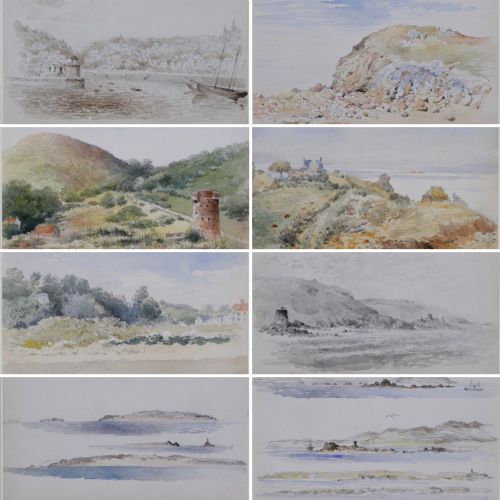
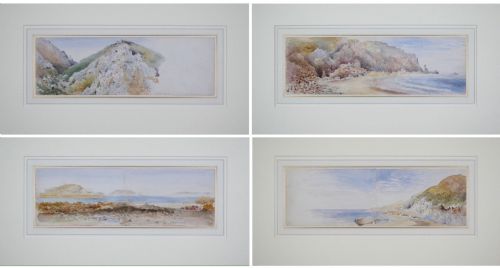
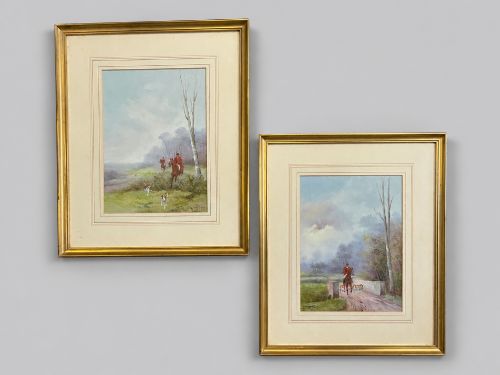
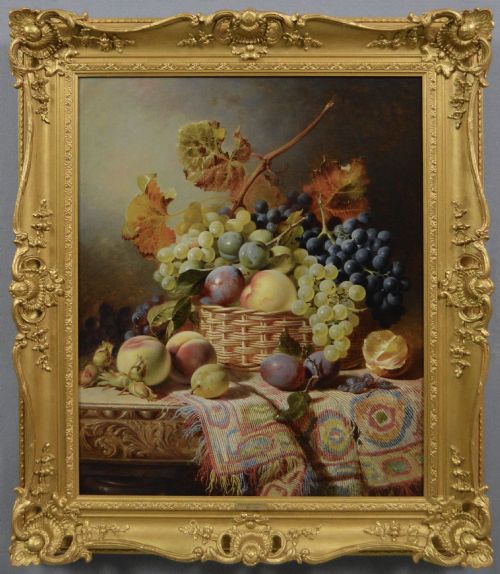
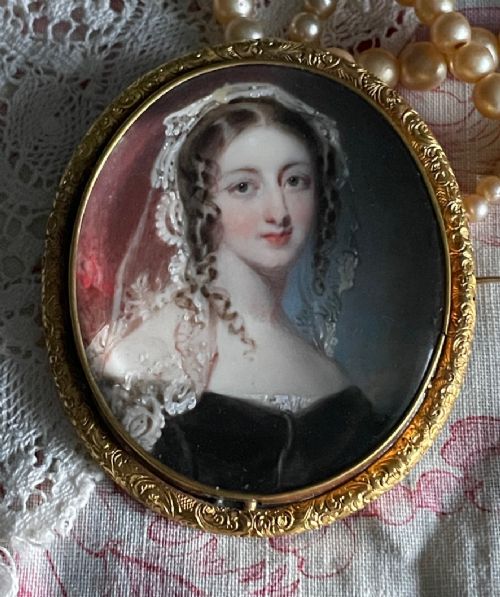
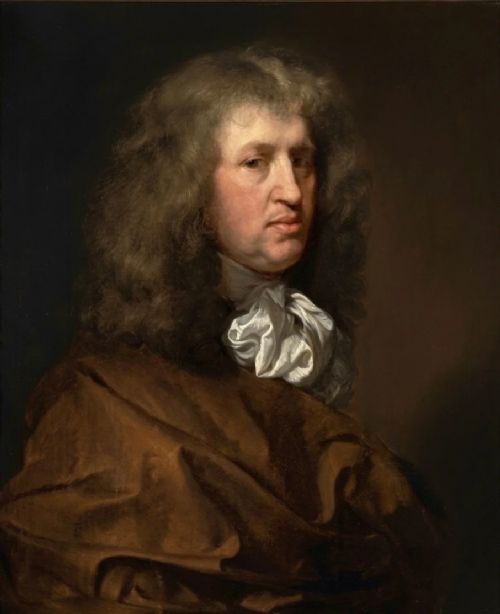
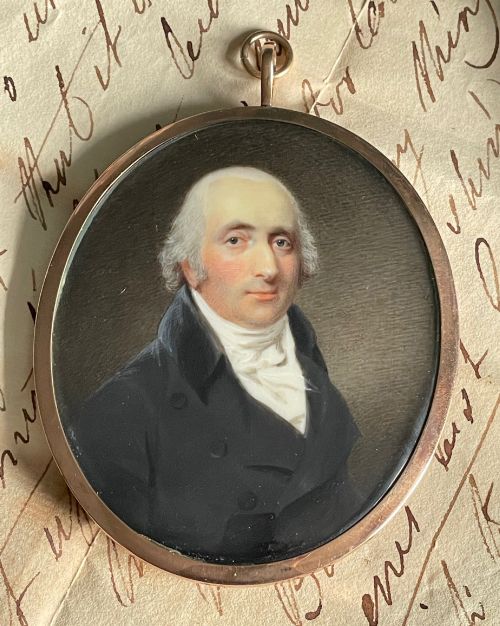
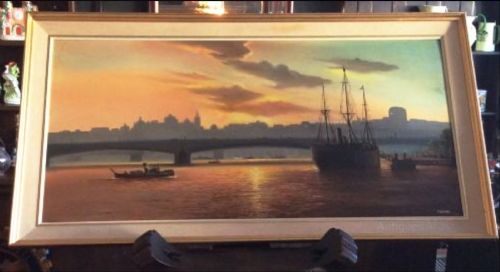
When you search for antique british art, you encounter a diverse selection of paintings, watercolours, drawings and framed works originating from the eighteenth, nineteenth and early twentieth centuries. These pieces encompass detailed portraiture, romantic landscapes, marine seascapes and pastoral scenes produced across Victorian, Edwardian and Georgian periods.
You are most likely to meet original oil paintings on canvas or panel alongside delicate works on paper, capturing subjects ranging from Scottish highlands and river valleys to formal sitters and maritime vessels.
How they were made
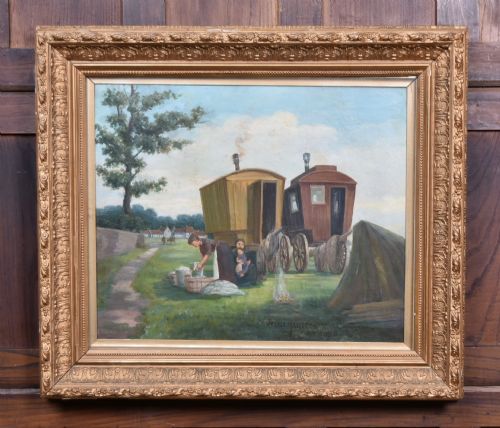
Artists utilised traditional mediums including oil paint applied to canvas, wood panels or board, alongside watercolours, gouache and ink on paper. Canvases were frequently stretched over wooden frames, while works on paper relied on pigmented washes and precise pencil or ink underdrawings.
Many historical pieces retain their period frames, constructed from carved wood and giltwood, which complement the visual depth and palette of the artwork within.
Antique British Art Retail Price Guide 2026
Typical asking prices for british art among the pieces listed under this phrase on Sellingantiques today, from the lower quarter to the upper quarter. They describe what is for sale here now, not the wider market.
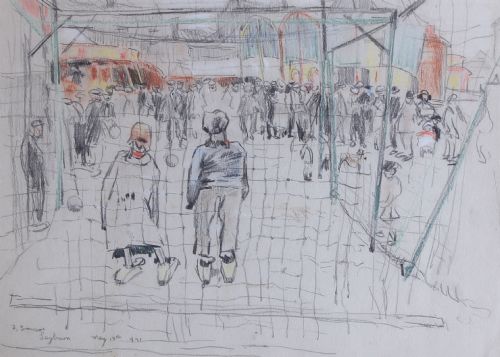
Listings feature works spanning from the seventeenth century to the mid-twentieth century, utilising oil, watercolour, pastel, and gouache.
What varies in quality
Quality rests upon the artist's technical execution, brushwork control and the subtlety of light and shadow captured within the composition. A superior oil painting or watercolour demonstrates confident handling of pigment, anatomical accuracy in portraits and animals, and atmospheric depth in landscapes.
The survival of the original surface, minimal intervention from later restoration, and the presence of an authentic period frame further elevate the standing of an individual piece.
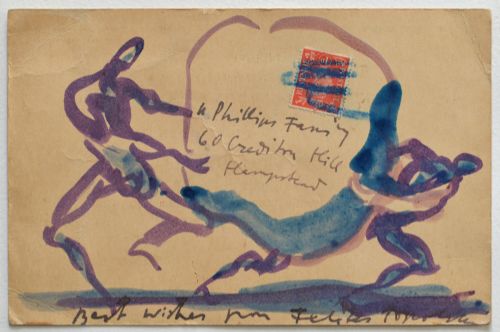
Sir William Beechey·Henry Barraud·George Armfield·Bruce Bairnsfather·Keith Murray·William Oliver·Richard Sebastian Bond·Sir Martin Archer Shee·James Orrock·Felix Stone Moscheles·Sir James Dromgole Linton·Charles Jervas·Percy Lancaster
The Antique British Art Glossary
- Oil on Canvas
- Pigment mixed with drying oil applied to a woven fabric support. This technique allows for rich blending and textured impasto effects.
- Watercolour
- A painting method where fine pigment is suspended in a water-based solution, typically applied to paper to create translucent washes.
- Giltwood
- Wood that has been coated with a thin layer of gold leaf or gold paint. It is commonly found on traditional picture frames from the eighteenth and nineteenth centuries.
- Panel Painting
- A flat piece of wood used as a rigid support for oil or tempera paint. Artists utilised wood panels extensively before stretched canvas became standard.
Antique British Art: Frequently Asked Questions
What periods do these paintings cover?
The selection spans from the seventeenth century through the Georgian, Victorian, and Edwardian eras up to the mid-twentieth century.
Most items originate from the nineteenth and early twentieth centuries, reflecting the dominant artistic output of those decades.
How do I identify a watercolour from an oil painting?
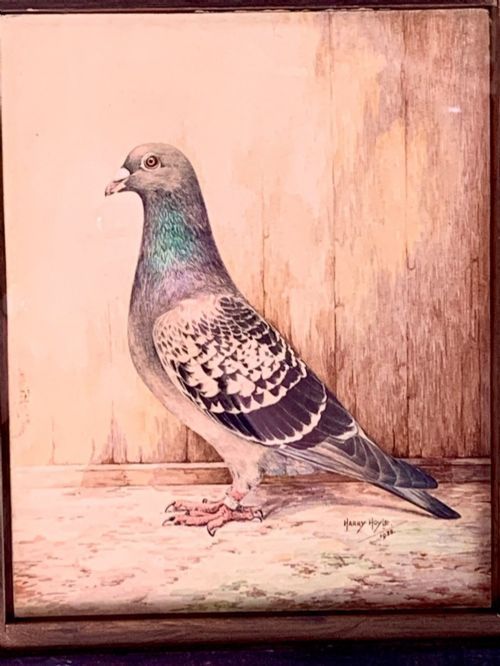
Watercolours are painted on paper, often showing translucent washes of colour and delicate brushwork beneath glass.
Oil paintings utilise heavier pigments on canvas or wood panels, possessing a distinct textured surface and opaque depth.
Are original frames usually included?
Many pieces retain their period frames, particularly giltwood or wood mouldings appropriate to the date of the artwork.
Some works may be reframed later in their history depending on past conservation choices.
How should I care for antique works on paper?
Works on paper require protection from direct sunlight to prevent fading of watercolours and inks.
Displaying them in stable humidity away from heat sources preserves both the paper support and the framing materials.