



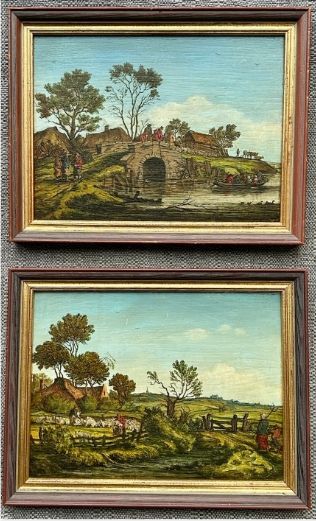
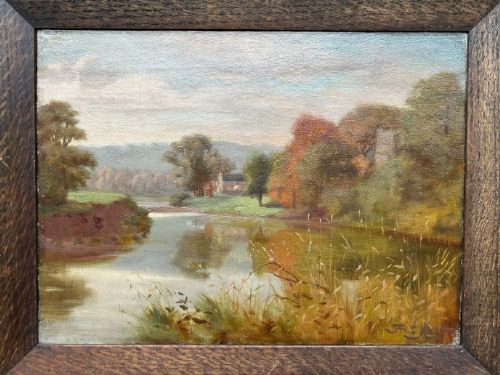
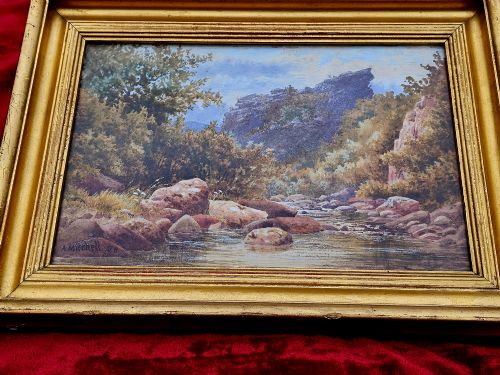
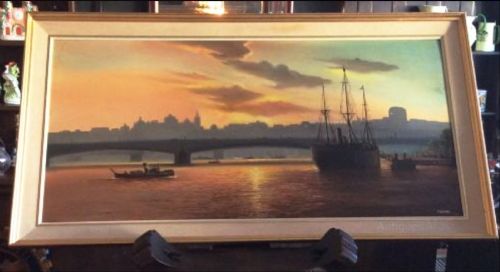

Antique River Scene
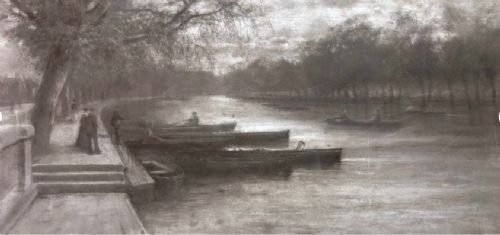
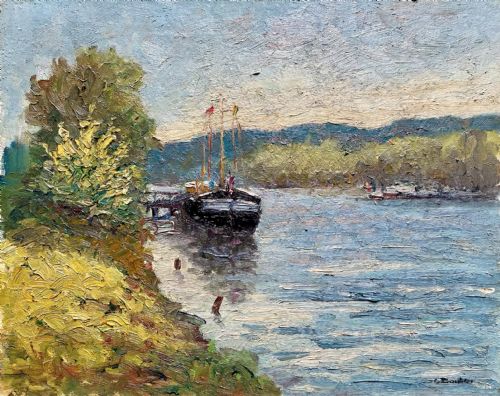
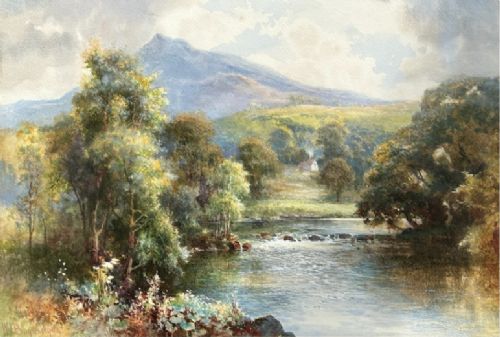
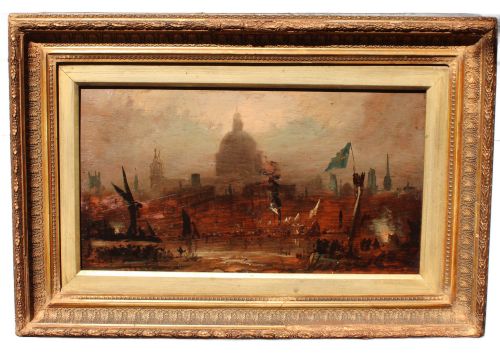
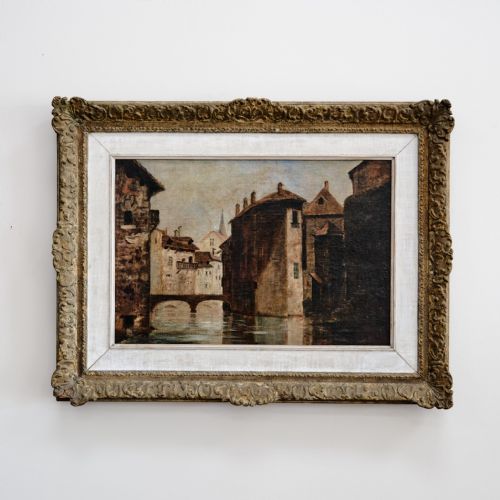
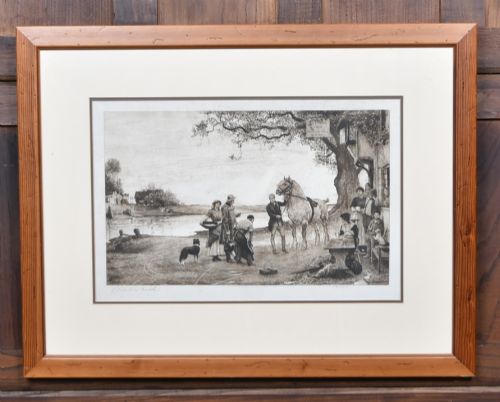
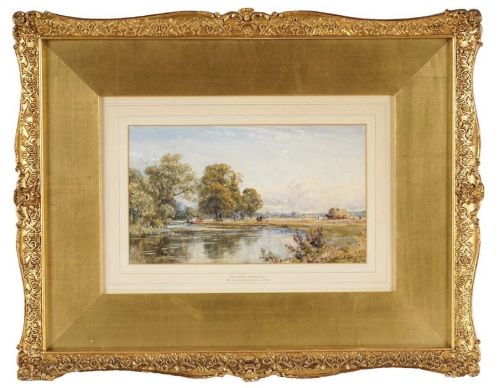
When you search for an antique river scene, you encounter centuries of watercolours and oils capturing banks, bridges, and waterways.
Antique River Scene
An antique river scene brings together historic waterways, working vessels, and rural banks preserved across generations of fine art.
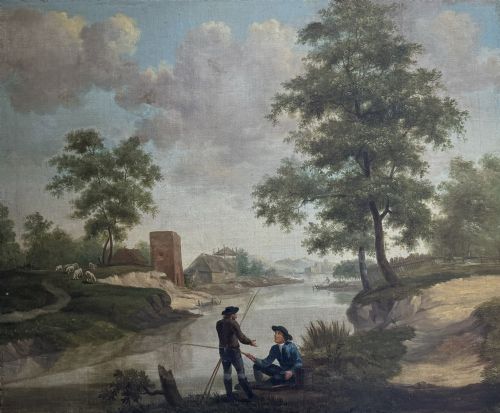
You will most frequently meet nineteenth-century oil paintings on canvas and delicate watercolour paintings depicting British and European rivers.
The selection extends from expansive Thames panoramas and Welsh streams to Dutch frozen waterways and French chateau settings.
How they were made
Artists applied oil paint to stretched canvas, wooden panels, and paper boards to build rich textures and atmospheric depths.
Watercolour paintings rely on fluid washes applied to paper, often enhanced with charcoal or pen and ink details for architectural precision.
Several river scenes feature solitary fishermen standing patiently by willow trees, seemingly indifferent to the passage of centuries.
What varies in quality
Mastery of natural light and atmospheric perspective separates superior landscape compositions from rigid topographical records.
The handling of water surface reflections, distant skies, and peripheral figures demonstrates the technical capability of the painter.
Original artist signatures, documented exhibition histories, and well-preserved period frames elevate the standing of individual works.
George Graham·Alfred Young Nutt·Frederick Marriott·Robert Thorne Waite·George Oyston·Herbert Royle·Henry H Parker·Edward Fletcher
The Antique River Scene Glossary
- Watercolour
- A painting method where fine pigments are suspended in a water-soluble binder, traditionally applied to absorbent paper.
- Giltwood
- Timber carved and coated with a thin layer of gold leaf, commonly utilised for ornate nineteenth-century picture frames.
- Provenance
- The documented history of ownership surrounding a work of art, establishing its authenticity and past exhibitions.
- Panel
- A solid wooden support utilised by artists as an alternative to stretched canvas for oil painting during the period.
- Wash
- A thin, translucent layer of diluted watercolour pigment used to create smooth skies and water surfaces.
Antique River Scene: Frequently Asked Questions
How do I identify the age of a river painting?
Examination of the canvas weave, panel preparation, and framing style often reveals the period of creation. Stylistic cues such as costume details or architectural landmarks further anchor the work in time.
Pigments and stretcher construction also provide physical clues that distinguish eighteenth-century examples from later Victorian or Edwardian works.
Where should I hang an oil painting?
Select an interior wall shielded from direct sunlight and excessive moisture fluctuations to protect the canvas and pigments. Stable environmental conditions preserve both the paint layer and the antique frame.
Positioning the piece at eye level in a principal room allows the subtle details of the waterway to be appreciated fully.
What is the difference between oil and watercolour?
Oil paintings utilise slow-drying paint on canvas or wood, offering rich textures and deep colour blending. Watercolours use translucent pigments on paper, presenting a lighter, more immediate atmosphere.
Oils generally require protective wooden frames without glass, whereas watercolours need glazing to safeguard the paper surface.
How do I care for antique works on paper?
Keep watercolours and charcoal drawings away from direct sunlight to prevent the fading of delicate pigments. Acid-free backing materials within the frame protect the paper from chemical degradation over time.
Maintain consistent indoor humidity levels to avoid warping the paper or encouraging mould growth beneath the glass.