



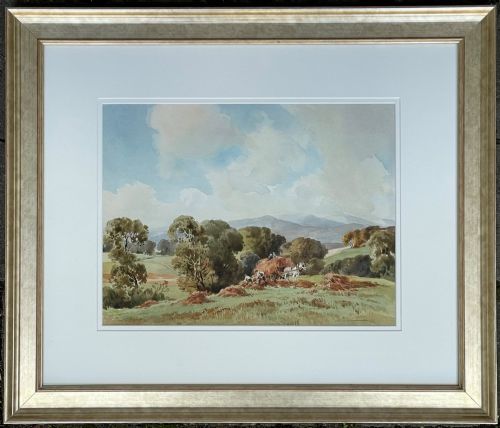
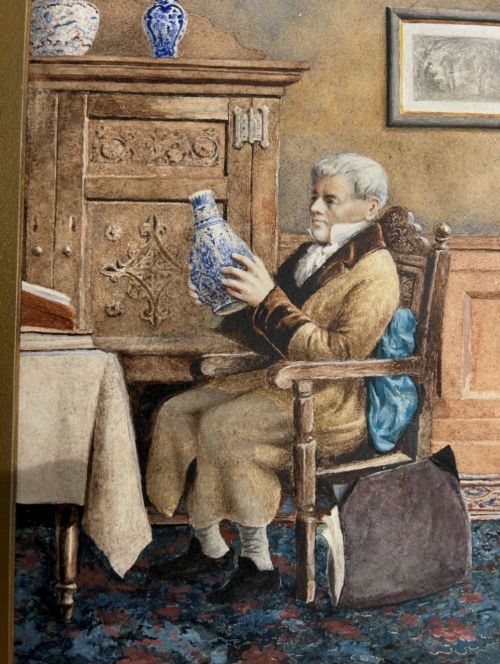
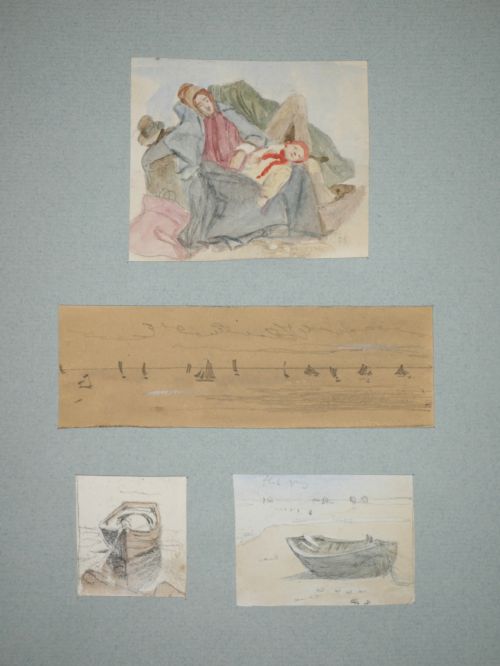
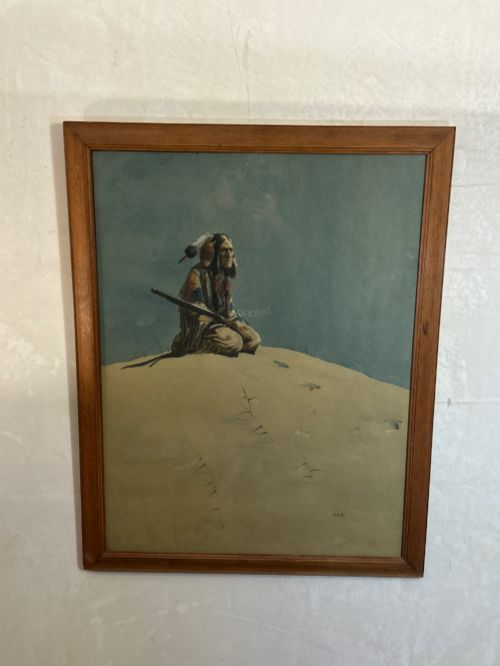
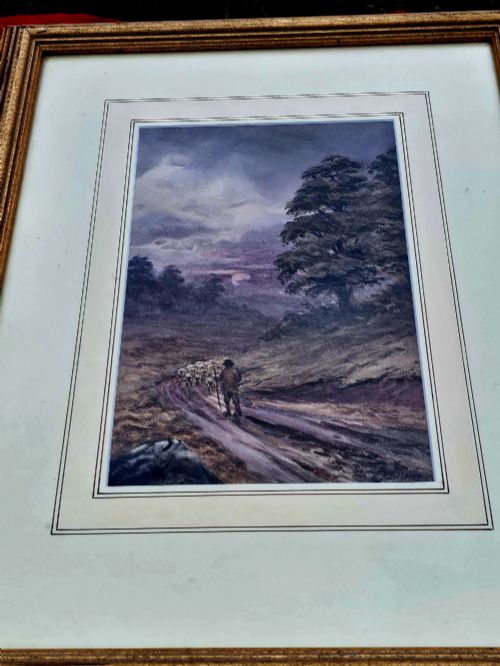
Framed Original Watercolour
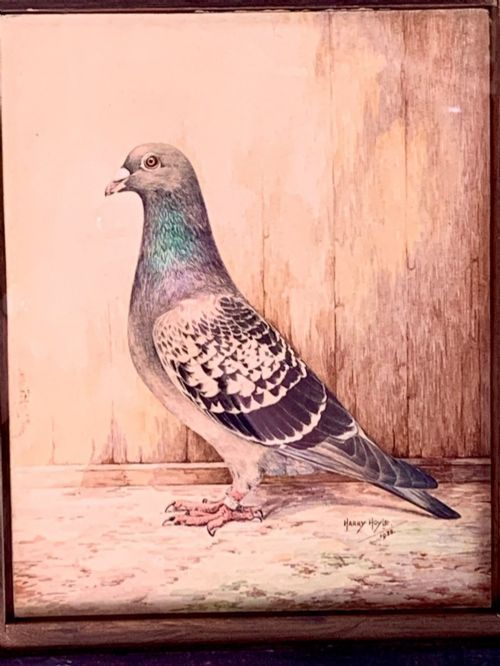
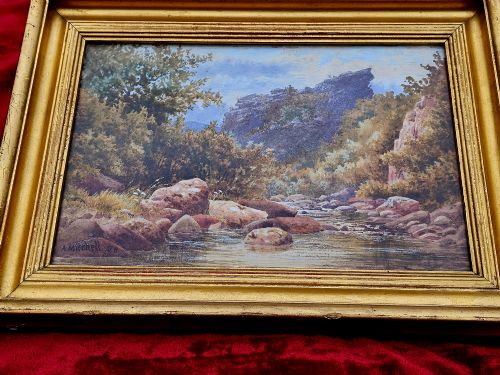
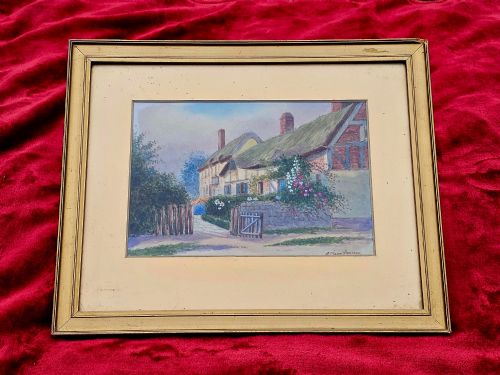
Framed original watercolour pieces capture singular strokes on paper protected behind glass within wooden surrounds, offering direct connection to past artists.
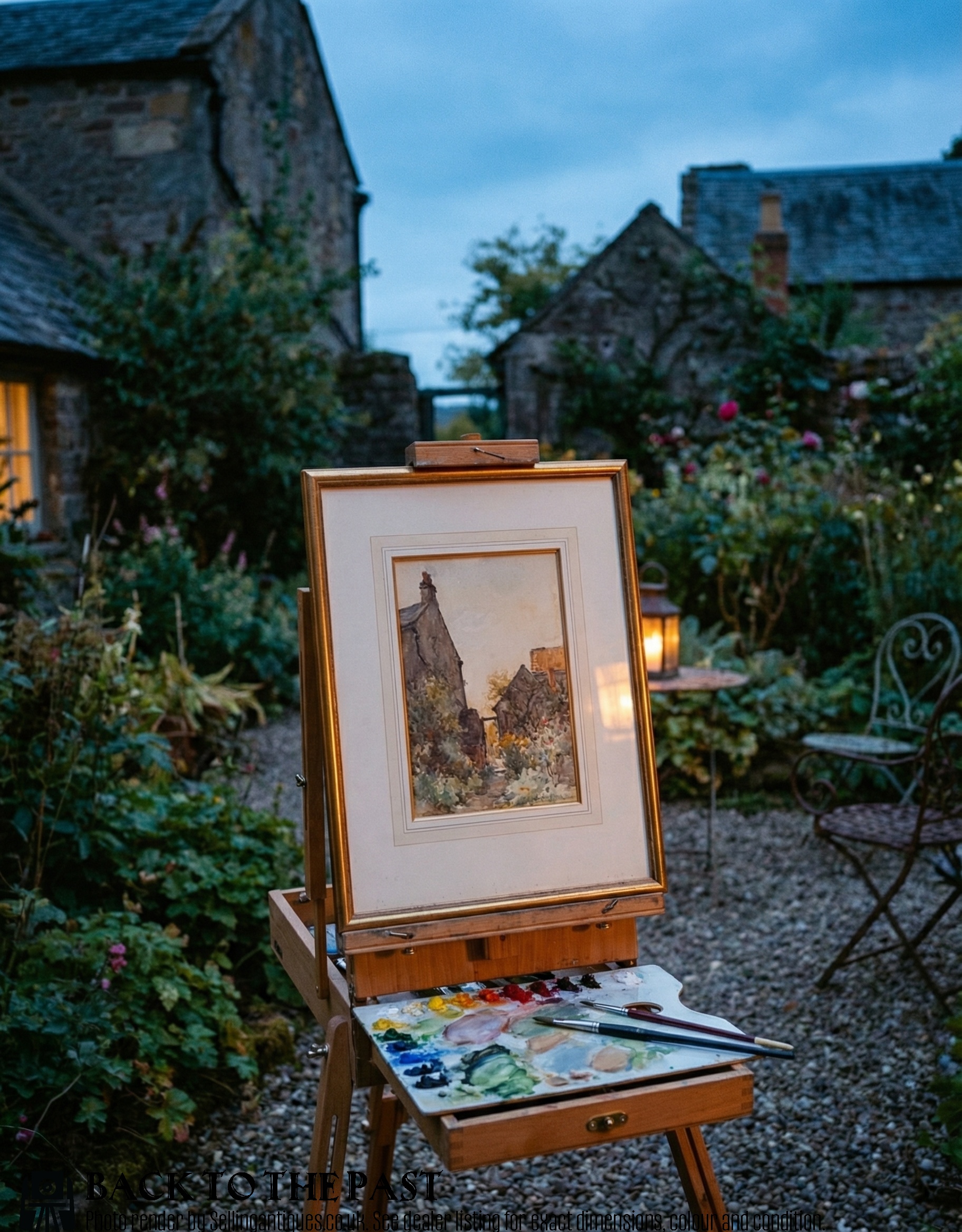
Framed original watercolour subjects and styles
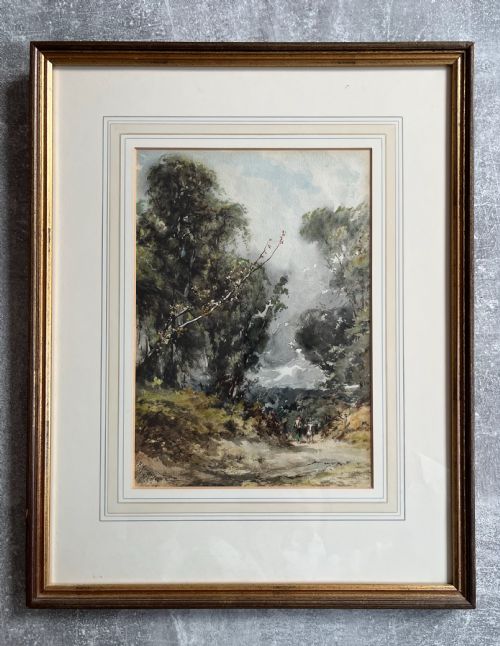
When searching for a framed original watercolour, buyers encounter a diverse selection of unique paintings executed on paper and secured behind glass. The pieces available span several distinct periods, most notably the Victorian era alongside twentieth century works reflecting British Impressionism and Edwardian aesthetics.
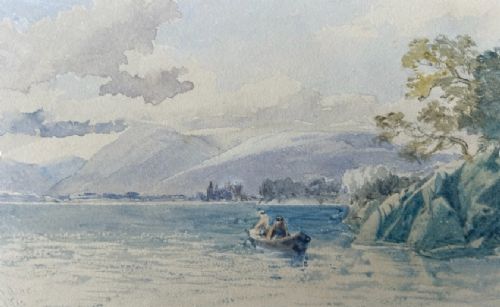
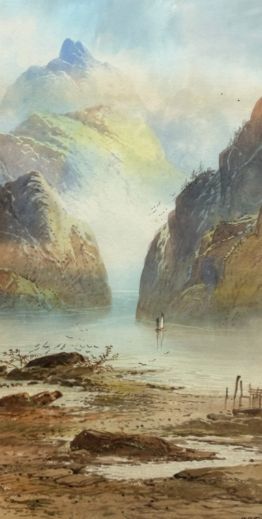
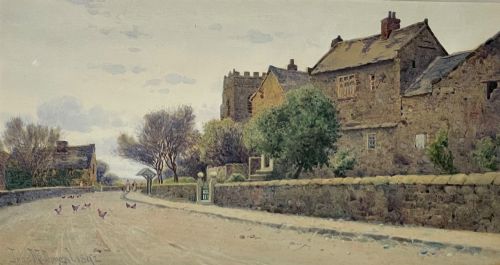
Subjects range from serene rural cottages and moorland landscapes to bustling townscapes, street scenes, and intimate still life studies of flowers. Artists utilise traditional water-soluble pigments to capture shifting light and atmosphere, presenting works mounted inside wood, gilt wood, or paper mache surrounds.
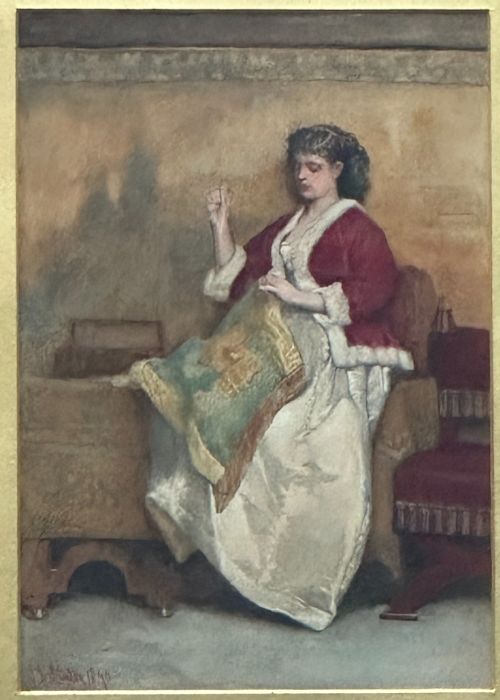
The selection encompasses both expansive pastoral views and delicate miniature paintings depicting figures or architecture. Buyers frequently find works bearing signatures or attributions to notable painters, alongside pieces created within specific regional schools and traditions.
Materials and technique
These works rely on pigment suspended in water applied directly to paper supports, allowing artists to achieve translucent washes and fine linear details. The resulting paintings are then sealed behind protective glass to prevent moisture and atmospheric damage.
Protective framing involves timber surrounds, ranging from plain wood to ornate gilded frames, gold leaf mouldings, and specialist piano key frames. Miniature works often incorporate paper mache mounts alongside traditional glazing to safeguard the delicate paint surface.
Retail Price Guide 2026
Typical UK retail prices for framed original watercolour, calculated from the Sellingantiques database of over a million retail prices indexed since 2003. This retail price guide relies exclusively on Sellingantiques data; no external sources or auction records are used, so the figures do not describe the wider market.
Listed styles encompass British Impressionism, Edwardian, Victorian, and Mid-Century Modern.
Evaluating the work
Quality rests upon the artist's handling of pigment, tone, and perspective, where confident brushwork creates depth and luminosity on the paper surface. Superior examples demonstrate a precise capture of light and atmosphere rather than mechanical execution.
The integrity of the framing materials also influences the piece, with period gold leaf or gilt wood surrounds matching the age and scale of the painting. Works retaining legible signatures, dated inscriptions, or detailed provenance offer clearer insight into their origin.
Owen Bowen·Joseph W Milliken·Samuel Palmer·William Foster·W Tatton Winter·Sir William George Gillies·Earl Haig·Samuel Prout·Olive Higginbottom·John Dobbin·F Stanfield·JMW Turner·George Kilburne·F Norie·J F Sharpe·Henry Stanton Lynton·Cosway·John Bates Noel·William Manners RBA·Henry Charles Jarvis·Peter Ghent·Percy Lancaster·Michael Lyne·Arthur Elwell Moffat·A Cialzohs
The Framed Original Watercolour Glossary
- Watercolour
- A painting method where fine pigment is mixed with water-soluble binders and applied to paper. This medium relies on the white of the paper showing through transparent washes to create light.
- Gilt wood
- Timber frames treated with a thin layer of gold leaf or metallic gilt finish. Such surrounds provide a traditional ornate boundary for nineteenth century and earlier paintings.
- Townscape
- A genre of fine art depicting urban buildings, streets, and city views. These compositions often record historical streetscapes and architectural changes.
- Manner of
- A term used when a painting adopts the distinct style and composition of a known master without being a direct copy. It indicates an artist working within the aesthetic orbit of a prominent figure.
- Miniature
- A small-scale painting executed with immense precision and fine detail. These compact works frequently portray individual portraits or condensed landscape views.
Frequently Asked Questions
What periods do these watercolours come from?
The pieces span the eighteenth, nineteenth, and twentieth centuries, including Victorian, Edwardian, and mid-century periods.
Dates and styles reflect changing British artistic movements from early romantic landscapes to impressionist townscapes.
How should I hang a framed watercolour?
Keep watercolours away from direct sunlight to prevent the pigments and paper from fading over time.
Ensure the room maintains stable humidity levels to protect both the paper painting and its wooden frame.
Are all these paintings signed by the artist?
Many pieces feature visible signatures, artist attributions, or inscriptions written on the reverse verso.
Other works remain unattributed or are created in the manner of a specific historical school.
What framing materials are typically used?
Surrounds commonly consist of wood, gilt wood, gold leaf, or specialist paper mache for miniature works.
Glass protects the delicate paper surface from dust and direct physical contact.