





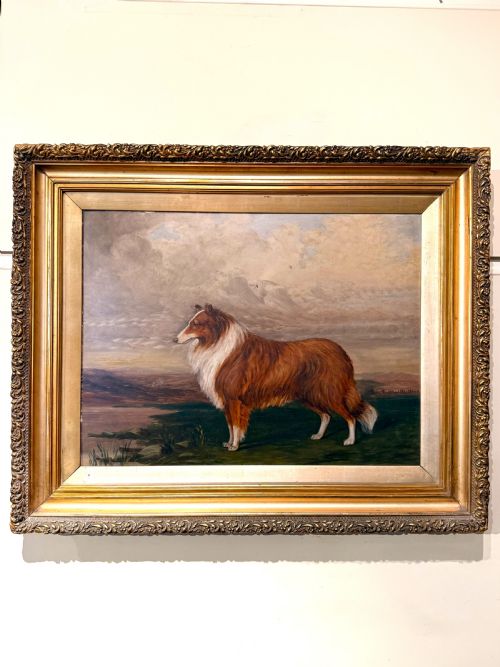
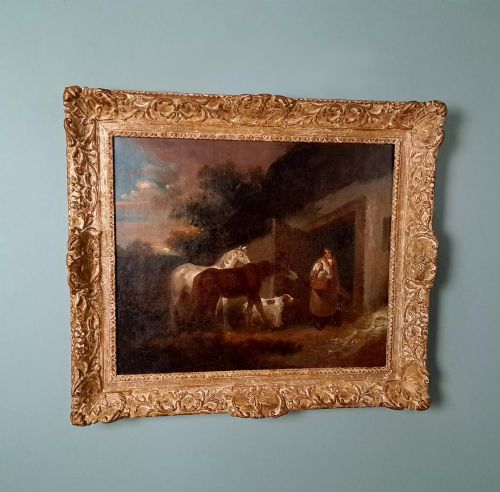
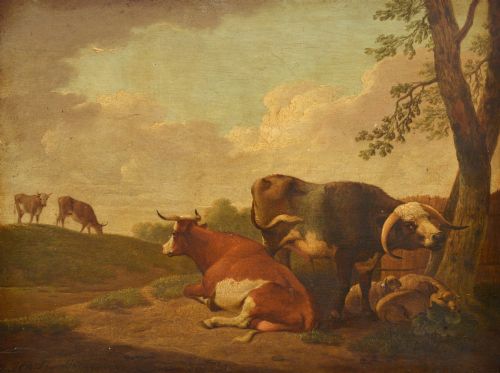
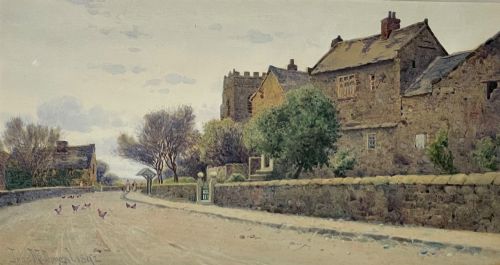

Brown Landscape Painting
A brown landscape painting brings quiet earth tones and natural scenery into a room through oil, watercolour, or panel.
Understanding brown landscape painting
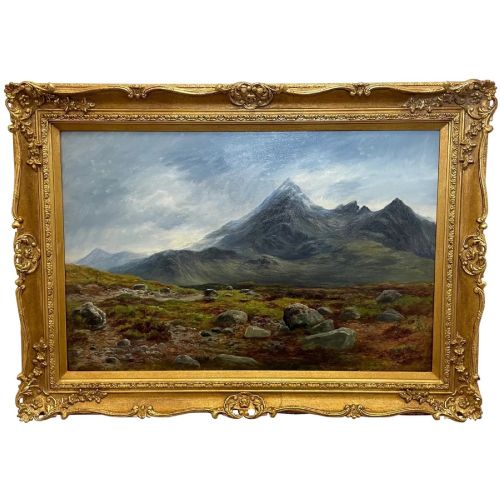
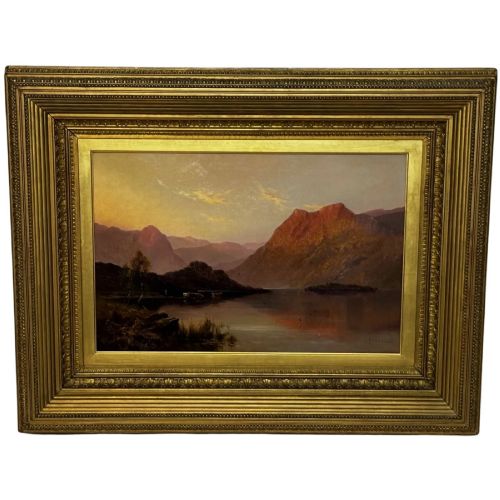
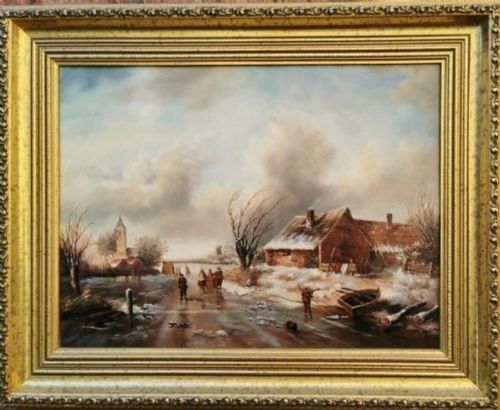
A brown landscape painting captures rural scenes, rivers, farmyards, and historic views using muted earthen palettes and natural tones. These works appear across several periods, including the eighteenth century, the nineteenth century, and mid-century modern eras.
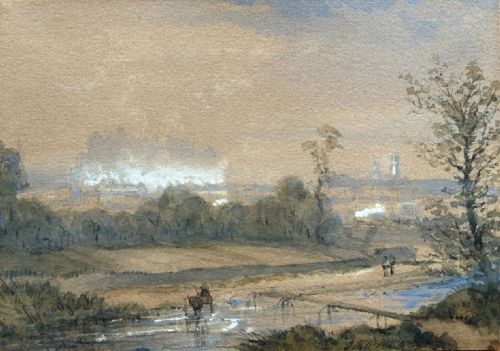
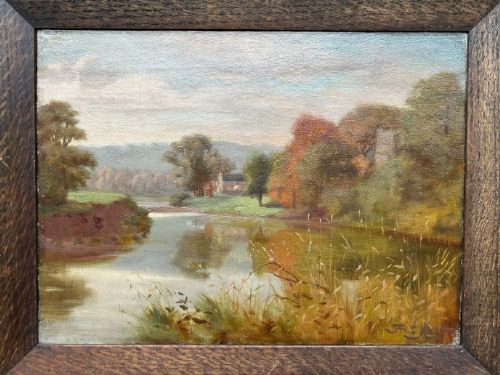
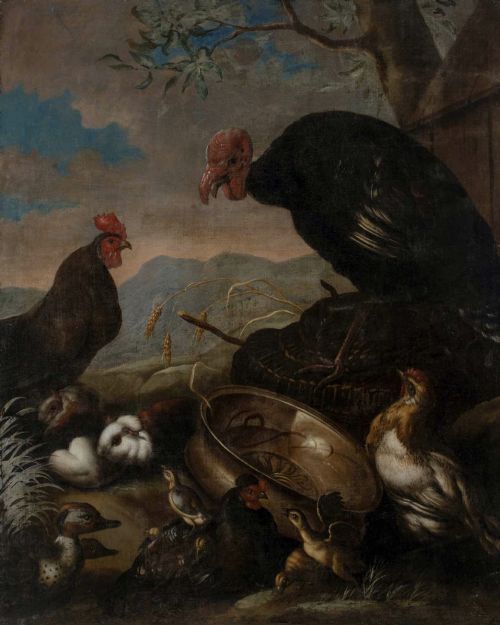
The pieces listed here span oil on canvas, oil on oak panel, and watercolour on paper. Subjects range from Scottish lochs and Yorkshire streets to farm yards and coastal views.
Collectors encounter diverse stylistic approaches, from Georgian topographical views to British Impressionism and Modern British interpretations. Smaller watercolours sit alongside substantial oil paintings on panel.
Materials and construction
Painters utilised oil paint and watercolour applied to paper, canvas, and wood panels such as oak. Works were often framed behind glass or mounted directly within wooden surrounds.
Pigments were worked onto prepared grounds to capture atmospheric light and natural textures. Panel paintings utilise solid timber supports which provide a stable surface for detailed oil work.
Retail Price Guide 2026
Typical UK retail prices for brown landscape painting, calculated from the Sellingantiques database of over a million retail prices indexed since 2003. This retail price guide relies exclusively on Sellingantiques data; no external sources or auction records are used, so the figures do not describe the wider market.
Several artists shared the surname Brown, creating an accidental family of landscape painters across different centuries.
Assessing quality
Quality rests in the handling of light, brushwork confidence, and the compositional balance of the landscape. Stronger pieces demonstrate assured draughtsmanship and a coherent atmospheric tone.
Condition of the support and pigment layer dictates visual integrity. Intact original surfaces on wood panels or paper without significant fading distinguish finer examples.
John Atkinson·George Lambert·Sir William George Gillies·Kershaw Schofield·Donald McIntyre·Thomas Austen Brown·William Beattie Brown
The Brown Landscape Painting Glossary
- Oil on panel
- A painting executed with oil paint directly onto a wooden support such as oak. This technique offers a rigid and durable base compared to stretched canvas.
- Watercolour
- A painting method where fine pigment is suspended in a water-soluble binder and applied to paper. It yields translucent washes and delicate tonal shifts.
- British Impressionism
- An artistic approach focusing on light and everyday subjects through visible brushstrokes. It emerged in the late nineteenth and early twentieth centuries.
- Panel painting
- A flat piece of wood used as a structural support for an artwork. Panels were common in earlier periods before canvas became dominant.
Frequently Asked Questions
What periods do these paintings come from?
The works span from the eighteenth century through the nineteenth and twentieth centuries.
Styles include Georgian, British Impressionism, and mid-century modern.
What surfaces are used for these artworks?
Artists painted on paper, canvas, and wood panels such as oak.
Watercolours are typically on paper, while oils appear on both canvas and wood.
How should I care for a watercolour painting?
Keep watercolours away from direct sunlight to prevent fading of the pigments on paper.
Ensure framing is secure and protects the work behind glass.
Where were these landscape scenes painted?
Subjects include locations across England, Scotland, and specific historic sites.
Views feature rivers, castles, coastlines, and rural farmyards.