



Oil on Oak Panel
An oil on oak panel is a rigid painted surface favoured by portraitists and landscape artists across several centuries.
Oil on Oak Panel
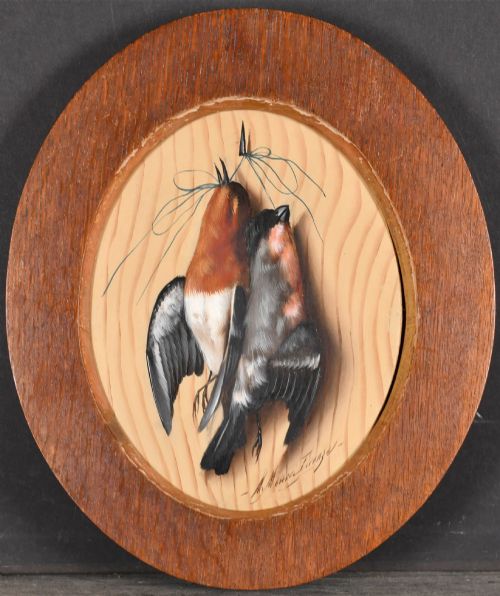
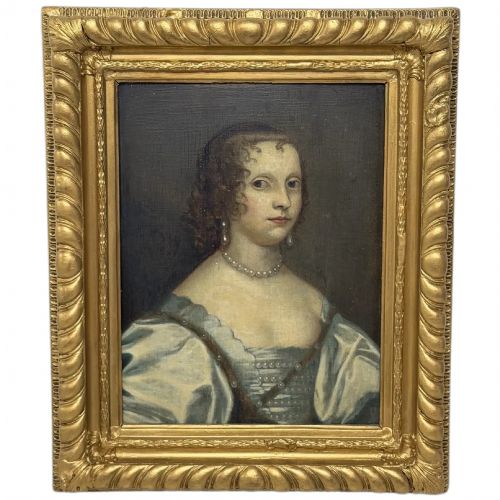
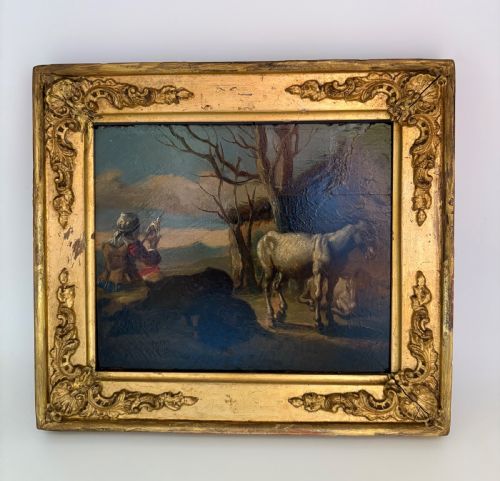
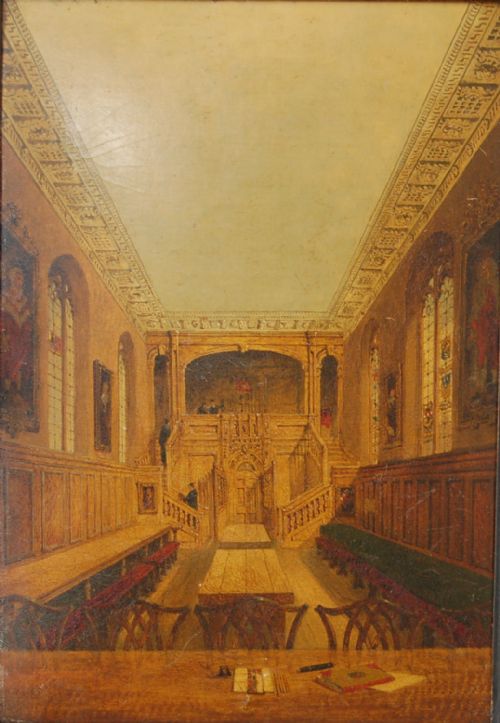
When you examine an oil on oak panel, you encounter works spanning from the Tudor period and the seventeenth century through to the Georgian era and the nineteenth century. These pieces encompass royal portraits, tavern interiors, sporting art, and landscape scenes.
The seventeenth-century examples frequently feature aristocratic sitters or Dutch school compositions, whilst later pieces turn towards British landscapes, equine subjects, and botanical still lifes.
Framing often includes period giltwood which complements the heavy wood support.
Materials and construction
Artists painted directly onto seasoned oak wood panels using oil paint, creating a durable surface that resisted the cracking common to canvas over long periods.
Makers prepared these wooden supports by planing and smoothing the oak before applying priming layers to receive the oil pigments.
Oil on Oak Panel Retail Price Guide 2026
Typical asking prices for oil on oak panel among the pieces listed under this phrase on Sellingantiques today, from the lower quarter to the upper quarter. They describe what is for sale here now, not the wider market.
The listings show works executed across the seventeenth, eighteenth, and nineteenth centuries, spanning portraiture, sporting art, and still life.
Assessing the work
Quality rests upon the delicacy of the brushwork and the stability of the oak panel itself, particularly how well the wood has resisted warping across the centuries.
Fine examples show meticulous handling in details such as lace collars, animal pelts, or architectural perspective, whereas lesser pieces display stiffer, more formulaic execution.
Hieronymus Custodis·Michelangelo Meucci·George Lambert·Joseph Murray Ince
The Oil on Oak Panel Glossary
- Oak panel
- A flat piece of oak timber used as a rigid support for oil painting instead of canvas. It provides a stable and long-lasting base.
- Giltwood
- Wood, often carved moulding on a picture frame, that has been coated with gold leaf or gold paint. This finish enhances the presentation of antique artworks.
- Trompe l'oeil
- An art technique involving extremely realistic imagery in order to create the optical illusion that the depicted objects exist in three dimensions. It translates from French as deceive the eye.
- Provenance
- The chronology of the ownership, custody or location of a historical object. A documented history helps confirm the authenticity of older paintings.
Oil on Oak Panel: Frequently Asked Questions
How do I care for an oil on oak panel?
Keep the painting away from direct heat sources and drastic changes in humidity, as wood responds to environmental shifts.
Display the piece on a stable interior wall where temperature remains consistent throughout the year.
Why did artists paint on oak instead of canvas?
Oak panels offered a completely rigid support that allowed for extremely fine, detailed brushwork without the give of woven fabric.
This material choice was particularly common in Northern European traditions during earlier centuries before canvas gained universal preference.
How can I tell a seventeenth-century panel from a nineteenth-century one?
Examine the preparation of the wood, the style of the clothing or landscape, and the manner in which the pigments were layered.
Earlier works often display distinct tool marks on the reverse of the oak board alongside period framing conventions.
Are these paintings usually signed?
Many historical oil paintings on panel remain unsigned, particularly those originating from early British or Dutch school traditions.
Attributions are frequently determined through stylistic comparison, subject matter, and archival research rather than a visible signature.