
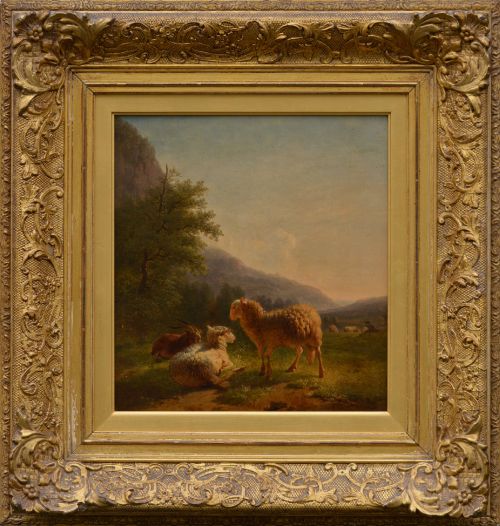


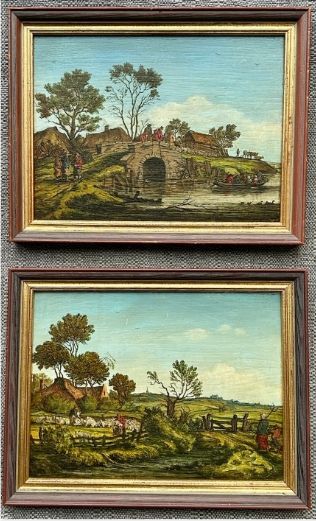
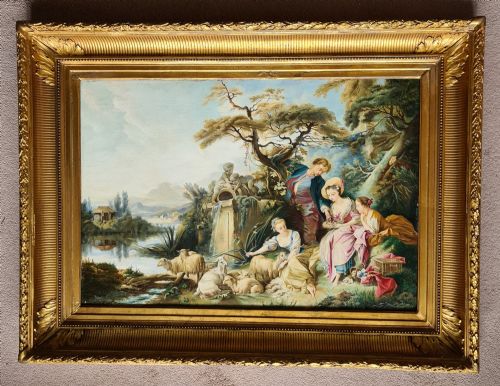
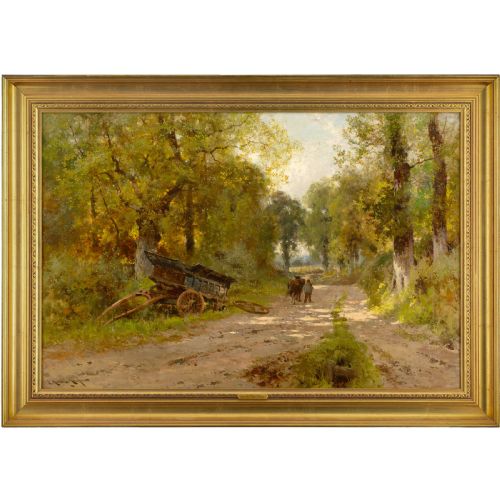
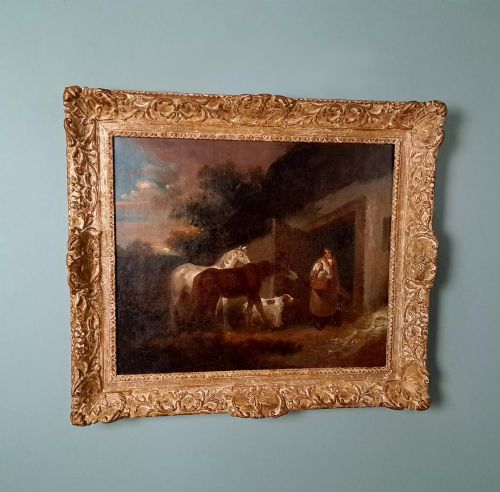
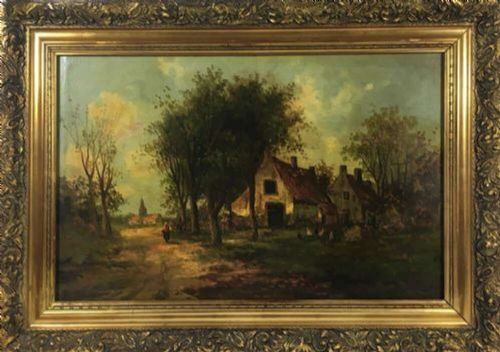
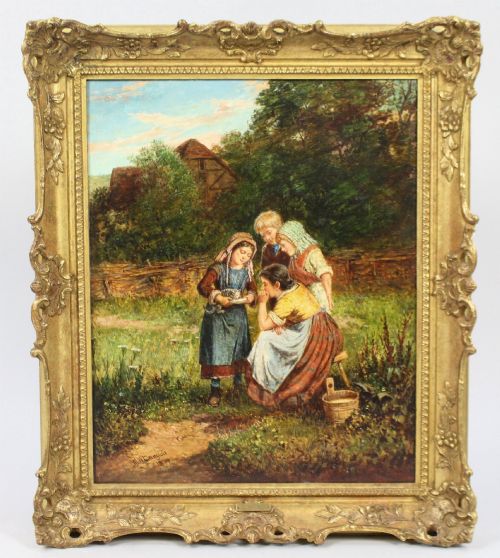
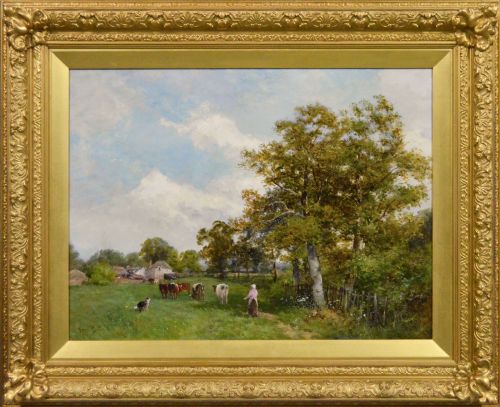
Pastoral Scene Oil Painting
When you search for pastoral scene oil painting, you enter a world of rustic landscapes, grazing livestock, and quiet country figures.
Pastoral Scene Oil Painting
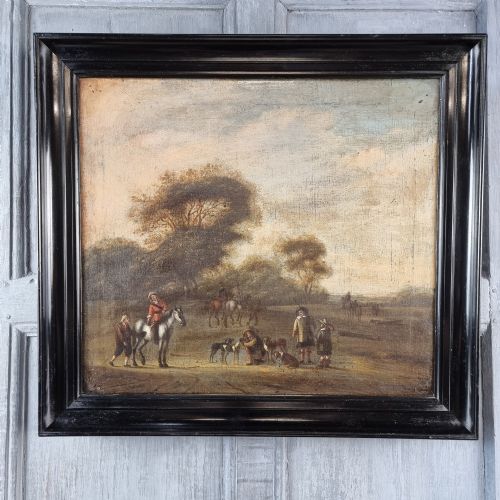
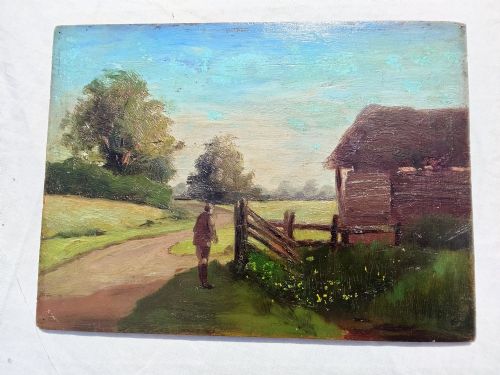
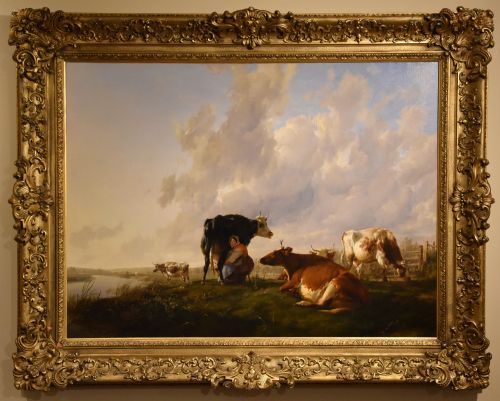
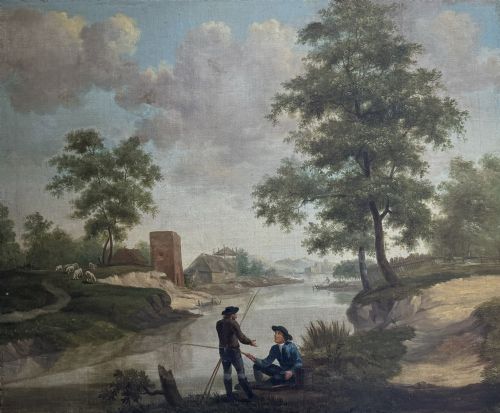
A pastoral scene oil painting captures the quiet rhythm of rural life, featuring shepherds, cattle, riversides, and rustic cottages. These works draw heavily from nineteenth-century realism, romanticism, and British and European impressionism.
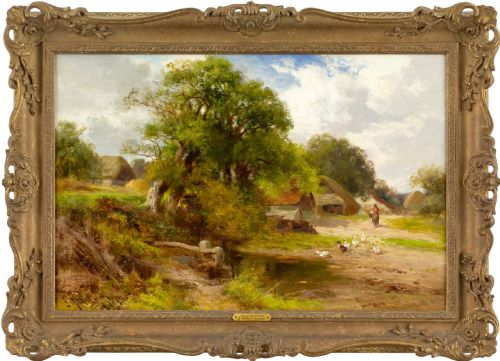
Most pieces encountered here date from the eighteenth to the early twentieth century, spanning Victorian and Edwardian periods. They range in scale from intimate wood panels to grand canvas wall hangings framed in ornate giltwood.
Materials and Construction
Artists applied oil paint using fine brushes and palette knives onto prepared surfaces such as woven canvas or solid wood panels. Oak and other timber boards provided rigid supports for smaller cabinet paintings.
Many surviving works retain their original gesso and gilt wood frames, moulded with decorative plaster ornamentation that complements the traditional subject matter.
Pastoral Scene Oil Painting Retail Price Guide 2026
Typical asking prices for pastoral scene oil painting among the pieces listed under this phrase on Sellingantiques today, from the lower quarter to the upper quarter. They describe what is for sale here now, not the wider market.
The selection includes British and European regional schools, encompassing Victorian realism, romanticism, and early twentieth-century impressionism.
Assessing Quality and Execution
Quality rests upon the artist's command of light, atmospheric perspective, and anatomical precision in rendering figures and animals. Finer hands capture subtle shifts in dusk light and realistic textures in foliage and fleece.
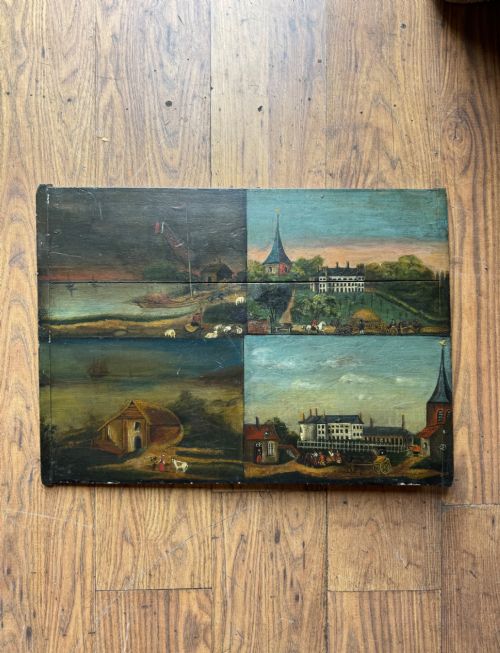
The sophistication of the underlying composition and the preservation of the original paint layer distinguish ambitious academic works from provincial or naive folk art.
Eugène Verboeckhoven·Thomas Sidney Cooper·John Horace Hooper·David Bates·Henry Schouten
The Pastoral Scene Oil Painting Glossary
- Gesso
- A plaster-like mixture applied to wood panels or canvas to create a smooth, stable surface for oil painting. This foundational layer ensures the pigmemts adhere properly over centuries.
- Giltwood
- Timber carved and coated with a thin layer of gold leaf or metallic powder. It frequently surrounds nineteenth-century pastoral canvases to add reflective warmth.
- Realism
- An artistic movement focusing on everyday subjects and unidealised nature without theatrical embellishment. Painters in this tradition depicted rural labourers and farmyards with direct observation.
- Panel
- A solid flat piece of wood used as a rigid support for oil painting instead of stretched canvas. Oak boards were particularly common in earlier European traditions.
- Grisaille
- A painting executed entirely in shades of grey or neutral monochrome. This technique often served as a preparatory underpainting or as a finished decorative wall hanging.
Pastoral Scene Oil Painting: Frequently Asked Questions
What subjects appear in pastoral oil paintings?
These works depict rural life, typically featuring shepherds with sheep, cattle near rivers, milkmaids, and country cottages. Figures engaged in quiet agricultural labour or fishing populate the landscapes.
The compositions often capture specific times of day, such as sunset, dusk, or the bright light of a sylvan spring afternoon.
How do I identify the period of an oil painting?
Dating relies on stylistic clues, framing techniques, and the preparation of the canvas or wood panel. Nineteenth-century works frequently display the characteristic realism or romanticism of the Victorian era.
Signatures, dates inscribed on the reverse, and maker stamps on the stretcher bars provide further chronological evidence.
Where should I hang a pastoral oil painting?
These traditional landscapes suit rooms decorated with natural wood furniture, neutral walls, and classic interior schemes. They benefit from placement away from direct sunlight and excessive humidity.
Matching the weight of the gilt frame to the scale of the wall ensures the artwork anchors the room effectively.
What is the difference between canvas and panel paintings?
Canvas paintings utilise woven fabric stretched across a wooden frame, offering flexibility and lighter overall weight. Wood panel paintings provide a rigid, solid support favoured by earlier schools.
Panels can show wood grain shrinkage over long periods, while canvases remain susceptible to puncture and slackening.