

Early 19th Century Painting
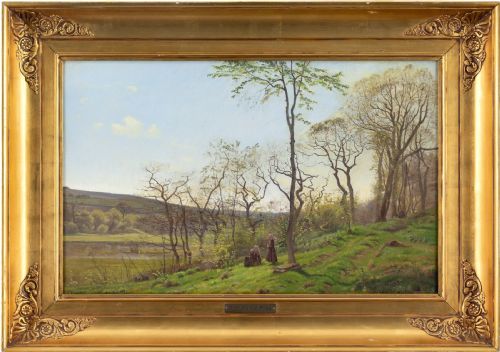
Early 19th century painting captures the romantic and pastoral spirit of the Georgian and Regency eras, offering buyers a direct visual link to historical portraiture, maritime scenes and landscapes.
Early 19th Century Painting
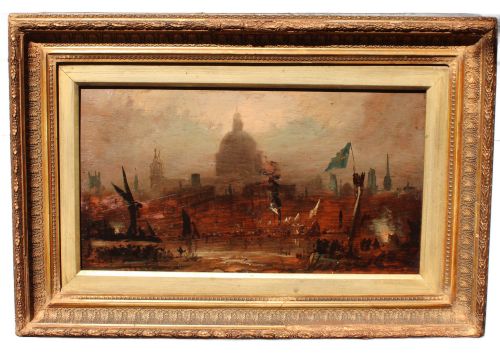
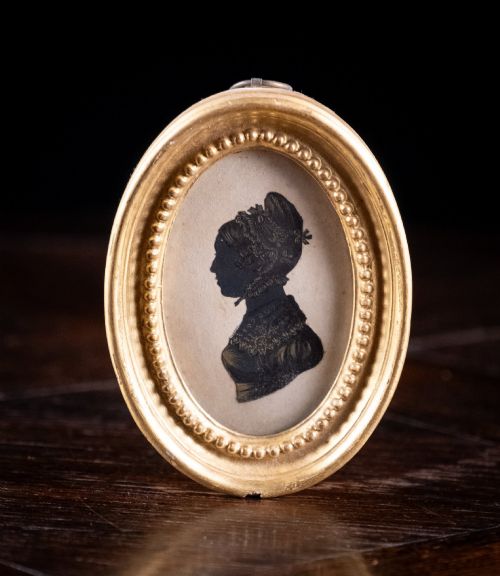
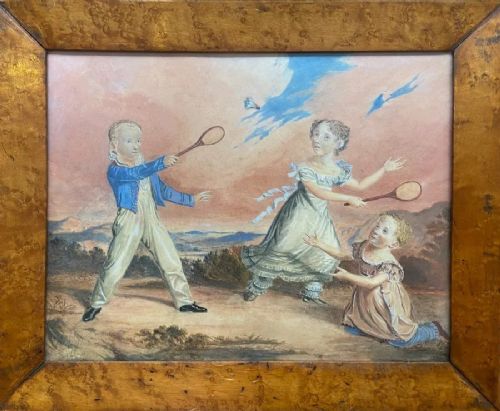
An early 19th century painting encompasses oil paintings on canvas or wood panel, delicate watercolour studies on paper, and detailed portrait miniatures. Buyers encounter works ranging from formal portraiture depicting gentlemen and children to sweeping pastoral landscapes and coastal views.
Many surviving works reflect the broader Regency and Georgian aesthetics, capturing both grand British and continental traditions. Artisans and artists of the period produced both ambitious canvases and intimate sketches, often working within distinct regional schools across Britain and Europe.
How they were made
Artists of the period applied oil paint to stretched canvas, prepared wood panels, or occasionally copper, building rich textures and deep tones. Watercolours were painted directly onto paper or rice paper, utilising fine pigments to achieve translucent washes and precise architectural details.
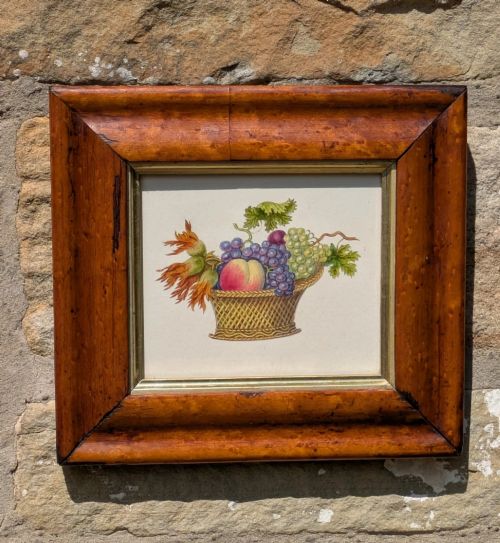
Framing and presentation involved traditional joinery and gilding, with many works retained in their original wooden gilt frames. The physical composition relies on organic binders and traditional preparation of surfaces, ensuring the survival of the paint layer through successive generations.
Early 19th Century Painting Retail Price Guide 2026
Typical asking prices for early 19th century painting among the pieces listed under this phrase on Sellingantiques today, from the lower quarter to the upper quarter. They describe what is for sale here now, not the wider market.
Several canvases record the steadfast gaze of beloved family livestock, proving our ancestors loved painting their pigs just as much as their politicians.
What varies in quality
The distinction between standard decorative works and superior examples rests upon the dexterity of the brushwork and the expressive depth of the subject. Masterful handling of light, shadow and perspective elevates a landscape or portrait from a generic record to a compelling artistic statement.
Preservation of the original paint surface and the integrity of the substrate dictate the longevity and visual impact of the piece. Works that retain their untouched pigments and contemporary framing demonstrate higher integrity than those with extensive overpainting or structural compromise.
Henry Travis·Harald Foss·Umberto Volpato·George Jones RA·Paul Sandby Munn·Gerrit Hendrik Göbel·John Wilson Carmichael·David Cox Senior·Lt Col Thomas Ditmas·Benjamin Barker of Bath
The Early 19th Century Painting Glossary
- Oil painting
- A work created using pigments bound in a drying oil, most commonly applied to canvas or wood panel. This medium allowed artists to achieve rich, luminous depths and smooth blending of tones.
- Watercolour
- A painting method where fine pigment is suspended in a water-based solution, typically executed on paper. It was widely utilised during the period for topographical views, architectural sketches and delicate portraits.
- Portrait miniature
- A small, highly detailed painting capturing an individual likeness, often created on ivory, paper or card. These intimate works required immense precision and were frequently kept as personal keepsakes or mounted in lockets.
- Grisaille
- A painting executed entirely in monochrome shades of grey, neutral grey or brown. This technique was often employed to produce monochromatic studies or as a preparatory underpainting for subsequent colour glazing.
- Provenance
- The documented history of ownership surrounding a work of art, tracing its origin and passage through time. Clear lineage adds significant historical context to period paintings.
Early 19th Century Painting: Frequently Asked Questions
How do I identify a genuine period canvas?
Examine the reverse of the canvas and the stretcher bars for signs of age, such as oxidised nails, handmade wedges and darkened linen fibres.
Inspect the crazing of the paint surface under magnification to confirm natural ageing rather than artificial distressing.
How should I care for a watercolour on paper?
Keep watercolours away from direct sunlight to prevent the fugitive pigments from fading and the paper from yellowing over time.
Ensure they are mounted behind conservation-grade glass with adequate spacing between the paper and the glazing to avoid moisture damage.
What is the difference between an oil study and a finished painting?
An oil study was typically executed rapidly on wood panel or canvas as a preparatory work or en plein air observation to capture light and atmosphere.
Finished paintings involved more rigorous compositional planning and finer detailing intended for formal exhibition or domestic display.