
Antique Botanical Artwork
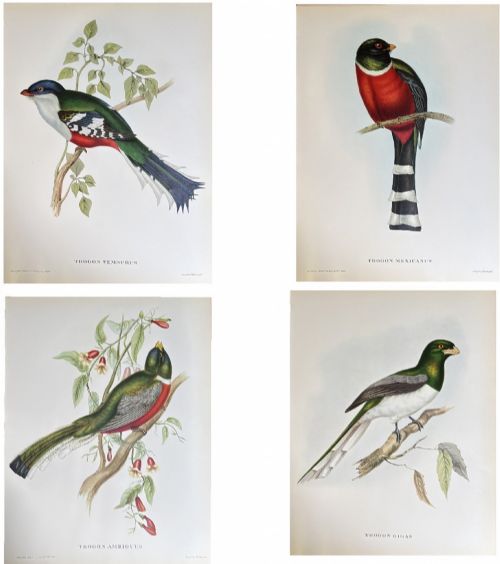
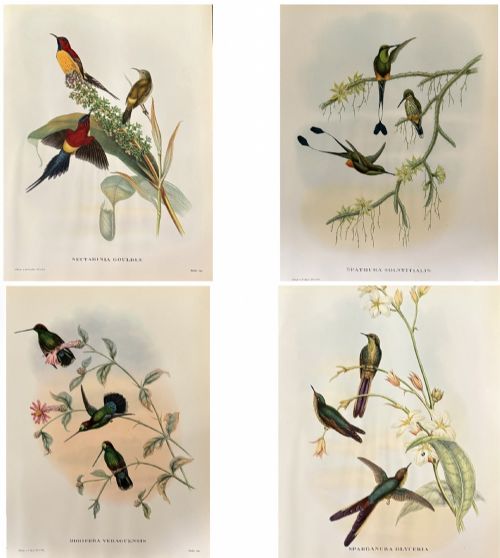
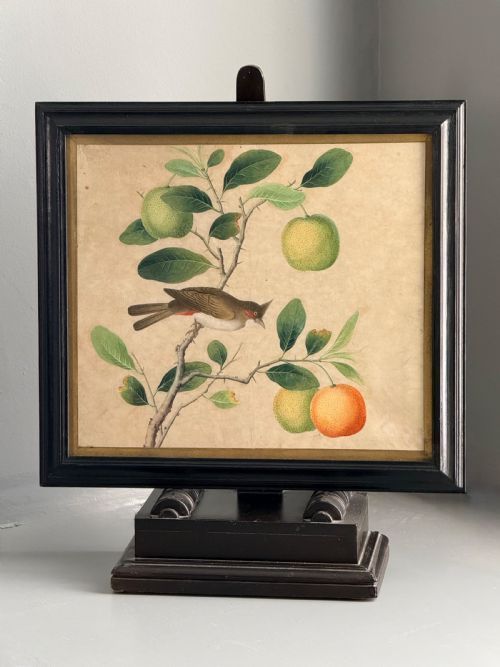
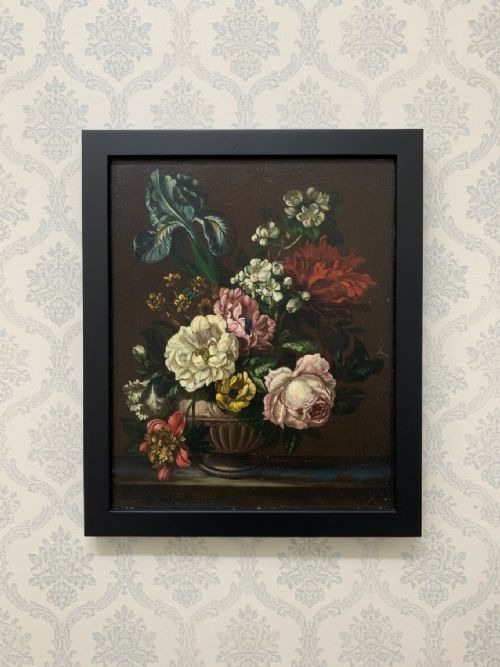
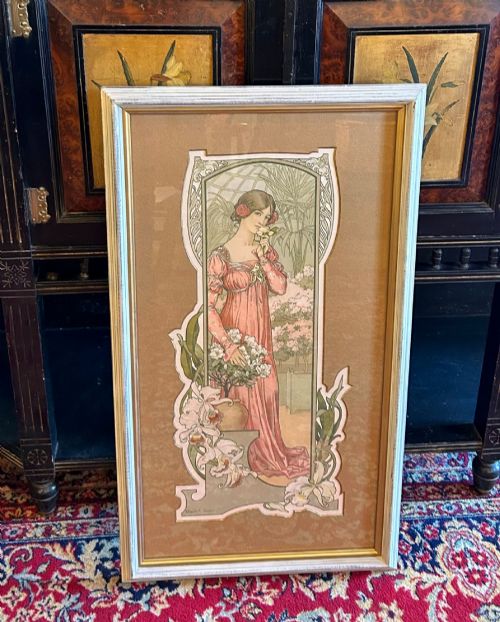
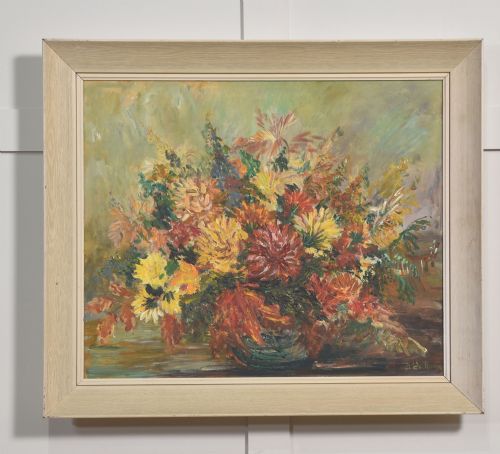
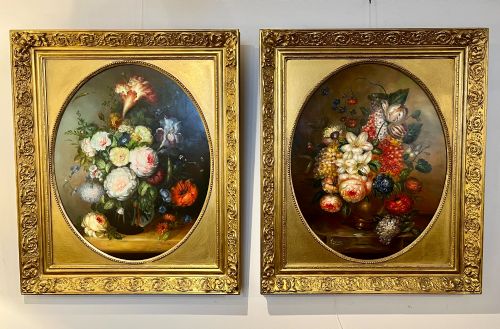
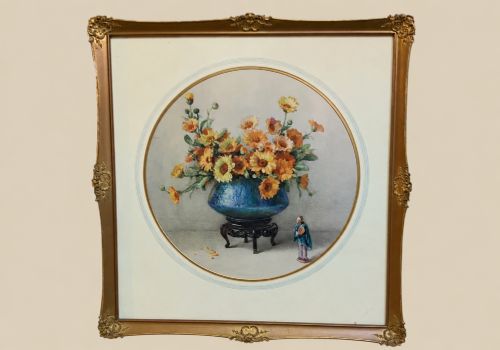
These pieces of antique botanical artwork bring plant forms, fruit and birds into a room through delicate watercolours, oils and prints.
Antique Botanical Artwork
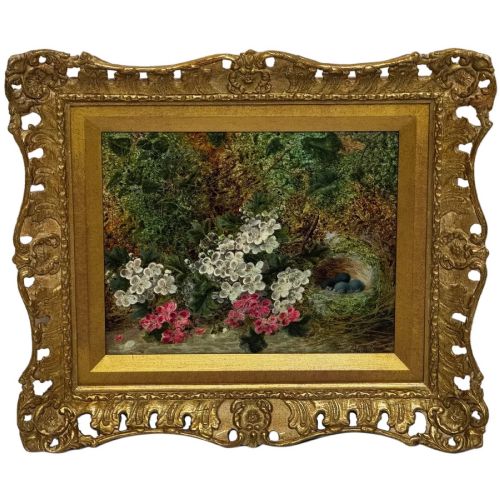
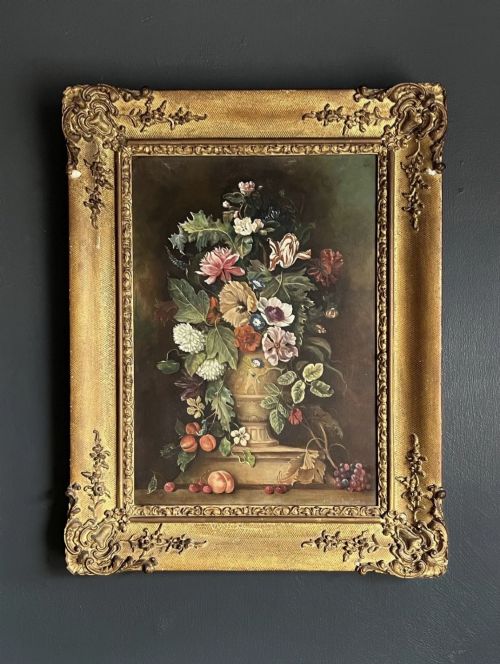
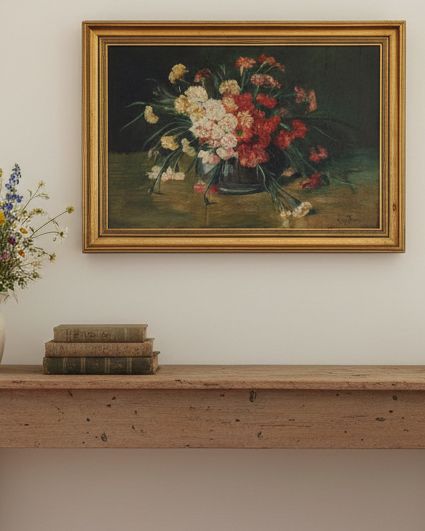
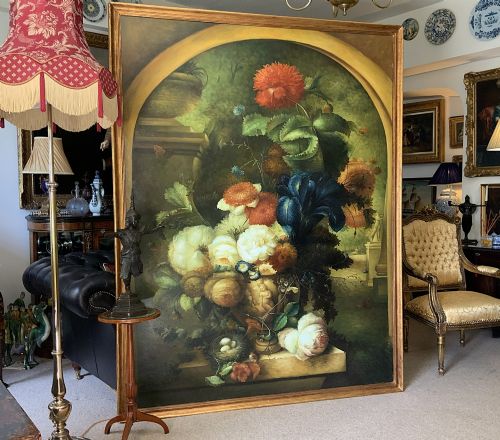
When searching for antique botanical artwork, buyers encounter a diverse range of visual representations focused on plants, flowers, fruit and birds. These pieces span multiple centuries, capturing natural subjects through scientific observation and decorative painting.
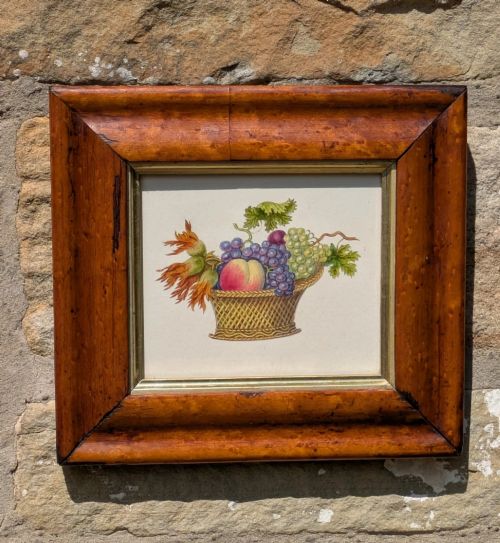
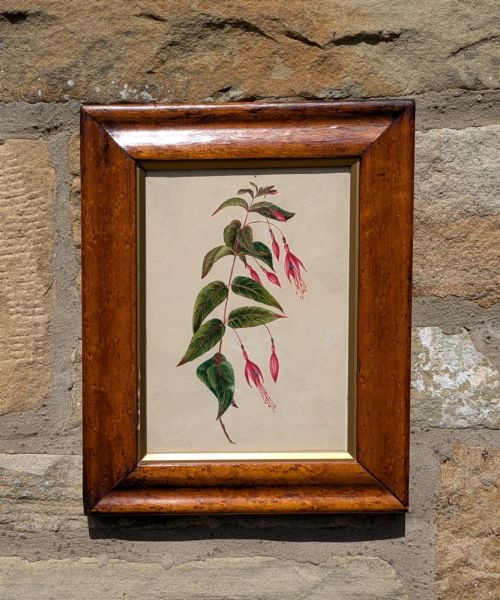
The selections available here frequently feature watercolours on paper and oil paintings on canvas or panel. Many examples date from the nineteenth century, reflecting both detailed study and decorative floral arrangement.
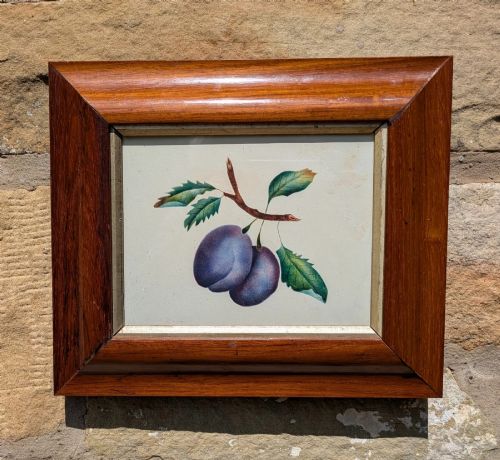
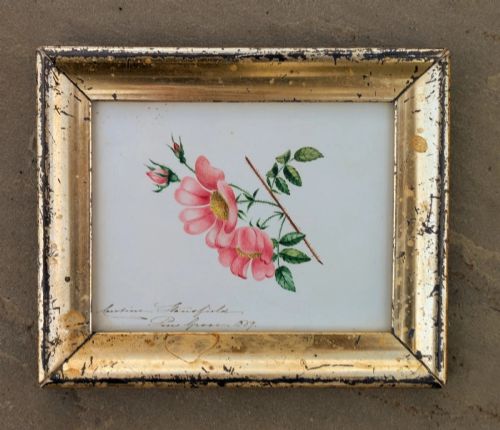
Framed works often retain period mouldings such as rosewood or gilt gesso frames. Buyers also find gouache studies and coloured lithographs representing birds and botanical specimens from various European schools.
How they were made
Makers utilised traditional supports including stretched canvas, wooden panels, paper and pith paper. Pigments were applied using watercolour, gouache, oil paint and pencil, often layered to achieve realistic depth in floral and avian subjects.
Prints were produced using early lithographic techniques with hand colouring. Frames of gilt gesso, wood and rosewood were constructed to house and protect these delicate works on paper and canvas.
Antique Botanical Artwork Retail Price Guide 2026
Typical asking prices for botanical artwork among the pieces listed under this phrase on Sellingantiques today, from the lower quarter to the upper quarter. They describe what is for sale here now, not the wider market.
Listings include nineteenth-century watercolours, oil paintings on canvas and panel, and coloured lithographs from European schools.
What varies in quality
The skill of the hand defines the upper tier of these works, where botanical accuracy and brushwork display exceptional precision. Masterful handling of light within floral still lifes separates accomplished academic painting from simpler decorative output.
The preservation of the paper or canvas surface, along with the originality of the accompanying period frame, influences the character of each piece. Works maintaining vibrant pigments without excessive fading or restoration hold greater visual strength.
Oliver Clare·Edward Ladell·Elisabeth Sonrel·Konstantin Stoitzner·Gaspar Peeter Verbruggen
The Antique Botanical Artwork Glossary
- Gouache
- An opaque water-based paint that dries to a matte finish. It provides dense colour saturation compared to transparent watercolour.
- Lithograph
- A print made from a design drawn on limestone or metal plate. This technique allowed for the reproduction of botanical illustrations in multiple colours.
- Gilt gesso
- A plaster-based material applied to wood frames and covered with gold leaf. It creates ornate moulded surfaces surrounding period paintings.
- Pith paper
- A delicate material formed from the pith of the Tetrapanax papyrifer plant. It absorbs gouache and watercolour to produce luminous painted surfaces.
Antique Botanical Artwork: Frequently Asked Questions
How should I hang botanical watercolours?
Watercolours on paper require protection from direct sunlight to prevent the fading of delicate pigments over time. Glass framing helps shield the paper from environmental moisture.
Position pieces away from humid areas like kitchens or bathrooms. Using acid-free mounts preserves the integrity of nineteenth-century paper sheets.
What is a floral still life?
A floral still life is a painted arrangement of cut flowers, often displayed in glass vases, bowls or wicker baskets alongside fruit and birds. These compositions celebrate natural forms through oil paint or watercolour.
Dutch and Victorian painters utilised these subjects to showcase technical mastery over texture, light and shadow.
How do I identify a lithograph?
Lithographs display flat planes of ink rather than the raised brushstrokes found in original oil paintings. Close inspection often reveals tiny dot patterns or fine lines characteristic of print reproduction.
Many antique botanical plates were hand-coloured after the initial printing process to enhance the realism of the flowers or birds.
Are these works signed by artists?
Some pieces bear artist signatures or contemporary inscriptions on the front or reverse of the canvas, panel or paper mount. Unsigned works frequently reflect the output of specific regional schools from the nineteenth or early twentieth century.
Attributions rely on stylistic comparison, framing materials and recorded provenance.