
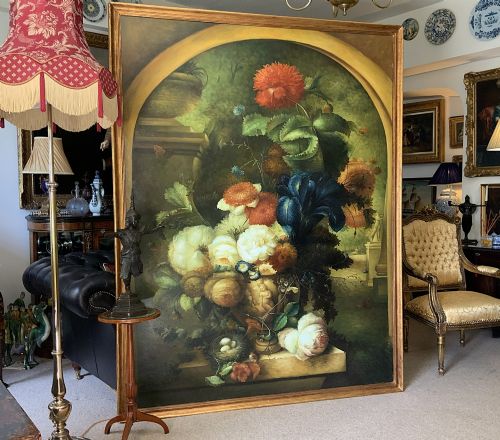
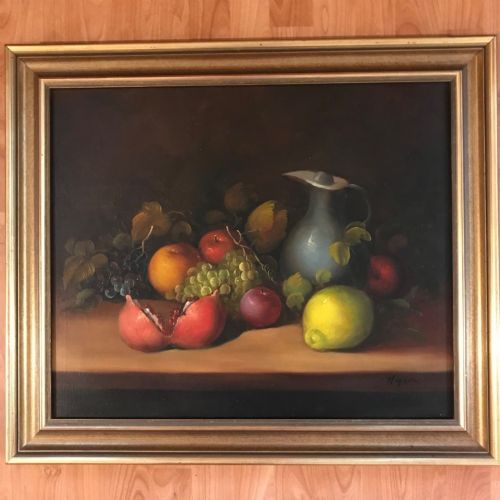
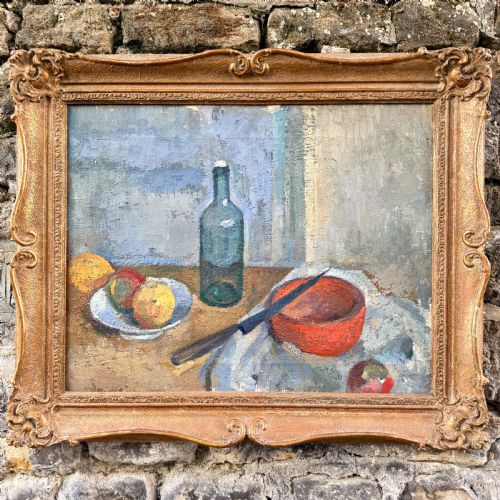
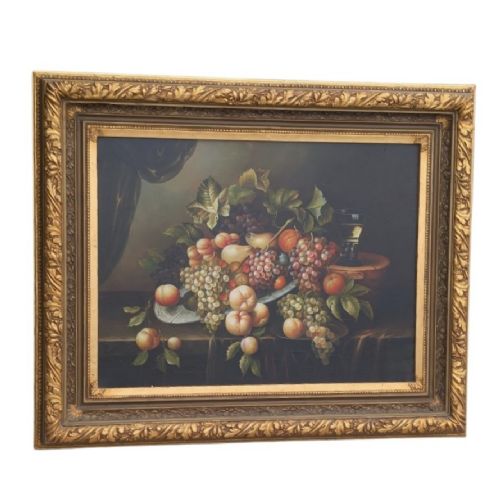
Antique Still Life Painting
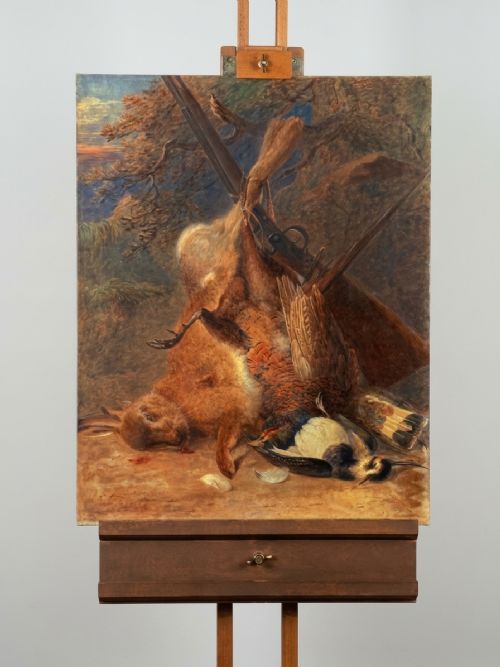
George Sydney Shepherd, 1784 -1862 - exhibition size watercolour and bodycolour of a hare and game, shows why collectors prize an antique still life painting for its precise arrangement of natural forms.
Antique Still Life Painting
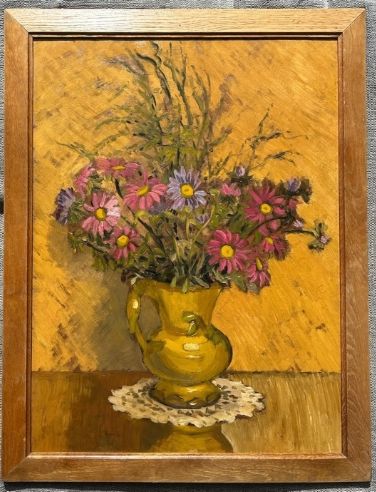
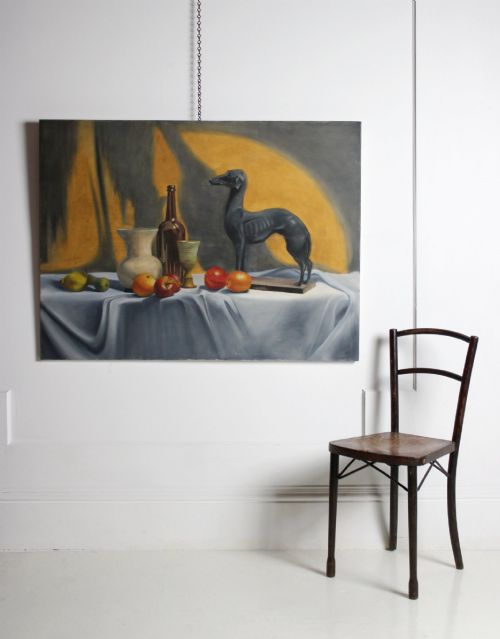
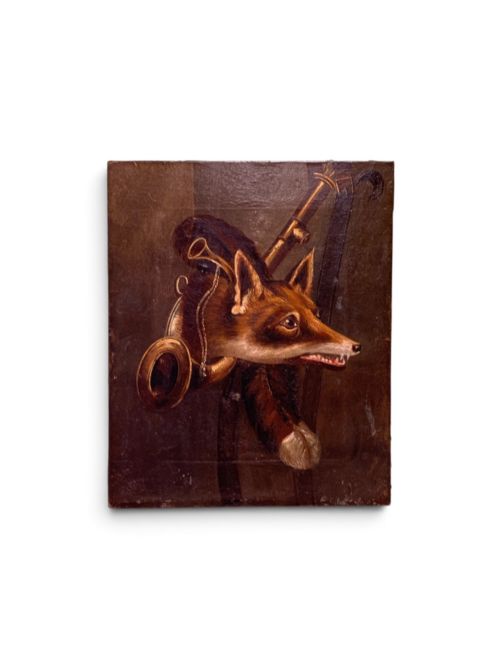
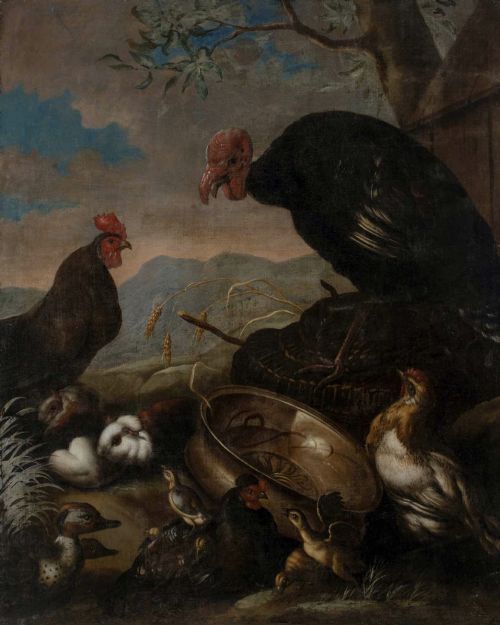
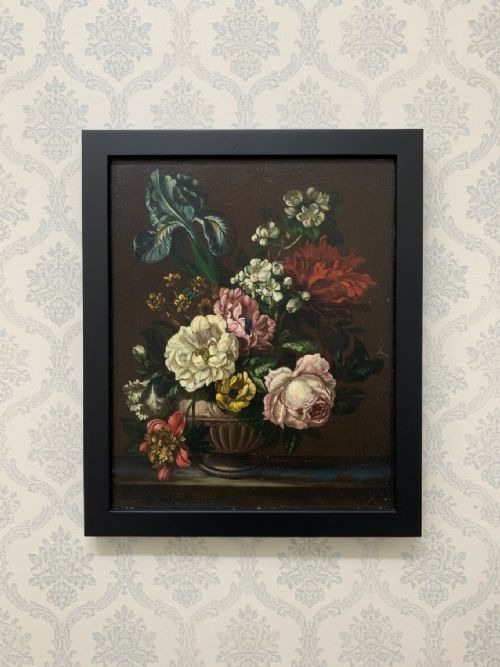
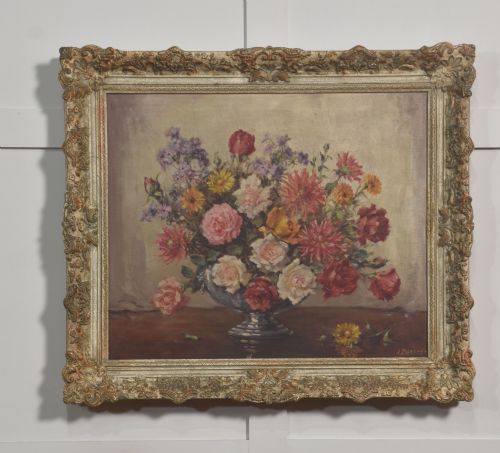
When searching for an antique still life painting, buyers encounter canvas, oil on canvas, wood, paper, and giltwood works ranging from the seventeenth century through the Edwardian era and into the 1930s and 1950s. The selection spans Flemish Baroque, Dutch Golden Age styles, Victorian compositions, and Post-Impressionism.
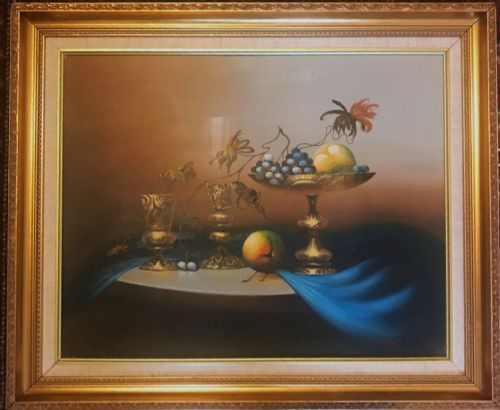
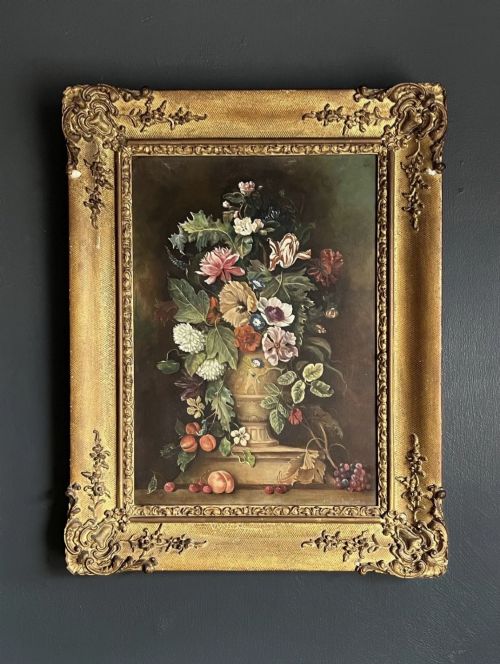
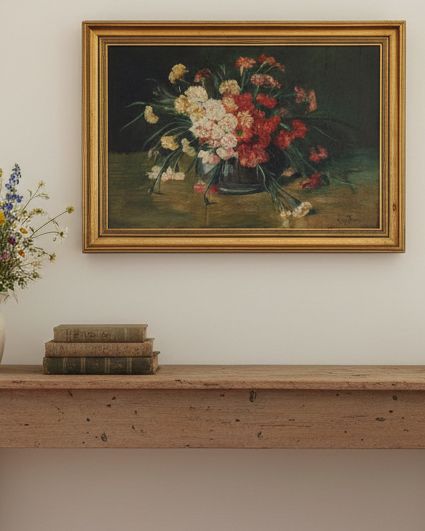
Subjects vary widely from traditional floral arrangements in urns and glass vases to game, larder views, fruit in wicker baskets, and trompe l'oeil songbirds. Creators include named continental masters and British artists working in oil, watercolour, pastel, and gouache.
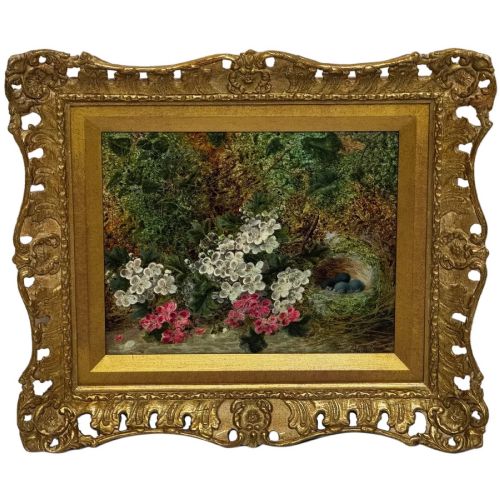
Most pieces on this page reflect European schools, featuring detailed renderings of flora, fauna, and household objects framed in period mouldings or gilt gesso frames.
How They Were Made
Painters applied oil paint or watercolour to prepared canvas, wood panels, paper, or metal panels, building up layers of pigment to capture the textures of petals, feathers, and fruit. Many works incorporate gold leaf and giltwood frames that complement the internal lighting of the composition.
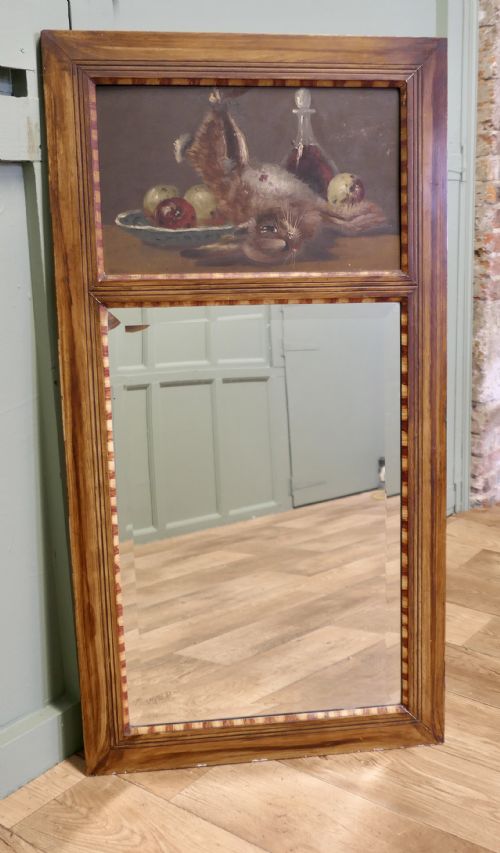
Supports range from stretched woven canvas to wooden panels and sturdy boards, often housed within elaborate gilt gesso frames or trumeau pier mirror surrounds.
Antique Still Life Painting Retail Price Guide 2026
Typical asking prices for still life painting among the pieces listed under this phrase on Sellingantiques today, from the lower quarter to the upper quarter. They describe what is for sale here now, not the wider market.
Listings feature canvases, wood panels, and paper supports spanning the seventeenth century to the mid-twentieth century.
What Varies In Quality
Execution and draftsmanship separate ordinary decorative studies from masterworks, evident in the naturalistic rendering of light, shadow, and surface textures on fruit skins, bird plumage, and glass vessels. The handling of depth within the background landscape or interior ledge defines the sophistication of the composition.
The integrity of the original support, the stability of the pigment layers, and the presence of a period-appropriate gilt frame significantly influence the standing of an individual canvas or panel.
Angelo Maria Crivelli·Oliver Clare·Konstantin Stoitzner·Edward Ladell·Michelangelo Meucci·Gaspar Peeter Verbruggen·Richard Sebright·John Sherrin
The Antique Still Life Painting Glossary
- Canvas
- Woven fabric stretched across a wooden frame to serve as a painting support. It provides a flexible and durable surface favoured by artists from the seventeenth century onward.
- Giltwood
- Wood carved and coated with a thin layer of gold leaf or gold paint. This material is commonly used for decorative antique frames that enhance the visual weight of oil paintings.
- Trompe l'oeil
- An artistic technique designed to deceive the eye into perceiving a painted object as three-dimensional reality. It frequently appears in depictions of hanging songbirds or shelf arrangements.
- Panel
- A flat piece of wood used as a rigid support for pigments instead of stretched fabric. Panels are frequently found in earlier continental works.
- Gouache
- An opaque water-based paint that dries to a matte finish. Artists use it on paper to achieve solid blocks of vibrant colour and fine botanical detail.
Antique Still Life Painting: Frequently Asked Questions
How do I date an old painting?
Examine the materials of the support, such as the weave of the canvas, the construction of the wooden panel, and the formulation of the ground layer beneath the pigments. Stylistic conventions, clothing, and framing methods also provide reliable chronological markers.
Signatures, inscriptions on the reverse, and historical labels offer direct evidence of the artist and the period of creation. Comparing brushwork against known dated examples helps narrow the decade of production.
Where should I hang these artworks?
Select wall spaces away from direct sunlight, high humidity, and extreme temperature fluctuations to protect organic pigments and canvas fibres. Proper placement ensures the delicate details remain stable over decades.
Position paintings at eye level where adequate ambient lighting can illuminate the texture of the oil paint or watercolour without causing persistent glare on the glass or varnish.
What frames are original to the pieces?
Period frames typically match the stylistic era of the canvas, utilising carved gesso, gold leaf, or moulded wooden sections appropriate to the date of creation. These surrounds often show minor age-related wear that corresponds to the painting itself.
Replacement frames from later centuries also occur frequently, reflecting subsequent owners updating the presentation to suit changing interior fashions.