

Antique Botanical Wall Art
Antique botanical wall art brings nature indoors through delicate watercolours, detailed prints, and rich oil paintings spanning multiple centuries.
Antique Botanical Wall Art
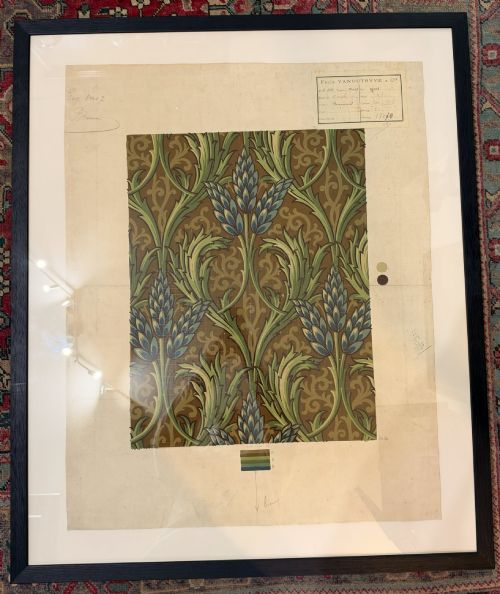
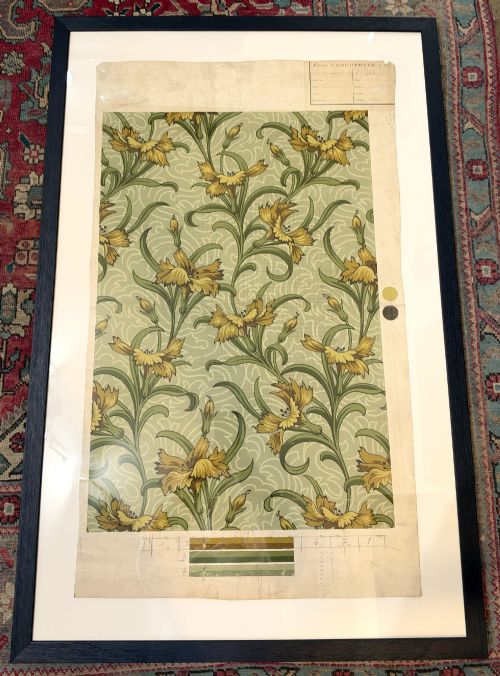
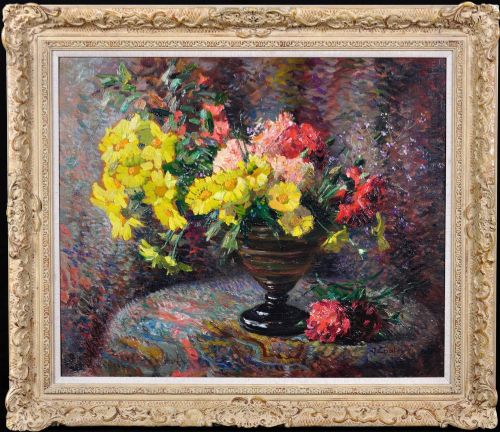
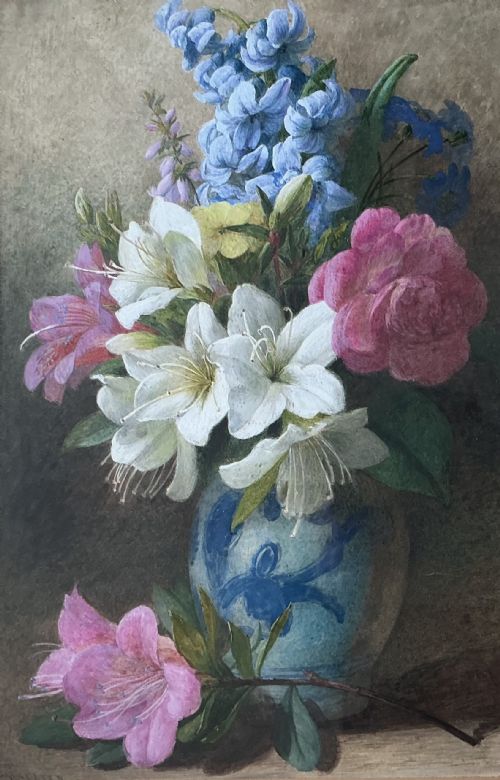
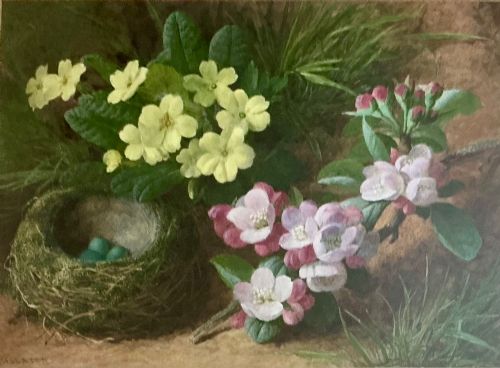
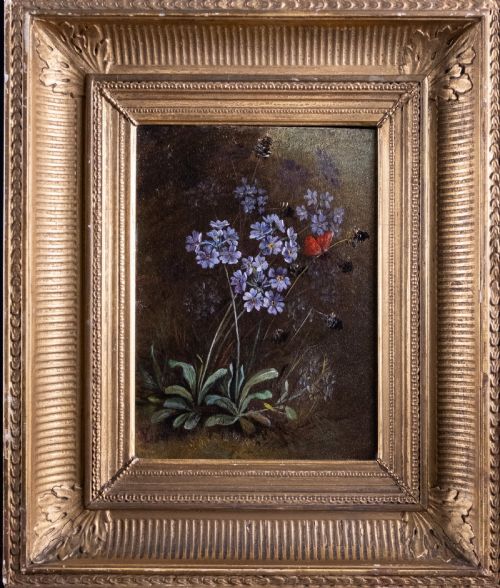
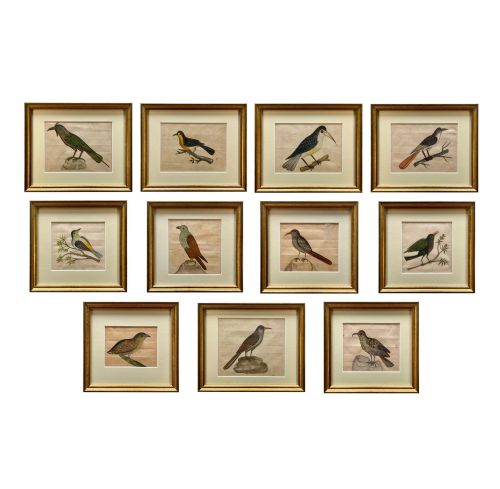
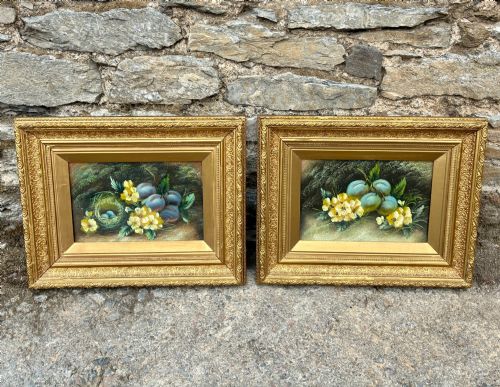
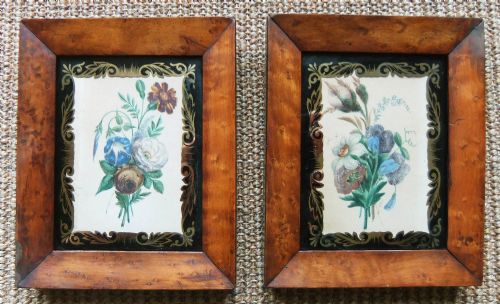
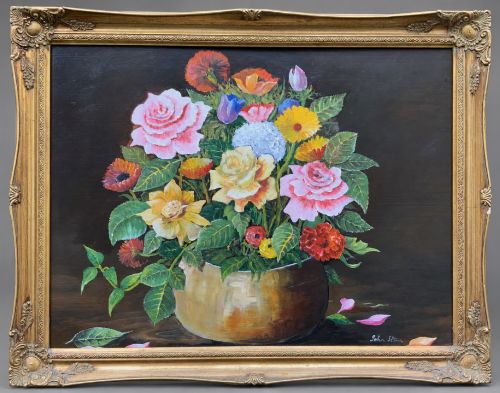
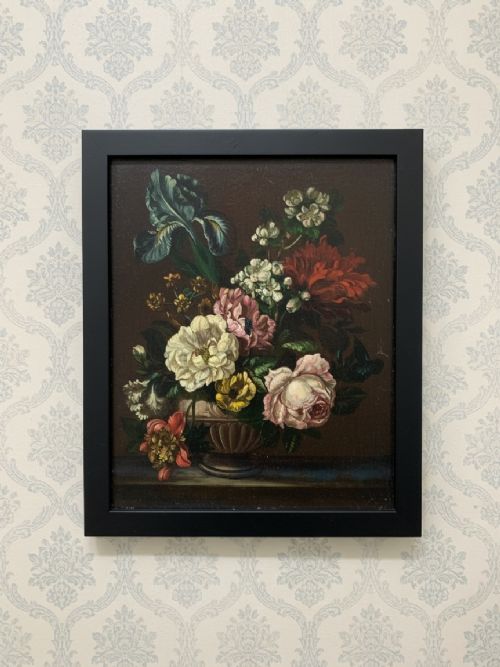
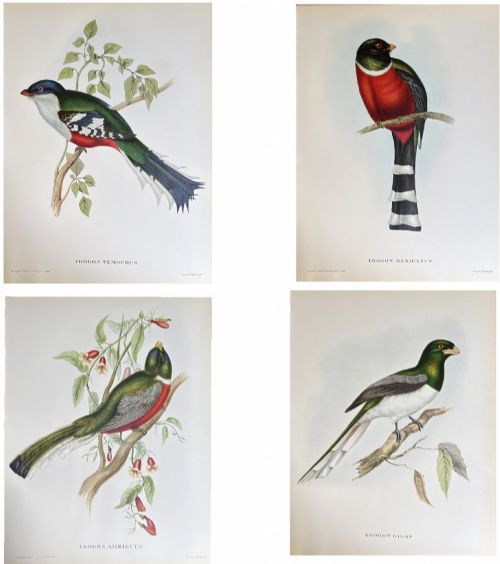
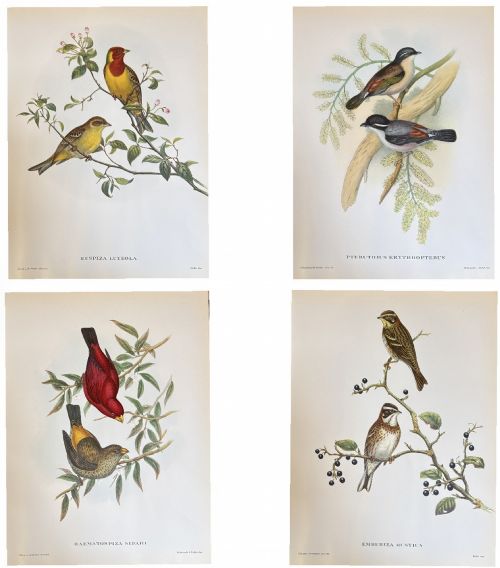
These pieces encompass framed watercolours, gouache studies, oil paintings, and hand-coloured prints depicting flowers, fruit, birds, and natural specimens. Antique botanical wall art ranges from intimate nineteenth-century studies on paper to monumental Dutch-style floral oils.
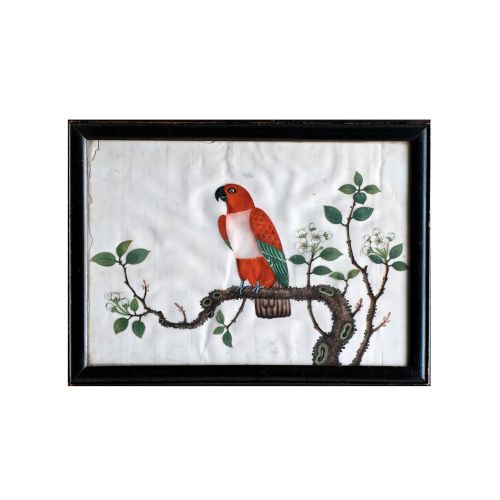
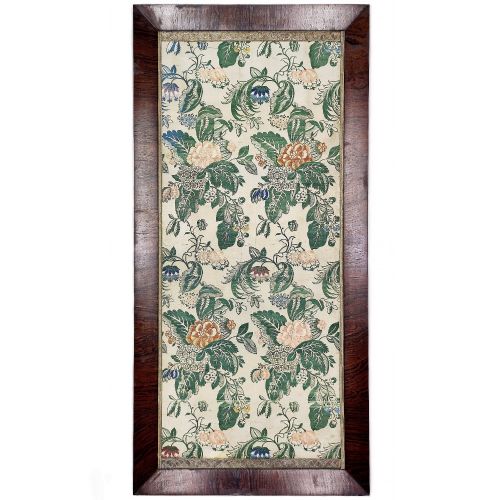
Buyers encounter Victorian watercolours in rosewood frames alongside mid-century still life paintings and eighteenth-century gouache works on pith paper. The selection bridges scientific illustration and decorative fine art, united by a focus on natural subjects.
The materials reflect traditional craftsmanship, utilising paper, canvas, and wood panels housed in period frames of gilt gesso or simple moulded timber. Each object offers a window into historical methods of recording the natural world.
Materials and Technique
Artists relied on watercolour, gouache, and oil paint applied to paper, canvas, or wood panels to capture fine botanical and zoological details. Prints utilised engraving and lithography, often finished with meticulous hand-colouring to enhance realism.
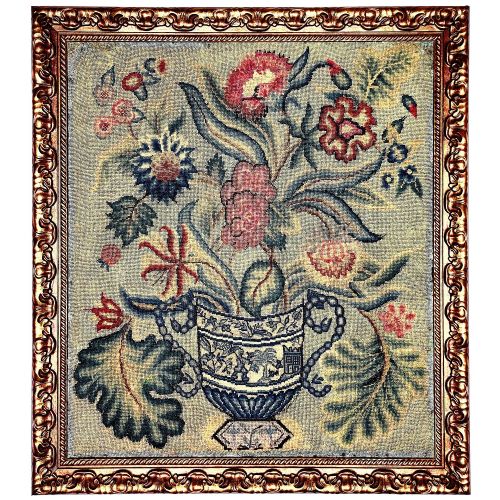
Substrates varied from delicate pith paper to heavy woven canvas and traditional linen tapestries. Framing materials included carved wood, rosewood, and gilt gesso, protecting the delicate pigments beneath glass or leaving textured oil surfaces exposed.
Antique Botanical Wall Art Retail Price Guide 2026
Typical asking prices for botanical wall art among the pieces listed under this phrase on Sellingantiques today, from the lower quarter to the upper quarter. They describe what is for sale here now, not the wider market.
Exotic blue birds and tropical specimens occasionally share wall space with traditional garden roses and plump plums.
Judging Quality and Execution
Superior execution reveals itself in the precision of botanical rendering, the handling of light, and the depth of colour preserved over centuries. Weaker examples display rigid lines and flat tones, while masterworks capture botanical accuracy combined with painterly fluidity.
The integrity of the original medium and the preservation of the paper or canvas dictate longevity and visual impact. Original period framing that complements the artwork without overwhelming the subject elevates the piece significantly.
Arthur Simpson of Kendal·Konstantin Stoitzner·Ernest Arthur Rowe·Gaspar Peeter Verbruggen·Edwin Steele·John Sherrin·Oliver Goldsmith·Owen Bowen
The Antique Botanical Wall Art Glossary
- Gouache
- An opaque water-based paint that dries to a matte finish, allowing for vibrant colour saturation in botanical studies.
- Lithography
- A planographic printing process used to produce detailed multi-coloured bird and plant plates from stone matrices.
- Gilt Gesso
- A plaster-based material applied to wood moulding and gilded with gold leaf, frequently seen on decorative frames.
- Pith Paper
- A fragile cellular material derived from plant stems, utilised in the eighteenth and nineteenth centuries for delicate Asian and European gouache paintings.
- Verdure Tapestry
- A heavy wall hanging woven with green foliage, trees, and occasionally birds or animals in a landscape setting.
Antique Botanical Wall Art: Frequently Asked Questions
How should I hang antique botanical art?
Protect delicate watercolours, prints, and gouache works from direct sunlight to prevent fading of the hand-applied pigments on paper.
Hang pieces at eye level using sturdy fixings suited to the weight of period wooden or gilt frames.
How do I care for antique paper art?
Keep works behind glass in stable indoor environments away from excessive humidity and damp walls.
Consult a specialist restorer if paper displays foxing spots or mounting issues.
What periods do these pieces span?
The inventory encompasses works created from the eighteenth century through the Regency, Victorian, and Edwardian eras into the mid-twentieth century.
Earlier Dutch Golden Age styles also influence later still life paintings represented on the page.