
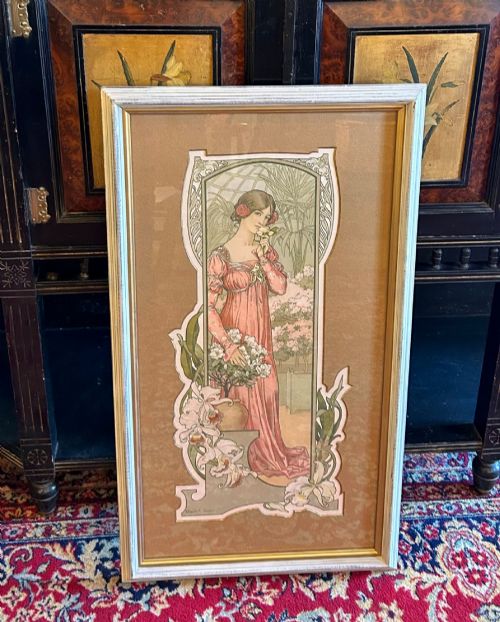
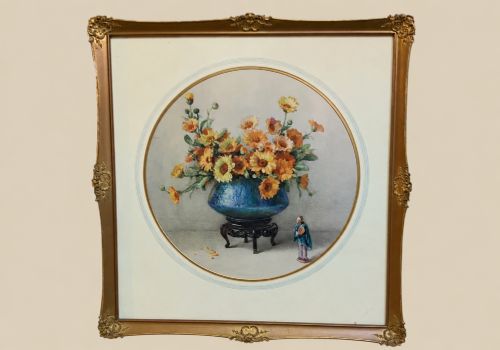
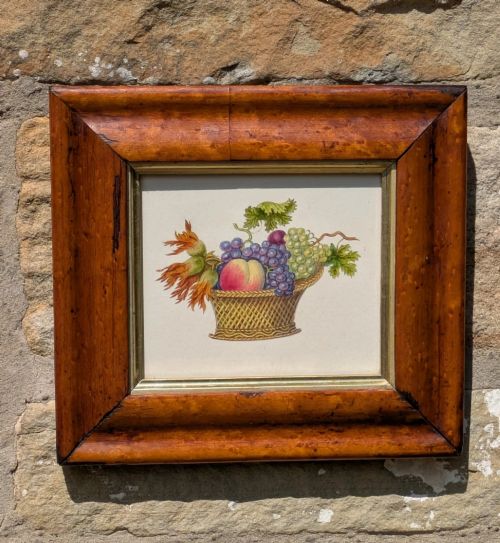
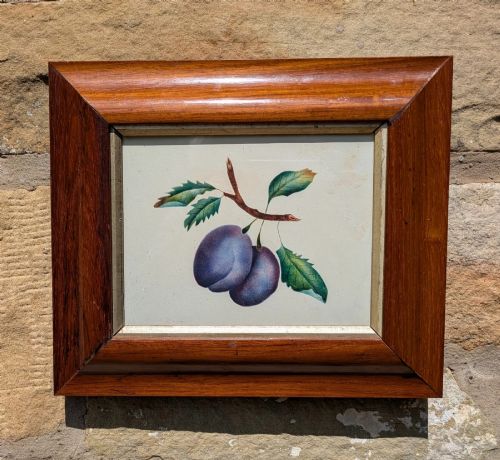
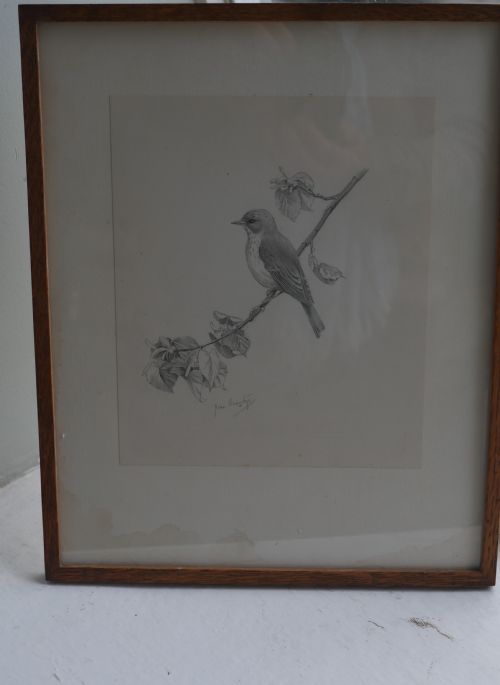


Framed Botanical Print
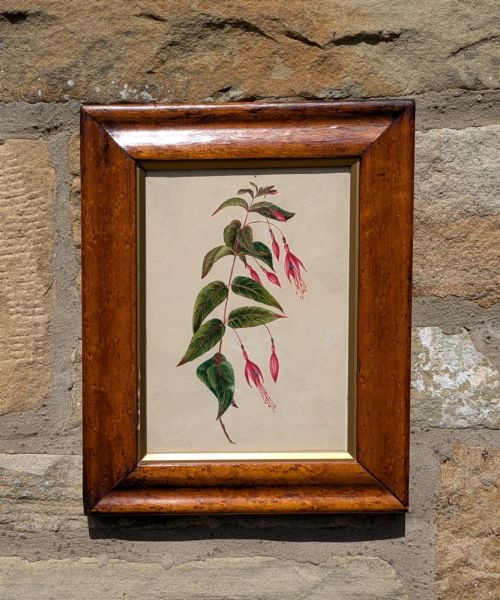
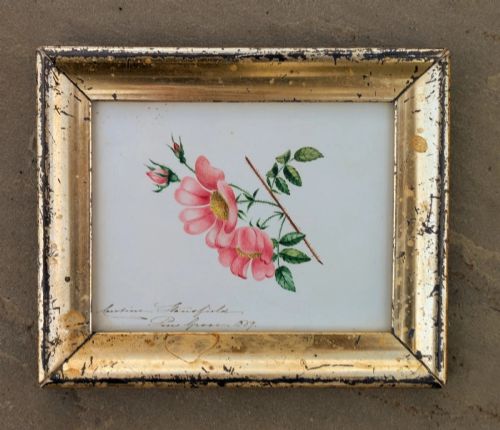
When you search for a framed botanical print, you uncover delicate watercolours, hand-coloured engravings and lithographs that bring centuries of natural observation indoors.
Framed Botanical Print
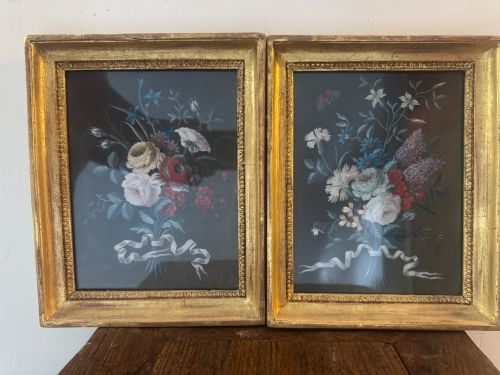
A framed botanical print represents the intersection of scientific study and domestic decoration, capturing flora, fauna and natural history across centuries. The pieces available here span periods from the eighteenth century through the Victorian era into twentieth-century interpretations, taking the form of watercolours, lithographs and detailed engravings.
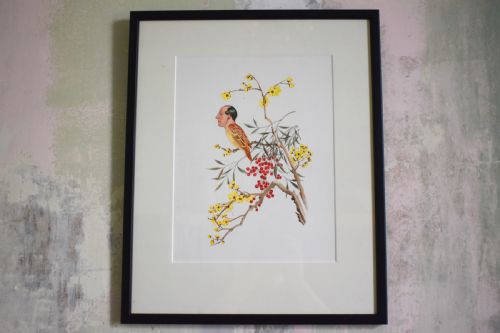
Buyers encounter individual specimens and cohesive sets depicting flowers, fruit, birds and insects framed behind glass in wood, rosewood or gilt surrounds. These works originate from illustrated folios, natural history texts and dedicated artist portfolios produced in England, France and Italy.
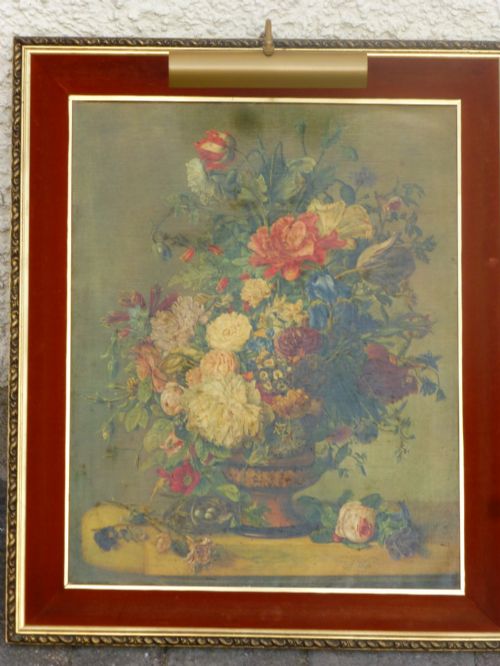
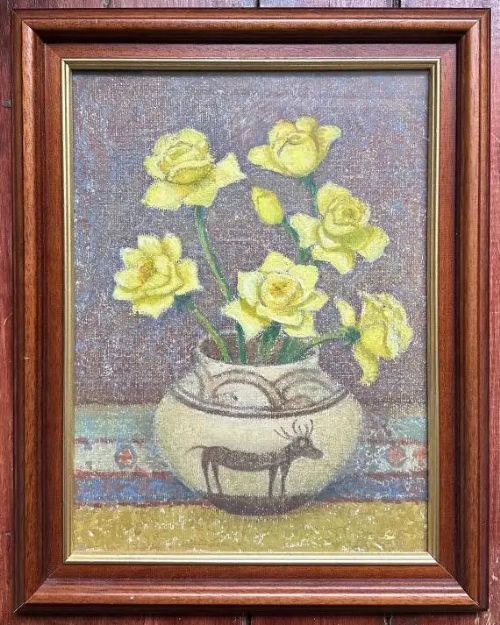
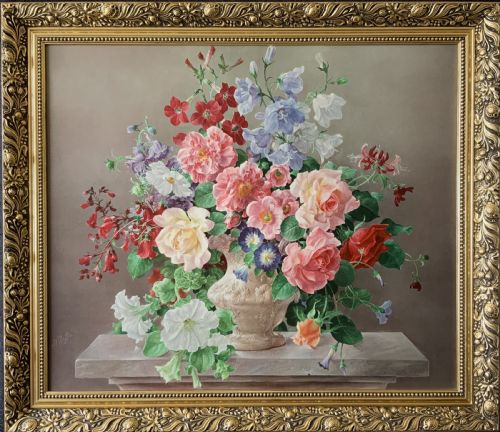
The selection ranges from precise hand-coloured copperplate engravings to vibrant gouache and oil studies of still-life flower arrangements. Each piece preserves a distinct historical approach to recording the natural world, mounted for immediate display on interior walls.
Materials and technique
Makers recorded natural subjects using paper supports combined with watercolour, gouache, pencil, oil or ink, often enhanced by meticulous hand-colouring over engraved lines. Engravings and lithographs provided the foundational outlines, which workshops then filled with pigment by hand.
Framing materials reflect the period of production, incorporating carved pine, mahogany, rosewood, and gilt wood or gold leaf finishes. Protective glass fronts secure the paper and canvas works, paired with traditional wooden backing structures.
Some nineteenth-century beetles and butterflies refuse to sit quietly in their frames, occasionally bringing an unexpected flutter of wings to the drawing room.
What varies in quality
The distinction between tiers rests upon the precision of the draughtsmanship, the vibrancy and retention of original hand-colouring, and the fidelity of the printing technique. Early impressions from copperplate engravings yield sharper botanical detail than later or secondary reproductions.
The integrity of the framing materials, the preservation of the paper support free from excessive discolouration, and the provenance linking plates to documented natural history publications elevate the standing of a piece.
Oliver Goldsmith·Pancrace Bessa·George Edwards·John Curtis·Georg Wolfgang Knorr·William Swainson·Elisabeth Sonrel·Anton Weiss·Harold Clayton·Arthur Wardle
The Framed Botanical Print Glossary
- Lithography
- A planographic printing process utilising a flat stone or metal plate on which image areas are receptive to ink and non-image areas reject it. This technique allowed for the mass production of detailed colour illustrations in the nineteenth century.
- Gouache
- An opaque watercolour medium composed of ground pigments suspended in water and thickened with a binding agent. It provides solid, vibrant areas of colour on paper supports.
- Engraving
- A printmaking method where an artist cuts lines directly into a metal plate using a burin to hold ink for transfer. This process produces fine, crisp botanical lines.
- Oleograph
- A type of chromolithographic print textured to mimic the appearance and surface of an oil painting. These pieces gained popularity for reproducing canvas artworks affordably.
Framed Botanical Print: Frequently Asked Questions
How should I hang these prints safely?
Position them away from direct sunlight to protect delicate watercolours and hand-applied pigments from fading over time. Ensure stable indoor humidity levels to preserve both the paper supports and the antique wooden frames.
Use secure picture hooks rated for the weight of the glass and timber frame. Hang them at eye level in rooms without excessive moisture, such as studies or living areas.
Are these works original antique plates?
Many listings comprise original period engravings, lithographs and watercolours produced during the eighteenth and nineteenth centuries. Each description notes the specific era and medium attributed to the work.
Publishers originally issued these illustrations in dedicated natural history volumes and folios before later framing. Examining the paper texture, printing impression and plate marks helps identify their period origins.
How do I care for antique frames?
Dust the wooden or gilt surrounds gently with a dry, soft cloth to prevent accumulation without disturbing the finish. Avoid applying liquid cleaners or polishes directly onto carved wood, gold leaf or rosewood surfaces.
Check the backing boards and hanging cord periodically to ensure structural stability. Professional framers can replace degraded backing materials with acid-free alternatives for long-term preservation.
Can I display sets together?
Matched sets originating from the same publication or series look striking when arranged in a grid or linear sequence on a wall. Cohesive framing enhances the visual balance of multiple botanical or ornithological studies.
Ensure consistent spacing between frames to unify dissimilar subjects like birds, butterflies and floral specimens. Pairing pieces from similar periods maintains a harmonious aesthetic across the display.