





Blue Floral Print
These pieces carrying blue floral print designs bring hand-painted botanicals, transferware ceramics, and historic scenes into a room.
Blue Floral Print
When you search for blue floral print, you encounter a mix of domestic ceramics, watercolours, and patterned furnishings spanning multiple centuries.
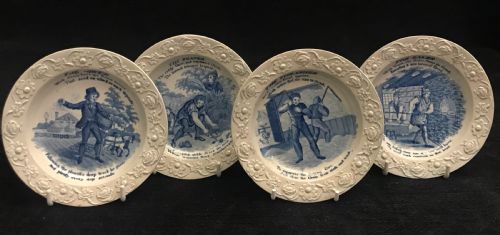
The objects most frequently met on this page include transfer-printed earthenware plates, platters, and large jugs from the Georgian and nineteenth-century periods.
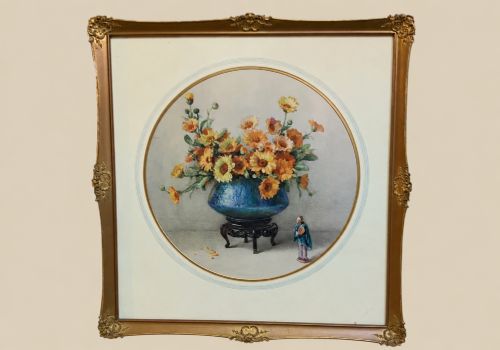
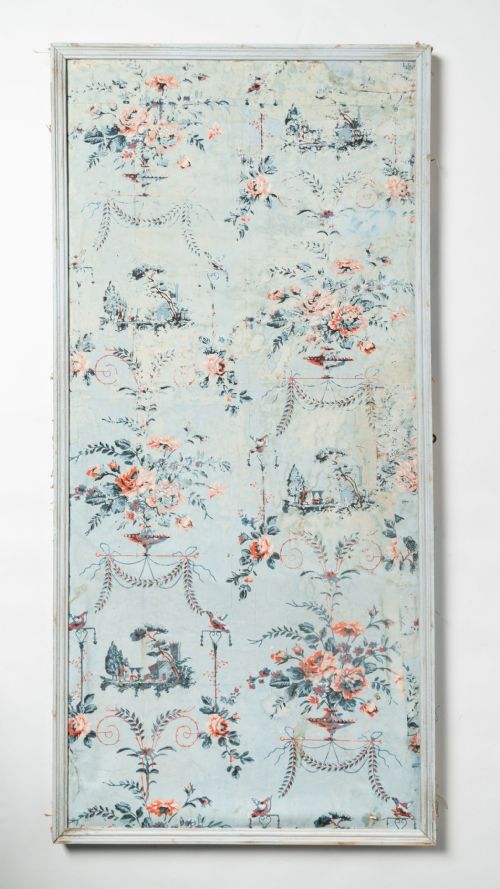
Alongside the pottery, the selection encompasses framed botanical watercolours, oil paintings, and eighteenth-century wallpaper panels featuring blue botanical motifs.
Materials and construction methods
The ceramics rely on earthenware and pearlware bodies finished with blue transfer-printed glazes or hand-painted pigments to transfer intricate patterns onto plates and serving vessels.
Works on paper utilise watercolour pigment and paper support, while paintings employ oil on canvas to capture floral subjects and still lifes.
Frames and larger furniture forms incorporate timber woods, supporting deep-seated country house armchairs and framed prints.
A one-gallon pottery jug from the Georgian era stands ready to quench the thirst of an entire village.
Judging the range
Quality reveals itself in the crispness of the transfer printing and the depth of the cobalt blue pigment against the earthenware or pearlware body.
Hand-painted works distinguish themselves through the precision of the brushwork in botanical details, such as marigolds and wallflowers.
Provenance and documented maker attributions elevate certain service plates and jugs above standard utilitarian wares of the period.
William Adam·John Rogers & Son·Margaret Evangeline Wilson·Amy Reeve-Fowkes
The Blue Floral Print Glossary
- Transferware
- A method of applying a printed design to pottery by transferring it from an engraved copper plate via tissue paper. This technique allowed for consistent and detailed blue floral patterns on mass-produced ceramics.
- Pearlware
- A refined type of earthenware developed in the late eighteenth century with a slightly bluish glaze that pooled in recesses. It frequently served as the base for early nineteenth-century plates and child's sets.
- Earthenware
- A porous ceramic body fired at lower temperatures, commonly used for nineteenth-century plates, platters, and large jugs. It requires a glaze to become impermeable to liquids.
- Wallpaper panel
- A section of historic wall hanging featuring hand-printed or block-printed designs. Eighteenth-century examples display early decorative motifs used in domestic interiors.
Blue Floral Print: Frequently Asked Questions
What periods do these pieces span?
The selection ranges from eighteenth-century wall paper panels through Georgian and Regency transferware to early twentieth-century watercolours and oil paintings.
Most ceramic items date from the nineteenth century, reflecting the peak era of blue and white domestic pottery production.
How do I care for antique transferware?
Wash transfer-printed earthenware and pearlware by hand in warm water using mild soap, avoiding dishwashers entirely.
Keep antique ceramics and paper watercolours away from direct sunlight to preserve the blue pigments and paper integrity over time.
Where were these ceramic patterns made?
Many nineteenth-century transferware pieces originate from English potteries operating during the Georgian and Regency eras.
Specific makers such as John Rogers and Son produced notable plates featuring named patterns for domestic use.
How should I display framed botanical paintings?
Hang watercolours and oil paintings depicting floral subjects on interior walls away from moisture and direct heat sources.
Pair framed prints with antique ceramics like serving platters or jugs to create a cohesive period display.