


Antique Botanical Illustration
Antique botanical illustration brings scientific observation into the interior, offering detailed depictions of flora framed for display.
What antique botanical illustration is
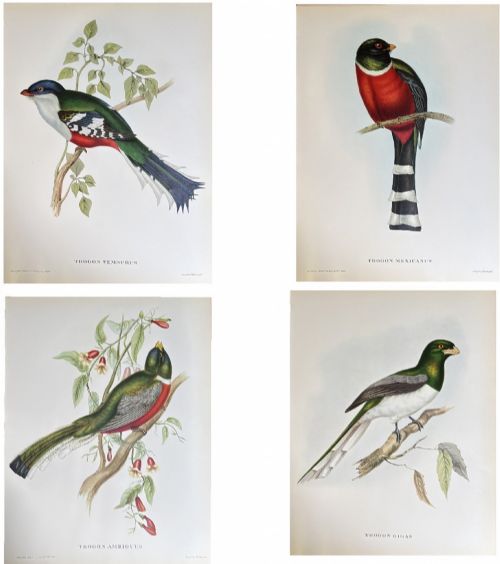
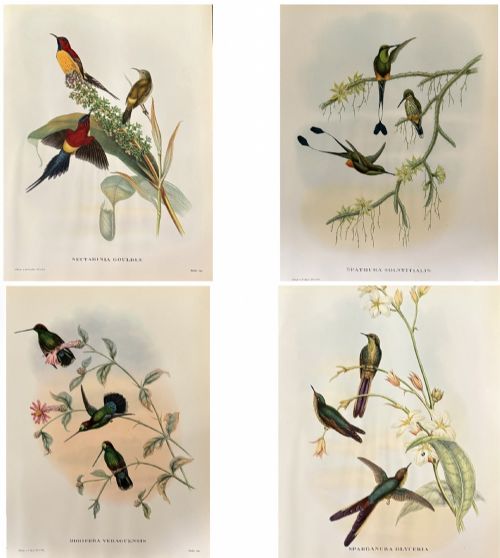
Every antique botanical illustration represents a convergence of natural science and visual art, recorded on paper during the nineteenth century. These pieces document plant species with botanical precision, intended originally for study or reference rather than pure decoration.
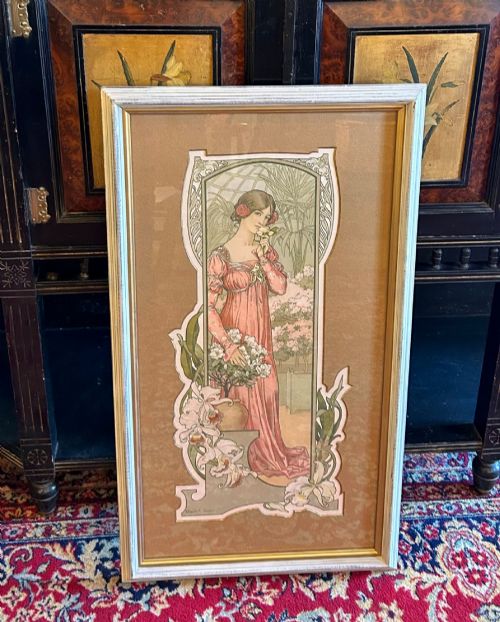
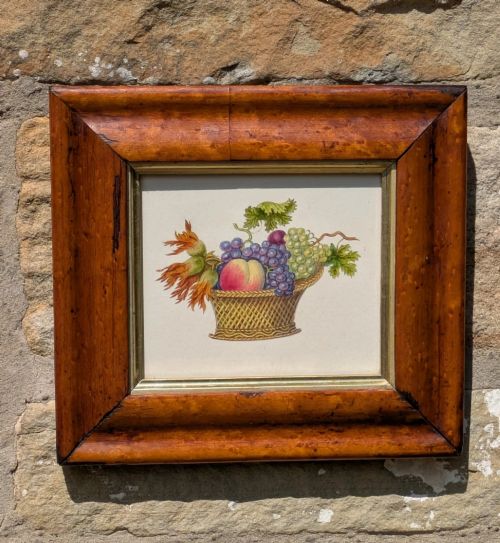
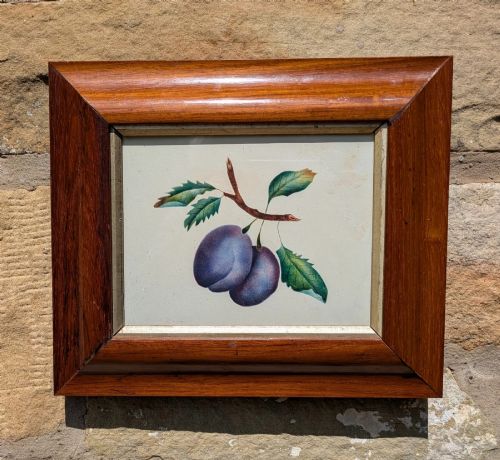
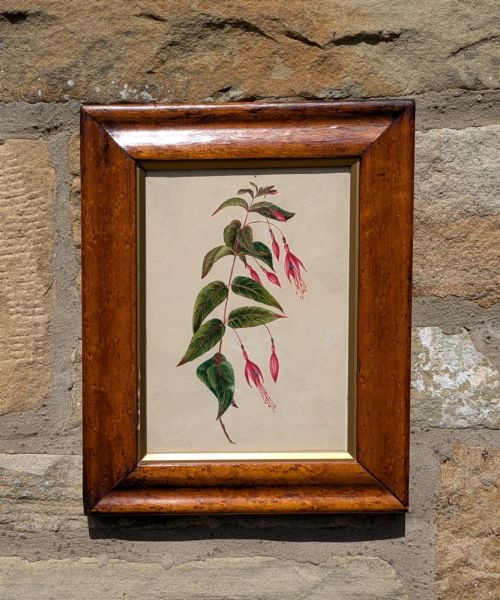
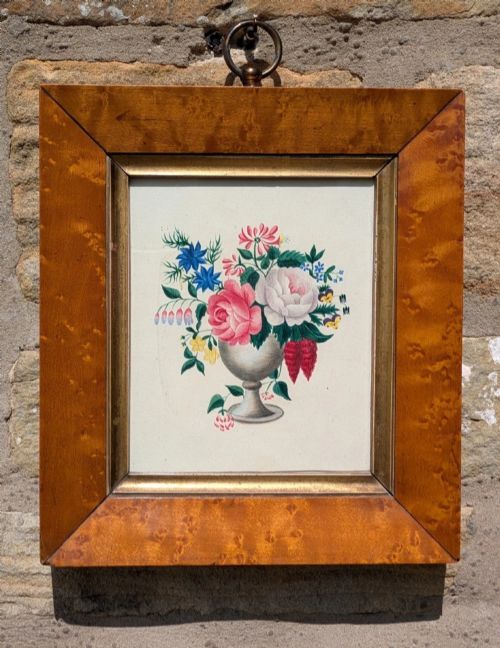
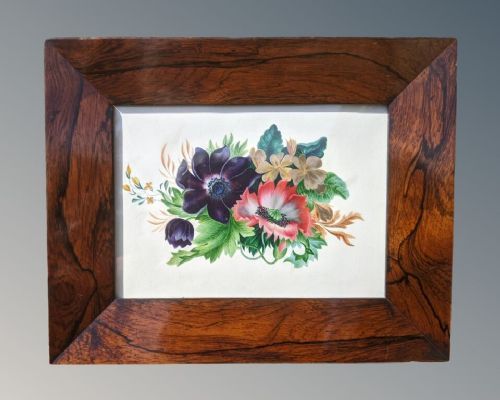
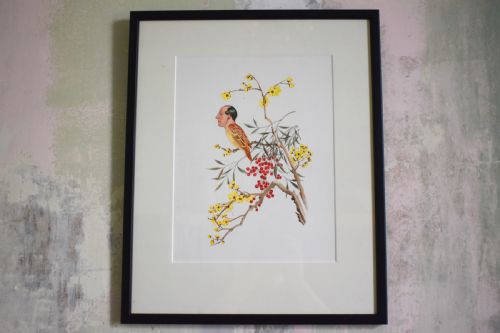
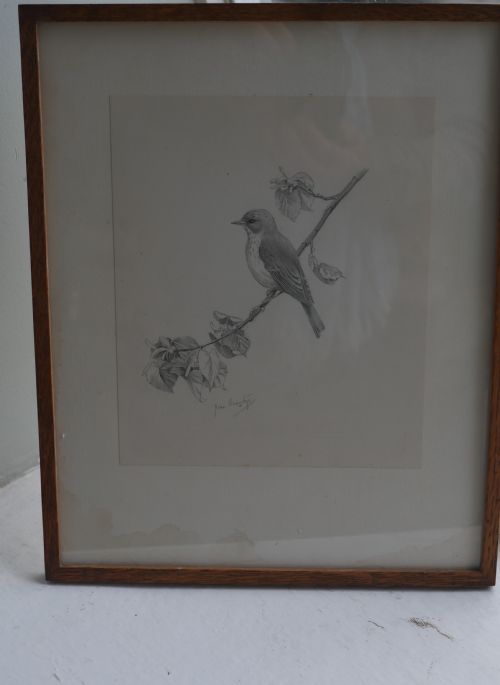
The selections available here span the Regency and Victorian eras, taking the form of engravings and watercolour paintings. Wall art formats dominate the inventory, often mounted under glass within wood or maple veneer frames.
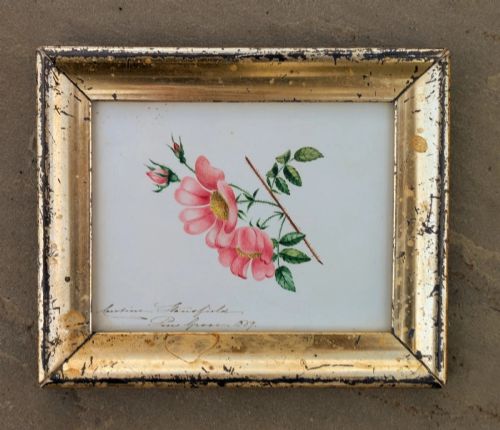
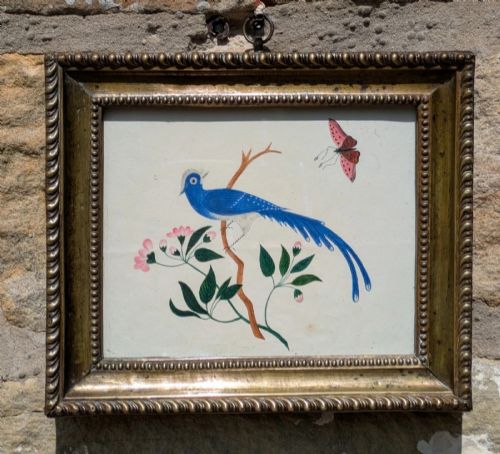
Buyers encounter individual watercolours alongside engraved plates, some capturing specific subjects such as fruit in baskets or broader floral studies. The framing varies, with several pieces presented in gilt wood borders that elevate their decorative presence on a wall.
How they were made
Makers utilised paper as the primary support for both hand-painted watercolours and printed engravings. Watercolour works relied on fluid pigments applied directly to the sheet, capturing natural colour gradients and tonal depth in the depiction of fruit and flora.
Engraved plates involved incised lines on a printing matrix, transferring ink onto paper before subsequent hand-colouring often enriched the printed details. Finished works were then housed behind glass within timber surrounds, including maple veneer and gilt wood mouldings.
Current listings span the Regency and Victorian periods, featuring works executed in watercolour and engraving upon paper.
What varies in quality
Quality rests in the precision of the draughtsmanship and the vitality of the remaining pigment on the paper. Superior examples demonstrate a delicate touch in rendering plant anatomy, whereas lesser works lack the same observational sharpness.
The housing contributes significantly to the overall standard, distinguishing simple timber mounts from finely figured maple veneer or gilt wood frames. The condition of the underlying paper and the preservation of the original pigments ultimately govern the distinction between ordinary and exceptional pieces.
JOHN SHERRIN
The Antique Botanical Illustration Glossary
- Engraving
- A printmaking technique where an artist cuts lines into a hard plate to hold ink. This method produced crisp botanical plates that were frequently coloured by hand afterwards.
- Watercolour
- A painting method using water-soluble pigments on paper. This medium allowed artists to achieve translucent effects suitable for natural history subjects.
- Regency
- An architectural and design period spanning the early nineteenth century. Pieces from this era often feature refined classical restraint and distinct framing choices.
- Victorian
- The period covering the reign of Queen Victoria, marked by diverse artistic output. Botanical works from this time reflect a widespread fascination with natural science and gardening.
- Maple veneer
- A thin decorative layer of maple wood applied to a core structure. This material provided a figured grain pattern popular for nineteenth-century picture frames.
Frequently Asked Questions
What is an antique botanical illustration?
These works are nineteenth-century representations of plants and fruit, produced as watercolours or engravings for scientific and aesthetic study.
They capture specific botanical subjects with meticulous detail, reflecting the period's intense interest in natural history.
How should I hang these framed works?
Protect the paper and watercolour pigments by avoiding direct sunlight and excessive moisture on the wall. Display them at eye level to appreciate the fine line work and hand-applied colours.
Ensure the glass and wood frames are securely hung using appropriate hardware suited to the weight of the timber and veneer.
How do I date a botanical illustration?
Dating relies on the stylistic markers of the Regency and Victorian periods, along with the characteristics of the paper and framing materials. Nineteenth-century works typically display specific printing or watercolour techniques associated with that era.
Makers' inscriptions or titles written on the work can also point to the specific decade of production.
Are these pieces original or reproductions?
The listings consist of original nineteenth-century watercolours and period engravings created during the eras recorded in the evidence. Each item is a genuine period artefact rather than a modern facsimile.
Examining the paper substrate and pigment application reveals the authentic character of these historical works.