

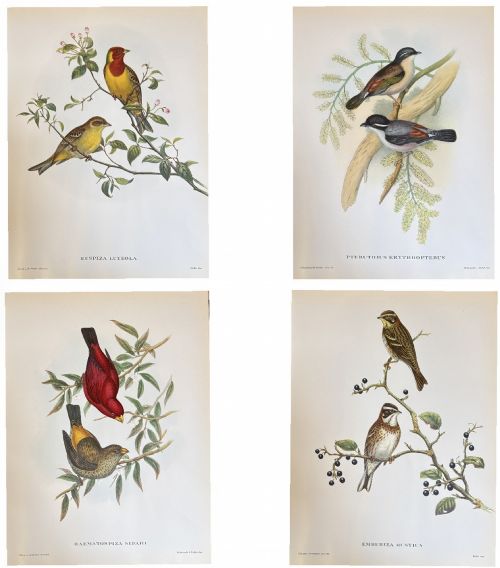
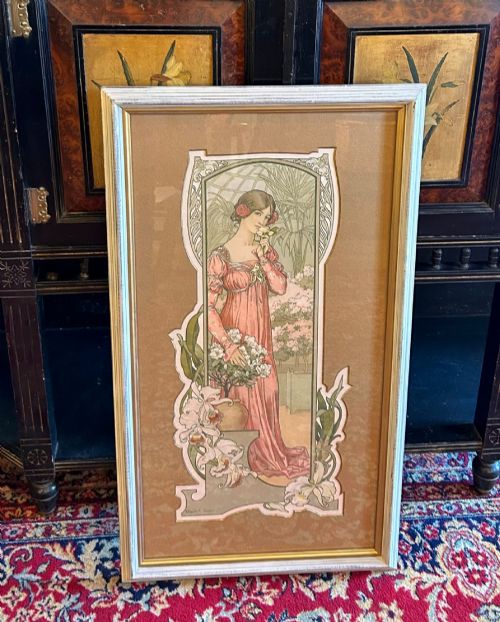
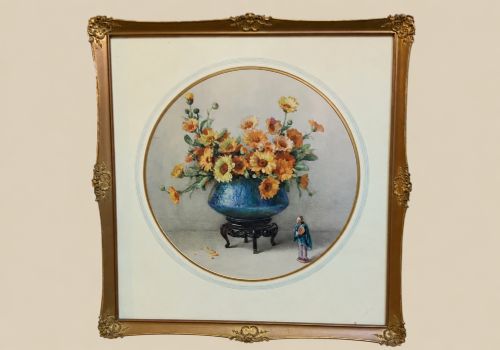
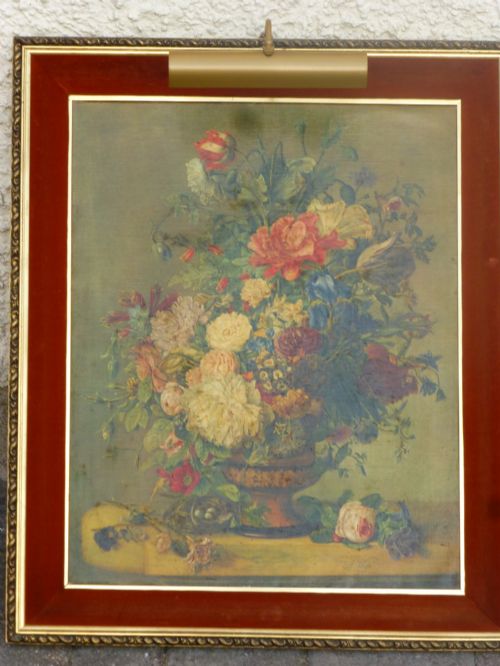
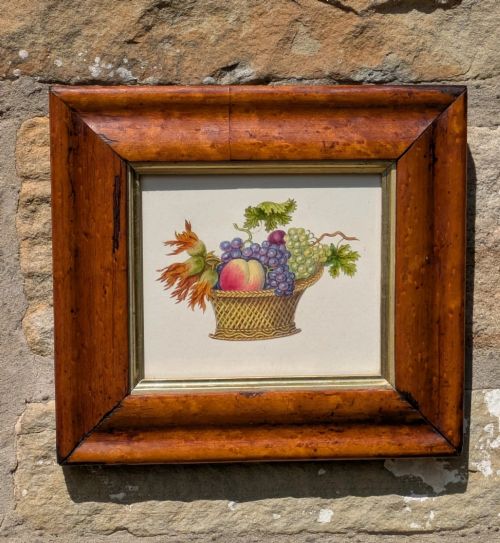
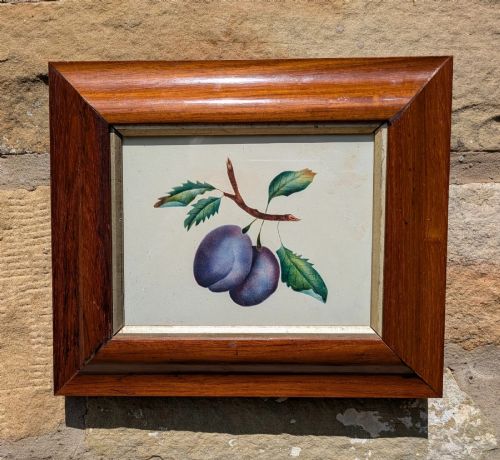
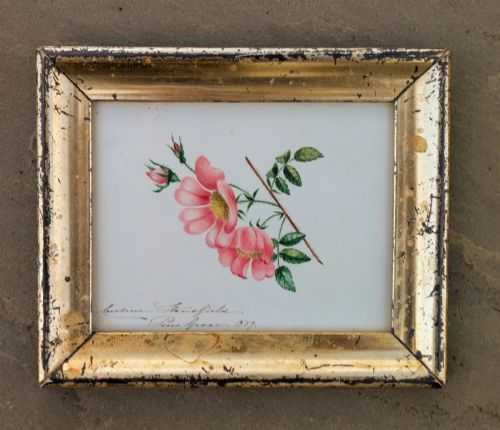
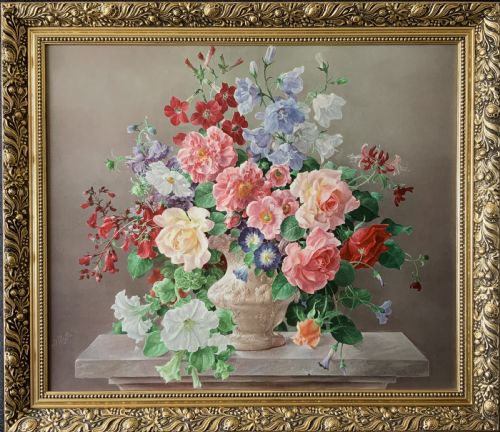
Antique Botanical Print
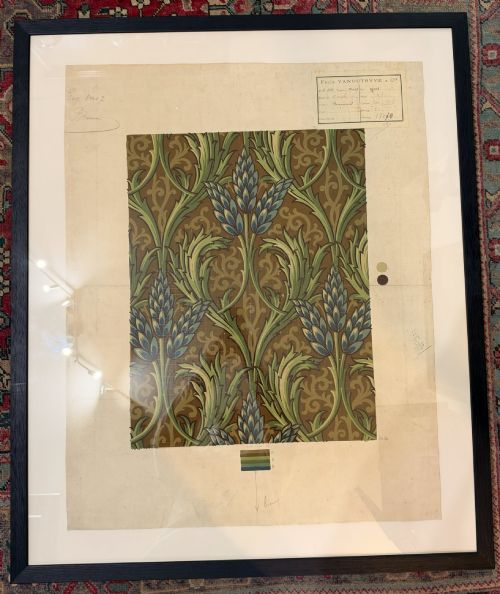
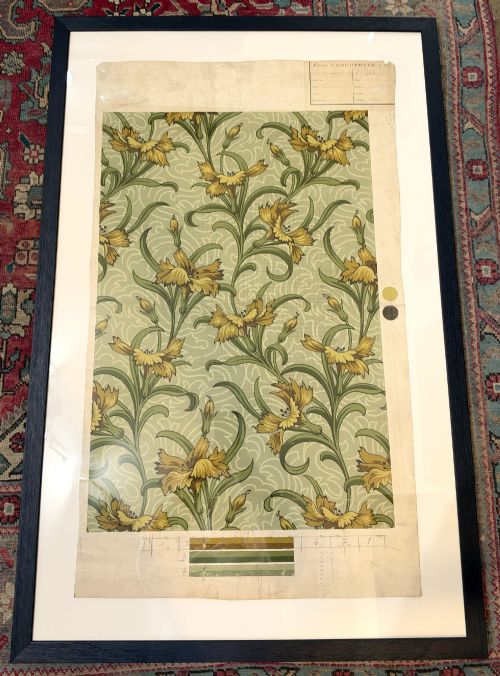
An antique botanical print brings the precise observation of plants, flowers and natural specimens from past centuries directly onto a wall.
Antique Botanical Print
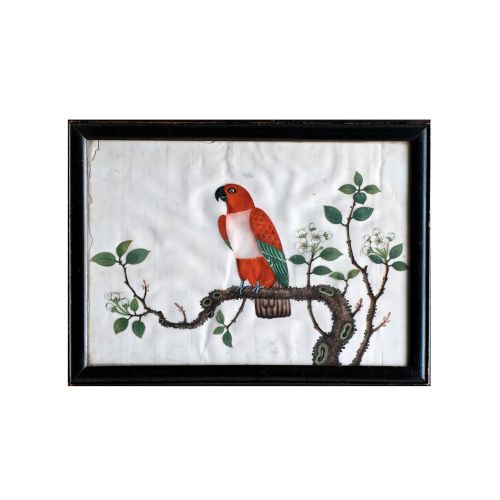
When you search for an antique botanical print, you are looking at works on paper that record flowers, foliage and natural history specimens through engraving, lithography or watercolour. The pieces available span the eighteenth, nineteenth and twentieth centuries, capturing the scientific and aesthetic interest in the natural world during those periods.
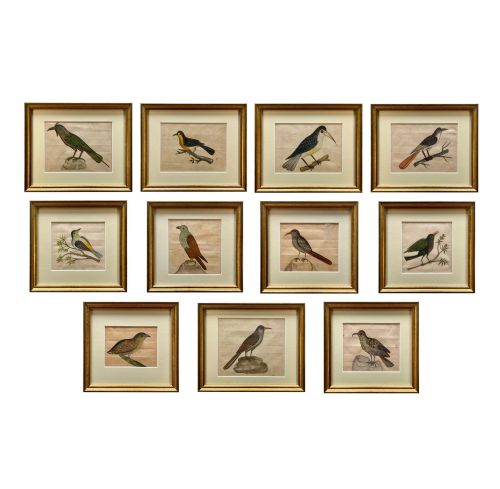
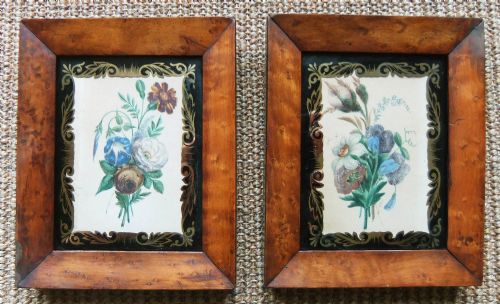
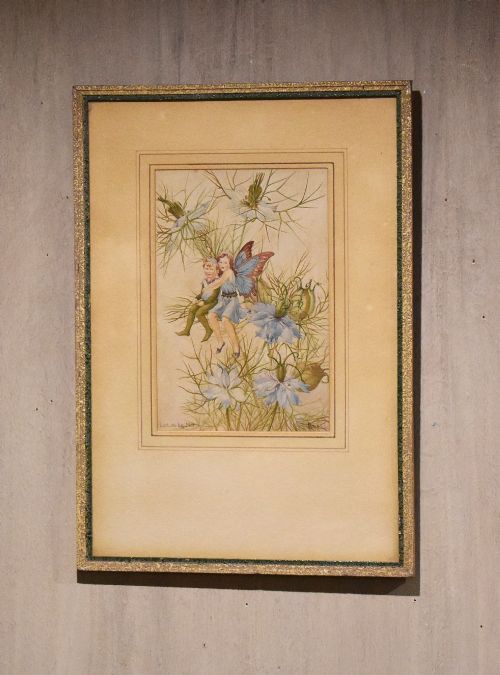
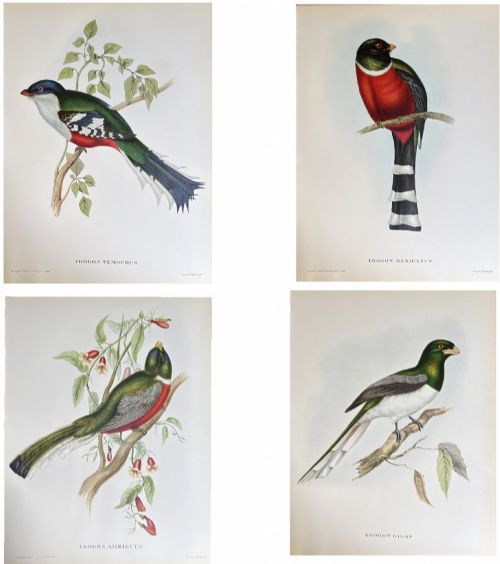
The most common versions met on this page include hand-coloured engravings, lithographs and original watercolours framed behind glass in wood or gilt frames. These range from single portrait studies of individual specimens to grouped sets showing plants, birds and insects together.
How they were made
The foundation of these works lies on paper, marked with ink through engraved plates or lithographic stones, often finished with watercolour by hand. Frames incorporate wood, glass, gilt wood and gold leaf, preserving the delicate paper sheets.
Techniques combine printmaking methods such as engraving and lithography with painted mediums like watercolour, gouache and ink. Some pieces originate from bound botanical magazines and folios, subsequently separated and framed as wall art.
Antique Botanical Print Retail Price Guide 2026
Typical asking prices for botanical print among the pieces listed under this phrase on Sellingantiques today, from the lower quarter to the upper quarter. They describe what is for sale here now, not the wider market.
The selection includes British, French, and Japanese botanical studies spanning three centuries.
What varies in quality
Quality rests upon the precision of the draughtsmanship and the clarity of the printing plates before hand-colouring is applied. Crispness in the botanical detail distinguishes a work produced by a skilled naturalist artist from a standard decorative copy.
The preservation of the paper and the vibrancy of the original pigments determine the visual impact of the piece. Contemporary framing using appropriate materials also preserves the condition of the paper over time.
Elisabeth Sonrel·Oliver Goldsmith·Simon Pietersz Verelst·Pancrace Bessa·George Edwards·Arthur Wardle·John Curtis·Margaret Evangeline Wilson·Georg Wolfgang Knorr·William Swainson·Vincent Brooks Day and Son
The Antique Botanical Print Glossary
- Lithography
- A planographic printing process using a stone or metal plate on which the image area is rendered ink-receptive. This technique allowed for the smooth colour graduation seen in nineteenth-century botanical plates.
- Engraving
- A printmaking method where an image is cut into a metal plate using a burin before ink is applied to the grooves. It produces exceptionally fine and crisp lines suited to scientific illustration.
- Gouache
- An opaque water-based paint composed of pigment, water and a binding agent such as gum arabic. It provides solid, rich colour areas in floral and natural history studies.
- Pearlware
- A fine-grained earthenware developed in the late eighteenth century with a bluish glaze that mimics porcelain. It appears in utilitarian items decorated with botanical themes.
- Gilt wood
- Wood carved and coated with gold leaf or metallic paint to create a reflective surface. Frames executed in this material often accompany nineteenth-century works.
Antique Botanical Print: Frequently Asked Questions
How are antique botanical prints dated?
Dating relies on the paper type, printing technique, and stylistic markers of the period alongside publication records from known botanical folios.
Engraved plates often carry publication dates in the margin, while watercolours require stylistic comparison with known artists of the eighteenth and nineteenth centuries.
Were these always meant for framing?
Many plates originated as unbound illustrations inside scientific journals, botanical magazines, and multi-volume natural history folios.
They were collected by enthusiasts who subsequently had them bound or framed for display on domestic walls.
How should I hang botanical prints?
Protect the paper from direct sunlight to prevent the hand-applied watercolours and inks from fading over time.
Displaying them in rooms with stable humidity levels helps maintain the condition of both the paper and the antique wood or gilt frames.
What is the difference between an engraving and a lithograph?
Engravings involve incising lines into a hard plate to produce sharp, detailed outlines that were often tinted by hand afterwards.
Lithographs rely on chemical processes on stone surfaces, allowing for softer tonal gradations and printed colour application.