


Wood Framed Botanical Print
These wood framed botanical print selections bring natural history into a room through watercolours, engravings, and drawings.
Wood Framed Botanical Print
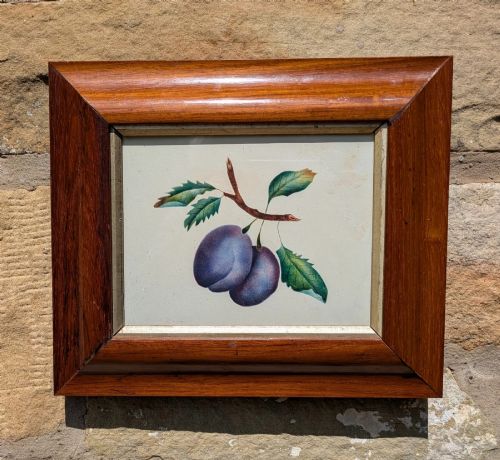
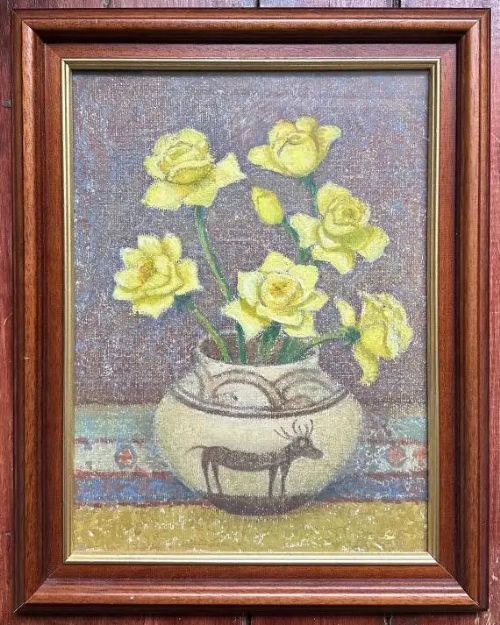
A wood framed botanical print search leads you to antique illustrations, watercolours, and engravings housed in timber surrounds. These works range from Georgian and Regency studies to 19th-century French plates and Victorian natural history pieces.
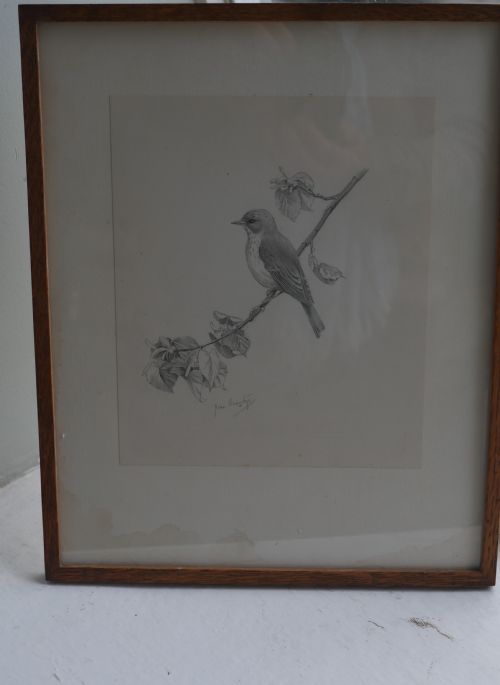
The selections on this page predominantly include paper watercolours and engravings set beneath glass inside wood frames, such as rosewood moulding. Alongside pure botany, the groupings extend to ornithological studies and animal portraits.
Makers and artists represented span named engravers like John Curtis and Pancrace Bessa alongside painters such as Emma Fordyce MacRae. You will encounter single watercolours, pairs, and larger sets of four or eight engravings.
Materials and construction
Works are executed on paper or canvas using watercolour, ink, graphite, or engraving techniques. These delicate media capture precise details of plants, insects, and birds.
Protective glass shields the paper surfaces, while the surrounding frames utilise timber, notably rosewood, to enclose and secure the artwork.
Spotted flycatchers and plum branches share wall space here with bustling insects creeping around botanical stems.
Assessing quality
Quality rests upon the precision of the hand-colouring on engravings and the direct touch of the artist in original watercolours and pencil drawings. Early 19th-century plates pulled from notable Parisian and British botanical volumes display sharper detail and finer ink work.
The integrity and period appropriateness of the wood frame contribute significantly to the overall character and preservation of the piece.
Emma Fordyce MacRae·Pancrace Bessa·John Curtis
The Wood Framed Botanical Print Glossary
- Engraving
- A printmaking technique where an image is incised into a metal plate, allowing multiple detailed impressions on paper. These plates were frequently hand-coloured afterwards.
- Watercolour
- A painting method where pigment is suspended in a water-based solution, applied here to paper to render botanical subjects. It offers translucent colour washes.
- Regency
- A British stylistic period spanning the early 19th century, known for refined classical elegance in framing and decorative arts.
- Ornithological study
- A detailed scientific or artistic illustration focused on birds, appearing alongside botanical works in natural history collections.
Wood Framed Botanical Print: Frequently Asked Questions
What periods do these botanical artworks come from?
The listings encompass items from the 18th century, the Georgian and Regency eras, through the 19th century and Victorian period, up to mid-20th-century works.
Most pieces lean heavily into the 19th century, reflecting the era's great passion for natural history illustration and publishing.
Are these pieces original prints or modern copies?
The inventory consists of period works, including original 19th-century engravings, antique watercolours, and vintage pencil drawings from their respective eras.
Engravings often originate from contemporary botanical folios and publications produced in Paris and London during the 1800s.
How should I hang and live with these frames?
Because works on paper and watercolour are sensitive to sunlight, position them away from direct, strong light to prevent fading of the pigments.
Grouping sets, such as pairs or series of four and eight engravings, works well on a wall to mirror historical study displays.
What framing materials are typically used?
Frames are constructed from wood, with specific examples utilising rosewood to complement the tones of the paper artwork inside.
Glass fronts protect the delicate ink, graphite, and watercolour surfaces from dust and atmospheric moisture.