
Vintage Floral Art
Vintage floral art brings together paintings, textiles, and decorative objects celebrating botanical subjects from periods spanning the nineteenth century to the mid-twentieth century.
Vintage Floral Art
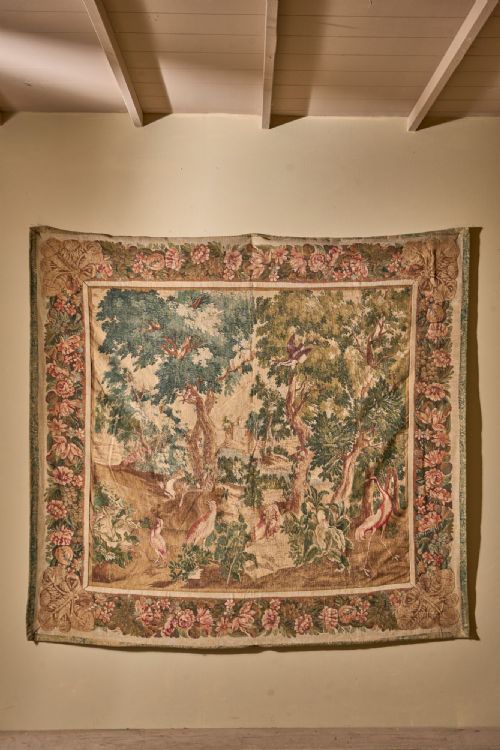
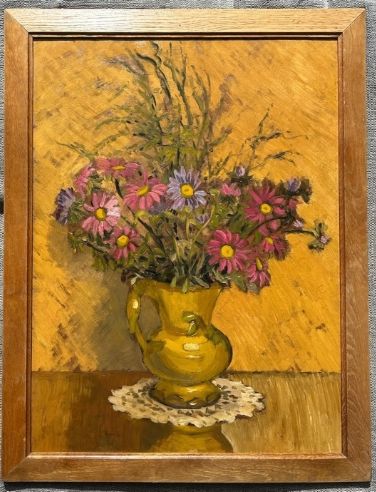
Vintage floral art encompasses wall hangings, paintings, and decorative domestic objects depicting flowers, plants, and natural subjects. Buyers browsing this selection encounter oil paintings on canvas and board, watercolours, lithographs, and embroidered panels capturing botanical themes.
The objects originate from diverse decorative movements, including Art Nouveau, Art Deco, Arts and Crafts, and Mid-Century Modern aesthetics. Many pieces date from the early decades of the twentieth century, alongside nineteenth-century watercolours and mid-century still life compositions.
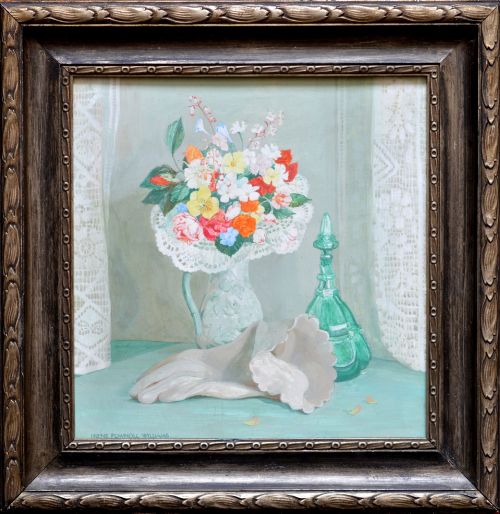
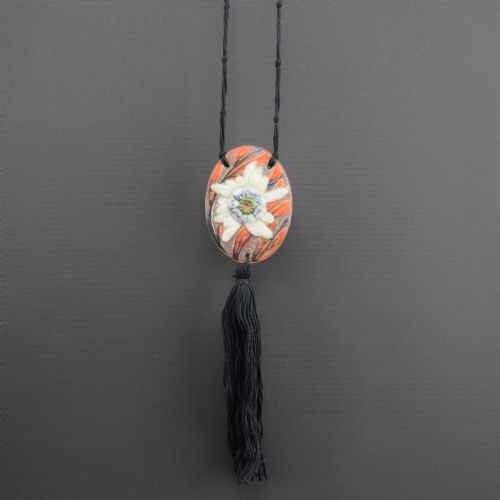
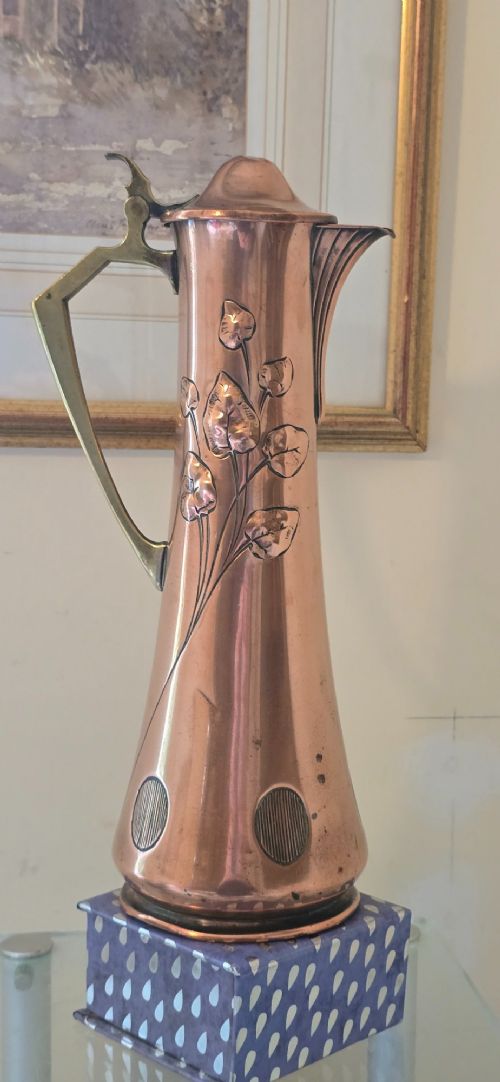
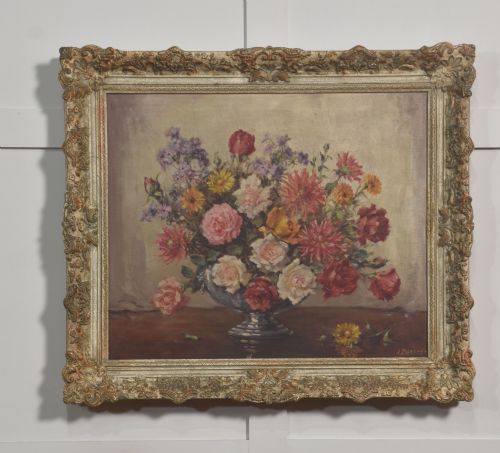
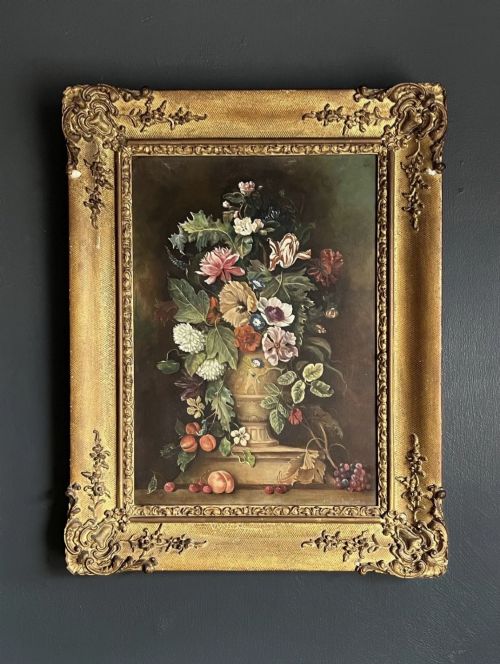
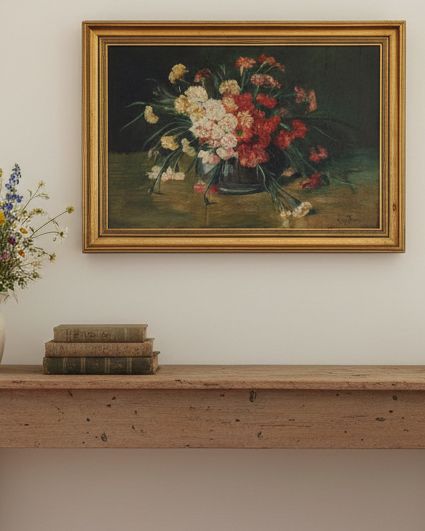
Forms range from framed still life canvases of roses and carnations to metalware ewers, ceramics, and wearable items incorporating floral motifs. This variety reflects how different eras integrated botanical designs into both fine art and functional household furnishings.
How they were made
Makers utilised traditional artistic mediums such as oil paint on canvas, watercolour on paper, and ink on lithographic plates to render botanical forms. Canvases are frequently housed in gilt gesso or carved wooden frames appropriate to their respective periods.
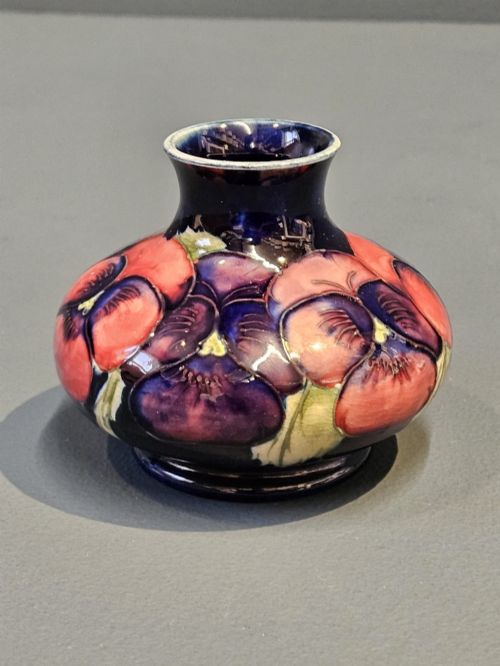
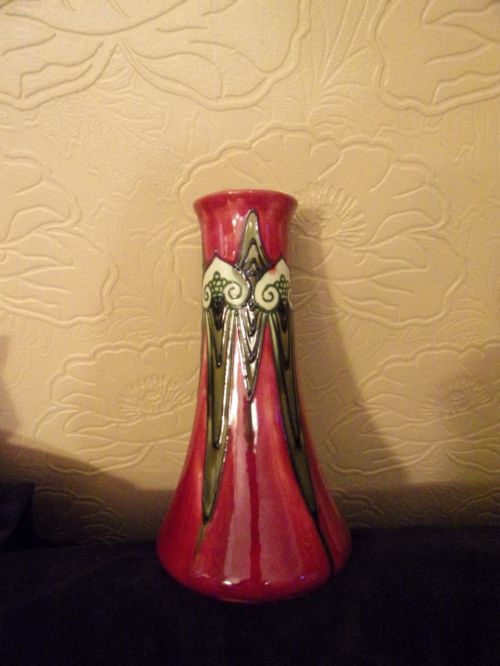
Three-dimensional decorative objects employ materials including sterling silver, copper, brass, ceramic, and glass. Techniques involve hand-painting, tube lining on pottery, casting, and delicate metal overlay work applied to glass surfaces.
Periods documented across the inventory range from the nineteenth century and the Regency era through Edwardian times to the 1960s.
What varies in quality
Quality in these botanical pieces is defined by the skill of the execution, whether in the confident brushwork of an oil painting or the meticulous detail of a watercolour study. Superior examples display careful handling of light, colour balance, and composition within the floral subject matter.
Material selection also distinguishes the range, such as the weight and purity of sterling silver mounts, the depth of glaze on ceramics, or the craftsmanship involved in carved wooden frames and textile embroidery.
Kenneth Cozens·Argy Rousseau·Moorcroft·WMF·I. Berezny·Elisabeth Sonrel·Konstantin Stoitzner·Gorham·Royal Doulton
The Vintage Floral Art Glossary
- Lithograph
- A print made from a planographic image on stone or metal plate. This technique allowed for the reproduction of detailed botanical illustrations in multiple colours.
- Gesso
- A plaster-like mixture applied to wooden frames before gilding or painting. It provides a smooth surface that takes intricate moulding and gold leaf effectively.
- Still life
- An artwork depicting inanimate subject matter, typically featuring natural objects like cut flowers in vases. It remains a central format across the painted pieces in this category.
- Tube lined
- A ceramic decoration method where raised lines of slip are squeezed through a nozzle onto clay before glazing. This creates distinct compartments for different enamel colours.
Vintage Floral Art: Frequently Asked Questions
What periods do these pieces come from?
The selection spans from the nineteenth century through the Edwardian era and into the mid-twentieth century. Pieces reflect the specific design movements of their respective decades.
Earlier items often feature delicate watercolours, while mid-century examples lean towards bolder oil paintings and textiles.
How should I display vintage floral art?
Framed paintings and lithographs suit wall hanging in living spaces, studies, or hallways alongside period furnishings. Smaller decorative items like ceramics and metalware sit well on sideboards or mantelpieces.
Matching the frame style to your interior decor helps integrate the artwork seamlessly.
Are all these items oil paintings?
No, the category encompasses a wide range of artistic mediums beyond oil on canvas. You will find watercolours, lithographs, embroidered textile panels, and decorative metalwork.
Each medium offers a different interpretation of botanical and floral subjects.
How do I identify Art Nouveau floral pieces?
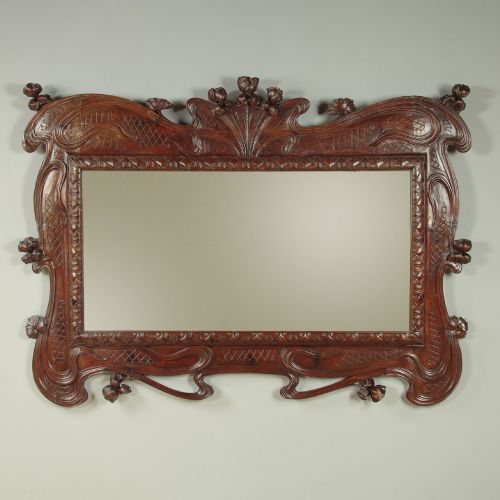
Art Nouveau works typically display flowing, organic lines inspired by natural plant forms. Look for sinuous stems, stylised petals, and whiplash curves in the design.
These characteristics appear across painted canvases, metalware ewers, and decorative frames from the turn of the twentieth century.