


Victorian Floral Painting
These pieces of victorian floral painting capture delicate botanical studies and rich still life compositions rendered across canvas, porcelain, and paper.
Victorian Floral Painting
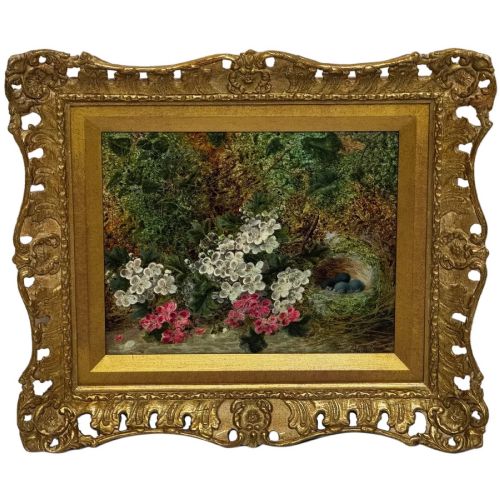
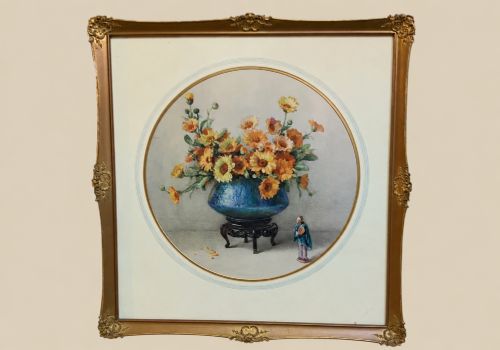
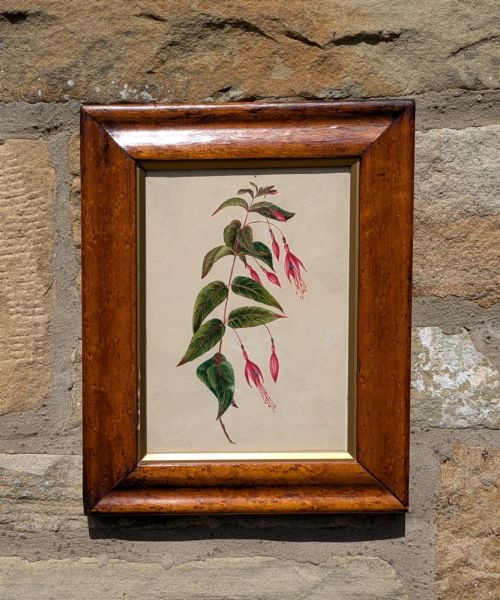
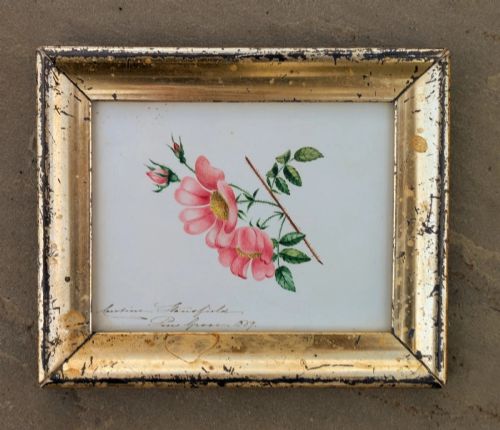
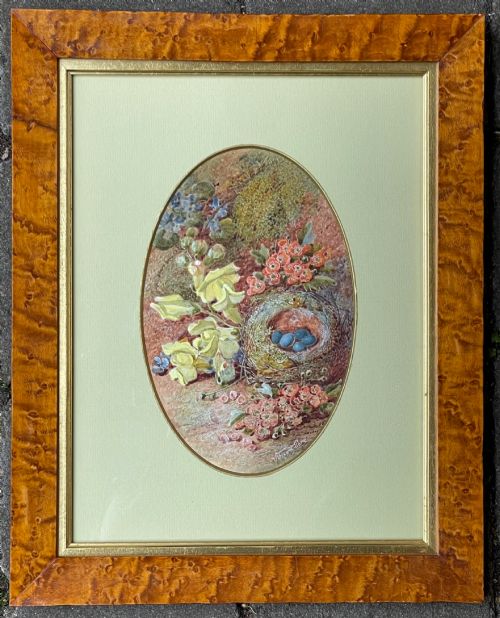
A victorian floral painting encompasses diverse mediums ranging from detailed nineteenth-century watercolours of wild roses and fuchsias to oil paintings depicting elaborate still lifes with fruit and nests.
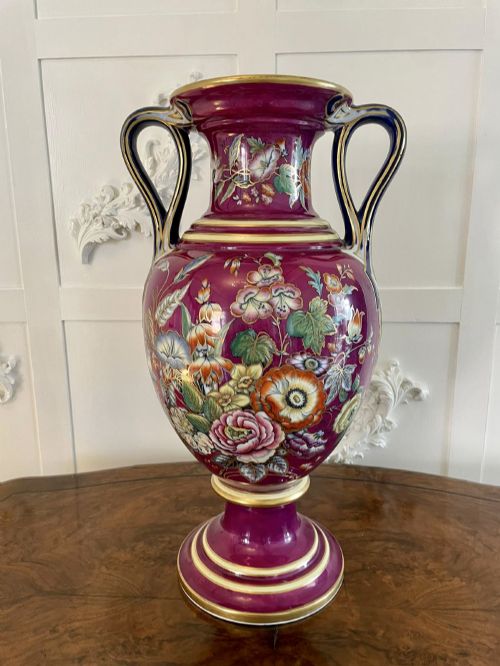
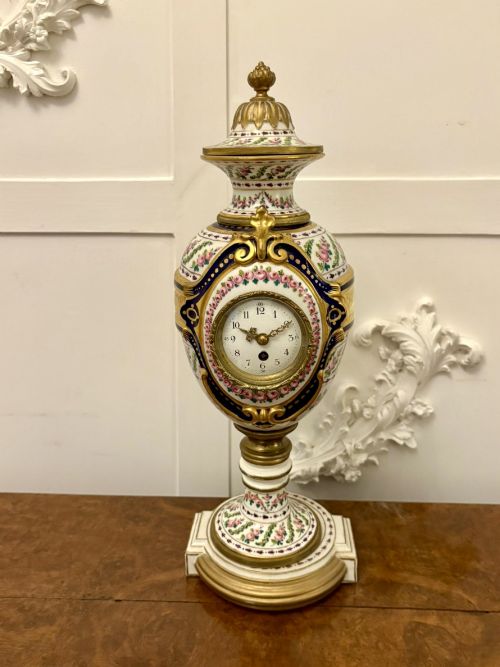
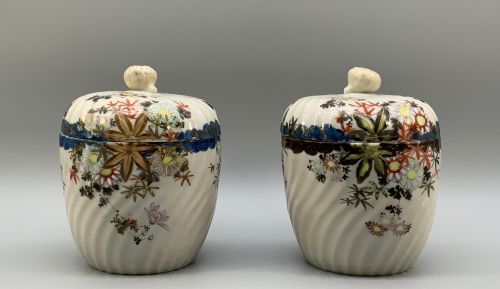
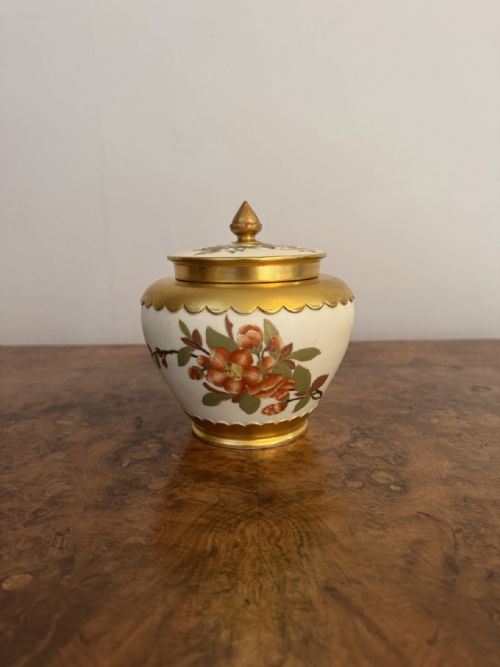
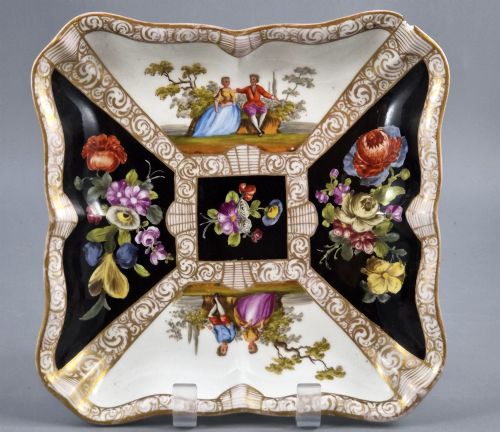
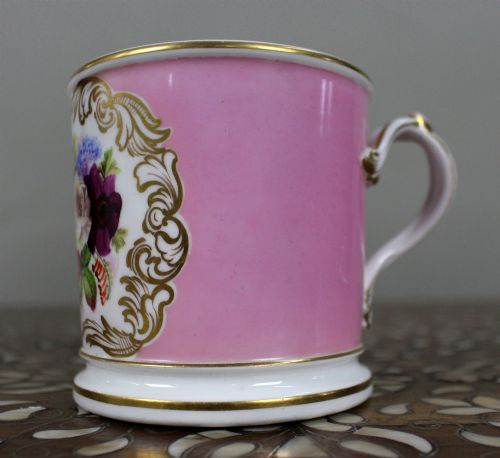
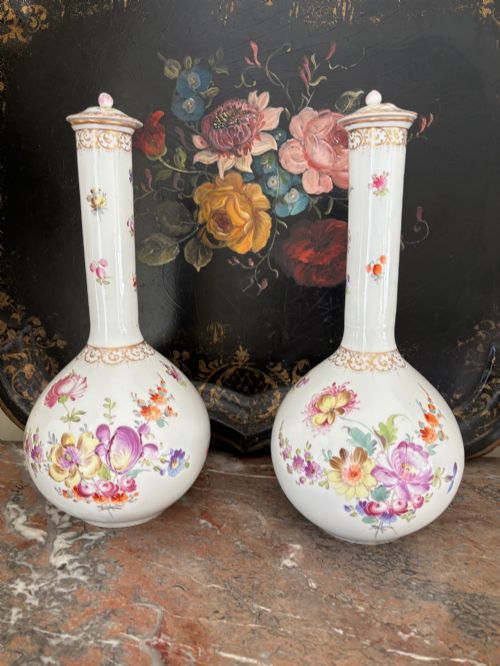
Buyers will encounter these botanical motifs applied not only to framed wall art on canvas and paper but also directly onto porcelain vessels, vases, and decorative cabinet dishes.
The objects span periods from the mid-nineteenth century through to the early twentieth century, reflecting varied interpretations of floral design across English, continental, and Japanese export pieces.
How they were made
Artists utilised oil paints on canvas or applied watercolour pigments to paper, capturing botanical subjects with careful attention to natural form and colour.
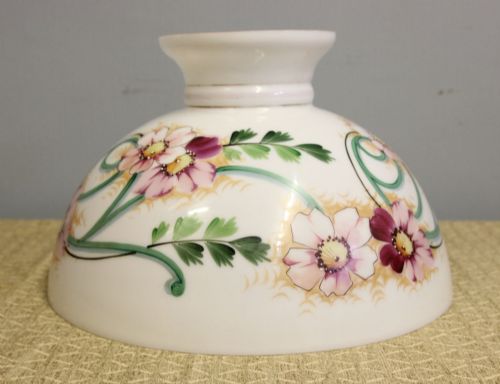
Potters and ceramists painted floral decoration by hand onto porcelain, earthenware, and glazed surfaces, often embellishing the designs with gold leaf, gilding, or enamel.
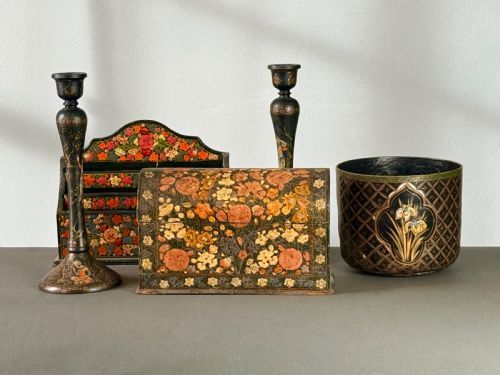
Decorative objects combined skilled woodwork, brass, and glass with hand-painted elements, reflecting traditional manufacturing techniques of the nineteenth century.
Several pieces feature very attentive birds guarding their painted nests among the blossoms.
What varies in quality
The finesse of the brushwork and the naturalism of the botanical illustration distinguish finer examples from standard decorative pieces.
The prestige of the manufactory or the documented attribution to a known artist elevates the standing of an individual painted work or ceramic.
The preservation of the original painted surface, enamel, and gilding without significant restoration dictates the desirability of the piece.
Oliver Clare·Vincent Clare·Edward Ladell·Edwin Steele·Konstantin Stoitzner·David Dewsberry·Alice Euphemia Thatcher
The Victorian Floral Painting Glossary
- Watercolour
- A painting method in which the paints are made of pigments suspended in a water-based solution. It is frequently employed for delicate nineteenth-century botanical studies on paper.
- Porcelain
- A ceramic material made by heating raw materials in a kiln, providing a smooth white ground ideally suited for hand-painted floral decoration.
- Gilding
- The application of gold leaf or gold powder to surfaces such as ceramics, frames, or metalwork. It highlights decorative contours and adds richness to the object.
- Still life
- A work of art depicting mostly inanimate subject matter, typically commonplace objects which may be either natural or man-made.
- Imari
- A style of Japanese porcelain exported to the West, characterised by underglaze blue and overglaze red, gold, and other colours often featuring floral motifs.
Victorian Floral Painting: Frequently Asked Questions
What subjects do these paintings show?
These works primarily depict botanical studies of individual flowers such as roses, fuscias, and marigolds alongside elaborate still life compositions featuring fruit and birds' nests.
Artists also decorated functional ceramics and decorative items with hand-painted floral motifs and garden scenes.
How were these painted ceramics used?
Painted porcelain dishes, vases, and lidded pots served both decorative functions in nineteenth-century interiors and practical uses for serving or display.
Cabinet dishes and decorative plaques were typically shown on walls or specialised stands rather than used for dining.
How do I date these painted items?
Dating relies on identifying the specific period styles, ceramic bodies, and maker marks recorded across the pieces from the nineteenth and early twentieth centuries.
Stylistic shifts from mid-Victorian naturalism to later aesthetic movements help narrow the production era.
How should I care for them?
Watercolours and works on paper require protection from direct sunlight to prevent the fading of delicate pigments.
Painted ceramics and oil paintings benefit from gentle dusting with a soft dry cloth and stable indoor humidity.