



Victorian Wall Artwork
Victorian wall artwork brings nineteenth-century British character and fine hand-painted detail into domestic rooms through original oils and watercolours.
Victorian Wall Artwork
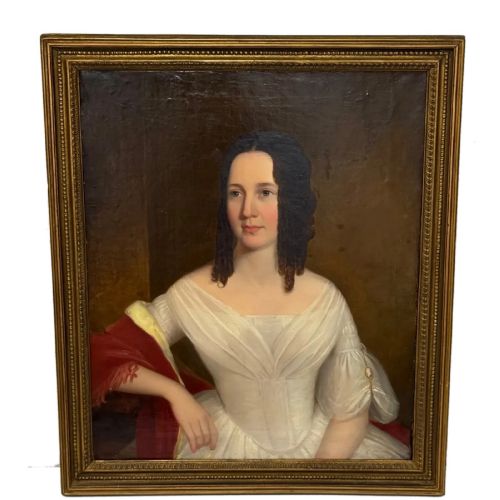
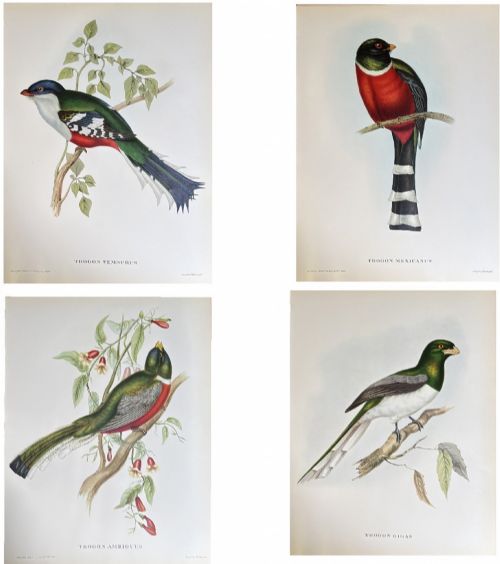
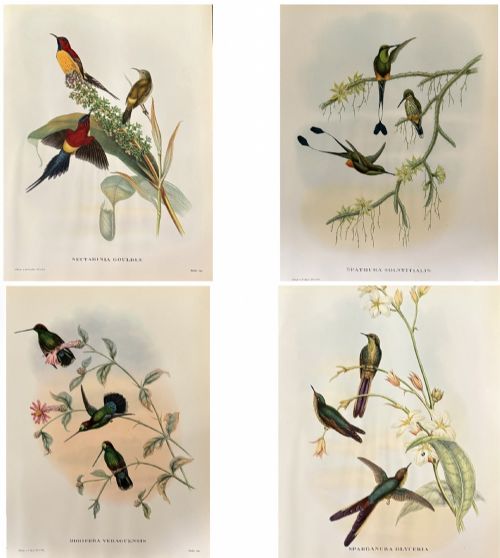
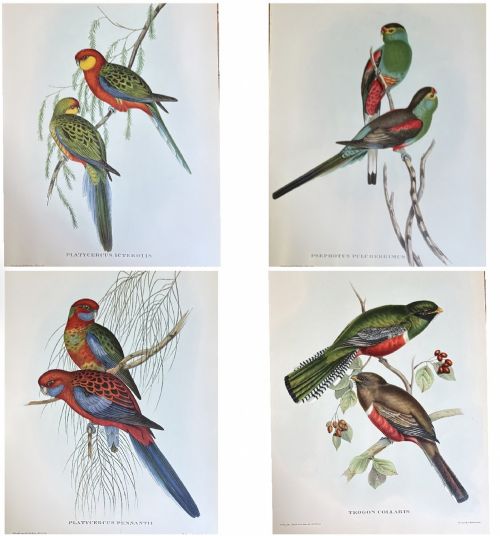
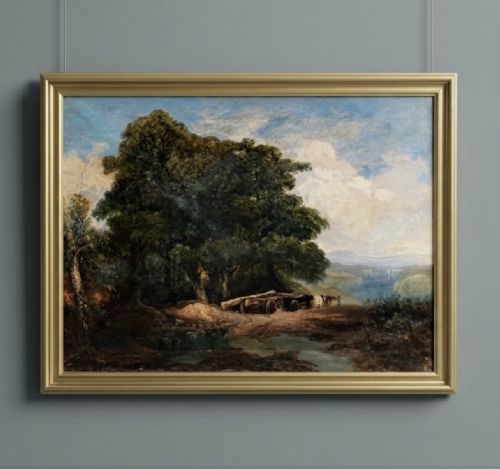
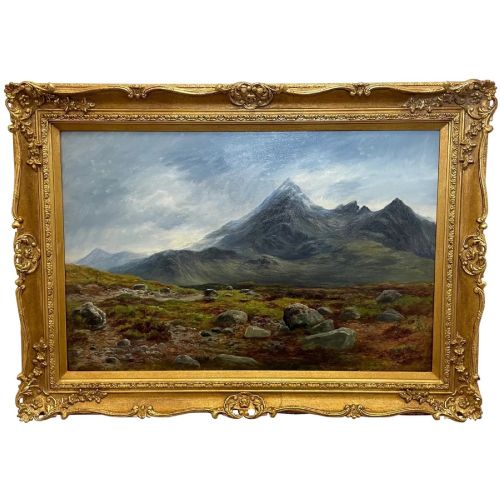
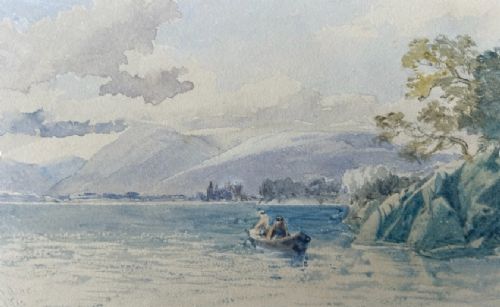
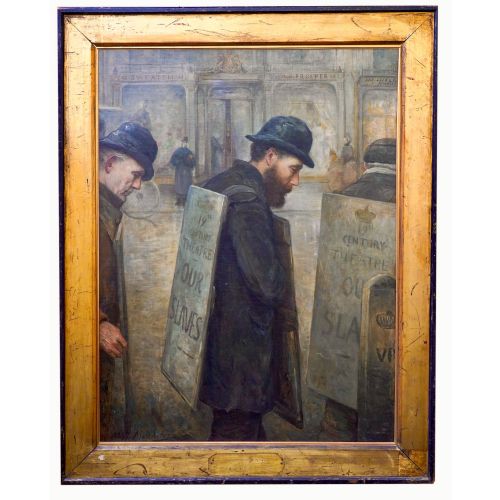
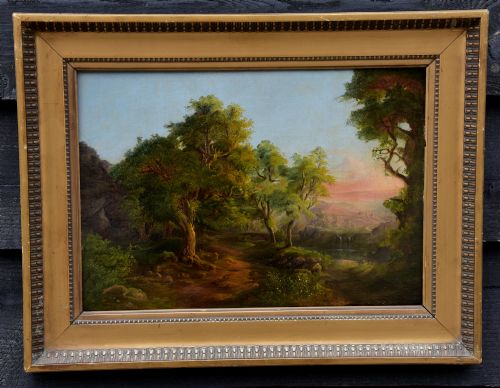
Victorian wall artwork encompasses framed paintings, watercolours, prints, and needleworks produced during the nineteenth century and associated revival periods. When you search for victorian wall artwork, you encounter varied forms including landscape oils, maritime scenes, botanical studies, and portraiture.
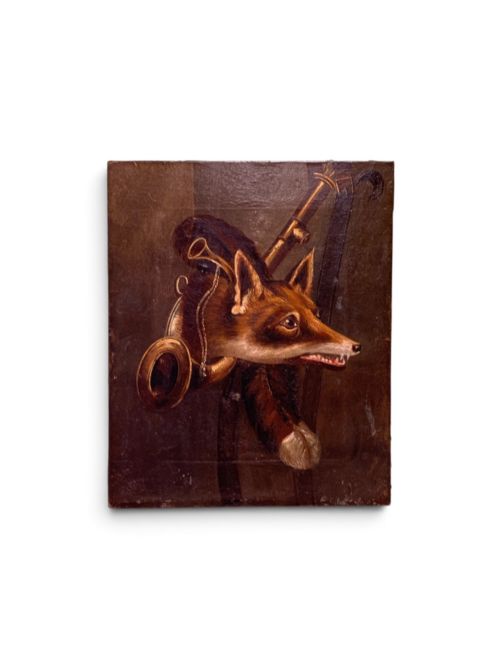
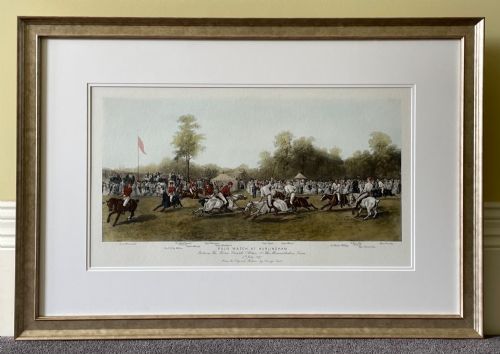
The pieces on this page span genres from social realism and sporting art to natural history and romantic landscapes. Most examples reflect British academic traditions, capturing domestic scenes, coastal views, and rural topographies.
Framed works frequently retain period wooden surrounds such as giltwood, oak, or burr maple frames which complement the imagery. These objects range from intimate botanical watercolours to monumental history paintings intended for principal reception rooms.
Materials and methods
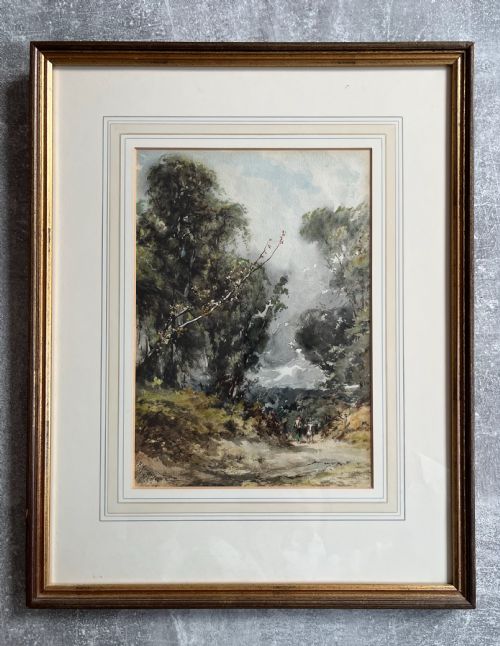
Artists of the period applied oil paints to stretched canvas or wooden boards, building rich texture and tonal depth through layered glazes. Watercolours were painted on heavy paper stock, often utilising gum arabic to enrich the vibrancy of pigments in botanical and landscape subjects.
Frames combined carved or moulded wood with gilt finishes, paper linings, and protective glass sheets to safeguard delicate works on paper. Lithographs and advertising prints utilised early mechanical printing plates to reproduce popular imagery for wider domestic display.
Listings feature paper, canvas, and glass materials across nineteenth-century styles.
Distinctions in quality
Quality rests upon the artist's command of anatomy, perspective, and light, distinguishing skilled academic painters from competent jobbing illustrators. Finer canvases display nuanced brushwork and confident handling of shadow, while lesser works rely on rigid lines and formulaic compositions.
The integrity of the original backing, surface varnish, and period frame contributes significantly to an artwork's standing. Pieces executed by named exhibitors or recorded Royal Academy painters demonstrate greater draughtsmanship and lasting pigment stability.
Richard Sebastian Bond·William Beattie Brown·George Fotherly Hargitt·Thomas Miles Richardson Jnr·James Orrock·Felix Stone Moscheles·Alfred Young Nutt·John Horace Hooper·William McAlpine·Frederick Morgans·Edward Mills·William Banks Fortescue·Stephen Samuel Lewin·John Rose Miles·Thomas W Lascelles·Robert A Nottingham·Mark William Langlois·David Bates
The Victorian Wall Artwork Glossary
- Oil on canvas
- Pigments suspended in drying oil applied to a woven fabric support stretched across a wooden frame. This medium allowed artists to work slowly, blending colours directly on the support.
- Watercolour
- A paint consisting of water-soluble pigments used on paper to create luminous washes. It was favoured for topographical sketches and detailed botanical studies.
- Giltwood
- Wood, typically carved timber or composition moulding, coated with a thin layer of gold leaf. It provides a reflective, decorative border common in period frames.
- Lithography
- A planographic printing process based on the repulsion of oil and water, used to produce multi-coloured prints and illustrations. It enabled affordable domestic wall decoration.
- Berlin work
- A type of coloured wool embroidery worked on canvas from printed grid patterns. These needlework panels were frequently mounted in maple frames as domestic wall hangings.
Victorian Wall Artwork: Frequently Asked Questions
Are these artworks in their original frames?
Many pieces retain period surrounds such as burr maple, oak, or giltwood mouldings dating from the nineteenth century.
Some works have been reframed over time to ensure structural stability and match contemporary conservation standards.
How should I hang watercolour paintings safely?
Position works away from direct sunlight and damp environments to prevent paper discolouration and foxing.
Ensure that hanging wires and wall fixings are rated to support the combined weight of the frame and glass.
Can I identify the artist from a signature?
Signatures, monograms, or dates inscribed onto the canvas or paper often point to recorded nineteenth-century painters.
Examine exhibition labels or handwritten inscriptions on the reverse of the stretcher bars for additional provenance clues.