


Dark Equestrian Oil Painting
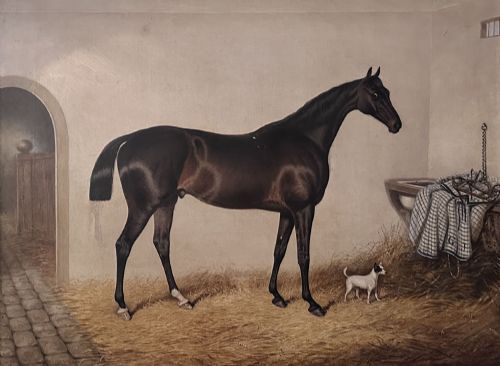
These dark equestrian oil painting works capture horses and hounds from centuries past, offering rich tones and historic character that elevate any room.
Dark Equestrian Oil Painting
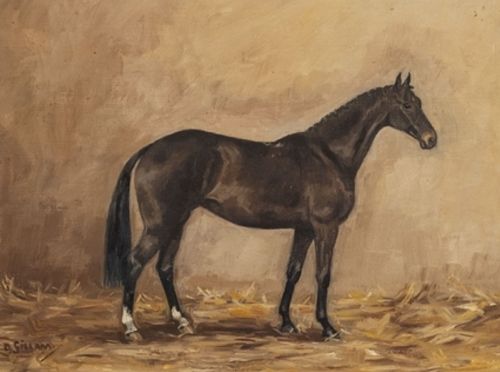
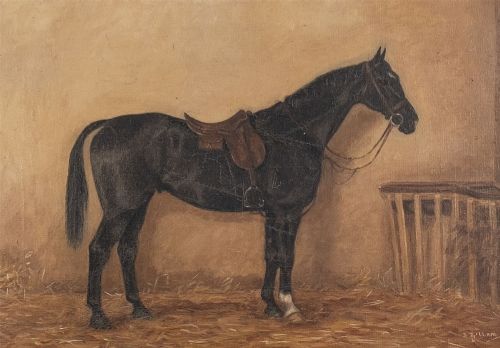
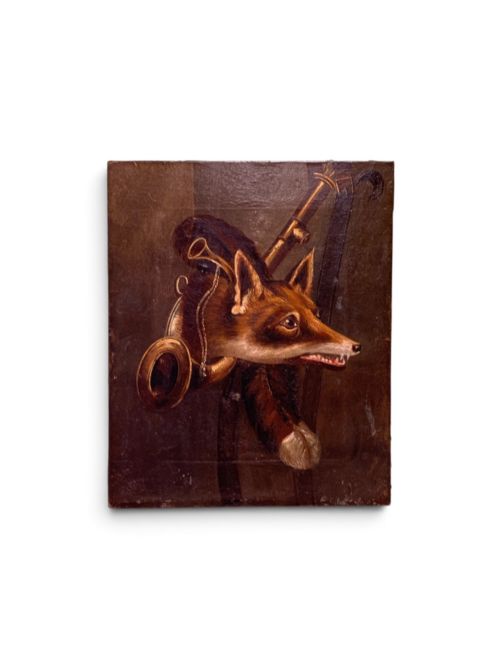
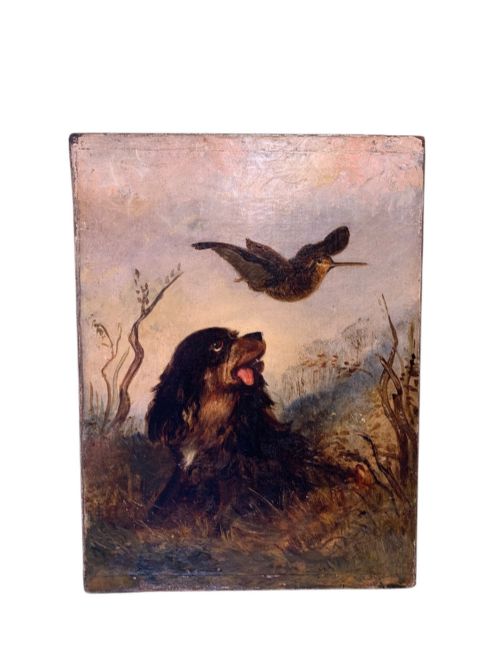
A dark equestrian oil painting centres on horses, hounds, and sporting scenes rendered in deep, atmospheric palettes from the eighteenth and nineteenth centuries. These works often depict prized hunters, racing champions, or military officers alongside their chargers, reflecting the prominent place of horses in Georgian and Victorian society.
Buyers browsing this selection will frequently encounter nineteenth-century canvases alongside Victorian sporting art and English country school pieces. The dark varnishes and aged oils create a moody, sombre aesthetic that distinguishes these historical works from brighter modern canvases.
Materials and construction
Artists painted primarily with oil on canvas, though wooden panels such as pine and oak also served as supports for these traditional works. Pigments were mixed with oils and applied in rich layers, often finished with protective varnishes that have darkened gracefully over the decades.
Frames commonly incorporate gold leaf over wood, adding a traditional metallic border that complements the deep, shadowed tones within the painted scenes.
Several canvases feature sharp-eyed hounds keeping a watchful vigil beside their equine companions.
Assessing quality and depth
Quality rests upon the artist's command of anatomy, proportion, and movement, particularly in rendering the musculature of horses and the alertness of hounds. Finer works display confident brushwork that captures the sheen of a bay coat or the tension in a mounted officer's posture.
The preservation of the canvas and the stability of the original oil paint layers also define superior examples. Lesser pieces may show heavy overpainting or obscured details where aged varnish has darkened unevenly over time.
W Williams·W.A. Clark·Walter Herbert Wheeler·Abraham Cooper RA
The Dark Equestrian Oil Painting Glossary
- Canvas
- A heavy woven fabric stretched across a wooden frame to serve as a painting surface. It provides the flexible base for the oil paint layers seen in most nineteenth-century works.
- Oil paint
- A slow-drying paint made by mixing pigment particles with a drying oil such as linseed. This medium allows for deep blending and rich tonal variations characteristic of Victorian sporting art.
- Gold leaf
- Gold beaten into extremely thin sheets and applied to wooden frames with adhesive size. It provides a bright, reflective border that contrasts with dark equestrian scenes.
- Pine panel
- A flat board of pine timber used as a rigid support for paint rather than woven fabric. These wooden boards appear in older eighteenth-century works.
- Charger
- A strong horse ridden by a knight or military officer into battle or ceremonial parades. These animals frequently appear in historical portraits alongside their riders.
Dark Equestrian Oil Painting: Frequently Asked Questions
How do I care for an old oil painting?
Keep the piece away from direct sunlight and dramatic temperature swings to protect the fragile canvas and aged oil layers from cracking.
Dust the surface very gently with a dry, soft cloth and avoid using any water or chemical cleaners on the paint.
Where were these equine artworks displayed?
These paintings traditionally hung in the wood-panelled libraries, halls, and drawing rooms of country houses and sporting estates.
Today, they suit similar traditional interiors, bringing warmth and historical narrative to studies or living rooms.
What is the difference between Georgian and Victorian pieces?
Georgian paintings date from the eighteenth and early nineteenth centuries, often featuring simpler compositions and restrained palettes influenced by classical traditions.
Victorian works tend to showcase more dramatic narratives, highly prized animal champions, and richer, darker varnishes that deepened over time.
How can I tell the age of the canvas?
Examine the reverse of the stretcher frames for old stamps, handwritten inscriptions, and the type of handmade nails or wedges used to tighten the fabric.
Examining the craquelure pattern in the dried oil paint under magnification also reveals the natural ageing process of the materials.