





Victorian Military Officer Canvas
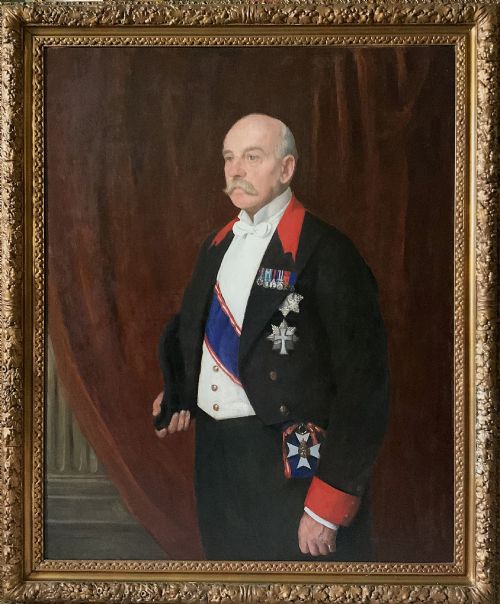
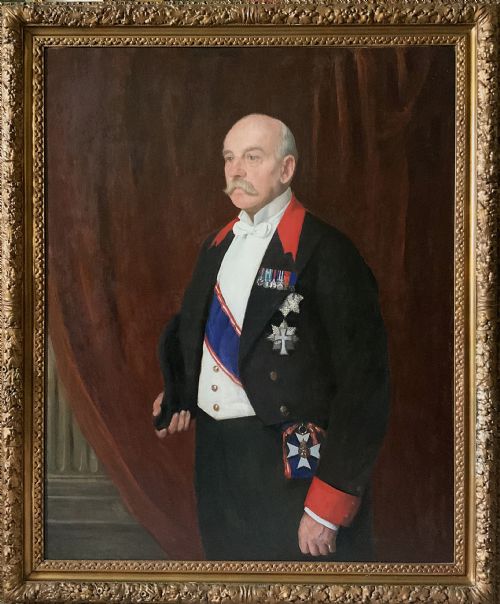
A victorian military officer canvas records the likeness of commanders and regiments through oil paint, bringing nineteenth-century service history directly into a room.
Victorian Military Officer Canvas
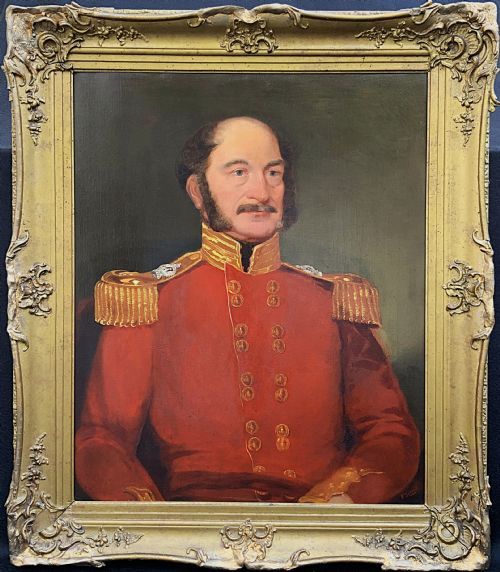
A victorian military officer canvas depicts figures from the nineteenth century, including major-generals, captains, and naval officers, often shown wearing ceremonial red tunics or naval jackets. These works originate from periods such as the Victorian era, the Edwardian period, and the Regency style, capturing specific military formations like the Bengal Army or the 5th Royal Lancashire Militia.
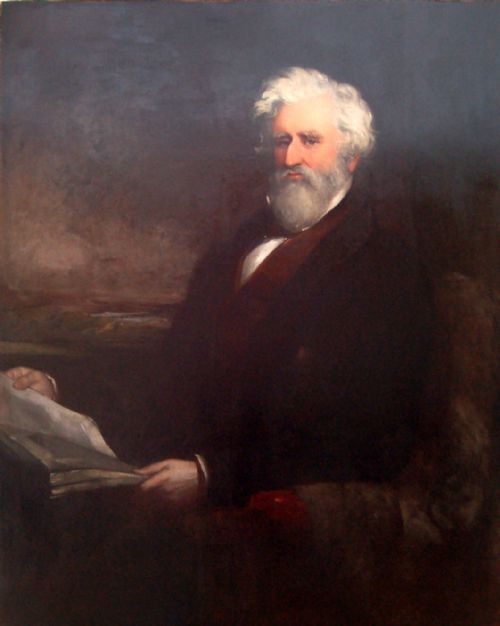
The pieces on this page are predominantly oil paintings on canvas, frequently housed within giltwood or gilded wood frames. Alongside painted portraits, the selection includes related campaign items such as tent pole straps with hooks.
Portraits in this category range from monumental canvases to more intimate studies, showing officers both on foot and mounted on chargers. The sitters span distinguished historical figures and regional manufacturers associated with military service.
Materials and Technique
These works rely on oil paint applied to canvas, capturing the fine details of uniforms, medals, and facial expressions. The physical support consists of woven canvas stretched across wooden frames.
Many of the paintings are presented in gilded wood frames or giltwood surrounds, which complement the rich reds of ceremonial tunics and dark military jackets.
One listed officer is immortalised while mounted on his trusty charger, ensuring the horse shares equal billing on canvas.
Assessing Quality
Quality in a victorian military officer canvas is found in the precision of the brushwork and the psychological depth of the portraiture. Master painters render the texture of wool tweed, heavy cloth, and gilded buttons with striking anatomical accuracy.
The framing also influences the character of the piece, with substantial gilded wood surrounds enhancing the visual weight of monumental oil portraits.
George Frederic Watts·George Frederick Clarke·William Edward Millner·George Duncan Beechey·William Salter·Sir Richard Westmacott
The Victorian Military Officer Canvas Glossary
- Oil on canvas
- Pigments bound in a drying oil applied to a woven fabric support. This combination allows for rich colour blending and lasting durability.
- Giltwood
- Wood that has been treated with a thin layer of gold leaf or gilt. It provides an ornate, reflective border for historical portraits.
- Ceremonial red tunic
- The traditional scarlet military coat worn by British officers for formal duties. It is a defining visual element in nineteenth-century portraiture.
- Regency
- An architectural and artistic style spanning the early nineteenth century. Works from this period often display distinct classical influences.
Victorian Military Officer Canvas: Frequently Asked Questions
What regiments appear on these canvases?
The portraits record officers from various historical units, including the 15th King's Hussars, the Bengal Army, and the East Lancashire Regiment.
These inscriptions and uniform details help identify the specific service branch of the sitter.
How should I hang a large portrait?
Monumental oil paintings require secure wall fixings capable of supporting heavy wood frames and stretched canvas.
Positioning the work at eye level in a room with stable humidity preserves the integrity of the oil paint.
Are all these portraits painted in the nineteenth century?
The selection spans the nineteenth century and extends into the early twentieth century, reflecting Victorian and Edwardian artistic traditions.
Dates are established through stylistic analysis and recorded biographical details of the sitters.
What is the difference between an officer and a naval portrait?
Army officers are typically depicted in red tunics or campaign dress, while naval officers appear in dark maritime jackets.
Both categories utilise oil paint on canvas to document nineteenth-century military hierarchy.