



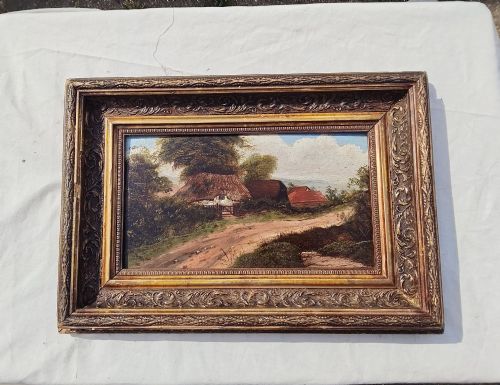
English School Artwork
English school artwork brings historic British character into a room through watercolours, oils and charcoal.
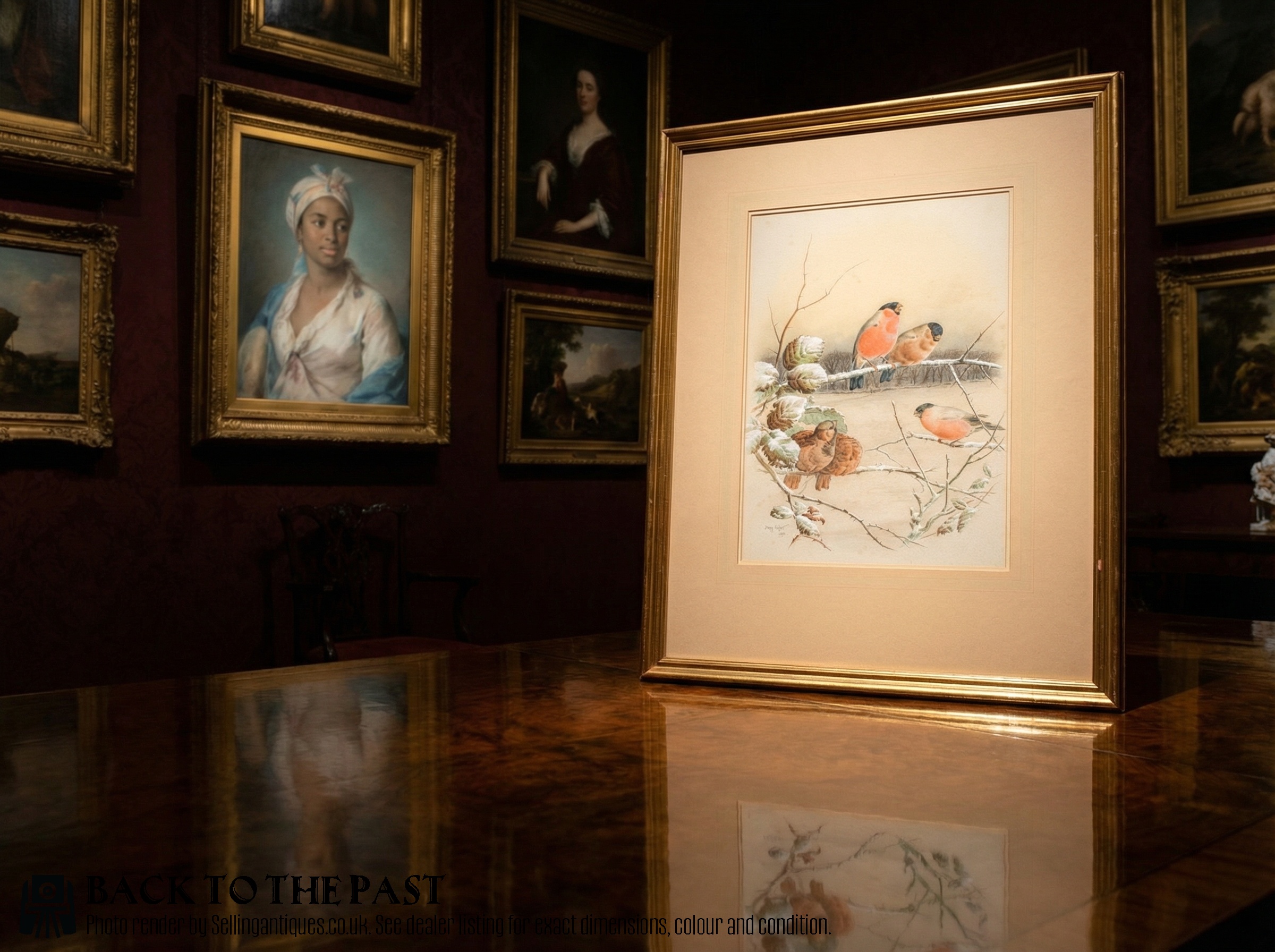
Understanding english school artwork
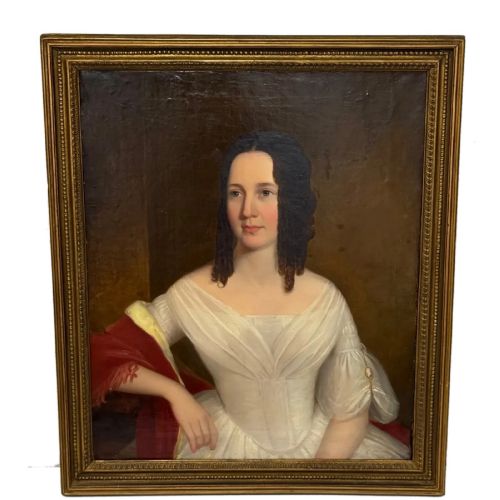
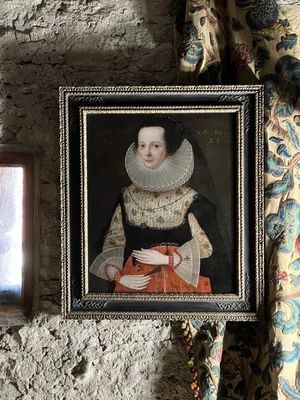
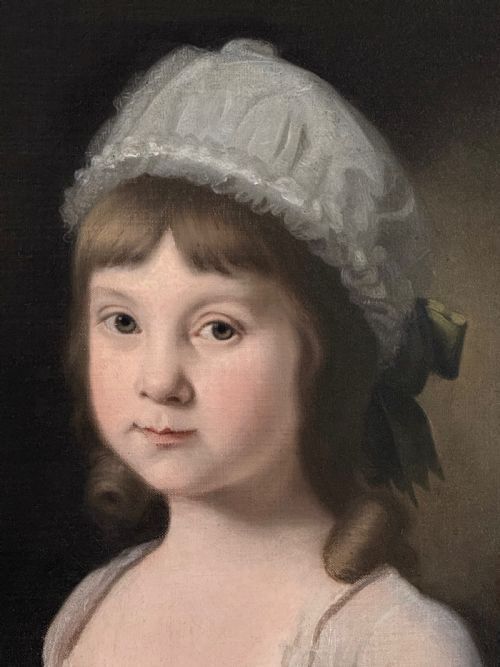
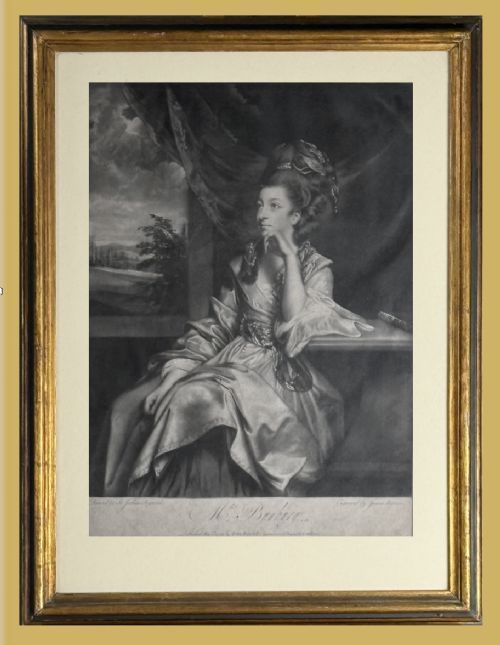
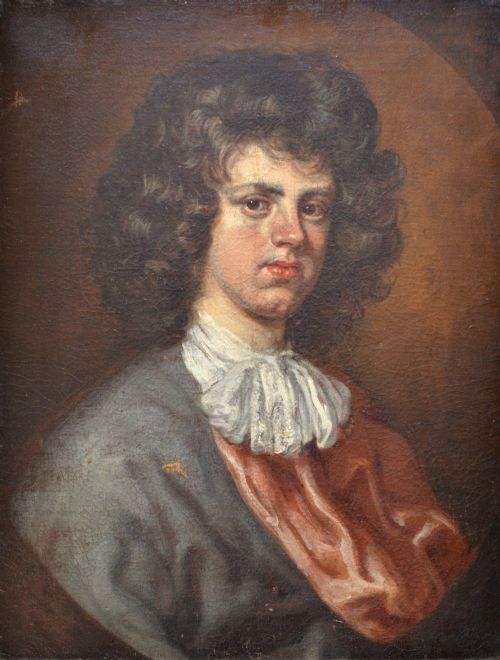
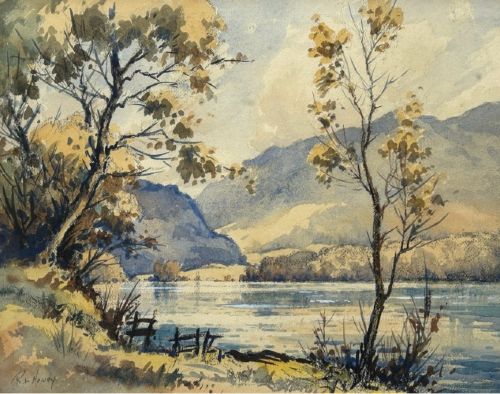
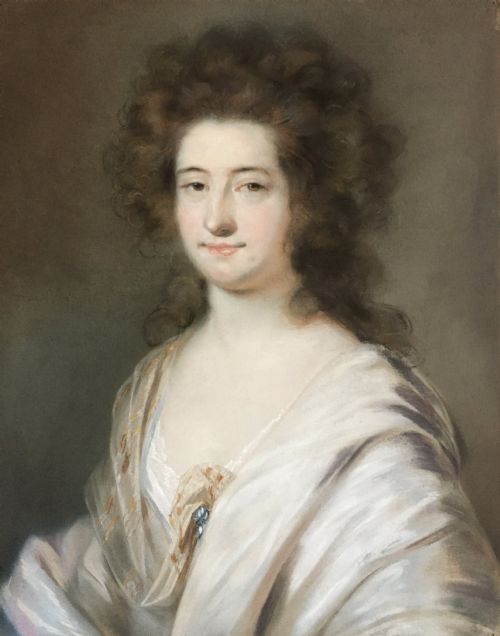
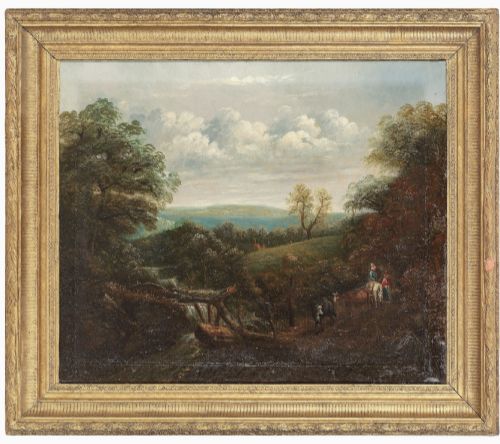
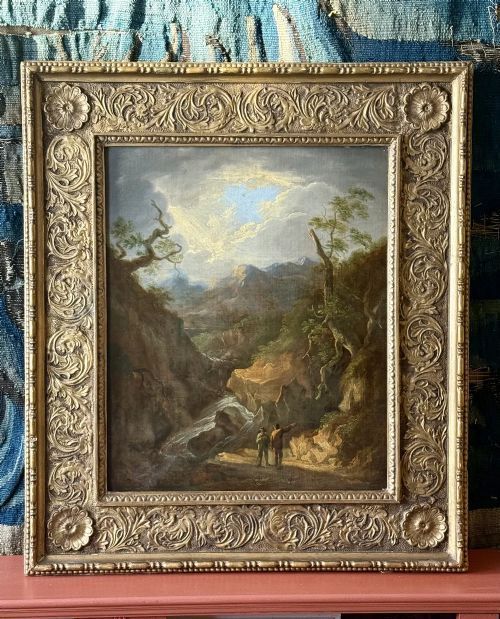
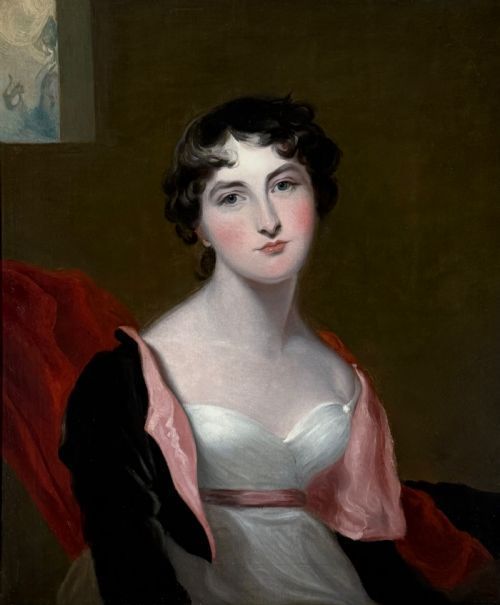
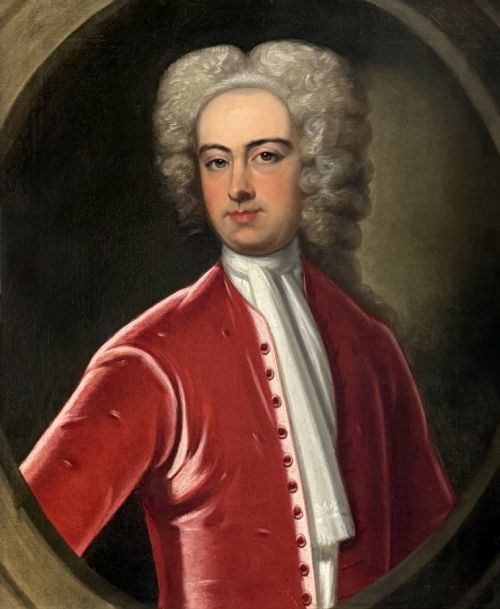
When you search for english school artwork, you examine British paintings, drawings and watercolours created across the nineteenth and early twentieth centuries. These pieces record landscapes, architectural scenes and classical subjects by named artists and anonymous hands alike.
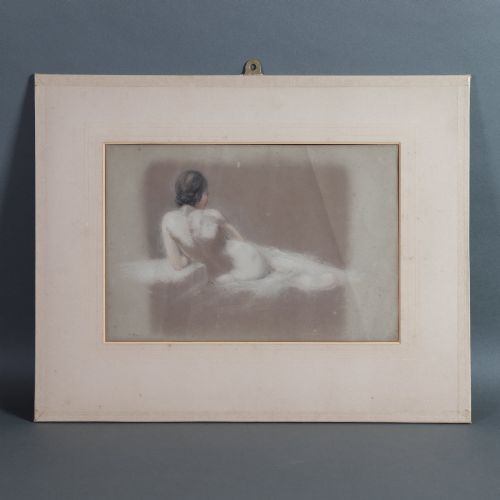
The selections available here lean heavily into Victorian production, alongside works from around nineteen hundred and nineteen ten. You encounter framed oils on canvas, delicate charcoal drawings on canvas and detailed watercolour paintings under glass.
Many items display regional British subjects, from scenic coastal paths to historic abbeys. Others reflect broader art historical currents, showing clear links to Victorian romanticism, tonalism and neoclassical traditions.
Materials and construction
Makers utilised traditional supports including stretched canvas, heavy paper and wooden panels for their compositions. Pigments were applied using oil and watercolour mediums, while charcoal served for monochromatic tonal drawings.
Many of these historic works retain their original or period framing executed in giltwood and wood. Glazing protects the delicate paper and watercolour items from environmental damage.
Retail Price Guide 2026
Typical UK retail prices for english school artwork, calculated from the Sellingantiques database of over a million retail prices indexed since 2003. This retail price guide relies exclusively on Sellingantiques data; no external sources or auction records are used, so the figures do not describe the wider market.
One Victorian fisherman walks past Boscombe on canvas while a neoclassical faun dances nearby.
Assessing quality
The distinction between standard works and finer pieces rests on the sureness of the draftsmanship and the handling of light and atmosphere. Stronger examples demonstrate confident brushwork or precise line control that captures mood and depth effectively.
The integration of the artwork with its period frame also influences the overall character. Surviving giltwood frames that complement the age and scale of the painting elevate the piece.
Benjamin Barker Of Bath·Harry Bright·George Cattermole·Tom Dudley
The English School Artwork Glossary
- Watercolour
- A painting method where fine pigment is suspended in water-soluble binders and applied to paper. This technique allows for translucent washes and delicate tonal shifts.
- Oil on Canvas
- Pigments mixed with drying oils applied to a woven fabric stretched across a wooden frame. This method permits rich colour layering and textured surfaces.
- Charcoal
- A drawing medium made from burnt organic material that produces dark, velvety marks. It is often employed for expressive studies and tonal landscapes.
- Giltwood
- Wood that has been coated with a thin layer of gold leaf or gilt composition. This decorative finish appears frequently on nineteenth-century picture frames.
- Neoclassical
- An artistic style inspired by the classical art and culture of ancient Greece and Rome. It emphasises proportion, restraint and classical motifs.
Frequently Asked Questions
What periods do these artworks represent?
The pieces span the nineteenth century and the early twentieth century, capturing Victorian aesthetics and later transitional styles.
Dates cluster around the nineteenth century, nineteen hundred, and nineteen ten, reflecting changing British artistic tastes.
How should I care for watercolour paintings?
Watercolour paintings require protection from direct sunlight to prevent the pigments from fading over time.
Keep them behind glass in stable indoor humidity conditions to preserve the paper support.
Are these works signed by artists?
Some pieces carry the names of recorded artists such as Benjamin Barker of Bath or Tom Dudley.
Others belong to the broader English school classification, created by anonymous or lesser-documented hands.