

Victorian Bird Painting
These Victorian bird painting examples capture feathered subjects in oil and watercolour across the nineteenth century.
Victorian Bird Painting
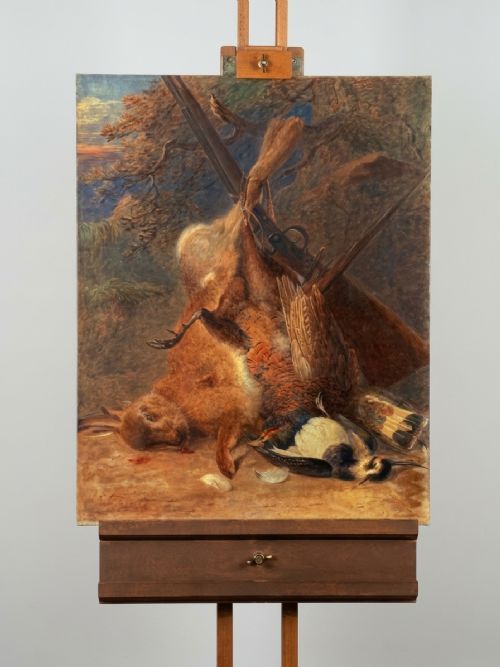
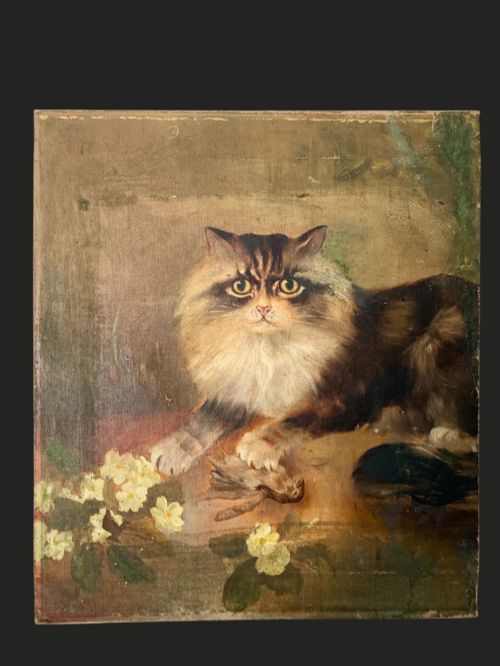
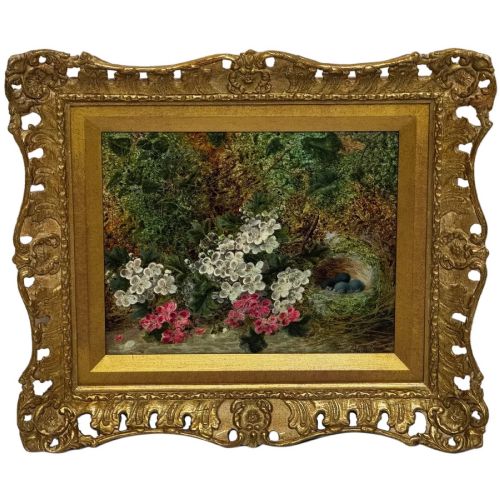
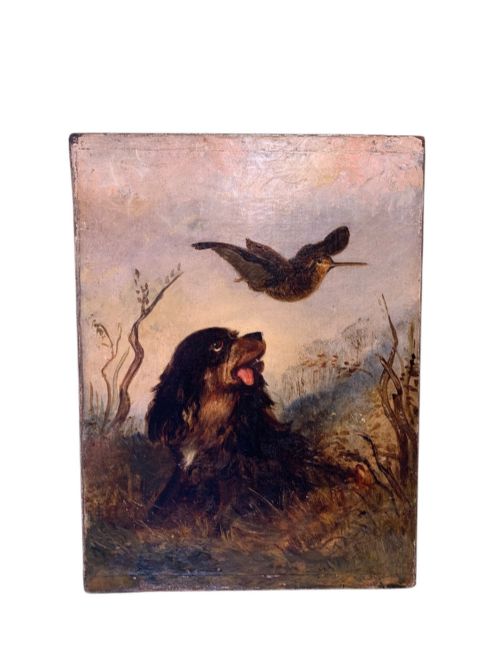
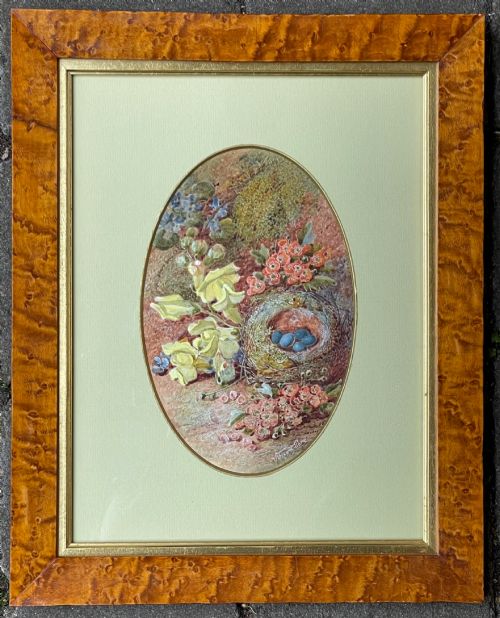
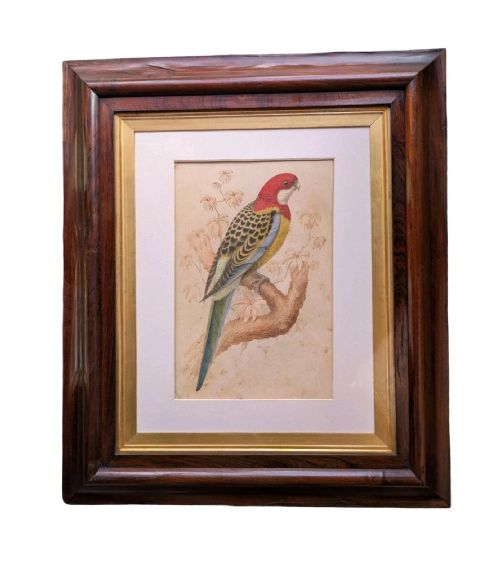
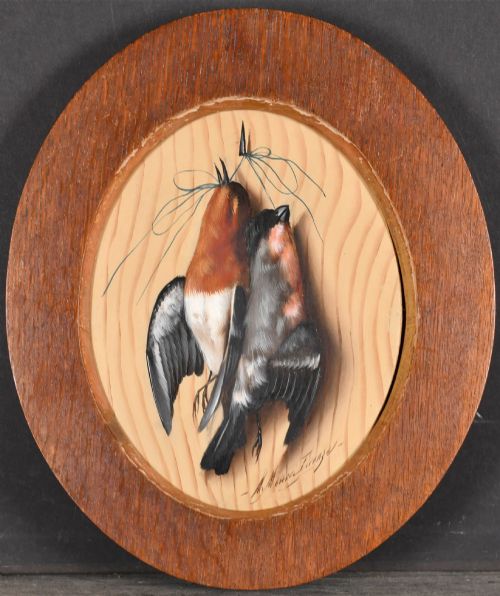
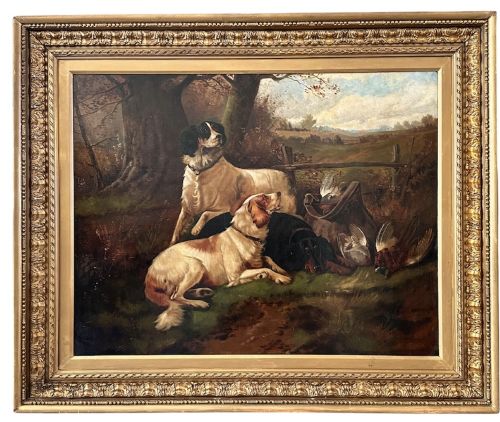
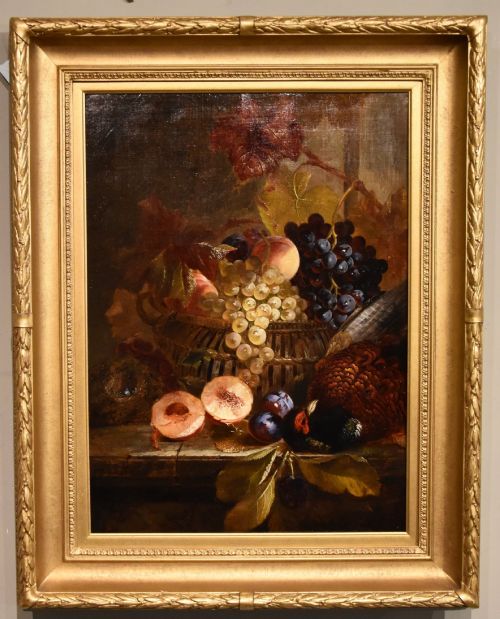
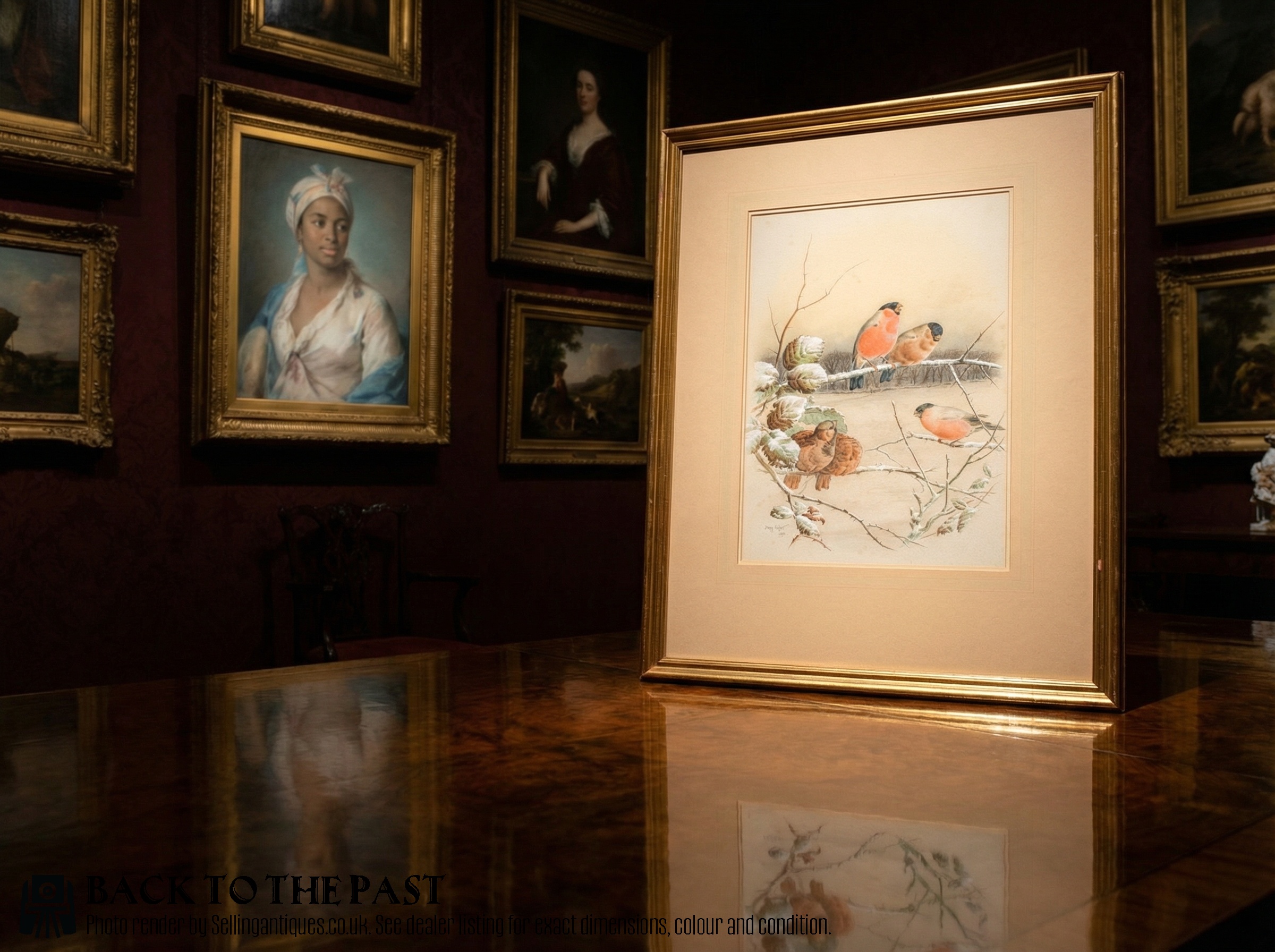
Victorian bird painting spans detailed natural history studies, still life compositions featuring nests, and sporting art depicting game. You will encounter works rendered in watercolour, bodycolour, and oil on canvas or board, originating largely from nineteenth-century British and European schools.
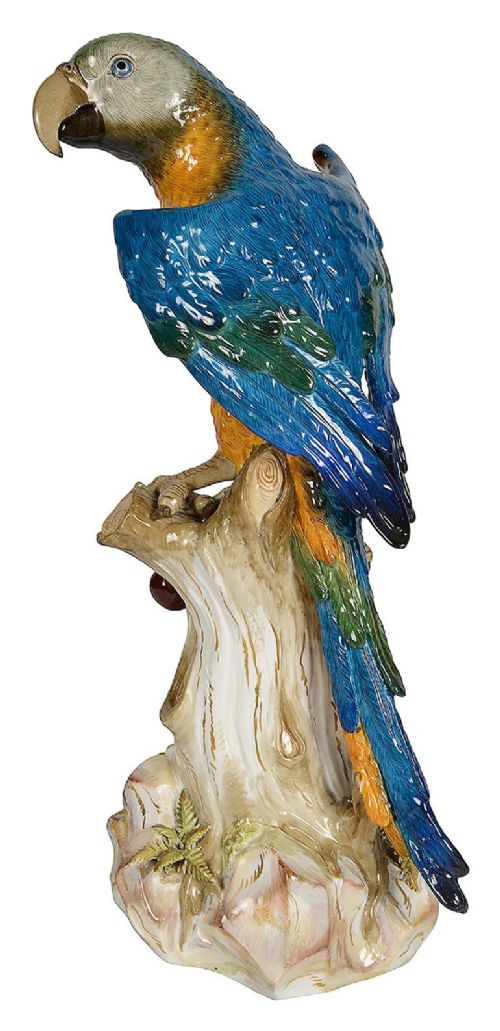
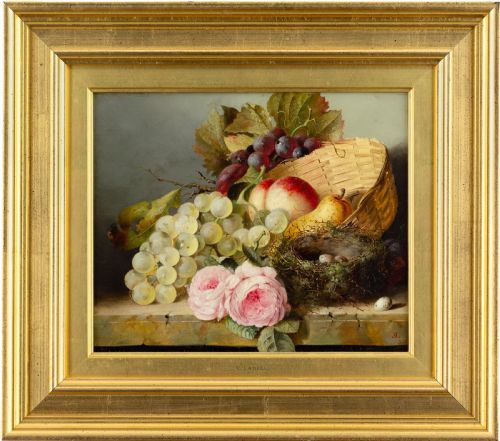
The subjects range from exotic parrots and racing pigeons to native finches, lapwings, and songbirds. Many pieces integrate birds into broader still life arrangements alongside blossoms, fruit, or wicker baskets.
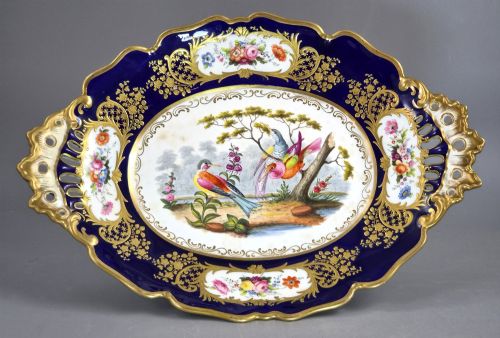
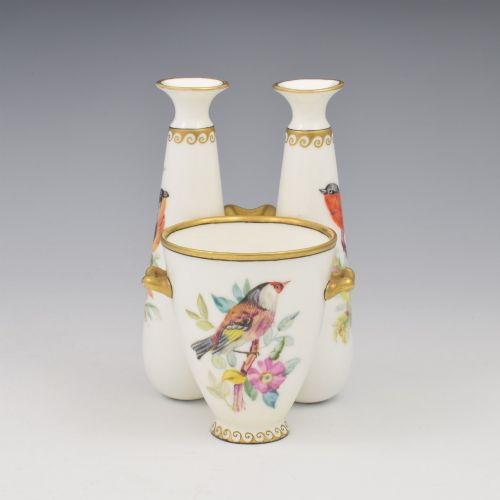
The prevalent forms include framed paintings on paper and canvas, alongside related decorative ceramics and porcelain plates bearing ornithological motifs. These works reflect both scientific curiosity and domestic decorative tastes of the period.
How they were made
Artists utilised watercolour and bodycolour on paper to achieve fine feather detail, often employing gum arabic to add lustre to eyes and plumage. Oil painters worked on canvas or wood panels, building up layers of glaze to render the texture of nests and soft down.
Porcelain painters applied enamel colours directly onto ceramic bodies before firing, utilising cobalt blue and rich gilding to frame exotic bird scenes. Frames were frequently constructed from wood with deep giltwood mounts or ebonised surrounds to complement the artwork.
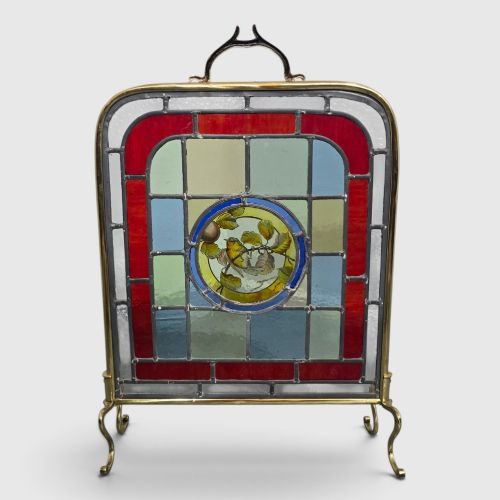
Listings feature works in oil, watercolour, glass, porcelain, and enamel from the nineteenth century.
What varies in quality
The precision of anatomical rendering and the subtlety of feather coloration distinguish accomplished handwork from stiffer, formulaic studio output. Master artists captured the transient light on plumage and the tactile reality of twigs and moss in a bird's nest.
The harmony between the painted subject and its framing contributes significantly to the overall integrity of the piece, with period frames utilising gold leaf or birdseye maple enhancing the visual depth of the watercolour or oil.
Oliver Clare·Edward Ladell·Michelangelo Meucci·Harry Bright·Abel Hold
The Victorian Bird Painting Glossary
- Bodycolour
- Watercolour mixed with a white pigment to render it opaque, allowing artists to build solid highlights on feathers and flowers.
- Giltwood
- Wood that has been coated with a thin layer of gold leaf, commonly seen on nineteenth-century picture frames.
- Ornithological
- Pertaining to the scientific study or artistic representation of birds.
- Trompe l'oeil
- An artistic technique designed to create an optical illusion of three-dimensional reality.
- Ebonised
- Wood treated to resemble dense, black ebony, frequently utilised for nineteenth-century picture frames.
Victorian Bird Painting: Frequently Asked Questions
What subjects appear in these paintings?
The works depict native songbirds, exotic parrots, game birds, and nesting scenes surrounded by spring blossoms.
Artists also recorded domestic racing pigeons and poultry alongside broader still life compositions featuring fruit and baskets.
How should I display them?
These pieces suit traditional study rooms, drawing rooms, or hallways alongside botanical prints and natural history specimens.
Keep them away from direct sunlight to preserve the delicate pigments of nineteenth-century watercolours and oils.
Are frames original to the art?
Many retain period framing such as ebonised wood, birdseye maple, or deep giltwood mounts that match the nineteenth-century aesthetic.
Replacement frames occasionally occur, so checking the backboards and mounts helps determine period alignment.
What mediums were used?
Makers utilised watercolour, bodycolour, and oil paint on paper, canvas, or wood panels.
Enamel pigments also appear on contemporary porcelain plates and decorative vessels depicting similar ornithological themes.